Asif Nawaz — Verified Supplier
About Asif Nawaz - Corn Supplier in Pakistan
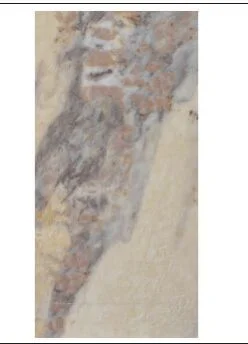
Pakistan-based supplier Asif Nawaz lists 14 active products across agricultural and mineral categories. The catalogue includes food commodities such as yellow and white maize (corn), Pakistan rice, sesame seeds, and pink Himalayan rock salt, as well as industrial minerals like gypsum (HS 2520.10, calcium sulfate dihydrate), dolomite (HS 2518.10, calcium magnesium carbonate), kaolin clay (HS 2507.00, hydrous and calcined grades), silica quartz (HS 2506.10, silicon dioxide), silica sand (HS 2505.10), talc/soapstone (HS 2526.20), magnesite (HS 2519.10), calcium carbonate, and pumice stone. Each mineral entry provides the corresponding HS code and material description, indicating compliance with customs classification. The supplier's product list spans both food‑grade and industrial‑grade items, reflecting the diversity of Pakistani export commodities.
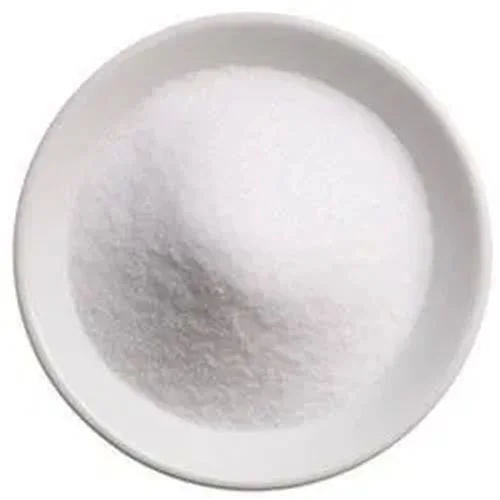
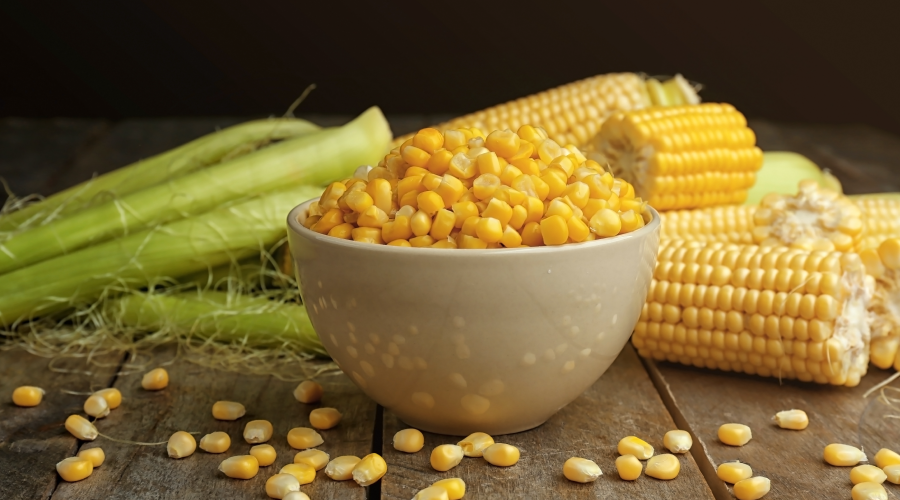
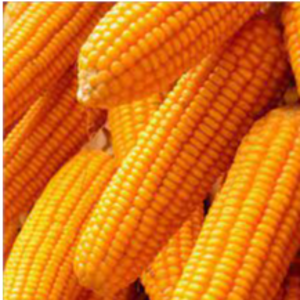
The listed corn products are identified simply as yellow and white maize, which are commonly exported in bulk bags of 25 kg or 1 tonne, meeting typical moisture limits of 12‑14 % for feed use. Pakistani rice varieties generally fall under milled long‑grain specifications with moisture ≤14 % and broken grain ≤5 %. Pink Himalayan rock salt is typically harvested in crystalline form with purity above 99 % NaCl and grain size ranging from 0.5 mm to 5 mm. The mineral range follows standard industrial specifications such as gypsum purity ≥94 % CaSO₄·2H₂O, dolomite CaMg(CO₃)₂ content ≥95 %, kaolin clay with alumina 40‑55 % and silica 30‑45 %, and silica sand meeting 99 % SiO₂ with particle size 0.1‑2 mm. These product descriptors align with the HS code families supplied by the catalogue.
Product Range and Specialties of Asif Nawaz
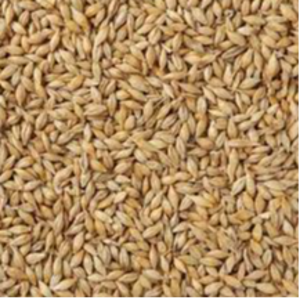
From the catalogue Asif Nawaz offers pink Himalayan rock salt, yellow and white maize, Pakistan rice, sesame seeds, gypsum rock, dolomite, kaolin clay, silica quartz, silica sand, calcium carbonate, talc/soapstone, magnesite, and pumice stone. In the food segment, corn grades are typically classified by kernel colour and moisture content, with white maize used for food processing and yellow maize for animal feed. Rice exported from Pakistan generally conforms to IRRI standards for milling recovery and broken rice limits. Sesame seeds are commonly supplied with hull‑free purity above 97 % and oil content around 55 %.
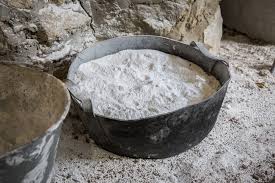
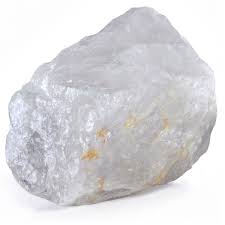
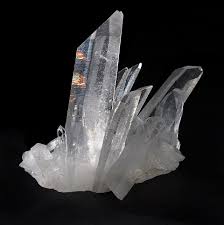
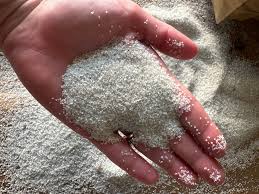
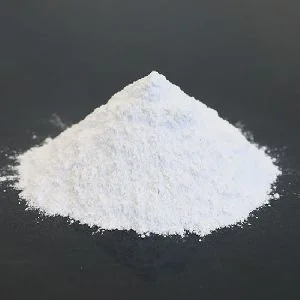
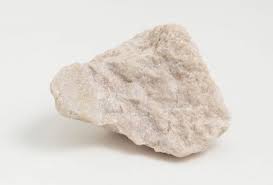
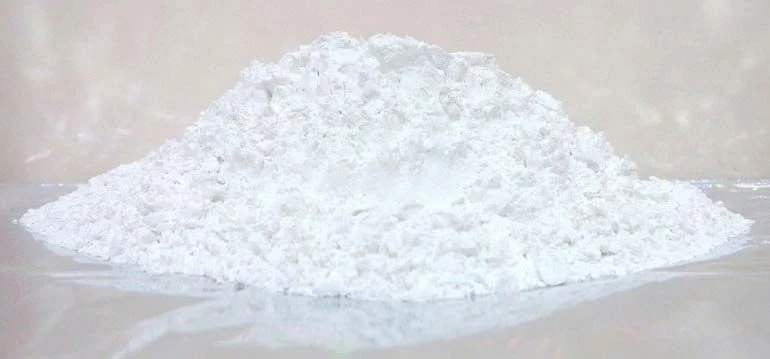
Industrial minerals follow internationally recognised specifications: gypsum rock is usually supplied as 94‑96 % pure calcium sulfate dihydrate for plaster and fertilizer applications; dolomite grades are differentiated into calcitic (≥95 % CaCO₃) and magnesian (≥95 % MgCO₃) for steelmaking and agronomy. Kaolin clay is offered in hydrous (used in ceramics) and calcined grades (paper coating) with particle size distribution controlled to d50 ≈ 5 µm. Silica quartz and silica sand are graded by SiO₂ purity (≥99 % ) and grain size, serving glass manufacturing and foundry molds. Talc and magnesite are supplied in fine powder or lump form for cosmetics and refractory linings, respectively, while pumice stone is used as a lightweight aggregate in construction.
Trade and Export Information - Asif Nawaz
Pakistan is a major exporter of agricultural grains and industrial minerals, with shipments typically destined for the Middle East, North Africa, South Asia, and parts of Europe. HS chapter 25 minerals (e.g., gypsum 2520.10, dolomite 2518.10, kaolin 2507.00) are subject to customs inspection for purity and hazardous material declarations, and buyers often require certificates of analysis and compliance with ISO 9001 or ISO 14001 standards. Food commodities such as corn, rice, sesame seeds, and Himalayan salt fall under HS chapter 10 and 21, where phytosanitary certificates, grain sampling reports, and food safety audits (e.g., HACCP, GFSI) are routinely requested.
Typical logistics involve loading bulk agricultural products into 20‑ft or 40‑ft containers with moisture‑proof liners, while mineral powders are packed in multi‑layered bags or bulk bags (1 tonne) with moisture barriers. Incoterms most commonly used for Pakistani exporters are FOB Karachi or CIF Dubai, depending on the buyer’s preference. Export licences for minerals are regulated by the Ministry of Commerce, and buyers should verify that the supplier holds the necessary export permits for each material.
Sourcing from Asif Nawaz - Buyer Guidance
Buyers sourcing corn, rice, or sesame seeds from Asif Nawaz should request a recent certificate of analysis, moisture and impurity test results, and a phytosanitary certificate confirming freedom from pests. For pink Himalayan rock salt, a purity assay and grain size distribution report are standard documents. Mineral products require a material safety data sheet (MSDS), a certificate of origin, and test reports confirming chemical composition against the HS‑code specifications.
Prior to placing a purchase order, request sample shipments that meet the target specifications - for example, a 5 kg sample of gypsum with ≥94 % CaSO₄·2H₂O or a 1 kg sample of kaolin showing the required alumina and silica percentages. Verify that any claimed certifications (ISO, HACCP, etc.) are current and issued by an accredited body. Confirm packaging details such as moisture‑proof liners for grains or sealed bulk bags for minerals, and agree on Incoterms and lead times, which for Pakistani exporters typically range from 30 to 60 days after order confirmation.
Frequently Asked Questions About Asif Nawaz
What product categories does Asif Nawaz list?
Asif Nawaz lists food commodities (yellow and white maize, Pakistan rice, sesame seeds, pink Himalayan rock salt) and industrial minerals (gypsum, dolomite, kaolin clay, silica quartz, silica sand, calcium carbonate, talc/soapstone, magnesite, pumice stone).
Which HS codes are associated with the mineral products?
The catalogue provides HS 2520.10 for gypsum rock (calcium sulfate dihydrate), 2518.10 for dolomite (calcium magnesium carbonate), 2507.00 for kaolin clay (hydrous and calcined grades), 2506.10 for silica quartz (silicon dioxide), 2505.10 for silica sand, 2526.20 for talc/soapstone (hydrous magnesium silicate), and 2519.10 for magnesite (magnesium carbonate).
What typical specifications should a buyer verify for corn (maize) from Pakistan?
Buyers usually check moisture content (12‑14 % for feed, ≤13 % for food), kernel uniformity, test weight (≈770 kg / m³), and absence of mycotoxins. A recent certificate of analysis and a phytosanitary certificate are standard requirements.
What documentation is commonly required for the food products?
Required documents include a certificate of analysis, moisture and impurity test results, a phytosanitary certificate, and where applicable a food safety audit report such as HACCP or GFSI compliance.
How are the mineral products typically packaged for export?
Minerals are often packed in multi‑layered bulk bags (1 tonne) or sealed polyethylene bags for powders, with moisture‑proof liners for hygroscopic materials; larger shipments may be loaded in 20‑ft or 40‑ft containers with palletised bales.
Which regions are the main import markets for Pakistani corn and minerals?
Pakistani corn and rice are frequently shipped to the Middle East, North Africa, and South Asian neighbouring countries, while minerals such as gypsum, dolomite and kaolin are exported to GCC states, European Union markets, and East African nations.
What certifications should a buyer request before confirming an order?
Buyers should request current ISO 9001 quality management certification, any food safety certifications (HACCP, GFSI) for edible products, an MSDS for mineral powders, and a certificate of origin for customs clearance.




 , Pakistan