Armando — Verified Supplier
About Armando - Leather Shoes Supplier in Egypt
Armando is based in Egypt and lists five active products across footwear, poultry and rice categories. The catalogue includes high‑quality men’s leather shoes, chicken feet packaged at 35 g each, a 5 % broken rice offering, Jasmine aromatic rice, and a product labelled 5451 rice. Each entry aligns with its respective HS‑code family such as HS 6403 for leather footwear, HS 0207 for poultry meat products, and HS 1006 for milled rice. The supplier’s portfolio therefore spans both consumer durable goods and bulk food commodities.
The leather shoe line is described as men’s shoes made from leather, while the poultry item specifies chicken feet with a standard portion weight. The rice items cover both broken grain and whole‑grain varieties, including the premium Jasmine type known for its fragrance. No additional product attributes such as size ranges or packing details are provided in the source data. Armando’s current offering reflects a mixed‑category export profile typical of Egyptian diversified suppliers.
Product Range and Specialties of Armando
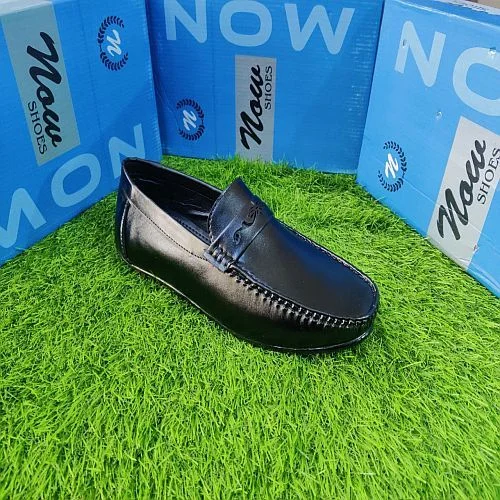
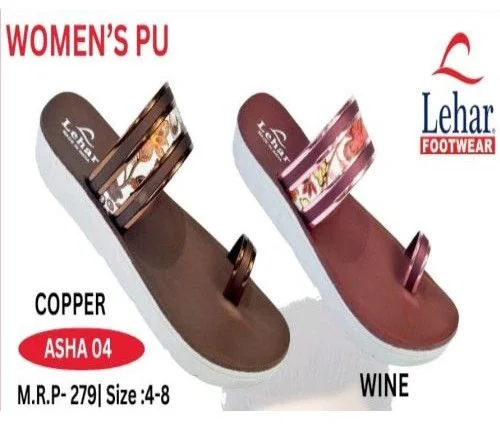
Armando’s footwear listing refers to men’s leather shoes. In the leather shoe market, buyers commonly expect full‑grain or top‑grain leather, stitching strength of at least 150 N, sole thickness of 5 - 8 mm, and size ranges from EU 39 to 46. Standard certifications such as ISO 9001 for manufacturing processes and leather‑specific tests (e.g., water resistance, abrasion) are often required.
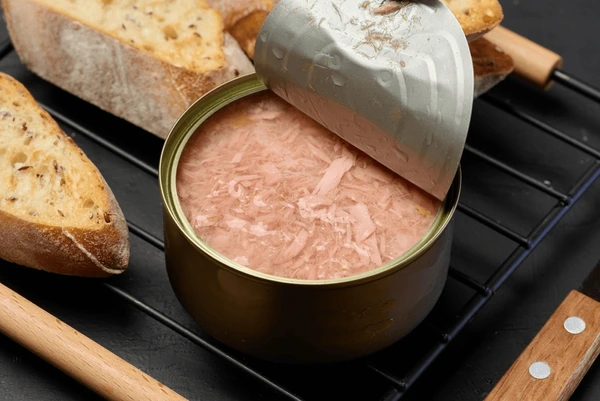
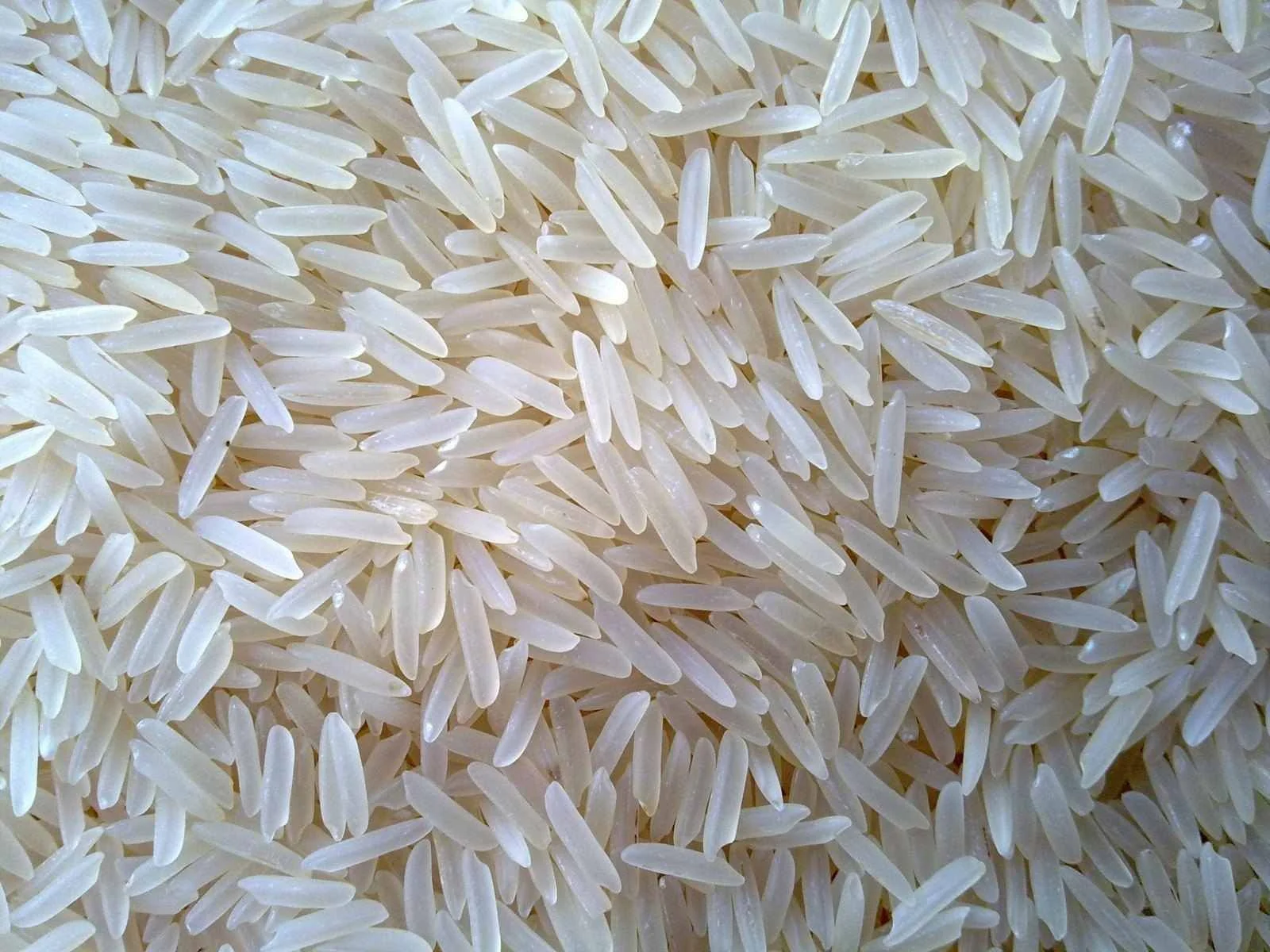
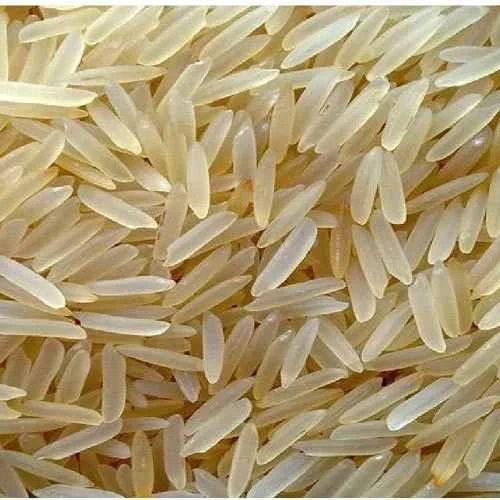
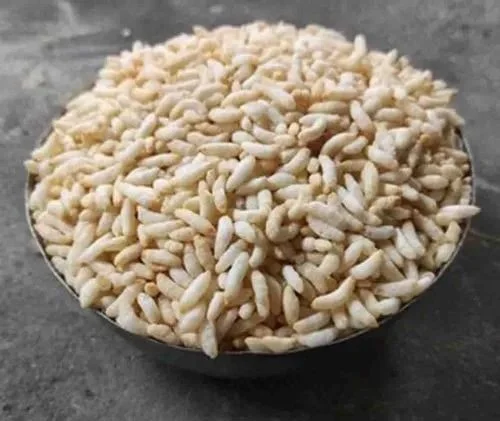
The chicken feet are presented in 35 g units, which matches the typical portion size used for snack‑type poultry products. Exported poultry parts generally need to comply with HACCP or BRC Food Safety standards, and are classified under HS 0207 90. For rice, the 5 % broken rice indicates a grade where up to five percent of kernels are fragmented; buyers usually specify broken‑rice limits and moisture content below 14 %. Jasmine rice is graded by aroma intensity (ICUMSA 45 - 71) and grain length of 6.5 - 7.0 mm, while the “5451 rice” label likely corresponds to a local classification; standard rice exports fall under HS 1006 with specifications for impurity levels and pesticide residues.
Trade and Export Information - Armando
Egypt is a regional hub for both leather footwear and agricultural food products. Leather shoes from Egypt are commonly shipped to EU markets, the Gulf Cooperation Council (GCC) and North Africa, using HS 6403. Poultry feet are exported mainly to Middle Eastern and Asian markets where they are used in soups and snacks, with HS 0207 covering chicken parts. Rice varieties, including broken and aromatic types, are sent to the GCC, West Africa and Eastern Europe under HS 1006.
Buyers importing these categories typically request food safety certifications such as HACCP, BRC or ISO 22000 for poultry and rice, and leather‑product certifications like REACH compliance for chemical safety. Standard packaging includes cardboard boxes for shoes, vacuum‑sealed poly‑bags for chicken feet (often 10 kg cartons), and multi‑layer polyethylene bags for rice (usually 20 kg per bag). Common Incoterms are FOB Alexandria port for bulk food items and CIF for footwear, with container loads of 20 ft or 40 ft depending on volume.
Sourcing from Armando - Buyer Guidance
Prospective buyers should obtain a product specification sheet that lists leather type, shoe size range, and any applicable durability test results for the shoe line. For chicken feet, request a recent HACCP audit report, microbial test results and a moisture analysis confirming the 35 g net weight per unit.
For the rice products, ask for an ICUMSA grade certificate, moisture content, broken‑grain percentage verification, and a phytosanitary certificate. Verify that the supplier can provide a mill test report meeting the importing country’s residue limits. Samples are typically supplied in 5 kg bags for rice and a pair of shoes for the footwear line to assess material quality before full orders.
Frequently Asked Questions About Armando
What HS codes apply to Armando’s products?
The leather shoes fall under HS 6403, chicken feet under HS 0207 90, and the rice items under HS 1006, which covers milled rice and rice preparations.
Which certifications should I request for the chicken feet?
Buyers usually request HACCP or BRC Food Safety certification, a recent microbial test report, and a phytosanitary certificate confirming compliance with import regulations.
What are the typical packaging formats for the rice products?
Rice is commonly packed in multi‑layer polyethylene bags of 20 kg each, which are then placed in export‑grade cartons suitable for container loading.
How are the men’s leather shoes sized and packed for export?
Shoes are typically sized according to EU standards (e.g., 39 - 46) and packed in cardboard shoe boxes, which are then grouped in wooden crates or bulk containers for shipment.
What quality parameters are used for Jasmine rice?
Jasmine rice is evaluated by aroma grade (ICUMSA 45 - 71), grain length (6.5 - 7.0 mm), moisture content below 14 %, and a maximum broken‑grain rate of 5 %.
What is the minimum order quantity (MOQ) for the broken rice product?
Exporters of broken rice often set an MOQ of one 20 ft container, roughly 20 - 22 metric tonnes, but the exact figure should be confirmed with the supplier.
Which markets does Armando primarily target with its products?
Based on typical Egyptian export patterns, the footwear is aimed at EU and GCC markets, poultry feet at Middle Eastern and Asian buyers, and rice at GCC, West African and Eastern European destinations.
What documentation is needed for customs clearance of the rice shipments?
Standard documents include a commercial invoice, packing list, certificate of origin, phytosanitary certificate, and a lab analysis report confirming ICUMSA grade and residue limits.




 , Egypt