Agriculture›
 Apparel and fashion accessories›
 Construction & real estate›💡Electronic & Electrical›🍎Food & Beverages›🛋️Home furnishing & supplies›⚗️Industrial goods & chemical›🪨Minerals & metals›📦Miscellaneous›Agriculture›Apparel and fashion accessories›Construction & real estate›💡Electronic & Electrical›🍎Food & Beverages›🛋️Home furnishing & supplies›⚗️Industrial goods & chemical›🪨Minerals & metals›📦Miscellaneous›
Ario’s LLC
⚓ Harbor , United StatesEst. 2021-01-01New supplier / no reviews yet
Ario’s LLC Product Catalog
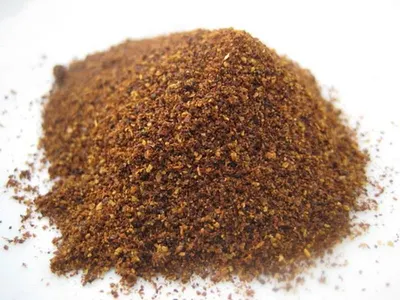
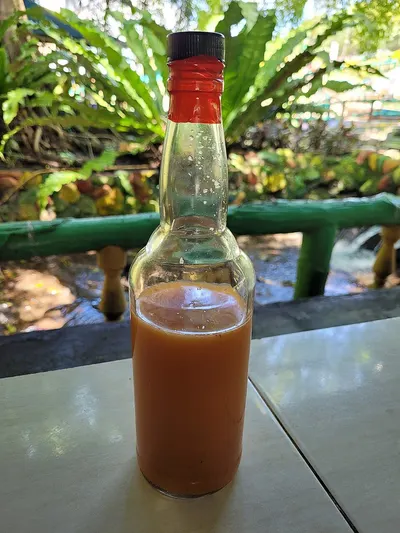
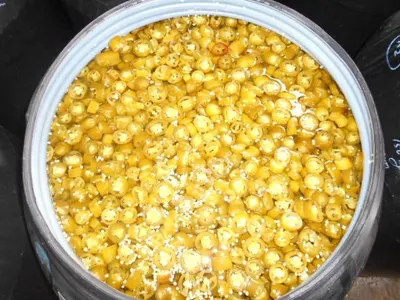
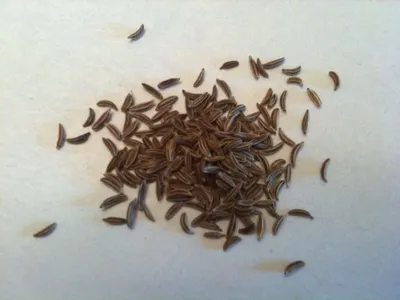
About Ario’s LLC - Pickles & Sauces Supplier in United States
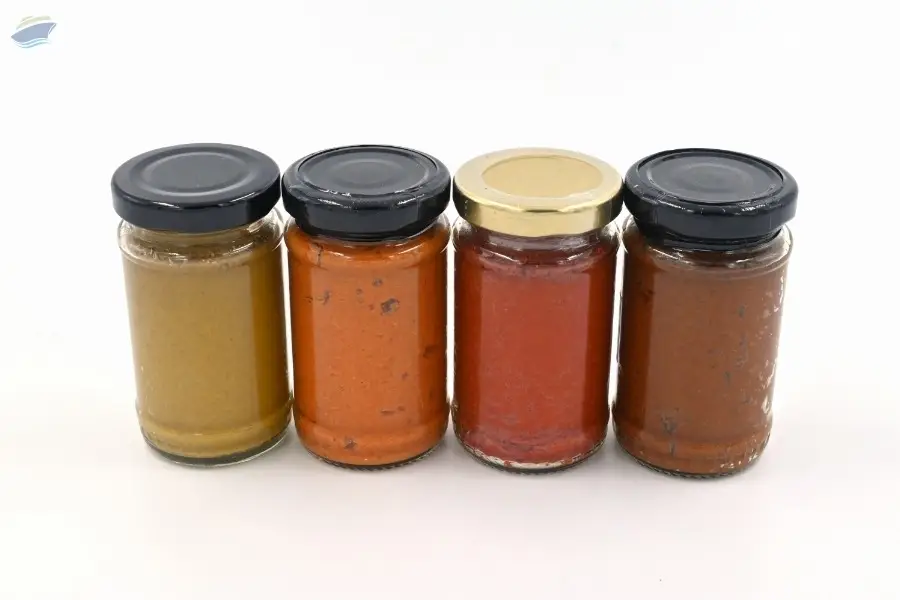
United States‑based Ario’s LLC operates out of New York and currently lists six active food products. The catalogue includes mango pickle, tamarind pickle and tamarind sauce, each classified under HS code 2001.90, as well as three sauces - hot pepper, yellow pepper and chunkey lime peppers - recorded under HS code 2103.90. All items are described by their key ingredients, such as fresh mango pieces, mustard oil, tamarind pulp concentrate, chilli peppers and vinegar with defined acidity ranges. The supplier’s tier is marked as “organic” and the trust tier as “harbor”, indicating a focus on organic‑type sourcing. The product set spans both preserved fruits (pickles) and condiment sauces, covering a typical Caribbean and Asian flavor profile.
The listed pickles fall into the HS Chapter 20 family for preserved fruits, where export documentation often requires a certificate of origin and compliance with FDA food safety regulations. The sauces belong to HS Chapter 21, which governs prepared sauces and pastes, and buyers usually request a pH test report and a declaration of any preservatives used. Ingredients such as mustard oil, tamarind pulp and lime juice are common in South‑Asian and Caribbean cuisine, making these goods relevant for food‑service distributors and specialty retailers. Each product description includes specific material components, allowing buyers to verify allergen content and spice levels. The range therefore offers a concise, ingredient‑driven portfolio suitable for importers seeking authentic spice‑based condiments.
Product Range and Specialties of Ario’s LLC
Ario’s LLC’s catalogue comprises three pickles - mango, tamarind and a tamarind‑based sauce - all recorded under HS 2001.90, and three chilled sauces recorded under HS 2103.90. The mango pickle combines fresh mango pieces with mustard oil, salt and a spice blend that includes fennel, fenugreek, turmeric and red chilli, while the tamarind pickle uses tamarind pulp, vegetable oil and a similar spice mix. The tamarind sauce is a concentrated pulp product, and the three sauces differ by primary pepper type and additional flavoring agents such as lime juice or yellow capsicum puree. In the broader industry, pickles of this type are typically produced to meet ICUMSA‑based colour standards for clarity, and acidity is controlled between 3.5 % and 4.5 % to ensure microbial stability. Sauces in HS 2103.90 are usually formulated to a target pH of 3.0‑4.0, may include approved preservatives such as potassium sorbate, and are packaged in glass jars (250 g‑1 kg) or food‑grade PET containers for bulk shipments. Buyers often look for specifications such as moisture content below 10 % for pickles and a viscosity range of 1500‑2500 cP for sauce concentrates.
Frequently Asked Questions About Ario’s LLC
What HS codes are used for the pickles and sauces listed by Ario’s LLC?
Pickles such as mango and tamarind are classified under HS code 2001.90, while the hot pepper, yellow pepper and chunkey lime peppers sauces fall under HS code 2103.90.
What is a typical lead time for an order from Ario’s LLC?
Lead times are generally 30 to 45 days after order confirmation, covering production, packaging, and preparation of export documentation.
Which markets commonly import U.S. pickles and sauces like those offered by Ario’s LLC?
Key import markets include the European Union, Canada, the Caribbean region, and Middle‑East countries that source ethnic food products.
Which certifications should a buyer ask for before importing these products?
Buyers should request the USDA Organic certificate (if the organic tier is claimed), a FDA Food Facility Registration, and a Certificate of Analysis that details ingredient percentages, pH and moisture content.
What typical packaging formats are used for these products?
In the industry, pickles are commonly packed in glass jars ranging from 250 g to 1 kg, while sauces are shipped in PET bottles or jars of similar size, often placed in cartons suitable for 20‑ft container loading.
United StatesRelated Suppliers & Products
Explore similar suppliers, related products and trending categories
.jpg.png)