Apicola Solven — Verified Supplier
About Apicola Solven - Honey Supplier in Spain
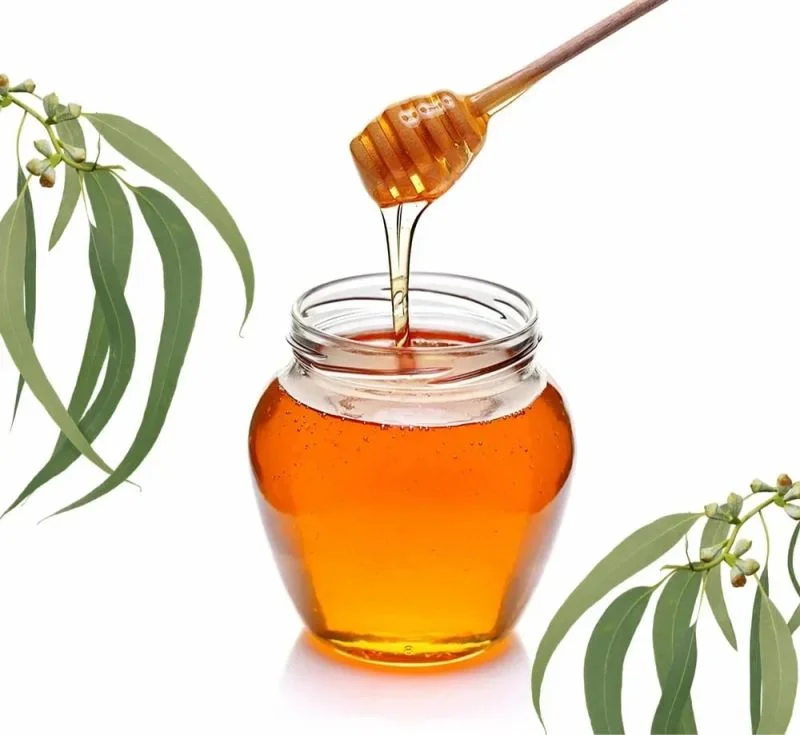
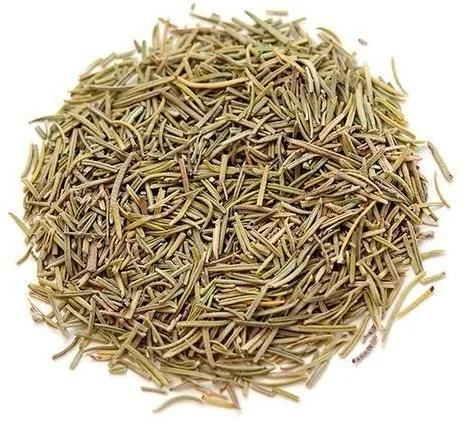
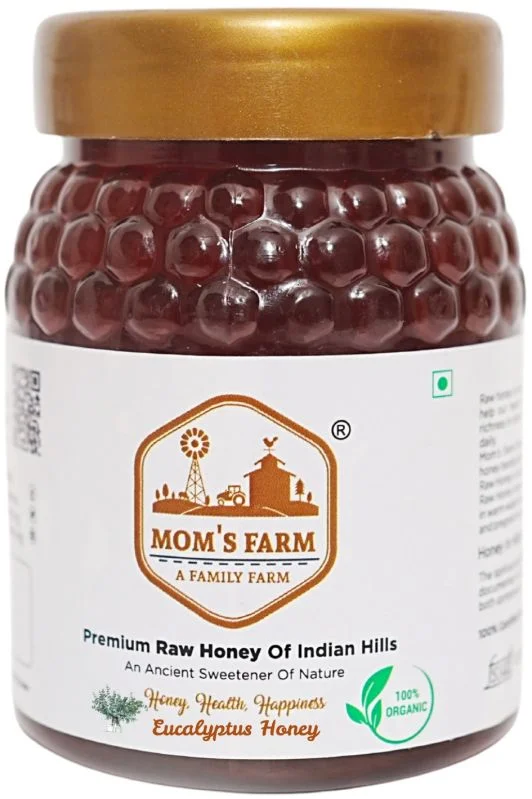
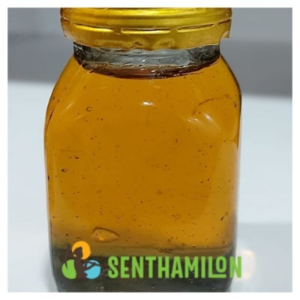
Apicola Solven is based in Spain and currently lists seven distinct honey‑related SKUs in its catalogue. The company’s active product count of 7 covers several monofloral and polyfloral honeys that are classified under the HS chapter 04, specifically HS code 0409 for natural honey. The catalogue includes variants such as Forest honey, Rosemary honey, Oak honey, Milflower honey, as well as a bulk honey offering and a generic Honey entry. Each product is presented as a separate line item, indicating that the supplier manages individual specifications for flavor, source flora, and packaging style.
The product list also contains an item titled "Presentation Apicola Solven," which suggests a branded packaging option for the honey range. All items are grouped under the primary category of Honey, with the broader catalogue also mentioning Food Additives as a secondary category, although no specific additive products are enumerated. The Spanish origin places the supplier within the European Union honey production zone, where standard quality parameters such as moisture content and pollen count are routinely regulated.
Product Range and Specialties of Apicola Solven
The honey portfolio comprises monofloral varieties (e.g., Rosemary and Oak) and a polyfloral bulk grade that is typically sold in larger containers for industrial use. In the European market, monofloral honeys are often graded by ICUMSA 45 - 70, with moisture levels not exceeding 20 % and a minimum diastase activity of 8 Schade units. Bulk honey is usually supplied in 25 kg drums or 500 kg totes, while retail formats are packed in 250 g or 500 g glass jars. Food additives, while not listed individually, are commonly used in the honey processing chain for stabilization and are subject to EU food‑law limits (e.g., E330 citric acid, E322 lecithin).
Trade and Export Information - Apicola Solven
Spain ranks among the top EU honey exporters, shipping primarily to other European Union members, the Middle East, and increasingly to Asian markets such as China and Japan. Exports are reported under HS code 0409, which requires customs documentation that includes a Certificate of Origin and a laboratory analysis report confirming compliance with EU honey standards. Buyers typically request certifications such as ISO 22000, HACCP compliance, and, where applicable, EU organic certification. Shipping is commonly arranged in 20‑ft or 40‑ft containers, with bulk honey packed in food‑grade drums and retail jars palletised on Euro‑pallets.
Sourcing from Apicola Solven - Buyer Guidance
When sourcing honey from Apicola Solven, buyers should request a recent Certificate of Analysis that details moisture content, diastase activity, HMF level, and pollen spectrum. Verification of the supplier’s compliance with EU honey regulations, including any organic or fair‑trade certifications, is advisable before contract signing. Samples of each honey variant are normally supplied in 250 g jars, and a typical minimum order for bulk honey starts at 500 kg, with lead times ranging from 30 to 45 days depending on packaging specifications.
Frequently Asked Questions About Apicola Solven
What honey varieties does Apicola Solven list in its catalogue?
The catalogue lists Forest honey, Rosemary honey, Oak honey, Milflower honey, a generic Honey entry, Bulk honey, and a branded packaging option called Presentation Apicola Solven.
Under which HS code are the honey products classified?
Honey products are classified under HS chapter 04, specifically HS code 0409 for natural honey.
Which quality parameters are commonly required for honey imports from Spain?
Importers usually require moisture content below 20 %, ICUMSA colour grade between 45 and 70, diastase activity of at least 8 Schade units, and a laboratory report confirming HMF levels.
What certifications should a buyer request from the supplier?
Buyers should request a Certificate of Analysis, proof of ISO 22000 or HACCP compliance, and, if needed, EU organic certification or a Certificate of Origin.
What are typical packaging formats for the listed honey products?
Retail honey variants are often packed in 250 g or 500 g glass jars, while Bulk honey is supplied in 25 kg food‑grade drums or 500 kg bulk containers.
What are common minimum order quantities and lead times for these honey products?
Minimum order quantities start at 500 kg for bulk honey, with lead times generally between 30 and 45 days after order confirmation.
Which regions are the main import destinations for Spanish honey?
Spanish honey is mainly exported to EU member states, the Middle East, North Africa, and Asian markets such as China, Japan, and South Korea.
How should a buyer verify the authenticity of the honey varieties?
Buyers should examine the pollen analysis in the Certificate of Analysis, request sample jars for sensory testing, and confirm that the supplier can provide traceability documentation for the floral source.




 , Spain