Anu Sonawane — Verified Supplier

About Anu Sonawane - Dehydrated Fruits, Dry Fruits and Dehydrated Vegetables Supplier in India

Anu Sonawane is an India-based supplier operating with an active catalogue of 5 products concentrated in three closely related food categories: Dehydrated Fruits, Dry Fruits and Nuts, and Dehydrated Vegetables. The supplier's listings are centred on raisin varieties, with four of the five SKUs covering different raisin types, and one SKU covering a processed vegetable derivative. Raisins are one of India's established agri-export lines, and the supplier's product mix reflects the kind of single-category depth typically seen among Indian dry-fruit packers who focus on a narrow band of dehydrated grape products rather than a broad mixed basket. The dehydrated onion powder SKU extends the catalogue into the processed-dehydrated-vegetable segment, which is a logical adjacency for a producer already running dehydration lines for fruit. The catalogue sits within the agri-food processing segment of India's export economy, a sector that draws on domestic grape cultivation in Maharashtra (particularly the Sangli-Solapur belt for Thompson Seedless and its dried-raisin derivatives) and on onion dehydration capacity in Gujarat and Maharashtra. Indian dehydrated onion products, including powders, are well established in both domestic and overseas ingredient markets. With 4 of 5 products in the raisin family and 1 in dehydrated onion powder, the supplier's portfolio is narrow but category-focused, and the product descriptions indicate a working knowledge of the visual and grade distinctions (green, golden, dark brown, black) that buyers use to specify Indian and Middle Eastern raisin grades.

Product Range and Specialties of Anu Sonawane

Anu Sonawane's catalogue lists 5 SKUs across two distinct dehydrated-food families. The raisin family covers four visual/grade variants: black raisins (the Indian grade typically produced from sun-dried Thompson Seedless or Sonakka grapes, with the dark colour coming from shade-drying or oil-dipping processes), Malayer raisins / green raisins (the longer, plumper green-gold grade associated with the Malayer-style processing favoured in parts of the Middle East and South Asia), golden raisins (sulphur-dioxide-treated Thompson Seedless with a uniform amber colour and moisture typically in the 14-17% range), and dark brown raisins (a deeper-coloured sun-dried grade). The fifth SKU is dehydrated onion powder, a milled product falling under HS subheading 0712.20 (dried onions) when in powdered or further-processed form, with commercial grades usually specified by moisture (target 5-8%), ash content, granulation mesh size, and microbiological limits. For buyers comparing these categories, the relevant Indian and international standards include AGMARK grading for raisins (which classifies Indian raisins into grades based on size, colour, defects and moisture), Codex Alimentarius general standards for dried fruits, and IS 14543 for dehydrated onion products. Typical raisin specifications buyers request include moisture content (commonly 14-17%), sugar content (around 60-70% reducing sugars), sulphite residue levels (relevant for golden raisins, where SO2 is commonly 1500-2500 ppm for the bright golden grade), berry count per 100 g (a size proxy), and defect tolerances (cap-stem, sugar-coated, damaged berries). For dehydrated onion powder, buyers typically specify moisture under 8%, TPC under 10^5 cfu/g, absence of Salmonella and E. coli, free-flowing granulation, and colour measured against an agreed reference. These are the parameters a serious buyer should expect to see on the supplier's specification sheet for each SKU.

Trade and Export Information - Anu Sonawane

Raisins and dehydrated onion products from India are exported under HS chapter 08 (edible fruits and nuts) for raisins, specifically subheading 0806.20 (dried grapes), and HS chapter 07 (edible vegetables) for dehydrated onion, subheading 0712.20 (dried onions, whole, cut, sliced, broken or in powder). Indian raisin exports are traditionally strong into the Gulf Cooperation Council countries (UAE, Saudi Arabia, Oman, Kuwait, Bahrain, Qatar), the broader Middle East, the United Kingdom, the European Union, and South-East Asian markets such as Malaysia, Indonesia and Singapore. Dehydrated onion powder from India is shipped in significant volumes to the United States, the EU, and Asian food-ingredient markets, where it is used in seasoning blends, instant noodles, snack seasonings, sauces and ready-meal formulations. For these categories, the certifications and documents buyers typically expect to see include FSSAI registration or licence for the Indian supplier (mandatory for any food business operator in India), an APEDA registration for export of scheduled plant products, a Phytosanitary Certificate issued by India's Plant Quarantine authority, a Certificate of Origin (usually under a non-preferential or preferential scheme such as the India-UAE CEPA or India-EU GSP arrangement where applicable), and a Health Certificate. For shipments into the EU, compliance with EU Regulation 1881/2006 on contaminants (including ochratoxin A limits for dried grapes, currently 10 µg/kg for dried vine fruit intended for direct human consumption) and pesticide residue limits under Regulation 396/2005 is standard. For golden raisins specifically, buyers in regulated markets usually require sulphur dioxide declaration in line with Codex limits (typically 1500 mg/kg for golden raisins). Standard packaging for raisins is 10 kg or 14 kg corrugated cartons with a poly liner, often palletised for container loads of roughly 12-18 metric tonnes per 20 ft FCL depending on pack size; dehydrated onion powder is typically packed in 20 kg or 25 kg multi-wall kraft paper bags with food-grade inner liners, with 20 ft FCL loads in the 10-14 metric tonne range. Indian exporters of these categories most commonly quote on FOB or CIF terms, with Mundra, Nhava Sheva (JNPT) and Chennai as the typical loading ports for shipments of dried fruits and dehydrated vegetables.

Sourcing from Anu Sonawane - Buyer Guidance

Sourcing from a single-category Indian raisin and dehydrated-vegetable supplier like Anu Sonawane is straightforward when the buyer's specification work is done up front. Before placing an order, request the supplier's product specification sheet for each SKU, including moisture, sulphite content (for golden raisins), berry size or count per 100 g, defect tolerance, and, for the onion powder, granulation, ash, and microbiological limits. Ask for a recent third-party lab report (NABL-accredited Indian labs such as SGS India, Eurofins India, or TUV SUD are commonly accepted) covering the parameters relevant to the destination market, in particular ochratoxin A for dried grapes going to the EU and Salmonella / E. coli for the onion powder. Confirm FSSAI licence validity and APEDA registration, and ask for a copy of the Phytosanitary Certificate and Health Certificate that will accompany the shipment. For first orders, a pre-shipment sample of 1-2 kg per SKU is standard practice, with the sample evaluated against an agreed reference sample and against the buyer's internal specification. Confirm packaging type and weight per carton or bag, palletisation, and the intended loading port. Clarify Incoterms (FOB India vs CIF destination), the shipping mark, and the documentation set required for customs clearance in the destination country. For raisin SKUs, confirm whether the product is sun-dried, shade-dried, or mechanically dehydrated, and whether any oil-dipping has been used on the black raisin grade, as this affects storage stability and appearance. For dehydrated onion powder, request the batch number, manufacturing date, shelf life (typically 12-18 months), and storage conditions (cool, dry, below 25°C). Verifying these points in writing before confirming the purchase order reduces the most common sources of dispute in this category.

Frequently Asked Questions About Anu Sonawane

What product categories does Anu Sonawane supply?

Anu Sonawane lists 5 active products across three categories: Dehydrated Fruits (four raisin variants - black raisins, Malayer / green raisins, golden raisins, and dark brown raisins), Dry Fruits and Nuts, and Dehydrated Vegetables (dehydrated onion powder). Four of the five SKUs are raisin grades, with one dehydrated onion powder SKU.

Which raisin grades are available from Anu Sonawane?

The catalogue lists black raisins (sun-dried or oil-dipped dark grade), Malayer / green raisins (long green-gold style), golden raisins (SO2-treated amber grade), and dark brown raisins (deep sun-dried grade). Buyers should request the moisture content, sulphite level (for golden), berry count per 100 g, and defect tolerance for each grade.

What HS codes apply to the products in this catalogue?

Raisins (dried grapes) are classified under HS subheading 0806.20, and dehydrated onion powder falls under HS subheading 0712.20 (dried onions, including powder). These are the standard codes used for Indian export shipments of these categories.

Which certifications and documents should a buyer request?

Buyers should request a valid FSSAI licence, APEDA registration, Phytosanitary Certificate, Certificate of Origin, Health Certificate, and a recent third-party lab report covering moisture, sulphite (for golden raisins), ochratoxin A (for EU destinations), and microbiological parameters (for onion powder). EU buyers should also confirm compliance with Regulations 1881/2006 and 396/2005.

What is the typical packaging for raisins and dehydrated onion powder from India?

Raisins are commonly packed in 10 kg or 14 kg corrugated cartons with a food-grade poly liner, palletised for FCL loads. Dehydrated onion powder is typically packed in 20 kg or 25 kg multi-wall kraft paper bags with food-grade inner liners. Confirm exact pack size, pallet count, and container loadability with the supplier before ordering.

Which Indian ports are typically used for exporting these products?

Indian exporters of dried fruits and dehydrated vegetables most commonly load from Mundra, Nhava Sheva (JNPT), and Chennai. Confirm the intended port of loading and the Incoterm (typically FOB India or CIF destination) at the enquiry stage.

Can a buyer request a sample before placing a bulk order?

Yes, requesting a 1-2 kg pre-shipment sample per SKU is standard practice in this category. The sample should be evaluated against the buyer's specification sheet for moisture, colour, berry size, sulphite level (for golden raisins), and, for onion powder, granulation and microbiological status, before confirming a purchase order.

What is the typical shelf life and storage condition for these products?

Raisins typically have a shelf life of 12-18 months when stored cool and dry below 25°C with relative humidity under 65%. Dehydrated onion powder typically has a shelf life of 12-24 months under similar cool, dry conditions, away from direct light. Buyers should confirm the manufacturing date, batch number, and recommended storage on the supplier's specification sheet.


Other Suppliers in Dehydrated Fruits

Top Trusted Suppliers

Related Products in Dehydrated Fruits

Trending in Parent Category

More Suppliers in Parent Category

Related Products

Other Suppliers

EximNext
58.7K+ live requirements
Register Free🎁 Reach verified global buyers
Post Requirement
🌍 Trusted by 224.9K+ businesses in 200+ countries|
58.7K+ active requirements right now
✉️ [email protected]
|
Sell on EximNextPost Requirement
EximNext
AgricultureApparelConstructionElectronicFoodHomeIndustrialMineralsMiscellaneous
🔥 Deals|✨ AI Match|🏭 Suppliers|📋 Buy Leads|💰 Trade Finance
58.7K+ live RFQs·194.8K+ suppliers
🎁 Reach global buyers →
EximNext
EximNext
Register Free
🎁 Reach verified global buyers
Sign In
📋Post Requirement💬Get Quotes✨AI Match📋RFQ Marketplace
All Categories
Services & Tools
🏭Supplier Directory🔥Today's Deals💰Trade Finance
Sell on EximNext →
AboutContactBlogHelp
Global Trade  ·  India
5
products listed

Anu Sonawane

⚓ Harbor
Country flag , India
🛡️
55/100
Trust Score

Anu Sonawane Product Catalog

Showing 5 of 5 products
View all products →
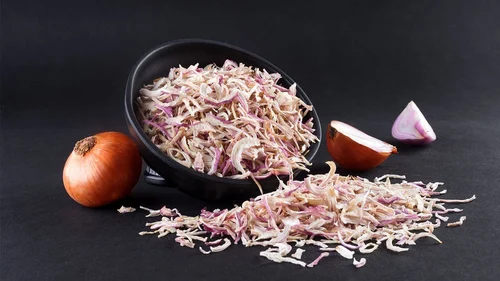
Dehydrated onion powder
⚓ Harbor
Dehydrated onion powder
Contact
MOQ: 1 Unit
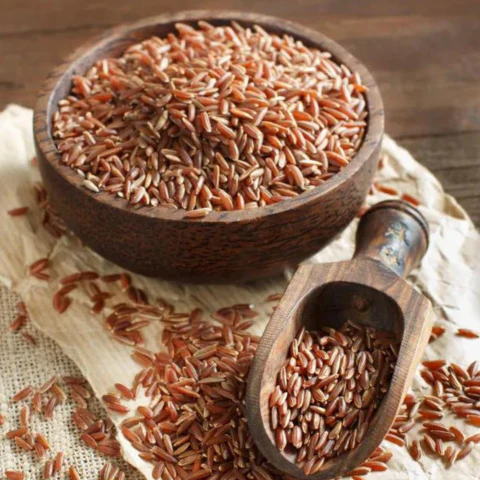
Dark brown raisins
⚓ Harbor
Dark brown raisins
Contact
MOQ: 1 Unit
Malayer raisins, green raisins
⚓ Harbor
Malayer raisins, green raisins
Contact
MOQ: 1 Unit
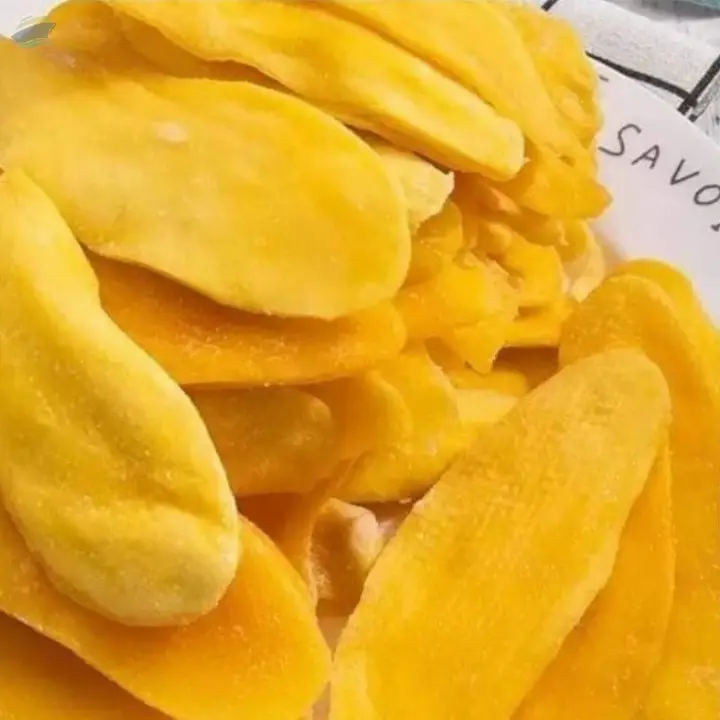
Golden raisins
⚓ Harbor
Golden raisins
Contact
MOQ: 1 Unit
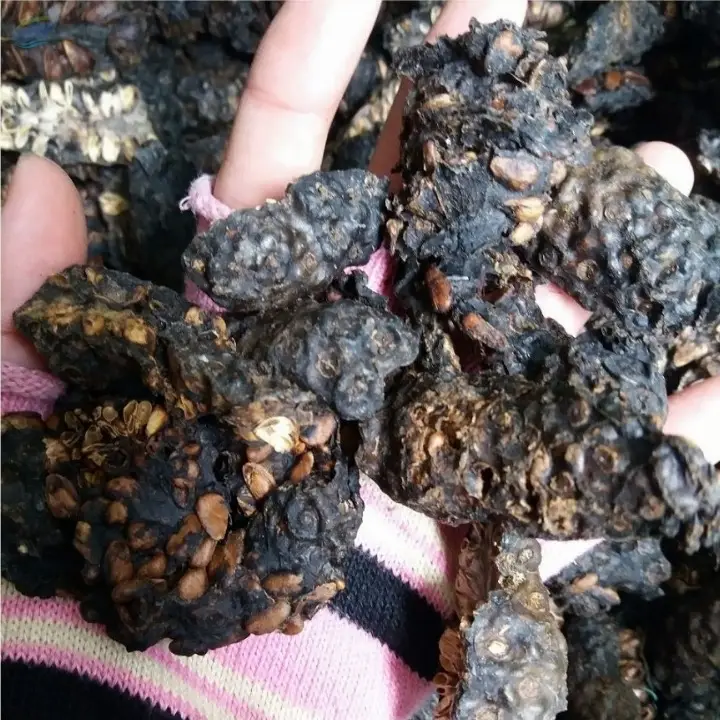
Black raisins
⚓ Harbor
Black raisins
Contact
MOQ: 1 Unit

About Anu Sonawane - Dehydrated Fruits, Dry Fruits and Dehydrated Vegetables Supplier in India

Anu Sonawane is an India-based supplier operating with an active catalogue of 5 products concentrated in three closely related food categories: Dehydrated Fruits, Dry Fruits and Nuts, and Dehydrated Vegetables. The supplier's listings are centred on raisin varieties, with four of the five SKUs covering different raisin types, and one SKU covering a processed vegetable derivative. Raisins are one of India's established agri-export lines, and the supplier's product mix reflects the kind of single-category depth typically seen among Indian dry-fruit packers who focus on a narrow band of dehydrated grape products rather than a broad mixed basket. The dehydrated onion powder SKU extends the catalogue into the processed-dehydrated-vegetable segment, which is a logical adjacency for a producer already running dehydration lines for fruit. The catalogue sits within the agri-food processing segment of India's export economy, a sector that draws on domestic grape cultivation in Maharashtra (particularly the Sangli-Solapur belt for Thompson Seedless and its dried-raisin derivatives) and on onion dehydration capacity in Gujarat and Maharashtra. Indian dehydrated onion products, including powders, are well established in both domestic and overseas ingredient markets. With 4 of 5 products in the raisin family and 1 in dehydrated onion powder, the supplier's portfolio is narrow but category-focused, and the product descriptions indicate a working knowledge of the visual and grade distinctions (green, golden, dark brown, black) that buyers use to specify Indian and Middle Eastern raisin grades.

Product Range and Specialties of Anu Sonawane

Anu Sonawane's catalogue lists 5 SKUs across two distinct dehydrated-food families. The raisin family covers four visual/grade variants: black raisins (the Indian grade typically produced from sun-dried Thompson Seedless or Sonakka grapes, with the dark colour coming from shade-drying or oil-dipping processes), Malayer raisins / green raisins (the longer, plumper green-gold grade associated with the Malayer-style processing favoured in parts of the Middle East and South Asia), golden raisins (sulphur-dioxide-treated Thompson Seedless with a uniform amber colour and moisture typically in the 14-17% range), and dark brown raisins (a deeper-coloured sun-dried grade). The fifth SKU is dehydrated onion powder, a milled product falling under HS subheading 0712.20 (dried onions) when in powdered or further-processed form, with commercial grades usually specified by moisture (target 5-8%), ash content, granulation mesh size, and microbiological limits. For buyers comparing these categories, the relevant Indian and international standards include AGMARK grading for raisins (which classifies Indian raisins into grades based on size, colour, defects and moisture), Codex Alimentarius general standards for dried fruits, and IS 14543 for dehydrated onion products. Typical raisin specifications buyers request include moisture content (commonly 14-17%), sugar content (around 60-70% reducing sugars), sulphite residue levels (relevant for golden raisins, where SO2 is commonly 1500-2500 ppm for the bright golden grade), berry count per 100 g (a size proxy), and defect tolerances (cap-stem, sugar-coated, damaged berries). For dehydrated onion powder, buyers typically specify moisture under 8%, TPC under 10^5 cfu/g, absence of Salmonella and E. coli, free-flowing granulation, and colour measured against an agreed reference. These are the parameters a serious buyer should expect to see on the supplier's specification sheet for each SKU.

Trade and Export Information - Anu Sonawane

Raisins and dehydrated onion products from India are exported under HS chapter 08 (edible fruits and nuts) for raisins, specifically subheading 0806.20 (dried grapes), and HS chapter 07 (edible vegetables) for dehydrated onion, subheading 0712.20 (dried onions, whole, cut, sliced, broken or in powder). Indian raisin exports are traditionally strong into the Gulf Cooperation Council countries (UAE, Saudi Arabia, Oman, Kuwait, Bahrain, Qatar), the broader Middle East, the United Kingdom, the European Union, and South-East Asian markets such as Malaysia, Indonesia and Singapore. Dehydrated onion powder from India is shipped in significant volumes to the United States, the EU, and Asian food-ingredient markets, where it is used in seasoning blends, instant noodles, snack seasonings, sauces and ready-meal formulations. For these categories, the certifications and documents buyers typically expect to see include FSSAI registration or licence for the Indian supplier (mandatory for any food business operator in India), an APEDA registration for export of scheduled plant products, a Phytosanitary Certificate issued by India's Plant Quarantine authority, a Certificate of Origin (usually under a non-preferential or preferential scheme such as the India-UAE CEPA or India-EU GSP arrangement where applicable), and a Health Certificate. For shipments into the EU, compliance with EU Regulation 1881/2006 on contaminants (including ochratoxin A limits for dried grapes, currently 10 µg/kg for dried vine fruit intended for direct human consumption) and pesticide residue limits under Regulation 396/2005 is standard. For golden raisins specifically, buyers in regulated markets usually require sulphur dioxide declaration in line with Codex limits (typically 1500 mg/kg for golden raisins). Standard packaging for raisins is 10 kg or 14 kg corrugated cartons with a poly liner, often palletised for container loads of roughly 12-18 metric tonnes per 20 ft FCL depending on pack size; dehydrated onion powder is typically packed in 20 kg or 25 kg multi-wall kraft paper bags with food-grade inner liners, with 20 ft FCL loads in the 10-14 metric tonne range. Indian exporters of these categories most commonly quote on FOB or CIF terms, with Mundra, Nhava Sheva (JNPT) and Chennai as the typical loading ports for shipments of dried fruits and dehydrated vegetables.

Sourcing from Anu Sonawane - Buyer Guidance

Sourcing from a single-category Indian raisin and dehydrated-vegetable supplier like Anu Sonawane is straightforward when the buyer's specification work is done up front. Before placing an order, request the supplier's product specification sheet for each SKU, including moisture, sulphite content (for golden raisins), berry size or count per 100 g, defect tolerance, and, for the onion powder, granulation, ash, and microbiological limits. Ask for a recent third-party lab report (NABL-accredited Indian labs such as SGS India, Eurofins India, or TUV SUD are commonly accepted) covering the parameters relevant to the destination market, in particular ochratoxin A for dried grapes going to the EU and Salmonella / E. coli for the onion powder. Confirm FSSAI licence validity and APEDA registration, and ask for a copy of the Phytosanitary Certificate and Health Certificate that will accompany the shipment. For first orders, a pre-shipment sample of 1-2 kg per SKU is standard practice, with the sample evaluated against an agreed reference sample and against the buyer's internal specification. Confirm packaging type and weight per carton or bag, palletisation, and the intended loading port. Clarify Incoterms (FOB India vs CIF destination), the shipping mark, and the documentation set required for customs clearance in the destination country. For raisin SKUs, confirm whether the product is sun-dried, shade-dried, or mechanically dehydrated, and whether any oil-dipping has been used on the black raisin grade, as this affects storage stability and appearance. For dehydrated onion powder, request the batch number, manufacturing date, shelf life (typically 12-18 months), and storage conditions (cool, dry, below 25°C). Verifying these points in writing before confirming the purchase order reduces the most common sources of dispute in this category.

Frequently Asked Questions About Anu Sonawane

What product categories does Anu Sonawane supply?

Anu Sonawane lists 5 active products across three categories: Dehydrated Fruits (four raisin variants - black raisins, Malayer / green raisins, golden raisins, and dark brown raisins), Dry Fruits and Nuts, and Dehydrated Vegetables (dehydrated onion powder). Four of the five SKUs are raisin grades, with one dehydrated onion powder SKU.

Which raisin grades are available from Anu Sonawane?

The catalogue lists black raisins (sun-dried or oil-dipped dark grade), Malayer / green raisins (long green-gold style), golden raisins (SO2-treated amber grade), and dark brown raisins (deep sun-dried grade). Buyers should request the moisture content, sulphite level (for golden), berry count per 100 g, and defect tolerance for each grade.

What HS codes apply to the products in this catalogue?

Raisins (dried grapes) are classified under HS subheading 0806.20, and dehydrated onion powder falls under HS subheading 0712.20 (dried onions, including powder). These are the standard codes used for Indian export shipments of these categories.

Which certifications and documents should a buyer request?

Buyers should request a valid FSSAI licence, APEDA registration, Phytosanitary Certificate, Certificate of Origin, Health Certificate, and a recent third-party lab report covering moisture, sulphite (for golden raisins), ochratoxin A (for EU destinations), and microbiological parameters (for onion powder). EU buyers should also confirm compliance with Regulations 1881/2006 and 396/2005.

What is the typical packaging for raisins and dehydrated onion powder from India?

Raisins are commonly packed in 10 kg or 14 kg corrugated cartons with a food-grade poly liner, palletised for FCL loads. Dehydrated onion powder is typically packed in 20 kg or 25 kg multi-wall kraft paper bags with food-grade inner liners. Confirm exact pack size, pallet count, and container loadability with the supplier before ordering.

Which Indian ports are typically used for exporting these products?

Indian exporters of dried fruits and dehydrated vegetables most commonly load from Mundra, Nhava Sheva (JNPT), and Chennai. Confirm the intended port of loading and the Incoterm (typically FOB India or CIF destination) at the enquiry stage.

Can a buyer request a sample before placing a bulk order?

Yes, requesting a 1-2 kg pre-shipment sample per SKU is standard practice in this category. The sample should be evaluated against the buyer's specification sheet for moisture, colour, berry size, sulphite level (for golden raisins), and, for onion powder, granulation and microbiological status, before confirming a purchase order.

What is the typical shelf life and storage condition for these products?

Raisins typically have a shelf life of 12-18 months when stored cool and dry below 25°C with relative humidity under 65%. Dehydrated onion powder typically has a shelf life of 12-24 months under similar cool, dry conditions, away from direct light. Buyers should confirm the manufacturing date, batch number, and recommended storage on the supplier's specification sheet.

About Anu Sonawane - Dehydrated Fruits, Dry Fruits and Dehydrated Vegetables Supplier in India

Anu Sonawane is an India-based supplier operating with an active catalogue of 5 products concentrated in three closely related food categories: Dehydrated Fruits, Dry Fruits and Nuts, and Dehydrated Vegetables. The supplier's listings are centred on raisin varieties, with four of the five SKUs covering different raisin types, and one SKU covering a processed vegetable derivative. Raisins are one of India's established agri-export lines, and the supplier's product mix reflects the kind of single-category depth typically seen among Indian dry-fruit packers who focus on a narrow band of dehydrated grape products rather than a broad mixed basket. The dehydrated onion powder SKU extends the catalogue into the processed-dehydrated-vegetable segment, which is a logical adjacency for a producer already running dehydration lines for fruit. The catalogue sits within the agri-food processing segment of India's export economy, a sector that draws on domestic grape cultivation in Maharashtra (particularly the Sangli-Solapur belt for Thompson Seedless and its dried-raisin derivatives) and on onion dehydration capacity in Gujarat and Maharashtra. Indian dehydrated onion products, including powders, are well established in both domestic and overseas ingredient markets. With 4 of 5 products in the raisin family and 1 in dehydrated onion powder, the supplier's portfolio is narrow but category-focused, and the product descriptions indicate a working knowledge of the visual and grade distinctions (green, golden, dark brown, black) that buyers use to specify Indian and Middle Eastern raisin grades.

Product Range and Specialties of Anu Sonawane

Anu Sonawane's catalogue lists 5 SKUs across two distinct dehydrated-food families. The raisin family covers four visual/grade variants: black raisins (the Indian grade typically produced from sun-dried Thompson Seedless or Sonakka grapes, with the dark colour coming from shade-drying or oil-dipping processes), Malayer raisins / green raisins (the longer, plumper green-gold grade associated with the Malayer-style processing favoured in parts of the Middle East and South Asia), golden raisins (sulphur-dioxide-treated Thompson Seedless with a uniform amber colour and moisture typically in the 14-17% range), and dark brown raisins (a deeper-coloured sun-dried grade). The fifth SKU is dehydrated onion powder, a milled product falling under HS subheading 0712.20 (dried onions) when in powdered or further-processed form, with commercial grades usually specified by moisture (target 5-8%), ash content, granulation mesh size, and microbiological limits. For buyers comparing these categories, the relevant Indian and international standards include AGMARK grading for raisins (which classifies Indian raisins into grades based on size, colour, defects and moisture), Codex Alimentarius general standards for dried fruits, and IS 14543 for dehydrated onion products. Typical raisin specifications buyers request include moisture content (commonly 14-17%), sugar content (around 60-70% reducing sugars), sulphite residue levels (relevant for golden raisins, where SO2 is commonly 1500-2500 ppm for the bright golden grade), berry count per 100 g (a size proxy), and defect tolerances (cap-stem, sugar-coated, damaged berries). For dehydrated onion powder, buyers typically specify moisture under 8%, TPC under 10^5 cfu/g, absence of Salmonella and E. coli, free-flowing granulation, and colour measured against an agreed reference. These are the parameters a serious buyer should expect to see on the supplier's specification sheet for each SKU.

Trade and Export Information - Anu Sonawane

Raisins and dehydrated onion products from India are exported under HS chapter 08 (edible fruits and nuts) for raisins, specifically subheading 0806.20 (dried grapes), and HS chapter 07 (edible vegetables) for dehydrated onion, subheading 0712.20 (dried onions, whole, cut, sliced, broken or in powder). Indian raisin exports are traditionally strong into the Gulf Cooperation Council countries (UAE, Saudi Arabia, Oman, Kuwait, Bahrain, Qatar), the broader Middle East, the United Kingdom, the European Union, and South-East Asian markets such as Malaysia, Indonesia and Singapore. Dehydrated onion powder from India is shipped in significant volumes to the United States, the EU, and Asian food-ingredient markets, where it is used in seasoning blends, instant noodles, snack seasonings, sauces and ready-meal formulations. For these categories, the certifications and documents buyers typically expect to see include FSSAI registration or licence for the Indian supplier (mandatory for any food business operator in India), an APEDA registration for export of scheduled plant products, a Phytosanitary Certificate issued by India's Plant Quarantine authority, a Certificate of Origin (usually under a non-preferential or preferential scheme such as the India-UAE CEPA or India-EU GSP arrangement where applicable), and a Health Certificate. For shipments into the EU, compliance with EU Regulation 1881/2006 on contaminants (including ochratoxin A limits for dried grapes, currently 10 µg/kg for dried vine fruit intended for direct human consumption) and pesticide residue limits under Regulation 396/2005 is standard. For golden raisins specifically, buyers in regulated markets usually require sulphur dioxide declaration in line with Codex limits (typically 1500 mg/kg for golden raisins). Standard packaging for raisins is 10 kg or 14 kg corrugated cartons with a poly liner, often palletised for container loads of roughly 12-18 metric tonnes per 20 ft FCL depending on pack size; dehydrated onion powder is typically packed in 20 kg or 25 kg multi-wall kraft paper bags with food-grade inner liners, with 20 ft FCL loads in the 10-14 metric tonne range. Indian exporters of these categories most commonly quote on FOB or CIF terms, with Mundra, Nhava Sheva (JNPT) and Chennai as the typical loading ports for shipments of dried fruits and dehydrated vegetables.

Sourcing from Anu Sonawane - Buyer Guidance

Sourcing from a single-category Indian raisin and dehydrated-vegetable supplier like Anu Sonawane is straightforward when the buyer's specification work is done up front. Before placing an order, request the supplier's product specification sheet for each SKU, including moisture, sulphite content (for golden raisins), berry size or count per 100 g, defect tolerance, and, for the onion powder, granulation, ash, and microbiological limits. Ask for a recent third-party lab report (NABL-accredited Indian labs such as SGS India, Eurofins India, or TUV SUD are commonly accepted) covering the parameters relevant to the destination market, in particular ochratoxin A for dried grapes going to the EU and Salmonella / E. coli for the onion powder. Confirm FSSAI licence validity and APEDA registration, and ask for a copy of the Phytosanitary Certificate and Health Certificate that will accompany the shipment. For first orders, a pre-shipment sample of 1-2 kg per SKU is standard practice, with the sample evaluated against an agreed reference sample and against the buyer's internal specification. Confirm packaging type and weight per carton or bag, palletisation, and the intended loading port. Clarify Incoterms (FOB India vs CIF destination), the shipping mark, and the documentation set required for customs clearance in the destination country. For raisin SKUs, confirm whether the product is sun-dried, shade-dried, or mechanically dehydrated, and whether any oil-dipping has been used on the black raisin grade, as this affects storage stability and appearance. For dehydrated onion powder, request the batch number, manufacturing date, shelf life (typically 12-18 months), and storage conditions (cool, dry, below 25°C). Verifying these points in writing before confirming the purchase order reduces the most common sources of dispute in this category.

Frequently Asked Questions About Anu Sonawane
What product categories does Anu Sonawane supply?
Anu Sonawane lists 5 active products across three categories: Dehydrated Fruits (four raisin variants - black raisins, Malayer / green raisins, golden raisins, and dark brown raisins), Dry Fruits and Nuts, and Dehydrated Vegetables (dehydrated onion powder). Four of the five SKUs are raisin grades, with one dehydrated onion powder SKU.
Which raisin grades are available from Anu Sonawane?
The catalogue lists black raisins (sun-dried or oil-dipped dark grade), Malayer / green raisins (long green-gold style), golden raisins (SO2-treated amber grade), and dark brown raisins (deep sun-dried grade). Buyers should request the moisture content, sulphite level (for golden), berry count per 100 g, and defect tolerance for each grade.
What HS codes apply to the products in this catalogue?
Raisins (dried grapes) are classified under HS subheading 0806.20, and dehydrated onion powder falls under HS subheading 0712.20 (dried onions, including powder). These are the standard codes used for Indian export shipments of these categories.
Which certifications and documents should a buyer request?
Buyers should request a valid FSSAI licence, APEDA registration, Phytosanitary Certificate, Certificate of Origin, Health Certificate, and a recent third-party lab report covering moisture, sulphite (for golden raisins), ochratoxin A (for EU destinations), and microbiological parameters (for onion powder). EU buyers should also confirm compliance with Regulations 1881/2006 and 396/2005.
What is the typical packaging for raisins and dehydrated onion powder from India?
Raisins are commonly packed in 10 kg or 14 kg corrugated cartons with a food-grade poly liner, palletised for FCL loads. Dehydrated onion powder is typically packed in 20 kg or 25 kg multi-wall kraft paper bags with food-grade inner liners. Confirm exact pack size, pallet count, and container loadability with the supplier before ordering.
Which Indian ports are typically used for exporting these products?
Indian exporters of dried fruits and dehydrated vegetables most commonly load from Mundra, Nhava Sheva (JNPT), and Chennai. Confirm the intended port of loading and the Incoterm (typically FOB India or CIF destination) at the enquiry stage.
Can a buyer request a sample before placing a bulk order?
Yes, requesting a 1-2 kg pre-shipment sample per SKU is standard practice in this category. The sample should be evaluated against the buyer's specification sheet for moisture, colour, berry size, sulphite level (for golden raisins), and, for onion powder, granulation and microbiological status, before confirming a purchase order.
What is the typical shelf life and storage condition for these products?
Raisins typically have a shelf life of 12-18 months when stored cool and dry below 25°C with relative humidity under 65%. Dehydrated onion powder typically has a shelf life of 12-24 months under similar cool, dry conditions, away from direct light. Buyers should confirm the manufacturing date, batch number, and recommended storage on the supplier's specification sheet.

Anu Sonawane
Country flag India
⚓ HarborGlobal Trade
55/100
Trust Score
5
Products
✓ Free to contact — no commission
✓ Escrow payment available
✓ Verified business identity
Compare more suppliers
Post a requirement — get 10 quotes free
Let verified suppliers compete for your business. Free, fast, no commitment.
EximNext Verified Supplier
Business identity verified
Physical address confirmed
Financial history checked
Certifications authenticated
Trade references validated
Due Diligence
Verify this supplier's real shipping history.
Every shipment, every buyer, every port. Trade data that can't be faked.
Run due diligence →
Discover More

Related Suppliers & Products

Explore similar suppliers, related products and trending categories

Other Suppliers in Dehydrated Fruits

Top Trusted Suppliers

Related Products in Dehydrated Fruits

Trending in Parent Category

More Suppliers in Parent Category

Stay ahead in global trade
Weekly market insights & new supplier alerts.
EximNext
Exim Next is a leading global B2B marketplace, connecting over 205,000 verified suppliers and buyers across 200+ countries. As a trusted import export marketplace, it serves as the essential B2B portal for businesses worldwide, empowering them to expand their international reach. With Exim Next, businesses can trade smarter and grow faster.
SECURE PAYMENTS
VISAMastercardPayPalSWIFTL/CEscrow
Follow us
© 2026 EximNext