Amman Impex — Verified Supplier
About Amman Impex - Coco Peat & Coir Pith Supplier in India
Amman Impex is registered in India and currently lists five active products. The catalogue includes Coir pith, Coconut white fibre, Coconut brown fibre, Coconut shell charcoal and Coconut shell charcoal granules. Each product falls under the broader categories of Coco Peat & Coir Pith, Coconut Shell and Industrial Chemicals as indicated in the supplier data. The company is classified as an imported‑tier supplier with a harbor trust tier, indicating it operates through established trade channels. The product count and category spread reflect a focus on coconut‑derived horticultural and fuel materials.
The listed items correspond to well‑known HS‑code families such as 4403 for coir products and 4401 for coconut shells, which are the standard tariff headings used in global trade. Coir pith is commonly graded by moisture content (typically 8‑12 %) and bulk density (0.10‑0.15 t/m³). Coconut fibres are differentiated by colour, length (30‑90 mm) and tensile strength, while coconut shell charcoal is evaluated by fixed carbon (70‑80 %) and ash content (<5 %). These technical parameters are routinely requested by importers to verify product consistency across shipments.
Product Range and Specialties of Amman Impex
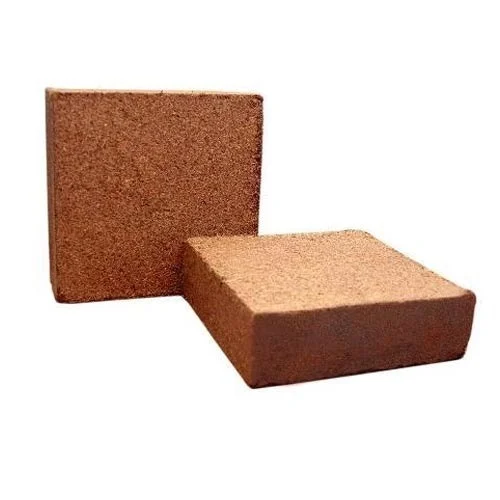
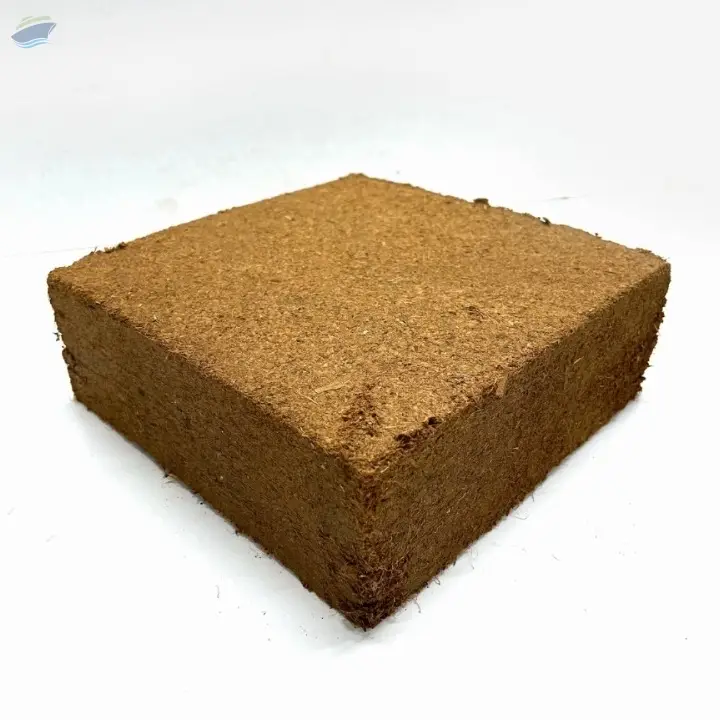
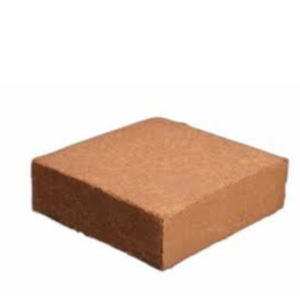
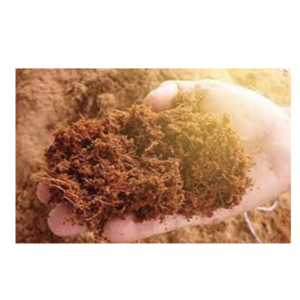
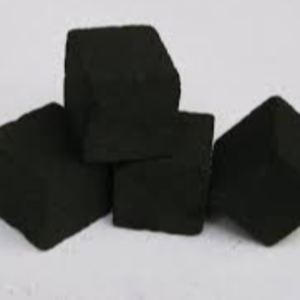
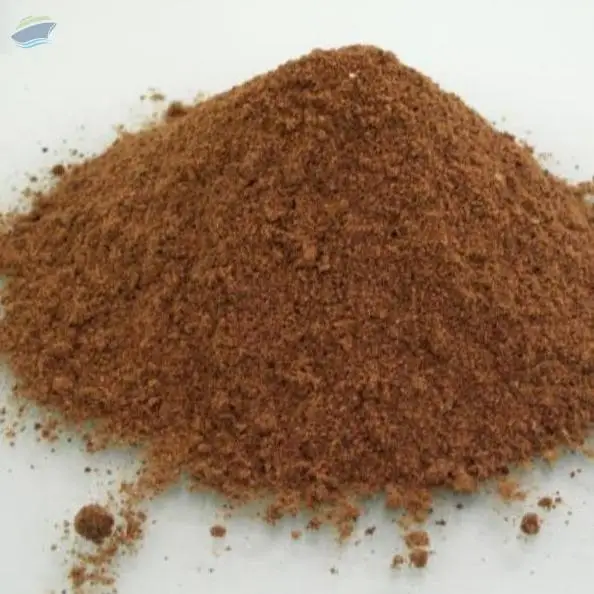
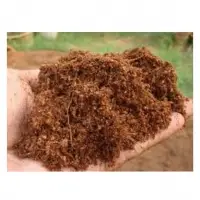
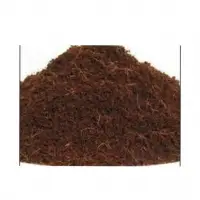
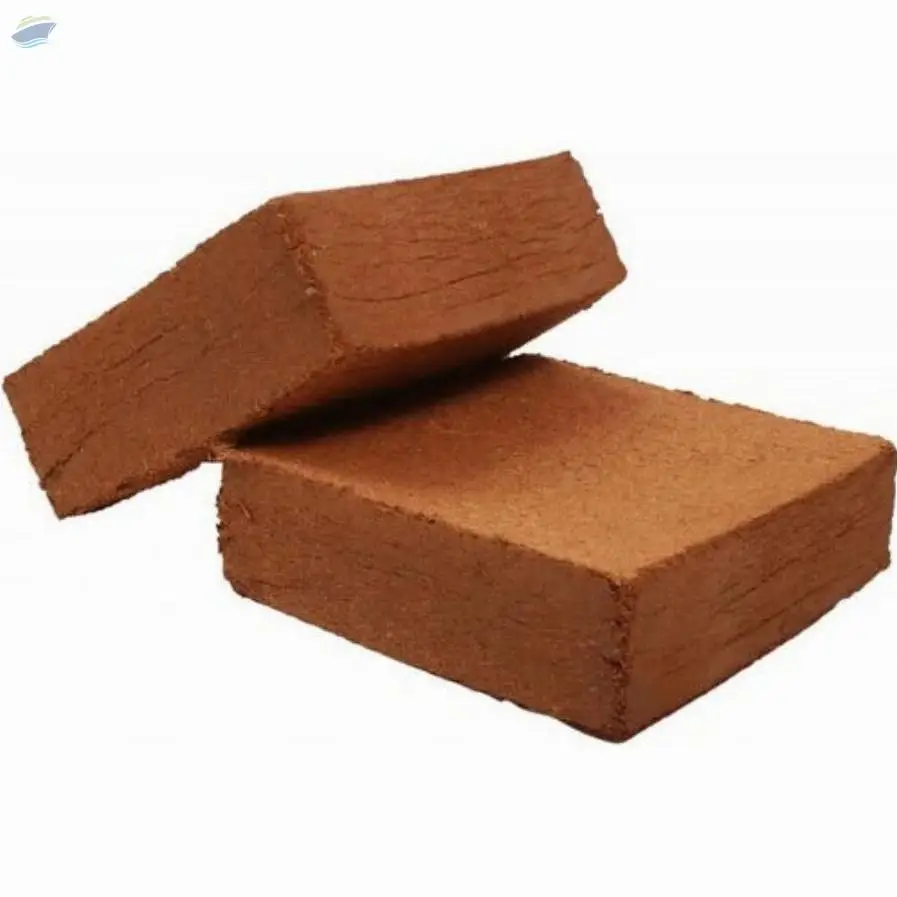
The Amman Impex catalogue offers raw coir pith, two grades of coconut fibre distinguished by colour, and two forms of coconut shell charcoal - bulk and granulated. In the horticultural market, coir pith is used as a substrate amendment and is typically supplied in 25 kg bags or bulk containers, with particle size distribution of 0.5‑5 mm. Coconut white fibre and brown fibre are processed for geotextiles, erosion control mats and textile blends; standard specifications include fibre length 30‑90 mm and tensile strength of 10‑15 MPa. Charcoal from coconut shells is produced for activated carbon and fuel applications, with granules sized 2‑5 mm for ease of handling and uniform combustion.
Industry practice grades coir pith to ICUMSA‑like standards for purity, while coconut shell charcoal is often classified by calorific value (7 000‑7 500 kcal/kg) and moisture below 10 %. Buyers frequently request certifications such as ISO 9001 for quality management, FSC or PEFC for sustainable sourcing of coconut material, and phytosanitary certificates for horticultural products. These standards help assure that the products meet the performance expectations of agricultural, construction and energy sectors.
Trade and Export Information - Amman Impex
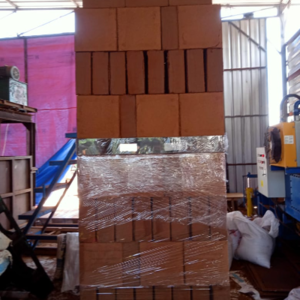
India ranks among the top exporters of coconut‑derived products, with major shipment destinations in the United Arab Emirates, Saudi Arabia, the Netherlands and the United States. Export shipments typically use 20‑ft or 40‑ft containers for fibre and pith, while bulk charcoal may be loaded in open‑top containers or bagged in 1‑ton polypropylene sacks. HS‑code 4403 covers coir pith and fibre, and HS‑code 4401 covers coconut shells and derived charcoal; customs authorities in importing countries often require a phytosanitary certificate for organic substrates and a test report confirming ash and carbon content for charcoal.
Regulatory expectations commonly include a Certificate of Origin, a Material Safety Data Sheet (MSDS) for industrial chemicals, and compliance with the International Plant Protection Convention (IPPC) for plant‑based materials. Incoterms such as FOB or CIF are standard for these commodities, with buyers typically arranging freight forwarders familiar with bulk agricultural cargo. Indian exporters often work with port facilities in Mumbai or Chennai, which provide container handling services aligned with the HS‑code classifications.
Sourcing from Amman Impex - Buyer Guidance
When sourcing from Amman Impex, buyers should request a product data sheet that details moisture content, bulk density for coir pith, fibre length distribution for white and brown coconut fibres, and fixed‑carbon/ash percentages for charcoal. Sample requests are usually fulfilled in 25 kg bags for pith and fibre, and 10 kg bags for charcoal granules, allowing laboratory verification before larger orders. Verify that the supplier can provide a phytosanitary certificate for horticultural items and an ISO 9001 or equivalent quality‑management audit report if required by the buyer’s procurement policy.
Typical minimum order quantities are 1 ton for coir pith and fibre, and 500 kg for charcoal, with lead times ranging from 30 to 45 days after order confirmation and receipt of payment. Buyers should also confirm packaging details - such as double‑wall bags for pith, woven polypropylene bags for fibre, and sealed bulk bags for charcoal - to ensure product integrity during sea transit.
Frequently Asked Questions About Amman Impex
What specifications are available for the Coir pith offered by Amman Impex?
Coir pith is supplied with moisture content between 8 % and 12 %, bulk density of 0.10‑0.15 t/m³, and particle size of 0.5‑5 mm. The product falls under HS code 4403 and is typically packed in 25 kg bags or bulk containers.
Are there different grades of coconut fibre?
Yes, the catalogue lists Coconut white fibre and Coconut brown fibre, both graded by colour, fibre length (30‑90 mm) and tensile strength (10‑15 MPa). Both grades are classified under HS code 4403.
What are the quality parameters for Coconut shell charcoal?
Charcoal is evaluated on fixed carbon content (70‑80 %), ash content (<5 %), moisture (<10 %), and calorific value (7 000‑7 500 kcal/kg). It is covered by HS code 4401 and is offered as bulk charcoal or granules sized 2‑5 mm.
What documentation should a buyer request before purchase?
Buyers should request a product data sheet, a phytosanitary certificate for horticultural items, an ISO 9001 or equivalent quality‑management report, and a Certificate of Origin. For charcoal, a test report confirming carbon and ash levels is standard.
What are the typical packaging options for these products?
Coir pith is usually packed in 25 kg polypropylene bags or bulk containers; coconut fibres are shipped in woven polypropylene bags of 1‑ton capacity; charcoal is supplied in 10 kg bags for granules or bulk 1‑ton sacks for bulk charcoal.
What are common Incoterms used for shipping from India?
Buyers and Amman Impex commonly use FOB (Free on Board) from Mumbai or Chennai ports, or CIF (Cost, Insurance, Freight) when the buyer prefers the supplier to arrange freight and insurance to the destination port.
What are the usual minimum order quantities and lead times?
Minimum order quantities are typically 1 ton for coir pith and coconut fibre, and 500 kg for charcoal. Lead times after order confirmation range from 30 to 45 days, depending on product and shipping schedule.
Which regions most frequently import these coconut‑based products?
Key import markets include the United Arab Emirates, Saudi Arabia, the Netherlands, the United States and several European Union countries, reflecting demand in horticulture, construction and energy sectors.




 , India







.jpg.png)