Aetherea — Supplier
About Aetherea - Bed Linens Supplier in India
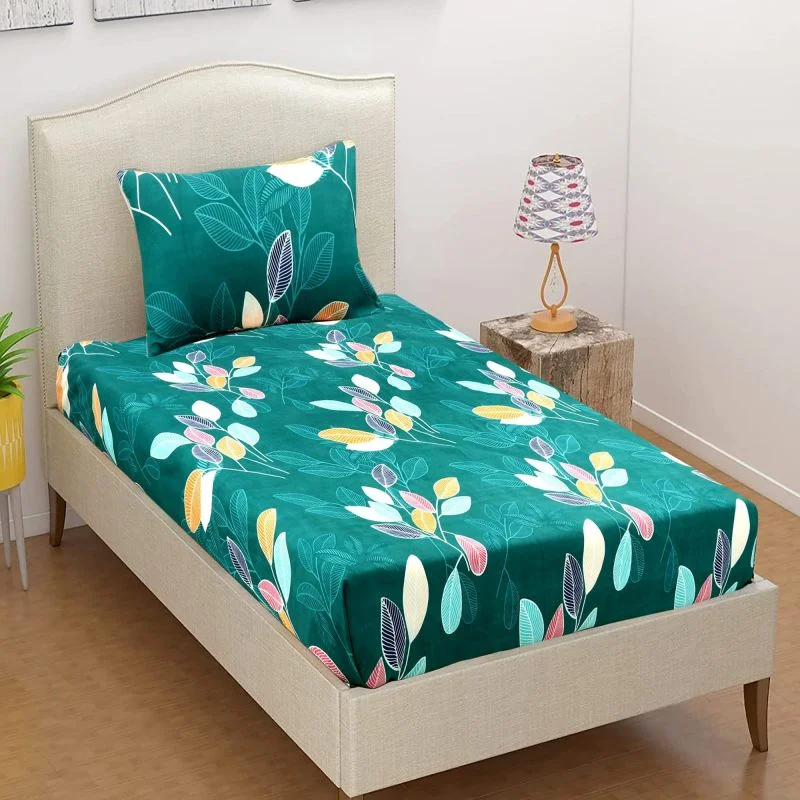
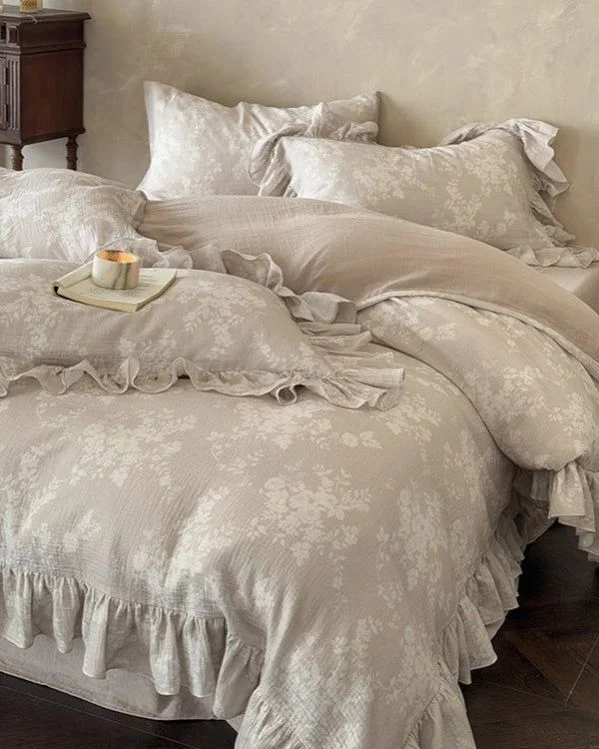
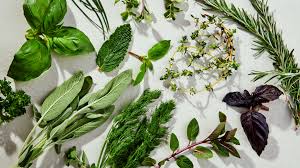
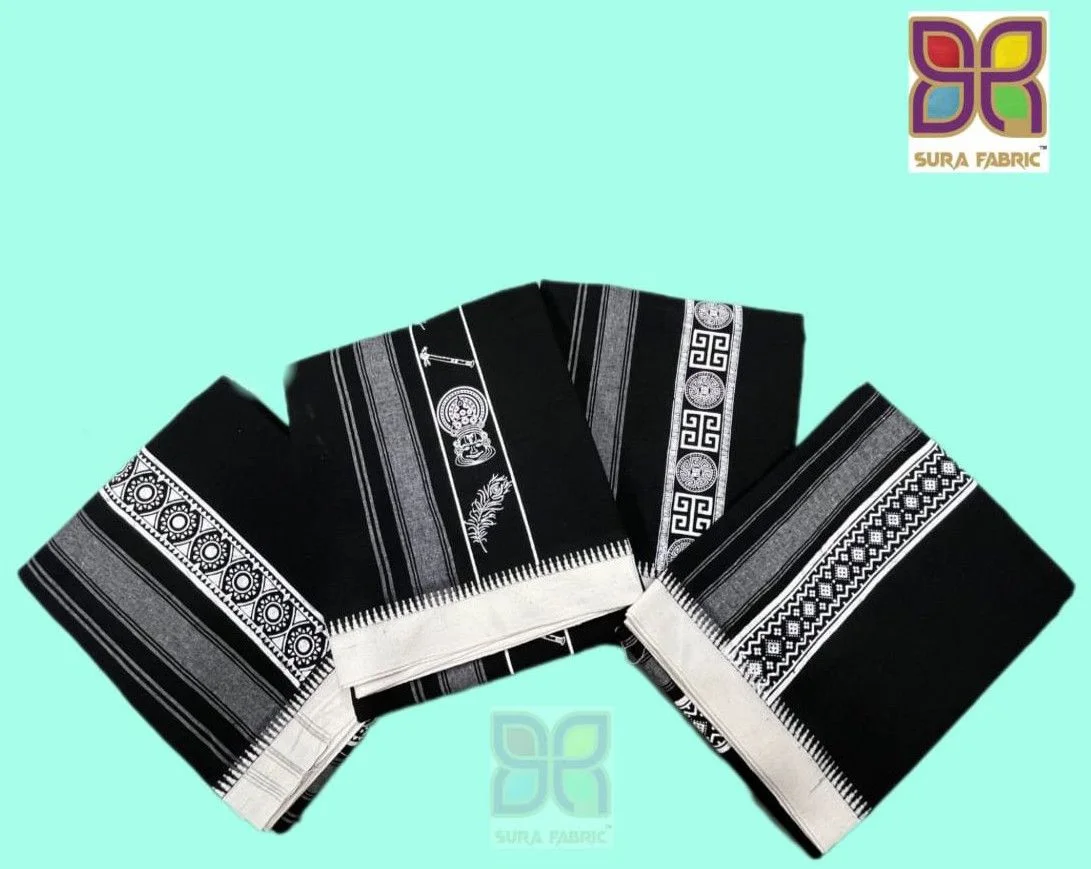
Aetherea is based in India and currently lists eight active products in its catalogue. The catalogue spans three top categories: bed linens and sheets, coffee, and herbs. Within the textile segment, the supplier offers items such as White Elegance Sheet (HS 6302.31, 100 % cotton percale), Beige Bliss Bedding (HS 6302.21, cotton‑cotton‑polyester blend), Lavender Luxury Linens (HS 6302.21, Egyptian long‑staple cotton), Blue Horizon Bed Linens (HS 6302.30, cotton‑cotton‑polyester blend), Baby Pink Serenity (HS 6302.40, printed cotton) and a generic Bedding entry (HS 6302.31, cotton‑polyester blend). The remaining two entries are Coffee Dream (coffee) and Sage Green Oasis (herbs), for which no HS codes are provided in the facts.
The textile items are classified under HS chapter 63, which covers other made‑up textile articles, principally bed linen. The coffee product falls under HS 0901 (coffee, whether or not roasted) and the herb product under HS 1211 (herbs, dried). All listed products specify material composition, indicating cotton or cotton blends for linens and no material detail for coffee and herbs.
Product Range and Specialties of Aetherea
The linen catalogue includes percale weaves, cotton‑polyester blends and Egyptian long‑staple cotton, materials that are standard in the global bed‑linen market. Typical specifications for percale sheets are a thread count of 200‑250 and a fabric weight of 120‑150 g/m², while Egyptian cotton sheets often exceed 300 TC and weigh 150‑180 g/m². Cotton‑polyester blends are usually 60 % cotton / 40 % polyester and meet a minimum GSM of 130. For coffee, Indian exporters commonly trade Arabica and Robusta beans with moisture content between 10 % and 12 % and screen sizes of 12‑16 mm. Dried herbs such as Sage are typically processed to a final moisture level below 12 % and are graded by leaf size and aroma intensity.
Trade and Export Information - Aetherea
India is a major exporter of textile home‑goods, coffee beans and dried herbs. Bed‑linen from India under HS 6302 is regularly shipped to the United States, the European Union, the Middle East and Southeast Asia, often in 40‑ft containers with each bundle packed in poly‑bag and sealed in cardboard cartons. Coffee under HS 0901 is primarily destined for EU markets and North America, usually packed in jute or polypropylene bags of 60 kg. Herbs under HS 1211 are exported to food‑processing hubs in Europe and the Gulf, typically in bulk cartons of 25 kg. Buyers frequently request certifications such as Oeko‑Tex Standard 100 or GOTS for textiles, Fairtrade or USDA Organic for coffee, and ISO 22000 or HACCP compliance for herbs. Indian export shipments commonly use CIF or FOB Incoterms, with standard freight forwarding arrangements for both sea and air cargo.
Sourcing from Aetherea - Buyer Guidance
When sourcing linens from Aetherea, request a detailed product data sheet that includes thread count, GSM, shrinkage test results and any third‑party Oeko‑Tex or GOTS certificates. For coffee, ask for a cupping score, moisture analysis, screen size report and, if required, a Fairtrade or organic certificate. Herb orders should be accompanied by a pesticide‑residue analysis, moisture content report and a declaration of compliance with ISO 22000. Typical minimum order quantities are 500 pieces per linen design, 20 kg per coffee bag and 25 kg per herb carton; lead times reported by Indian exporters range from 30 to 45 days after order confirmation.
Frequently Asked Questions About Aetherea
What HS codes are used for Aetherea’s bed‑linen products?
The bed‑linen items are classified under HS 6302, with sub‑headings 6302.21 for cotton‑cotton‑polyester blends, 6302.30 for mixed blends, 6302.31 for 100 % cotton percale and 6302.40 for printed cotton products.
Which material specifications should I verify for the White Elegance Sheet?
Verify that the sheet is 100 % cotton percale with a thread count of at least 200, a fabric weight of 120‑150 g/m², and request a shrinkage test result after 30 laundry cycles.
What certifications are typically required for Indian‑origin coffee?
Buyers often request Fairtrade, USDA Organic or Rainforest Alliance certificates, as well as a moisture content analysis (10‑12 %) and a cupping score from a recognized laboratory.
How are the herb products from India usually packaged for export?
Dried herbs such as Sage are packed in sealed, food‑grade cartons or bulk bags of 25 kg, with moisture content below 12 % and accompanied by a pesticide‑residue test report.
What are the common MOQ and lead time for the Lavender Luxury Linens?
Typical minimum order quantities are 500 pieces per design, and lead times reported by Indian textile exporters are 30‑45 days from receipt of a confirmed purchase order.
Which test reports should I ask for before accepting a coffee shipment?
Request a moisture analysis, screen‑size distribution, cupping score, and any relevant organic or Fairtrade certification documents before acceptance.
Are there any standard packaging requirements for the Bed‑linen items?
Bed‑linen is usually packed in individual poly‑bags, then grouped in cardboard cartons sized for 40‑ft container loading; cartons are often labeled with HS code, material composition and country of origin.
What documentation confirms compliance with food safety for the herbs?
A supplier should provide an ISO 22000 or HACCP compliance certificate, a recent pesticide‑residue analysis, and a moisture content test report for each herb batch.




 , India