Agriculture›
 Apparel and fashion accessories›
 Construction & real estate›💡Electronic & Electrical›🍎Food & Beverages›🛋️Home furnishing & supplies›⚗️Industrial goods & chemical›🪨Minerals & metals›📦Miscellaneous›Agriculture›Apparel and fashion accessories›Construction & real estate›💡Electronic & Electrical›🍎Food & Beverages›🛋️Home furnishing & supplies›⚗️Industrial goods & chemical›🪨Minerals & metals›📦Miscellaneous›
Ace Biotechnology Co., Ltd.
⚓ Harbor , ChinaNew supplier / no reviews yet
Ace Biotechnology Co., Ltd. Product Catalog
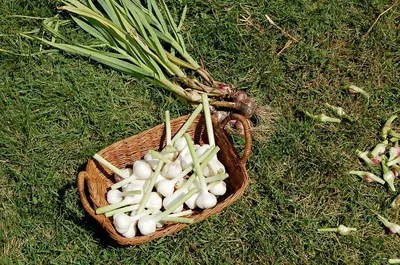
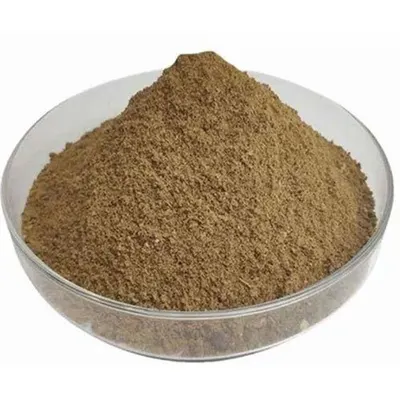
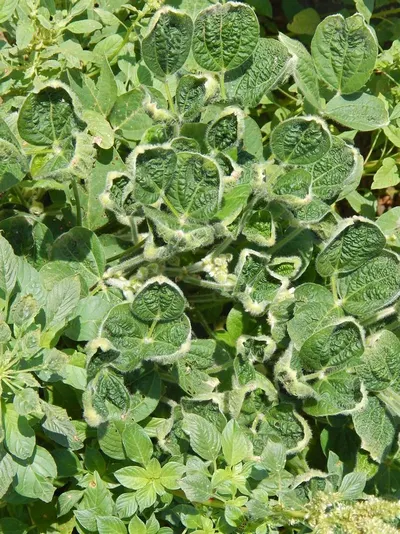
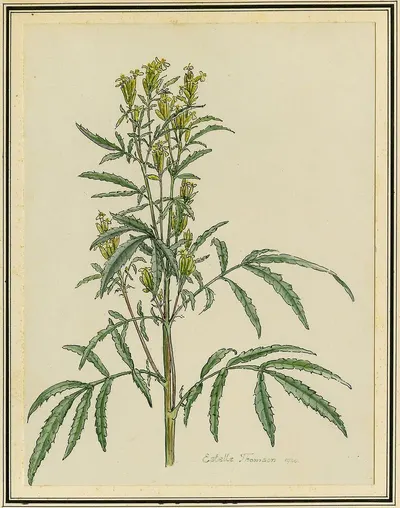
About Ace Biotechnology Co., Ltd. - Plants & Plant Extracts Supplier in China
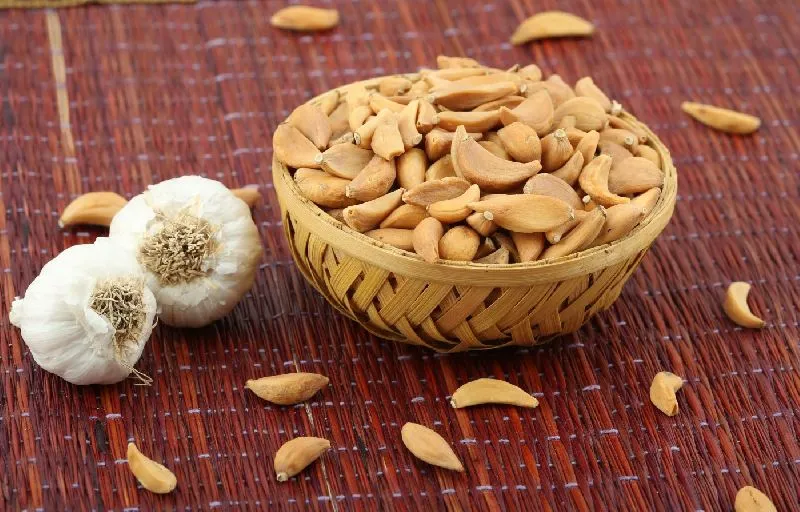
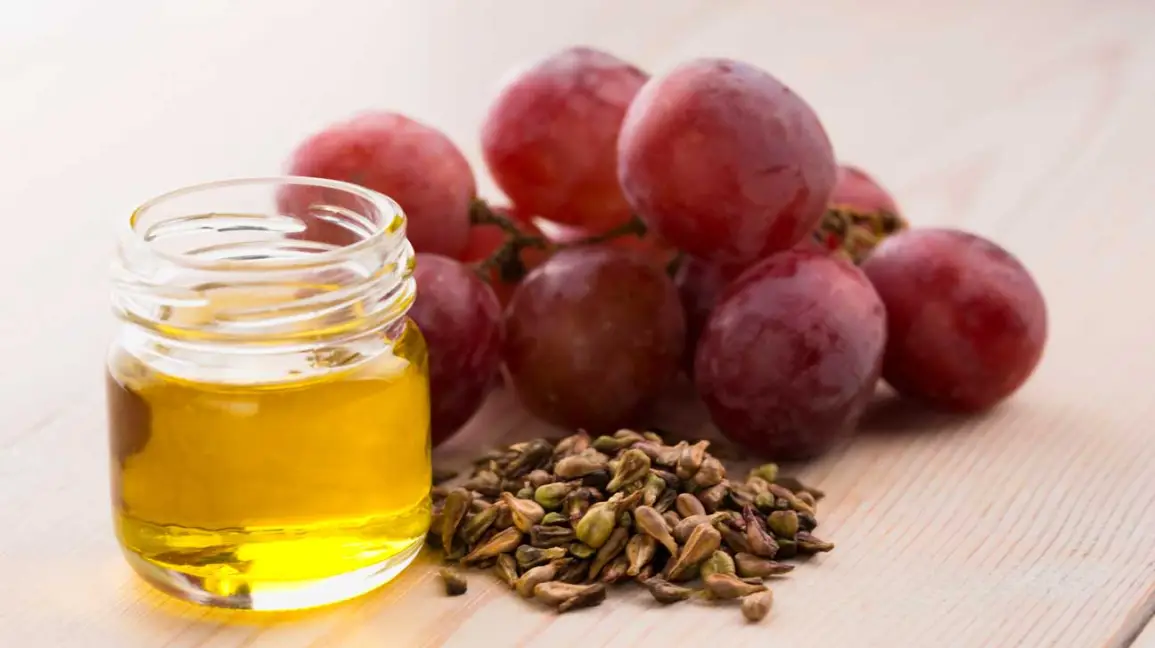
Ace Biotechnology Co., Ltd. is based in China and currently lists 13 active products. The catalogue focuses on botanical extracts and vegetable powders, covering items such as Gotu Kola Extract, Maca Powder/Extract, Tribulus Terrestris Extract, Organic Spinach Powder, Rhubarb Extract, Dong Quai Extract, Echinacea Extract, Epimedium Cut/Extract, Eucommia Leaf Extract, Grape Seed Extract, Green Tea Extract, Garlic Extract and Fenugreek Extract. Each entry falls under the broader categories of Plants & Plant Extracts, Herbal Extracts, Vegetable Powder, Grapes, Tea Extracts, Fresh Garlic and Fenugreek Seeds as indicated in the supplied data. The product set reflects typical Chinese export lines for botanical raw materials, which are classified under HS chapters for vegetable preparations (e.g., 1302) and for extracts and concentrates (e.g., 2905).
The supplier’s portfolio includes both liquid extracts and dried powders, a common split in the global nutraceutical supply chain. Extracts are often produced by ethanol or water based methods and are standardized to active marker compounds, while powders are dried and milled to meet moisture limits of 8‑10 %. Buyers usually encounter these goods in bulk packaging such as 25 kg drums or 50 kg multi‑layer bags, ready for loading in 20 ft or 40 ft containers. The catalogue’s composition aligns with typical HS‑code families used for trade filings, ensuring that customs declarations can be matched to the product type without additional speculation.
Product Range and Specialties of Ace Biotechnology Co., Ltd.
Ace Biotechnology’s catalogue lists thirteen distinct botanical products, ranging from leaf extracts (e.g., Gotu Kola, Dong Quai, Eucommia) to root and seed extracts (e.g., Tribulus Terrestris, Fenugreek) and to whole‑plant powders (e.g., Organic Spinach, Maca). In the herbal extract market, standardization levels such as 10 % titrated flavonoids for Grape Seed Extract or 5 % EGCG for Green Tea Extract are common quality benchmarks. Vegetable powders are typically specified by particle size (often 80‑120 µm) and moisture content below 10 %, parameters that influence solubility and shelf life. Industry practice also includes heavy‑metal limits (e.g., <10 ppm lead) and microbial criteria (e.g., total plate count <10⁴ CFU/g). These specifications are widely referenced in import contracts for Chinese botanical supplies.
Frequently Asked Questions About Ace Biotechnology Co., Ltd.
What types of botanical products does Ace Biotechnology list in its catalogue?
The catalogue includes thirteen items such as Gotu Kola Extract, Maca Powder/Extract, Tribulus Terrestris Extract, Organic Spinach Powder, Rhubarb Extract, Dong Quai Extract, Echinacea Extract, Epimedium Cut/Extract, Eucommia Leaf Extract, Grape Seed Extract, Green Tea Extract, Garlic Extract and Fenugreek Extract.
Which HS code chapters are typically used for the products offered by this supplier?
Botanical powders are generally classified under HS chapter 1302 (vegetable preparations), while liquid or concentrated extracts fall under HS chapter 2905 (organic chemicals).
What quality specifications are common for the extracts in this range?
Extracts are often standardized to a specific percentage of active markers (e.g., 10 % flavonoids for grape seed, 5 % EGCG for green tea), with heavy‑metal limits below 10 ppm and microbial limits such as total plate count under 10⁴ CFU/g.
What packaging formats are typical for the powders and extracts from this supplier?
Powders are usually packed in 25 kg or 50 kg multi‑layer bags, while extracts are shipped in 25 kg drums or IBC containers, all designed for moisture protection and compatible with 20 ft or 40 ft container loading.
Which certifications should a buyer request from Ace Biotechnology before placing an order?
Buyers should request the latest GMP audit report, ISO 9001 certification, and a Certificate of Analysis for each product, as these are standard requirements for botanical imports.
ChinaRelated Suppliers & Products
Explore similar suppliers, related products and trending categories