A .T. Com & Service — Supplier
About A .T. Com & Service - Multi-Category Supplier in Thailand
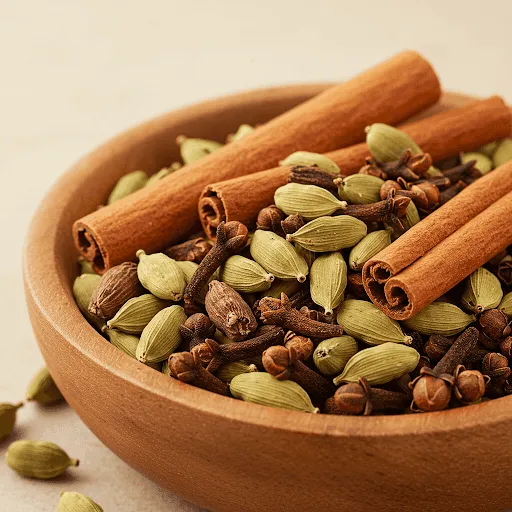
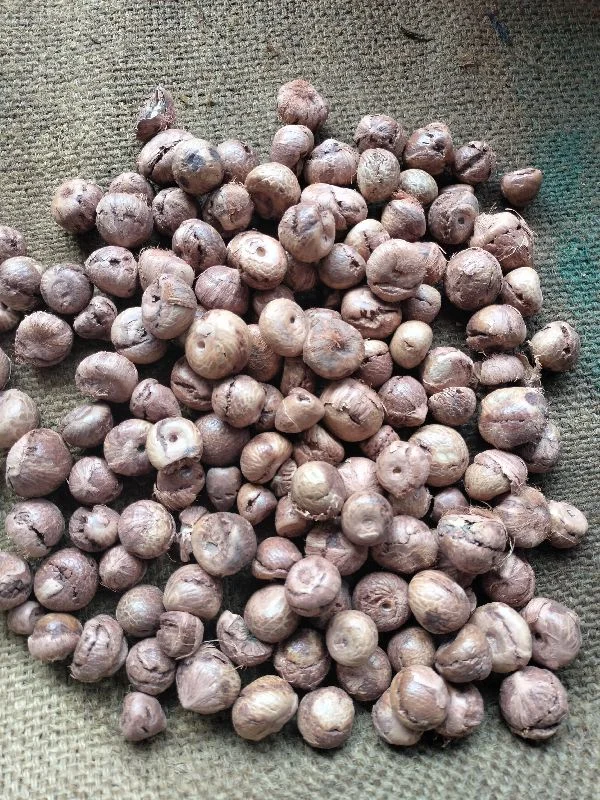
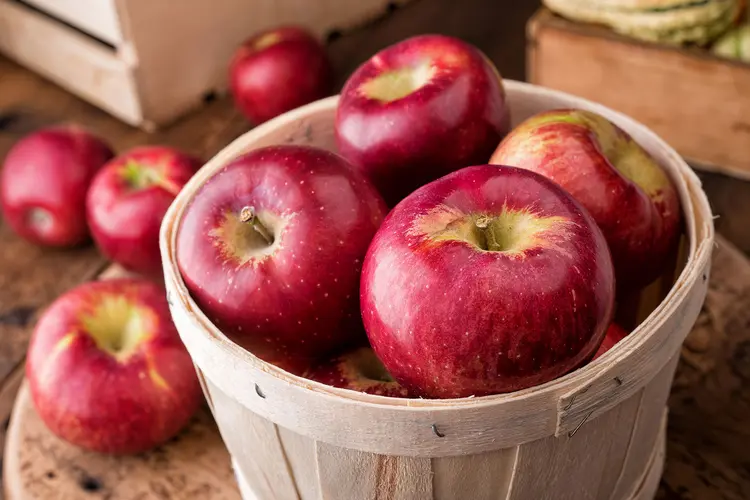
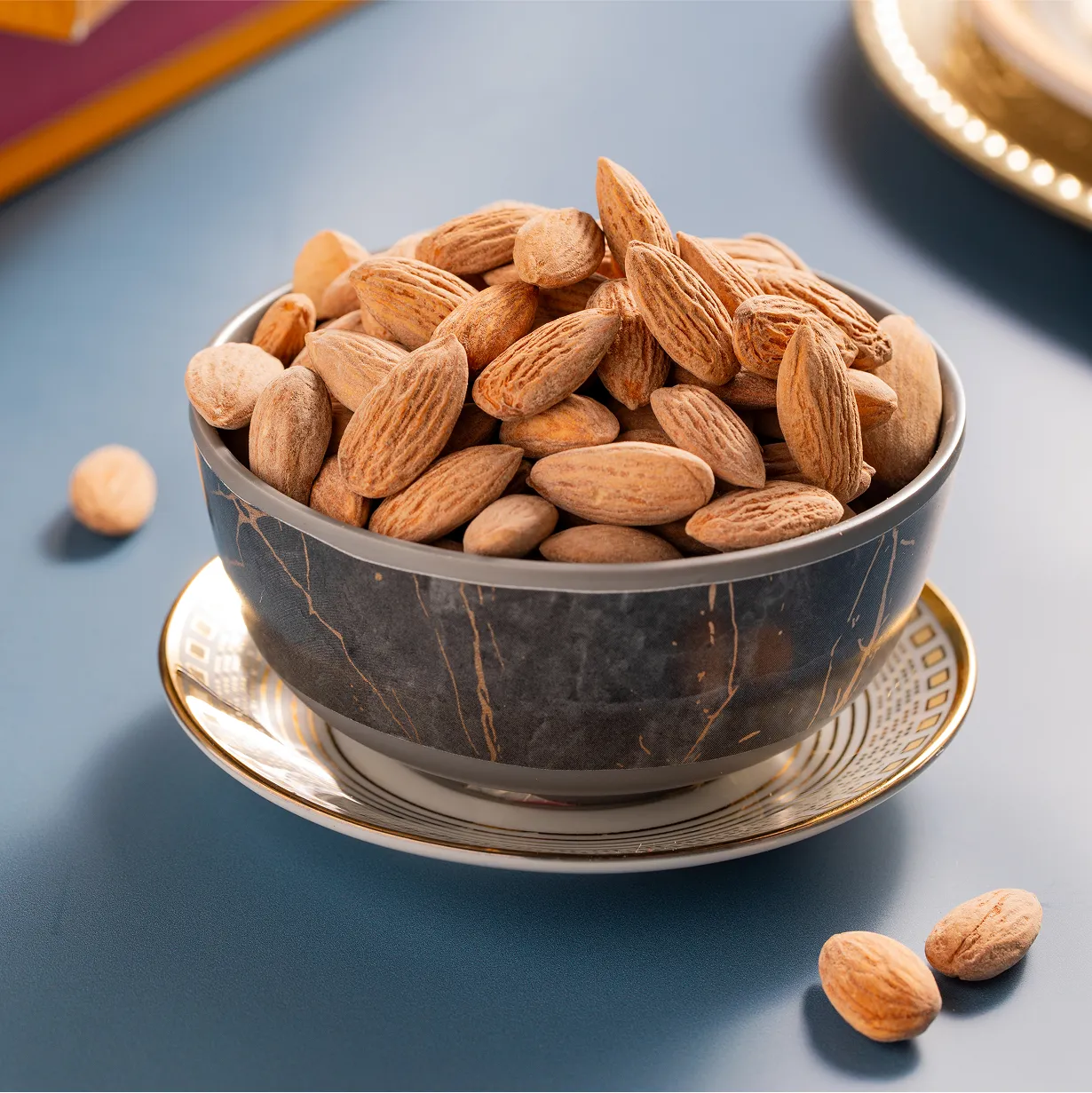
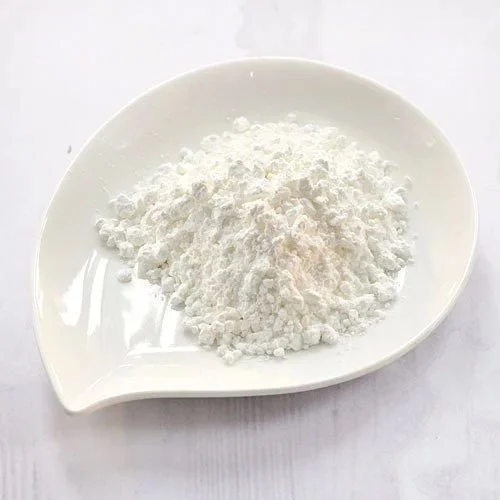
Based in Thailand, A .T. Com & Service lists 45 active products spanning eight top categories: printing paper, dehydrated ginger, flour, rice, sugar, pepper, starch and seafood. The catalogue includes refined sugar (ICUMSA 45, 100 and 150), wheat grain, black pepper, corn starch, several copy‑paper formats, macadamia, cashew, walnut and almond nuts, fresh banana (HS 0803.90, Cavendish variety), Arabica and Robusta coffee beans, refined sunflower, corn and soybean oils, jasmine rice, white pepper, cloves, cardamom (HS 0908.30, whole black pods), cacao beans, refined palm olein and a range of other commodities.
The product list also records specific HS codes for three items: fresh banana (0803.90), whole black cardamom pods (0908.30) and sweet almonds (0802.12). Paper offerings cover letter‑size, A4, legal and the proprietary "Paperone" copy papers. Oil products are presented as refined vegetable oils suitable for food processing. The supplier’s portfolio therefore combines staple food commodities, specialty nuts and spices, and industrial paper products, reflecting Thailand’s diverse export base.
Product Range and Specialties of A .T. Com & Service
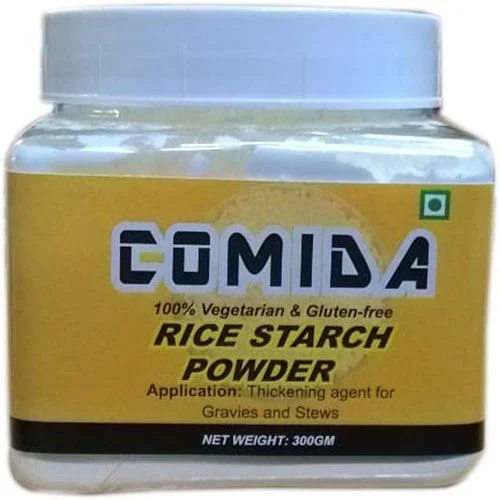
A .T. Com & Service’s catalogue includes standard grades that buyers commonly encounter in international trade. Refined sugar is offered in ICUMSA 45 (extra white), 100 and 150 grades, which correspond to moisture < 0.04 % and ash < 0.05 %. The black pepper and white pepper listings align with typical Vietnamese and Indian grades, where moisture is limited to 12 % and oil content to 2 %. Corn starch is usually supplied at 99 % purity with a moisture content below 12 %. Paper products in the A4 and legal sizes are generally 80 - 90 gsm, ISO 216 compliant, with brightness above 90 % ISO. Nuts such as almonds, cashews and macadamia are traded as raw kernels, often meeting a minimum size of 8 mm and moisture under 5 %. Fresh banana (HS 0803.90) is exported in refrigerated containers with a shelf life of 2 - 3 weeks, while cardamom (HS 0908.30) is graded AAA for pod size and essential oil content.
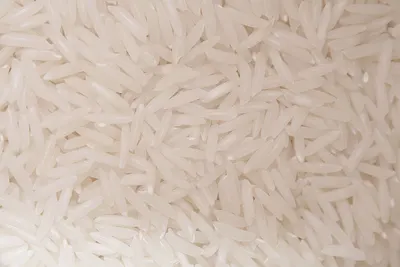
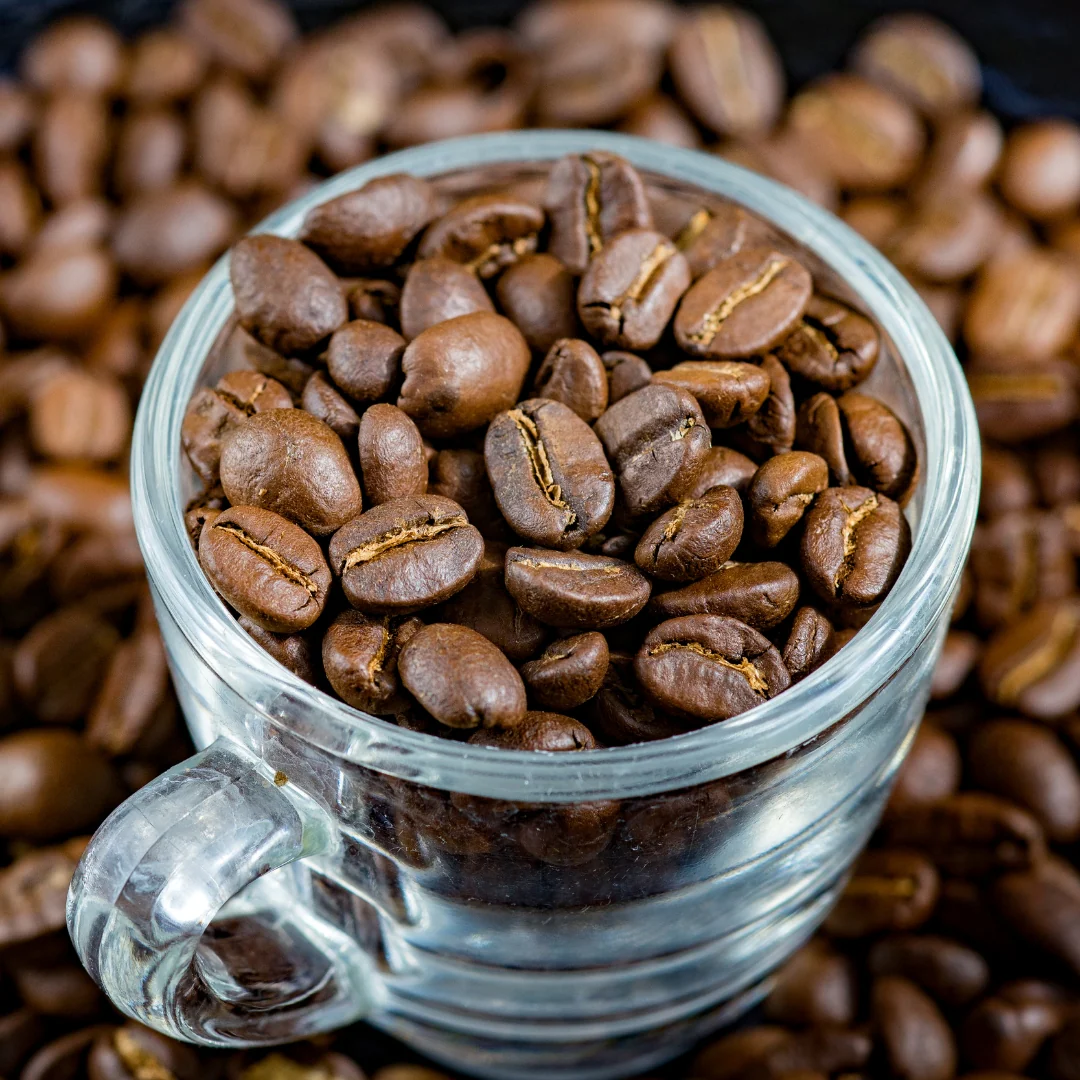
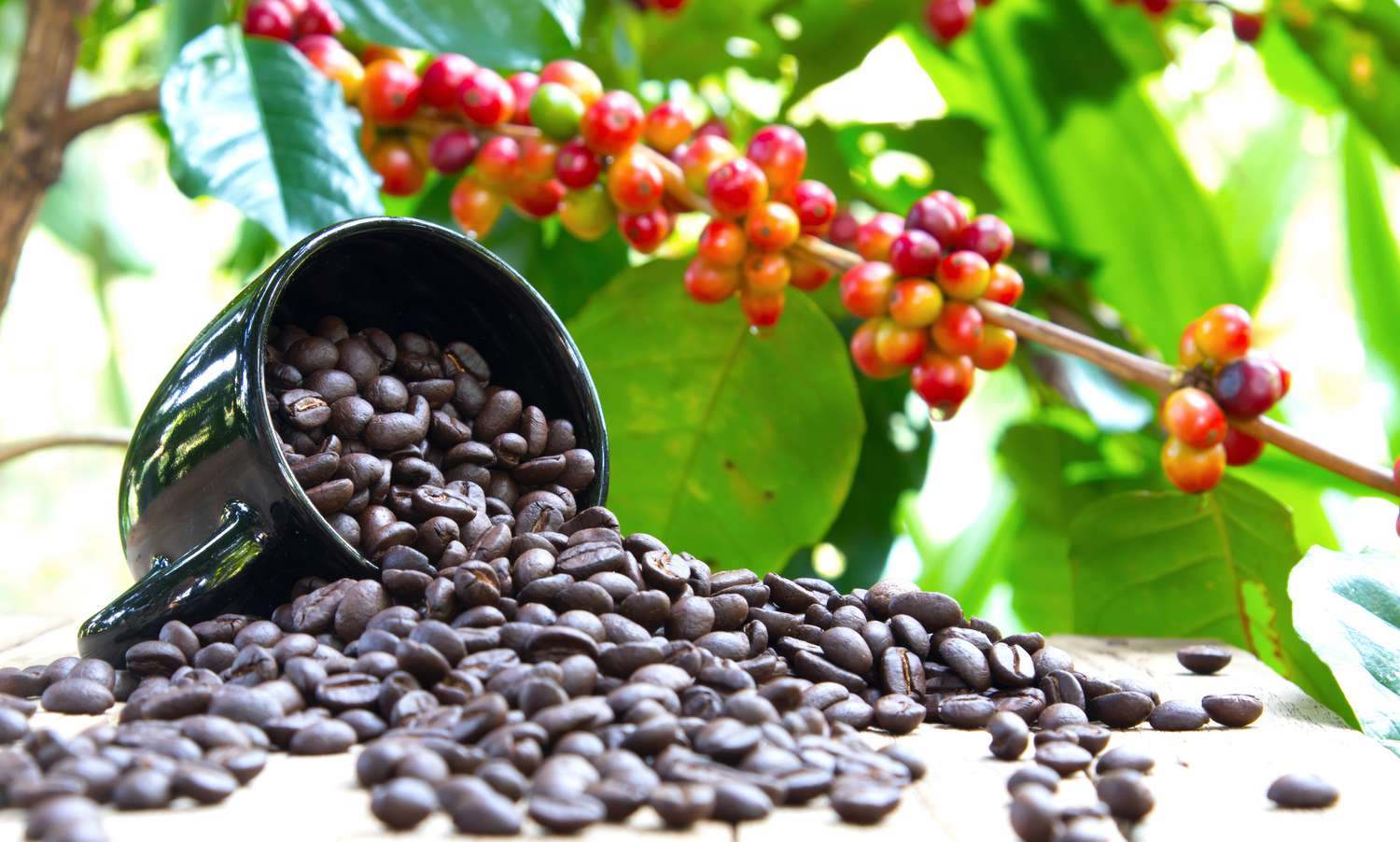
Typical industry specifications for the refined oils (sunflower, corn, soybean, palm olein) include free fatty acid (FFA) levels below 0.2 % and peroxide values under 10 meq O₂/kg. Coffee beans are classified by cup score; Arabica often targets a score of 80 + and Robusta around 70 + on the SCA scale. Jasmine rice is usually graded as Thai Hom Mali 1, with grain length 6.5‑7.0 mm and aroma index above 80 %. These benchmarks help buyers align the supplier’s offerings with market expectations.
Trade and Export Information - A .T. Com & Service
Thailand is a major exporter of agricultural commodities and paper products, with the EU, United States, Middle East and Southeast Asian markets accounting for the bulk of demand. HS chapter 08 (fresh fruit) and chapter 09 (spices) are the primary tariff lines for items such as fresh banana (0803.90) and cardamom (0908.30). Paper products fall under HS 48 and 48.01, while refined sugar, oils and starch are classified in chapters 17, 15 and 13 respectively. Buyers typically request certificates of origin, phytosanitary certificates for fresh produce, and commodity‑specific quality reports such as sugar analysis (ICUMSA) or oil FFA tests.
Export logistics from Thailand often use 20‑ft and 40‑ft refrigerated containers for perishable goods, and standard dry containers for nuts, spices, paper and oils. Common Incoterms include FOB Bangkok Port and CIF destination ports. While the supplier’s facts do not list specific certifications, Thai exporters of food and paper frequently hold ISO 9001, HACCP, GMP and, where applicable, organic or fair‑trade certifications. Import regulators in the EU and US frequently require compliance with the Codex Alimentarius standards for sugar, oils and spices, and with the FSC or PEFC for paper sustainability.
Sourcing from A .T. Com & Service - Buyer Guidance
When sourcing from A .T. Com & Service, buyers should request a recent Certificate of Analysis (CoA) for each food commodity, covering moisture, ash, FFA (for oils) and pesticide residue limits. For paper, a specification sheet stating grammage, brightness, opacity and ISO 216 dimensions is standard. Samples of nuts, spices and coffee are typically provided in 500 g to 1 kg quantities, allowing buyers to verify size, aroma and moisture content before placing larger orders.
Buyers are advised to verify the presence of any required certifications - ISO 9001, HACCP, GMP or organic - through documented audit reports. For fresh banana and other perishable items, confirm the phytosanitary certificate and the temperature control plan for the shipping container. Minimum order quantities (MOQ) vary by product: paper is often sold in pallets (≈1 000 sheets), nuts and spices in 20‑ft containers (≈10‑12 tons), while refined oils are typically ordered in 20‑ft drums (≈10 tons) or bulk tankers. Lead times generally range from 25 days for dry goods to 45 days for refrigerated fruit shipments.
Frequently Asked Questions About A .T. Com & Service
What types of sugar grades does A .T. Com & Service offer?
The supplier lists ICUMSA 45, ICUMSA 100 and ICUMSA 150 refined sugar. These grades correspond to extra‑white, standard and bulk quality, with moisture below 0.04 % and ash under 0.05 %.
Are certifications such as ISO 9001 or HACCP available for the food products?
The facts do not specify any certifications held. Buyers should request copies of ISO 9001, HACCP or GMP certificates directly from the supplier before confirming orders.
What is the HS code for the fresh banana product?
Fresh banana is classified under HS 0803.90, covering fresh fruit of the Cavendish variety. The code is used for customs clearance and tariff assessment.
What are typical packaging formats for the nuts and spices?
Nuts such as almonds, cashews and macadamia are usually packed in food‑grade polypropylene bags (10 kg or 25 kg). Cardamom and other whole spices are commonly shipped in jute or woven bags of 25 kg, complying with HS 0908.30 requirements.
What minimum order quantities apply to the refined vegetable oils?
Refined sunflower, corn, soybean and palm olein oils are generally ordered in 20‑ft drums (≈10 tons) or bulk tankers. The supplier’s catalogue does not state a fixed MOQ, so buyers should confirm the smallest feasible shipment size during negotiations.
Which documents are needed for importing the paper products?
Importers should obtain a product specification sheet (grammage, brightness, ISO size) and a Certificate of Origin. Depending on the destination, a FSC or PEFC sustainability statement may also be required.
How are the coffee beans classified for quality?
The catalogue mentions Arabica and Robusta beans. In trade, Arabica is typically graded by cup score (80 + on the SCA scale) and size (screen 18‑20), while Robusta is evaluated for moisture (<12 %) and bean uniformity.
What is the lead time for fresh produce such as ginger or banana?
Fresh ginger and banana generally require refrigerated handling and have lead times of 30‑45 days from order confirmation to shipment, allowing time for quality inspection and phytosanitary certification.




 , Thailand