A.K. Enterprises — Supplier
About A.K. Enterprises - Mixed Apparel and Sugar Supplier in India
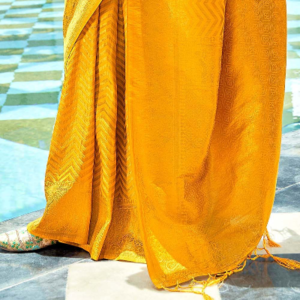
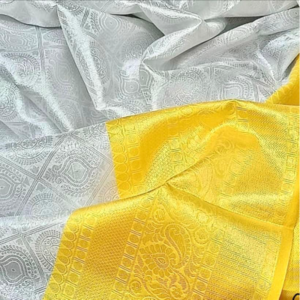
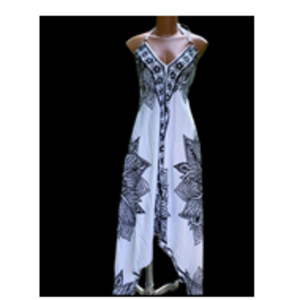
A.K. Enterprises is based in India and currently lists eight active products across apparel, home textiles, footwear and sugar. The catalogue includes Indian ladies salwar suits, bath rugs, formal leather shoes, bath mats, sarees, kurtis and two sugar entries - one specified as ICUMSA 45 and a generic sugar offering. These products fall under HS code families such as 6204 for ready‑made garments, 6302 for household textile articles, 6403 for leather footwear and 1701 for sugar. The supplier is classified as an imported tier with a harbor trust rating.
The listed product set covers traditional Indian women's wear (salwar suits, sarees, kurtis), textile home accessories (bath rugs and mats) and a footwear line (formal leather shoes). In the sugar segment, the ICUMSA 45 specification indicates refined white sugar meeting the International Commission for Uniform Methods of Sugar Analysis standard. No additional certifications are recorded for the supplier, so buyers typically verify compliance through independent test reports and standard industry certificates.
Product Range and Specialties of A.K. Enterprises
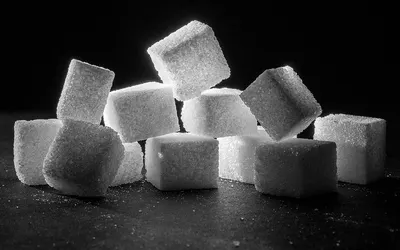
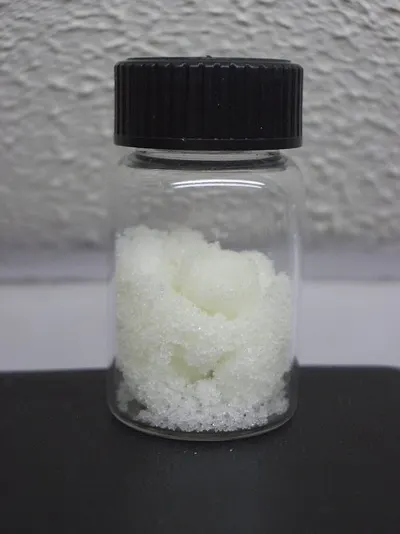
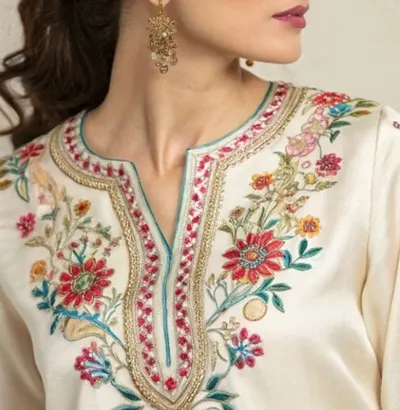
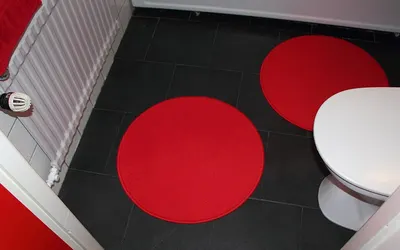
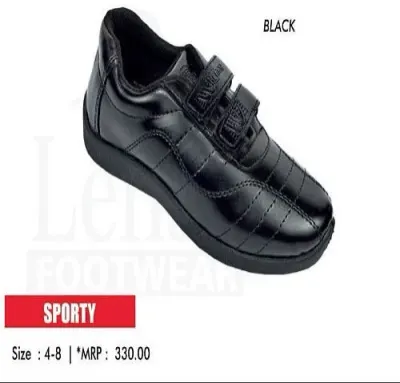
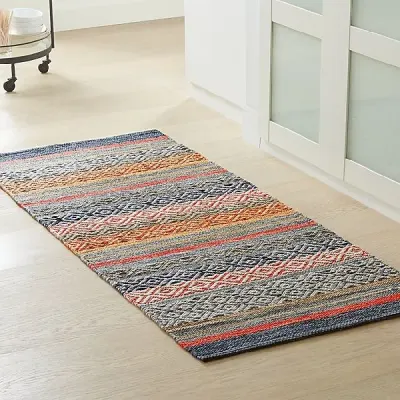
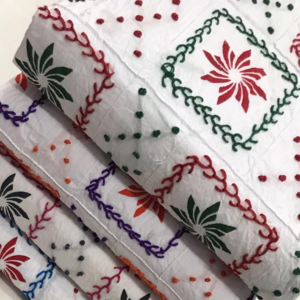
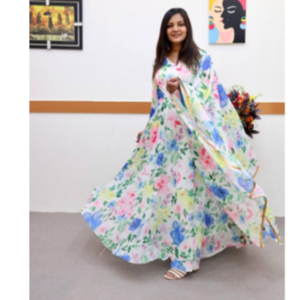
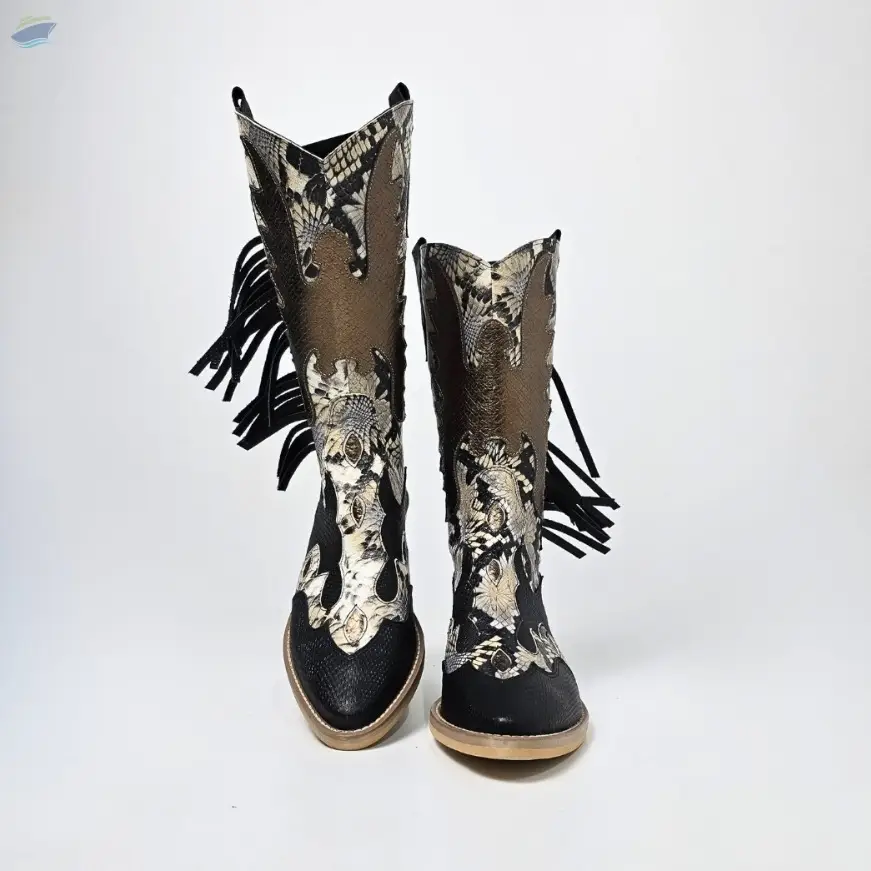
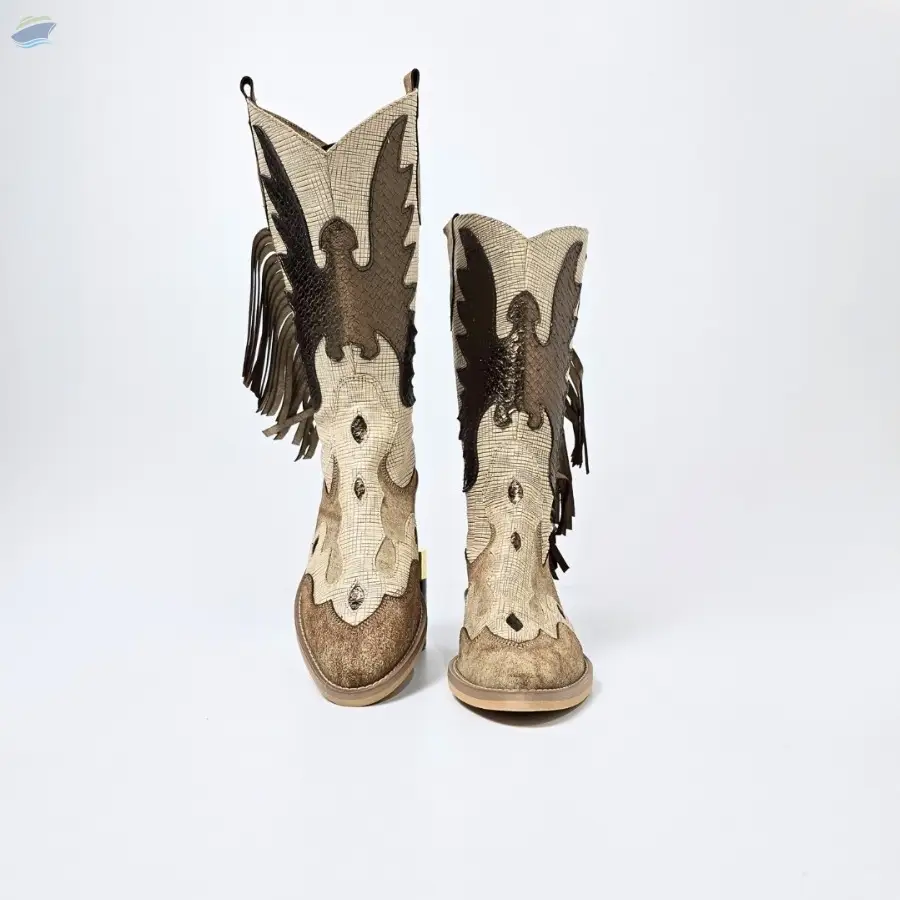
The catalogue shows a focus on Indian women’s apparel: salwar suits and sarees are commonly produced in cotton, silk or blended fabrics with GSM values ranging from 150 to 250 for lightweight styles to 300+ for heavier silk. Kurtis follow similar fabric choices and are sized according to Indian sizing charts (e.g., XS‑XXL). Bath rugs and mats are usually made from cotton, polyester or non‑woven polypropylene, with typical dimensions of 50 × 70 cm for mats and 40 × 60 cm for rugs, and a weight of 300‑500 g/m². Formal leather shoes are typically leather‑upper, leather‑sole constructions, sized in standard EU/US measurements. The sugar entry labelled ICUMSA 45 conforms to the refined white sugar grade with moisture ≤0.04 % and ash ≤0.03 %.
Trade and Export Information - A.K. Enterprises
India exports textiles and sugar to regions including the United States, the European Union, the Middle East and Southeast Asia. Textile garments under HS 6204 are usually shipped in 40 ft containers, packed in cardboard boxes with poly‑bag liners to protect against moisture. Home textile items under HS 6302 are commonly packed in bulk rolls or folded packs, also in 20 ft or 40 ft containers. Sugar under HS 1701 is exported in bulk bags (typically 1 ton per bag) or in 25 kg retail packs, often subject to phytosanitary inspection and a certificate of analysis. Buyers frequently request ISO 9001 quality management documentation or Oeko‑Tex Standard 100 for textile products, while sugar imports may require an ICUMSA analysis certificate and compliance with local food safety regulations.
Sourcing from A.K. Enterprises - Buyer Guidance
When sourcing from A.K. Enterprises, buyers should request product samples for the apparel and home‑textile items to verify fabric composition, colorfastness and dimensional stability. For the leather shoes, a size chart and a leather quality report are advisable. In the sugar segment, ask for the latest ICUMSA analysis report, moisture content data and a phytosanitary certificate. Confirm that any required certifications (e.g., Oeko‑Tex, ISO 9001, food safety certificates) are provided before finalizing orders. Verify packaging details - such as poly‑bag sealing for textiles and bulk‑bag specifications for sugar - to ensure they meet the destination country’s import regulations.
Frequently Asked Questions About A.K. Enterprises
What HS codes apply to the products listed by A.K. Enterprises?
The apparel items (salwar suits, sarees, kurtis) fall under HS 6204, bath rugs and mats under HS 6302, formal leather shoes under HS 6403 and sugar (including ICUMSA 45) under HS 1701.
Are there minimum order quantities for the textile products?
Typical minimum orders for Indian garments are 500 pieces per style, while home‑textile items like bath rugs or mats are often ordered in cartons of 100 units. Exact MOQs should be confirmed with the supplier.
What certifications should I request for the sugar products?
Buyers usually request an ICUMSA analysis certificate, a phytosanitary certificate and any applicable food safety certifications such as ISO 22000 or local regulatory approvals.
How are the bath rugs and mats packaged for export?
They are commonly packed flat in polypropylene poly‑bags, then stacked in cardboard boxes or wooden crates suitable for 20 ft or 40 ft container loading.
Can I obtain fabric composition test reports for the Indian ladies salwar suits?
Yes, request a lab‑tested fabric composition report (e.g., cotton %/silk % or polyester blend) and a colorfastness test result before placing a bulk order.
What is the typical lead time for a shipment of sarees from India?
Lead times generally range from 30 to 45 days after order confirmation, depending on the volume, fabric availability and any required quality inspections.
Do the formal leather shoes meet any specific leather quality standards?
Buyers should ask for a leather grade report (e.g., full‑grain or top‑grain) and a durability test such as tensile strength in MPa to confirm compliance with footwear standards.
What documentation is needed for customs clearance of the exported goods?
Standard documents include the commercial invoice, packing list, bill of lading, certificate of origin, and for sugar, a phytosanitary certificate and analysis report. Additional certificates may be required by the importing country.




 , India