3M Food Product — Supplier
About 3M Food Product - Spices Supplier in Thailand
Thailand is the source country for 3M Food Product, which currently lists five active items in its online catalogue. The supplier is classified under the imported tier with a harbor trust tier, indicating a standard level of verification. Although the top category is recorded as Spices, the catalogue focuses on confectionery products derived from tamarind and plum. The listed items are Taffy tamarind, Spicy tamarind, Mini plum ball candy, Chewy tamarind plum, and Chewy tamarind. These products fall within the broader food‑confectionery segment that is commonly exported from Thailand.
Each product is presented without detailed HS codes, but they are typically grouped under the HS chapter for sugar confectionery (chapter 17) in international trade filings. The five items together represent the full range offered by the supplier at this time, with no additional sub‑categories noted. The catalogue does not specify packaging dimensions, but standard practice for similar Thai candy exports includes bulk packaging in food‑grade polybags or cartons. Buyers can expect the products to comply with Thailand’s food safety regulations, though specific certifications are not listed in the public facts. Export shipments are usually arranged on 20‑foot or 40‑foot containers depending on order volume.
Product Range and Specialties of 3M Food Product
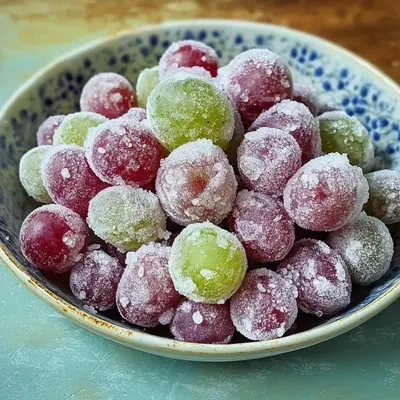
The catalogue of 3M Food Product contains five tamarind‑based confectionery items: Taffy tamarind, Spicy tamarind, Mini plum ball candy, Chewy tamarind plum and Chewy tamarind. These products are sweet or mildly spicy treats that use tamarind pulp or plum as the primary flavor base. The items are presented as ready‑to‑eat candies without further sub‑division such as size or packaging type. No additional spice blends or bulk raw spice materials are listed.
In the confectionery sector, tamarind candies are commonly produced with a moisture content below 15 % and a sugar concentration of 50‑70 % to ensure shelf stability. Typical quality parameters include pH between 3.0 and 4.0, microbial limits of <10 CFU/g for total plate count, and absence of prohibited pesticides. Buyers often request specifications such as candy weight (e.g., 5 g per piece for mini balls) and packaging material compliance with food‑contact regulations (e.g., FDA‑approved polyethylene). Standard grades for tamarind candy may be classified as “regular” or “premium” based on sugar content and flavor intensity, and bulk shipments are usually packed in 20 kg or 25 kg cartons for export.
Trade and Export Information - 3M Food Product
Thai confectionery exporters typically ship to markets in the United States, European Union, Middle East, and neighboring ASEAN countries. The HS chapter 17 classification is monitored by customs authorities, and importers often need to provide a certificate of origin and a health certificate issued by the Thai FDA. Commonly required certifications for food products from Thailand include ISO 22000, HACCP, and GFSI‑recognized schemes such as SQF or BRC, which buyers should verify before finalizing contracts.
Logistics for candy exports from Thailand generally use containerised sea freight, with standard 20‑foot containers holding approximately 1 000 kg of bulk confectionery and 40‑foot containers up to 2 000 kg. Packaging must meet food‑safety standards, employing food‑grade liners and palletized cartons to prevent moisture ingress. Incoterms such as FOB Bangkok Port or CIF destination are frequently used, and buyers should be aware of any additional phytosanitary or food‑safety inspections required by the destination country.
Sourcing from 3M Food Product - Buyer Guidance
When sourcing from 3M Food Product, buyers should request a detailed product specification sheet that includes moisture level, sugar content, pH, and any allergen declarations. Sample requests should specify the intended packaging size (e.g., 5 g mini balls or 20 g chewable pieces) and may be sent as a small‑scale shipment under DAP terms for quality verification.
In addition to the specification sheet, buyers are advised to obtain a recent HACCP or ISO 22000 audit report, a health certificate from the Thai FDA, and a certificate of analysis for each batch covering microbial limits and pesticide residues. Verification of these documents helps ensure compliance with major import regulations in the EU and US, and clarifies whether the product meets the buyer’s required shelf‑life and storage conditions.
Frequently Asked Questions About 3M Food Product
What confectionery products does 3M Food Product list?
The supplier lists five tamarind‑based candy items - Taffy tamarind, Spicy tamarind, Mini plum ball candy, Chewy tamarind plum and Chewy tamarind. These are the only products shown in the current catalogue.
Are HS codes provided for these products?
The public catalogue does not include HS codes; however, such candy items are normally classified under HS chapter 17 (sugar confectionery) for customs purposes. Buyers should confirm the exact code with the supplier during order confirmation.
Which certifications should a buyer ask for?
Buyers should request food‑safety certifications such as ISO 22000, HACCP audit reports, and a Thai FDA health certificate, as these are standard for Thai confectionery exports. Confirming these documents helps meet import requirements in most destination markets.
What typical packaging is used for export?
Export shipments are usually packed in food‑grade polybags or cartons, placed on pallets, and loaded into 20‑foot or 40‑foot containers depending on order size. Packaging complies with food‑contact regulations to protect product integrity during transit.
What are common quality specifications for tamarind candy?
Typical specifications include moisture ≤15 %, sugar content 50‑70 %, pH 3.0‑4.0, and microbial limits below 10 CFU/g for total plate count. Allergen information and pesticide residue limits are also routinely reported.
How can I obtain a sample?
Buyers can request a sample by providing the desired product name, packaging size, and shipping address; the supplier can ship a small quantity under DAP terms for evaluation. Samples are usually sent in a sealed, food‑grade container.
What is the usual minimum order quantity and lead time?
While the catalogue does not state exact figures, Thai candy exporters often set a minimum order of one container load (approximately 1 000 kg) with a production lead time of 4‑6 weeks after order confirmation. Specific MOQ and lead time should be confirmed directly with the supplier.




 , Thailand
.jpg.png)