Zonish International Opc Private Limited — Supplier
About Zonish International Opc Private Limited - Metal Scraps Supplier in Not Specified
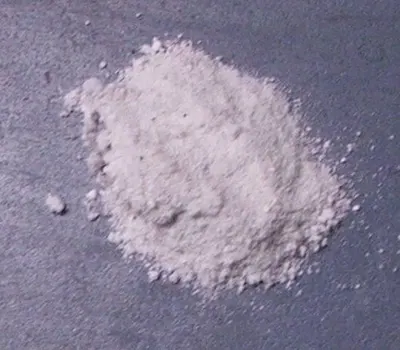
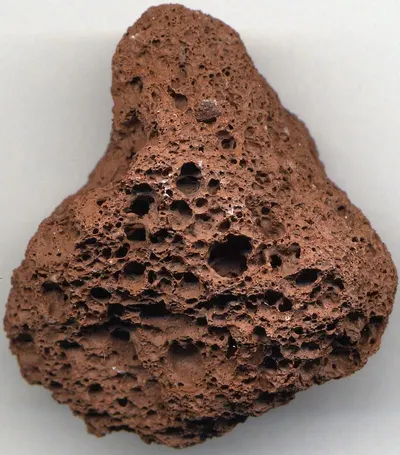
Zonish International Opc Private Limited is listed without a disclosed country of origin. The supplier currently offers 17 distinct products spanning metal scraps, fresh fruit, agricultural commodities and manufactured items. The catalogue groups products under top categories such as Metal Scraps, Kiwi, Medical Oxygen Kits, Gift Items, Coffee Beans, Processed Vegetable Pastes & Purees, Printing Paper and Leather Wallets. Each entry follows the naming used by the supplier and includes HS codes only where they were provided in the source data.
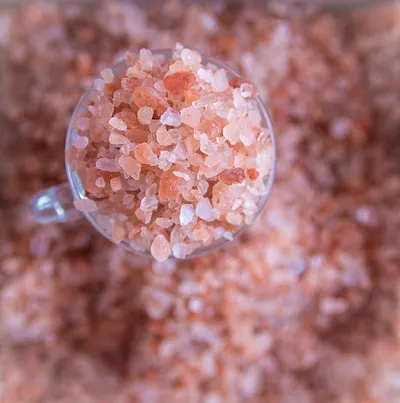
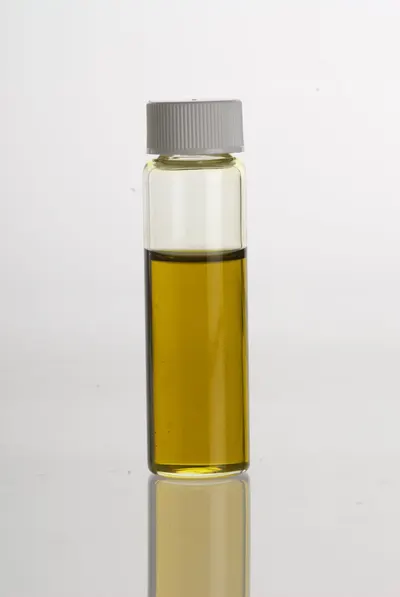
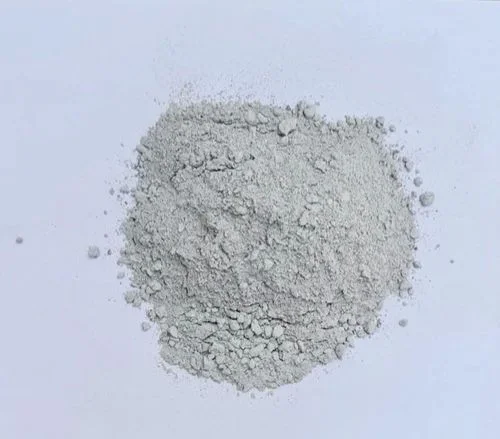
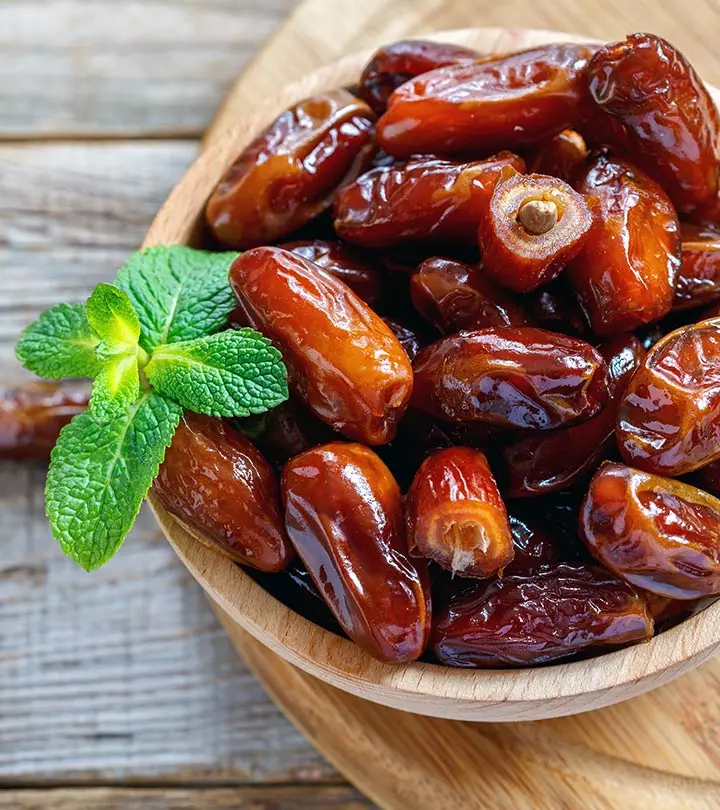
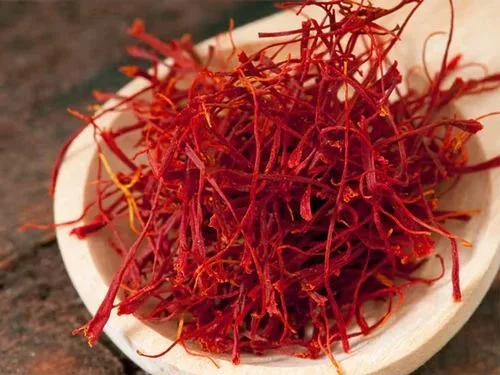
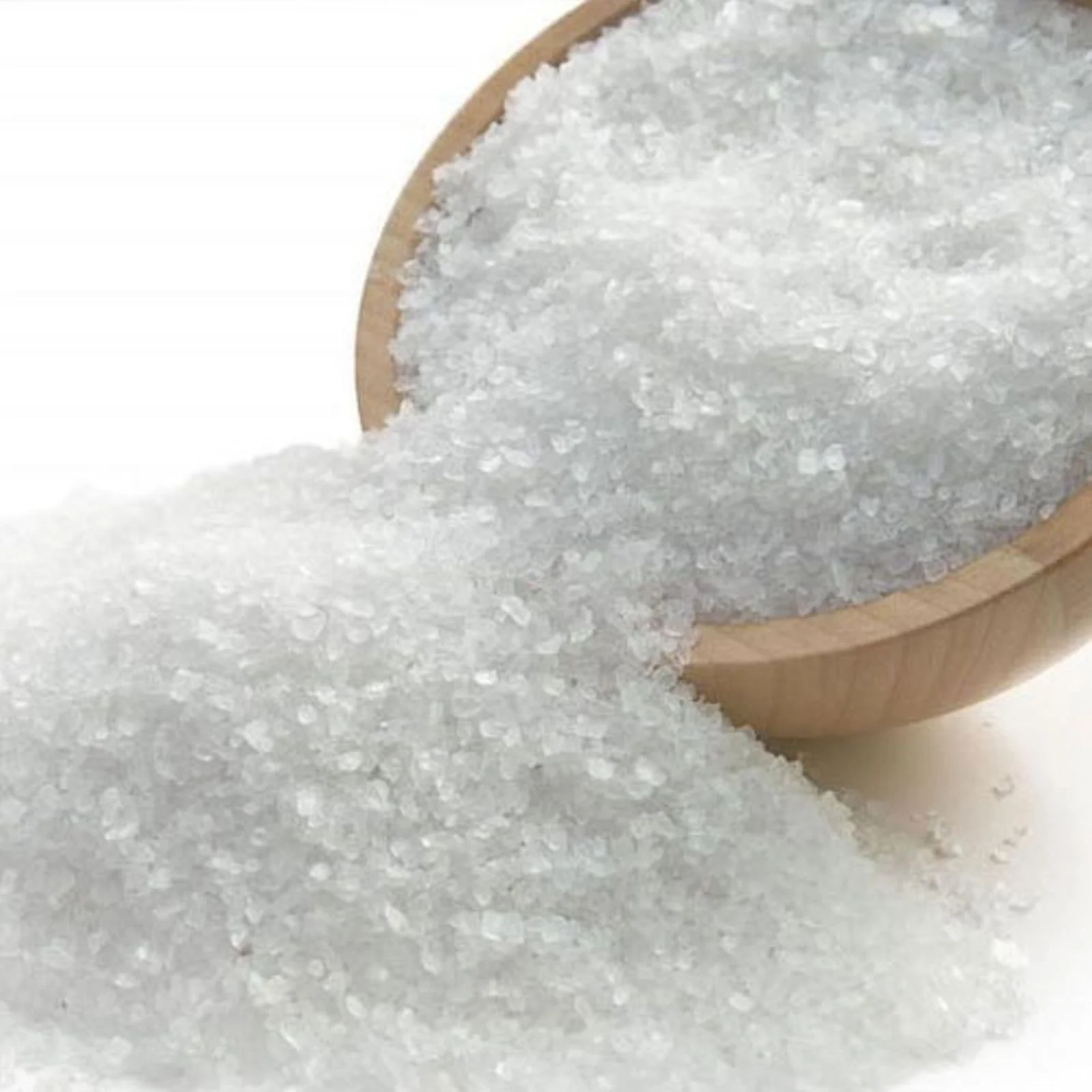
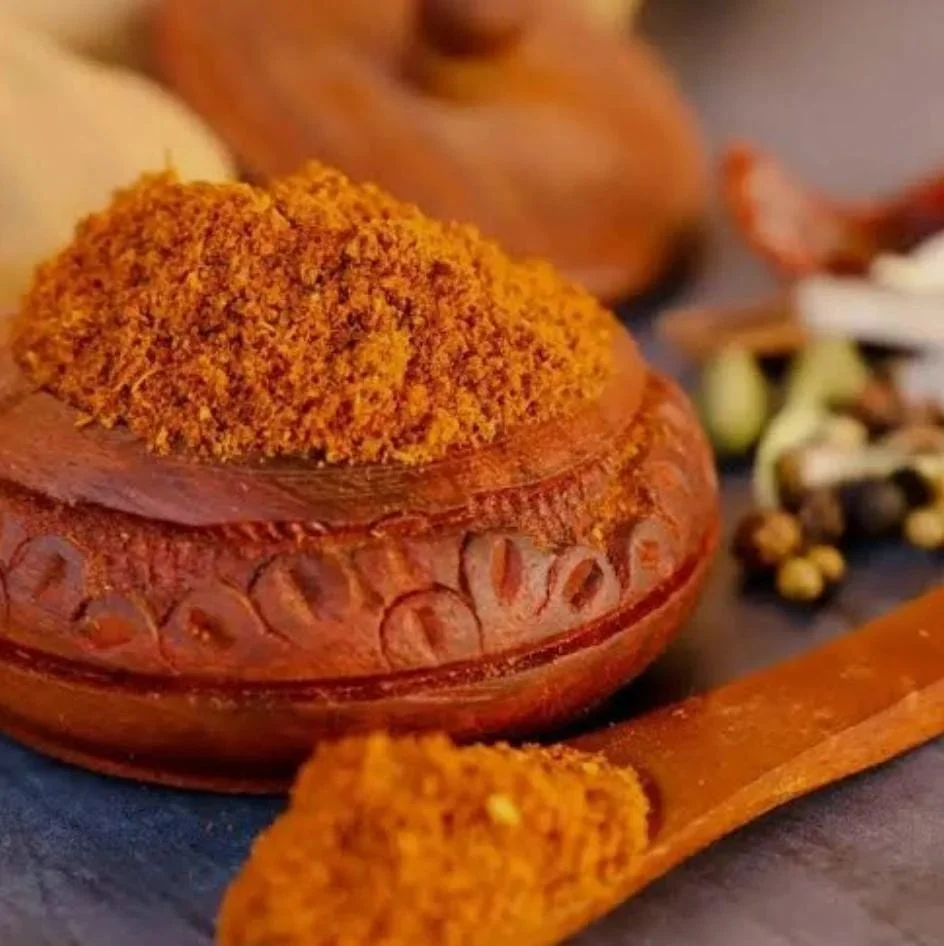
The product list contains Used Rails classified under HS code 7204.29 as carbon‑steel rail grade, Fresh Whole Apples under HS code 0808.10, Hydraulic Calcium Silicate Clinker under HS code 2523.10 and Portland Cement under HS code 2523.29. Other items - Kiwi, Coffee Beans, Tomato Paste, A4 Paper, Leather Wallet, Spices, Dates, Saffron, Pink Salt, Base Oil and Gift Items - are mentioned without accompanying HS codes in the supplied facts.
Product Range and Specialties of Zonish International Opc Private Limited
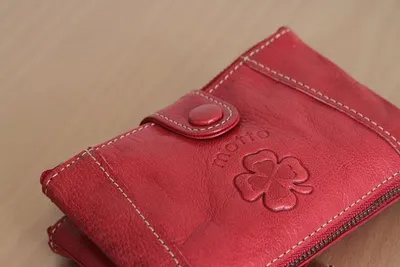
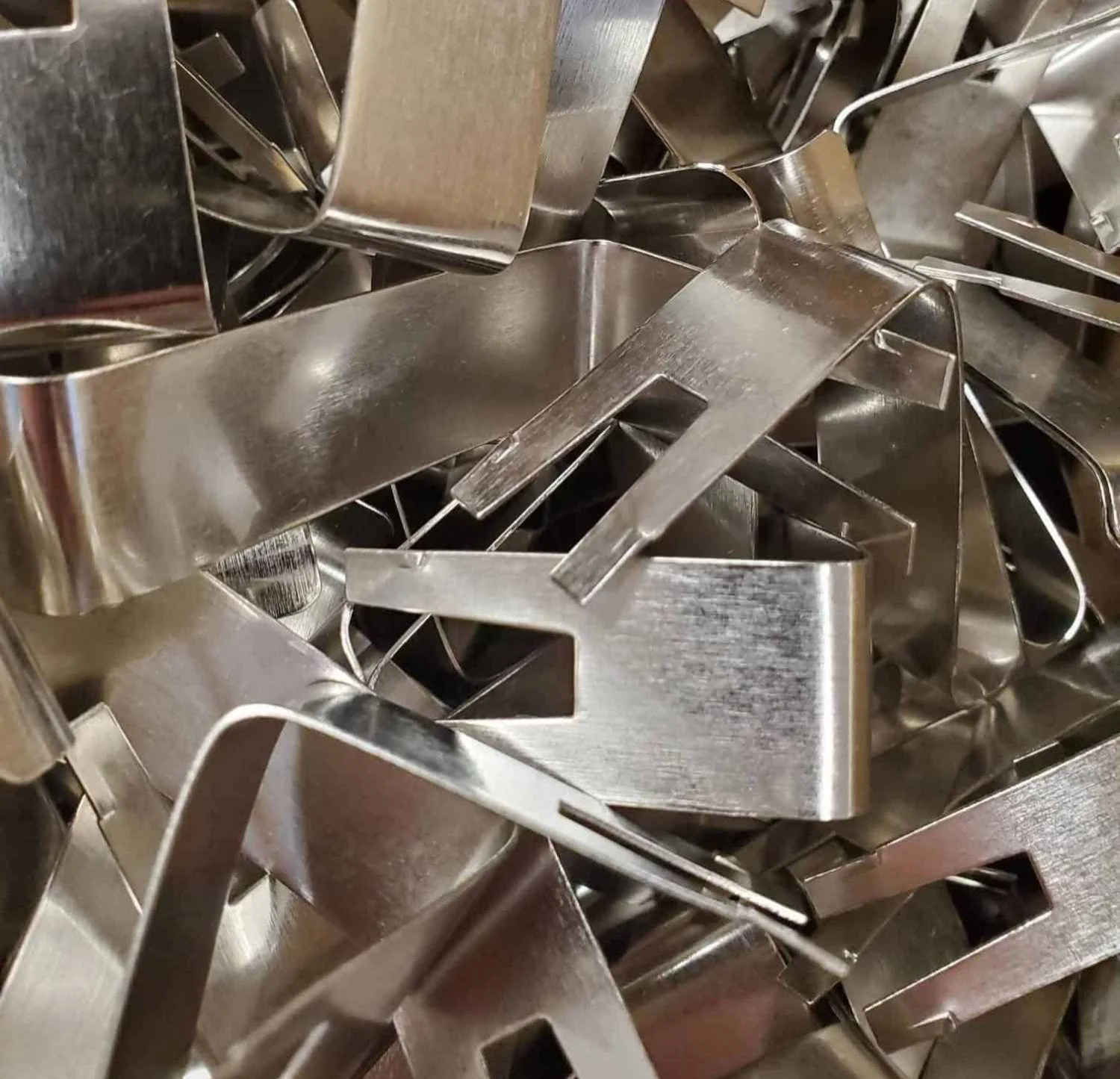
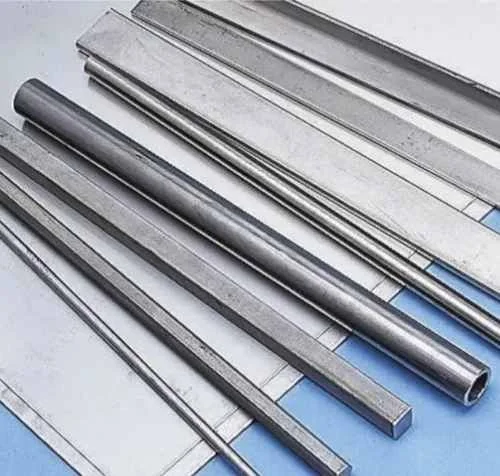
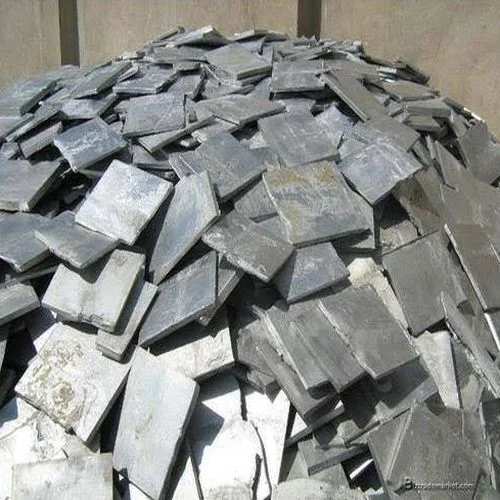
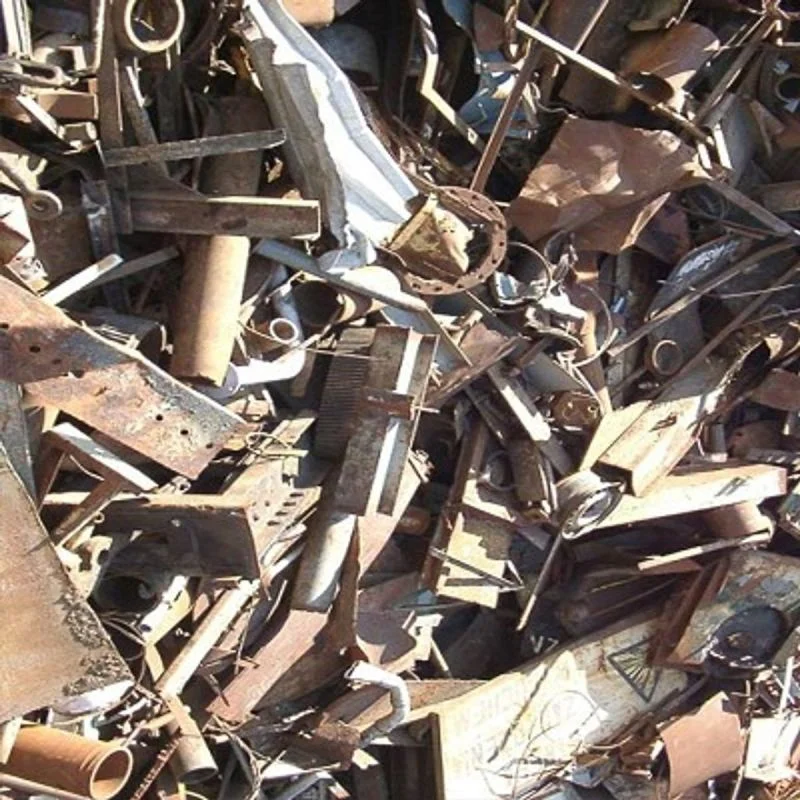
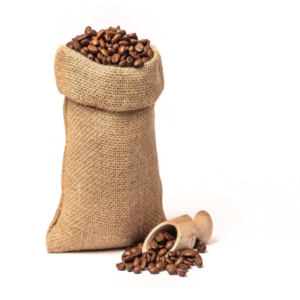
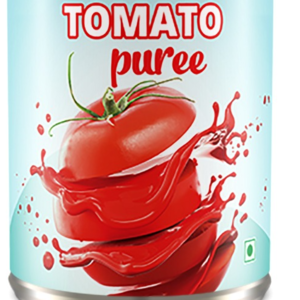
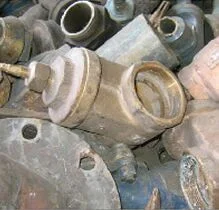
The metal scrap offering includes Used Rails made of carbon‑steel rail grade, a material commonly supplied in bundles weighing 1‑2 tonne and measured by net weight. In the scrap market, rail grade steel is typically graded as R260 or R350, with tensile strengths between 400 MPa and 500 MPa, and buyers often request a material test report confirming carbon content and hardness. Fruit entries such as Kiwi and Apple fall under fresh produce standards; apples classified under HS 0808.10 are usually sized 66‑75 mm, with a sugar content of 10‑12 % and a moisture level below 85 %. Coffee beans are generally Arabica or Robusta, screened at 15‑18 mm, with moisture under 12 % and a cupping score of 80 + points for specialty grades. Tomato paste and other vegetable purees are typically shipped in 25 kg food‑grade drums, conforming to HACCP and often requiring a Certificate of Analysis for pH (3.5‑4.0) and total soluble solids (12‑14 %). Leather wallets are produced from genuine leather, usually measured by unit count per carton (e.g., 100 pcs per 20 ft container) and may be subject to REACH compliance for metal fittings.
Trade and Export Information - Zonish International Opc Private Limited
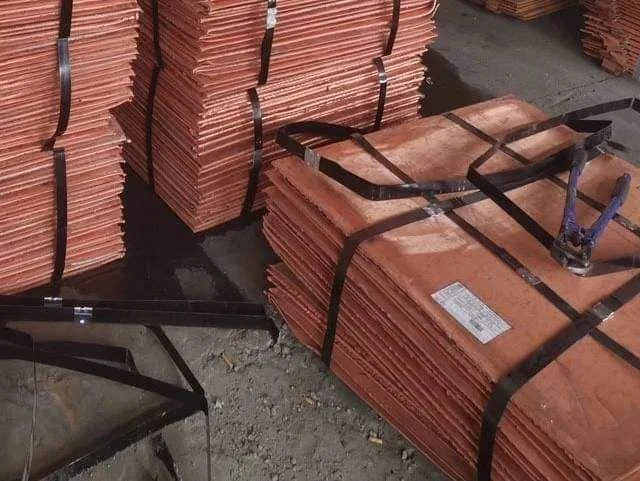
Exporters of metal scraps such as carbon‑steel rails normally ship to steel re‑melting facilities in the European Union, China and the Middle East, using HS chapter 72 classifications and often requiring a Materials Declaration and a non‑contaminated certification. Fresh fruit from the unspecified origin country is typically subject to phytosanitary certification, fumigation documentation and compliance with EU Regulation 2018/2019 for pesticide residues; major import markets include the EU, the United States and the Gulf Cooperation Council. Processed vegetable pastes and coffee beans are usually shipped in 20‑ft or 40‑ft containers, with HS codes in chapter 20 (coffee) and chapter 21 (vegetable preparations), and buyers frequently request a Certificate of Origin and SGS inspection reports. Cement and clinker fall under HS chapter 25; common destination regions are Africa, South‑East Asia and the Middle East, where buyers look for ISO 9001 quality management certification and compliance with local construction standards. Across all categories, Incoterms such as FOB or CIF are standard, and packaging follows industry norms - bulk metal in steel drums, fruit in refrigerated containers (30 °C ±2 °C), and powders in food‑grade bags with moisture barriers.
Sourcing from Zonish International Opc Private Limited - Buyer Guidance
When sourcing metal scraps from this supplier, buyers should request a detailed material test report showing carbon, manganese and impurity levels, as well as a non‑metallic contamination statement. For fresh produce like Kiwi and Apple, request a phytosanitary certificate, a recent lab analysis for pesticide residues (maximum residue limits per EU standards) and a moisture content report. Coffee beans and tomato paste buyers normally ask for a Certificate of Analysis confirming moisture (<12 %), aflatoxin levels (<5 µg/kg) and, for coffee, a cupping score sheet. Leather wallets should be accompanied by a REACH compliance declaration for any metal hardware and a colour‑fastness test report. For clinker and cement, ask for a mill test report indicating clinker quality (CaO % ≈ 65‑70) and cement strength class (e.g., CEM I 42.5 N). Verifying these documents before order confirmation reduces risk of non‑conformity and streamlines customs clearance.
Frequently Asked Questions About Zonish International Opc Private Limited
What HS codes are associated with the metal scrap products listed by Zonish International?
The Used Rails are listed under HS code 7204.29, which covers other railway or tramway track material made of carbon steel. No other metal‑scrap items have HS codes provided in the source data.
Which documentation should I request for the fresh Apple product?
Buyers should ask for a phytosanitary certificate, a Certificate of Origin, and a lab report showing moisture content below 85 % and compliance with EU pesticide residue limits.
Are there standard quality grades for the coffee beans offered?
Coffee beans are typically graded by screen size (15‑18 mm), moisture content (<12 %), and cupping score (80 + points for specialty quality). Request a Certificate of Analysis that includes these parameters.
What packaging is commonly used for tomato paste shipments?
Tomato paste is usually packed in 25 kg food‑grade steel drums or PET containers, sealed with tamper‑evident caps, and labelled with batch number, production date and HS code 2008.30.
Which certifications are normally required for leather wallets?
Buyers often require a REACH compliance statement for metal fittings, a material safety data sheet (MSDS) for any chemical treatments, and a colour‑fastness test report.
What are typical shipment terms for cement and clinker?
Cement and clinker are frequently shipped FOB or CIF in 20‑ft or 40‑ft containers, with loading weight around 20 tonnes per container. Buyers should confirm that the mill test report meets the target strength class.
How can I verify the quality of the used rail steel?
Request a material test report detailing carbon, manganese and impurity percentages, as well as a hardness test (Rockwell B ≈ 80‑100). An independent inspection certificate from SGS or equivalent is also advisable.
Is there a minimum order quantity for the spice products?
While the supplier’s catalogue does not specify MOQ, the spice market generally operates with minimum orders of 500 kg per spice, packed in 25 kg food‑grade bags, to meet customs and sampling requirements.