Zignsire Technologies Private Limited — Verified Supplier
About Zignsire Technologies Private Limited - Mixed Goods Supplier in India
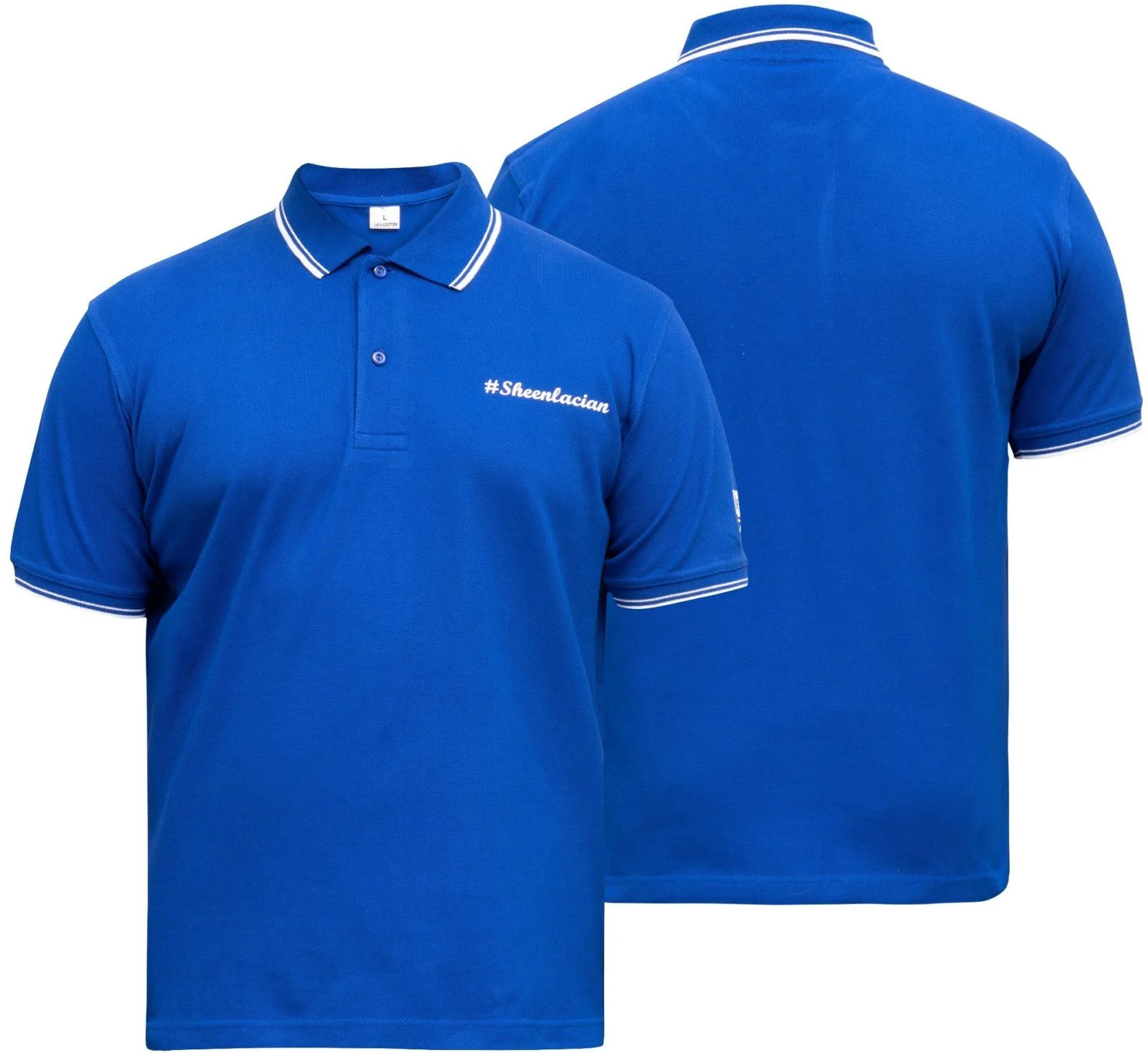
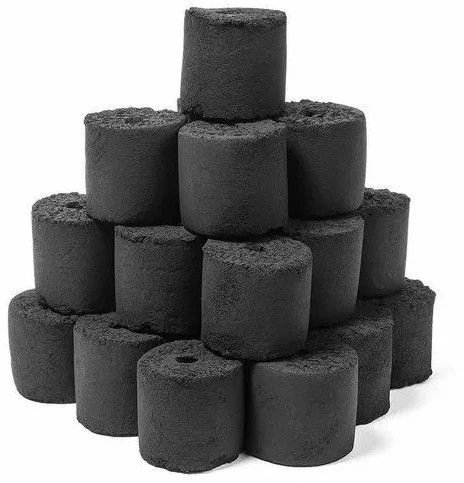
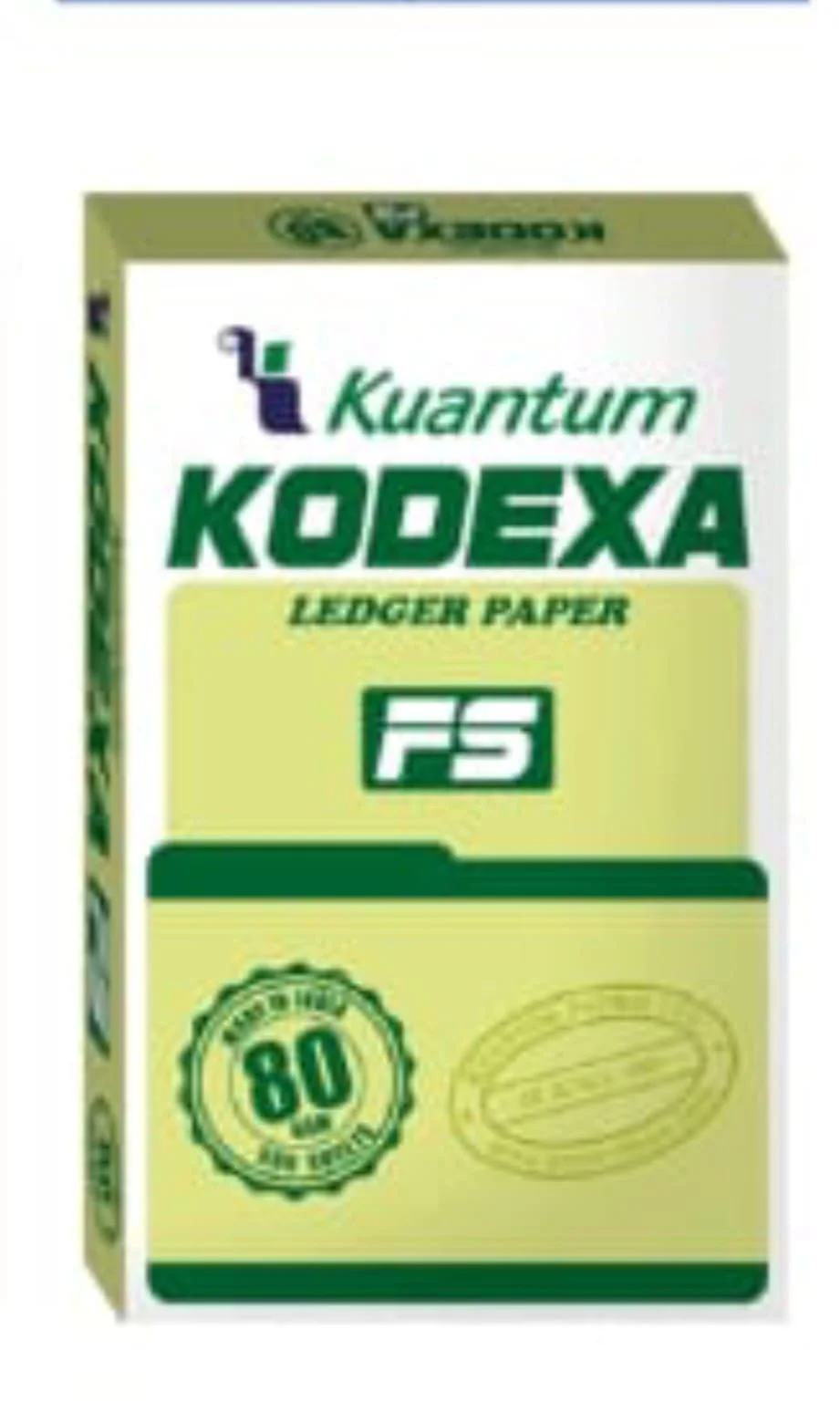
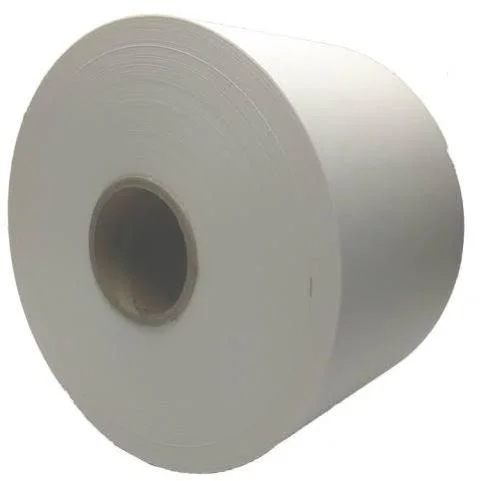
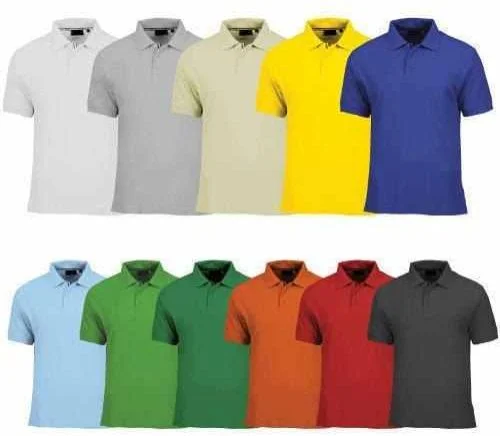
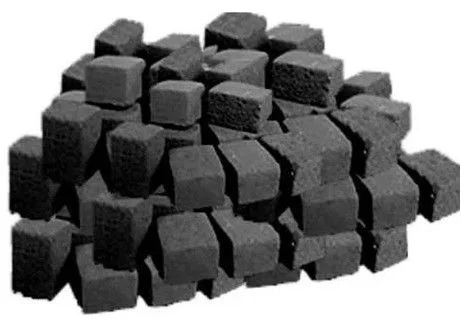
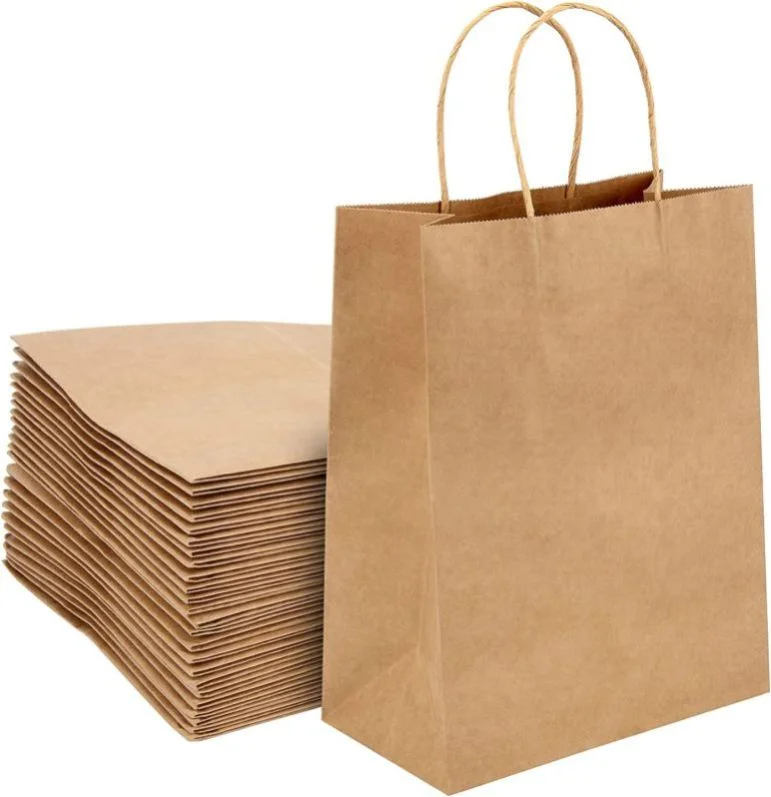
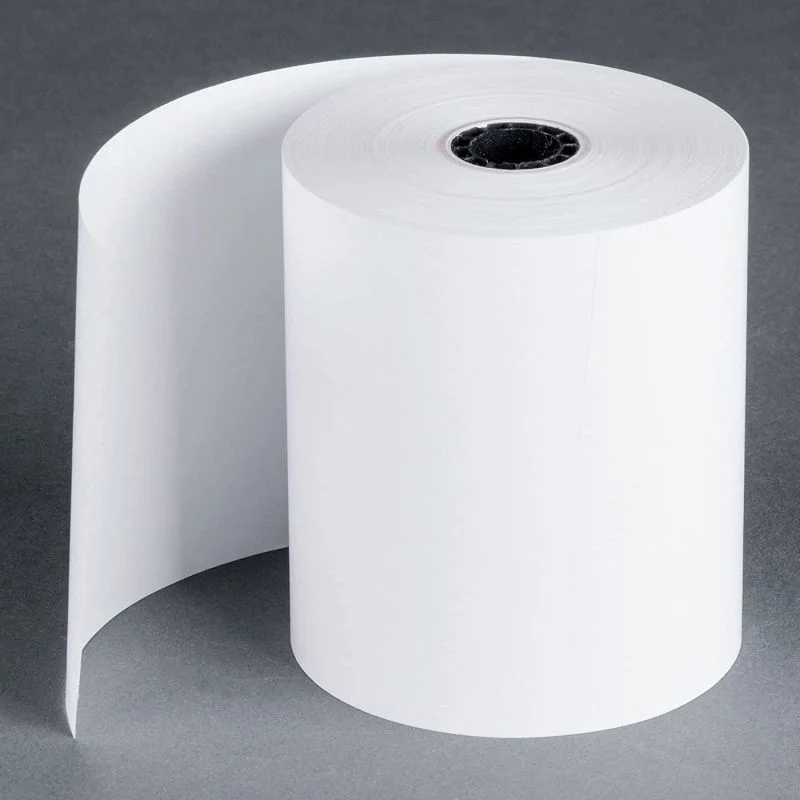
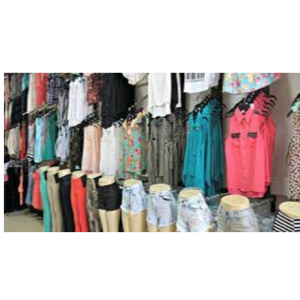
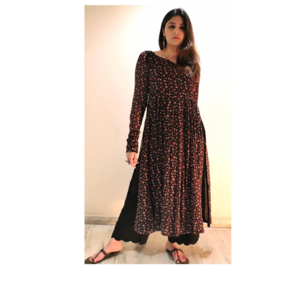
Zignsire Technologies Private Limited is based in India and currently lists thirteen active products across several categories, including knitted and woven garments, paper products, and wood‑derived items. The catalogue spans A4 printing paper, paper bags, thermal and kraft papers, men’s, women’s and children’s garments, toilet paper, plywood, polo shirts, T‑shirts, coconut shells and coconut shell charcoal. Each product aligns with standard HS chapter families such as chapter 48 for paper articles, chapter 61/62 for apparel, chapter 44 for wood products, and chapter 44 for coconut shell commodities. The supplier’s top categories also reference leather jackets and polo shirts, indicating a focus on apparel and printed media. The product list reflects common export specifications: A4 paper conforms to ISO 216 size (210 mm × 297 mm), paper bags are typically 70‑120 gsm kraft, and thermal paper carries a heat‑sensitive coating used in POS devices. Garments are offered in standard size ranges (e.g., men’s S‑XXL, women’s XS‑XL) and are manufactured from cotton or polyester blends. Plywood entries follow Indian standard grades such as BWR, while coconut shell charcoal is marketed for fuel or filtration applications. No additional certifications are recorded in the supplied data.
Product Range and Specialties of Zignsire Technologies Private Limited
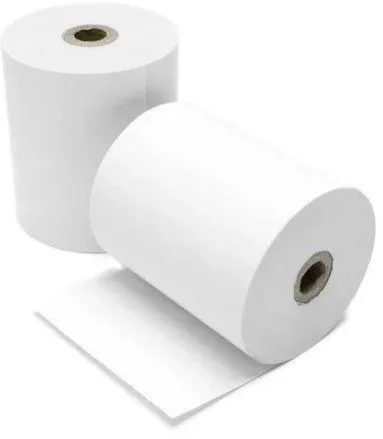
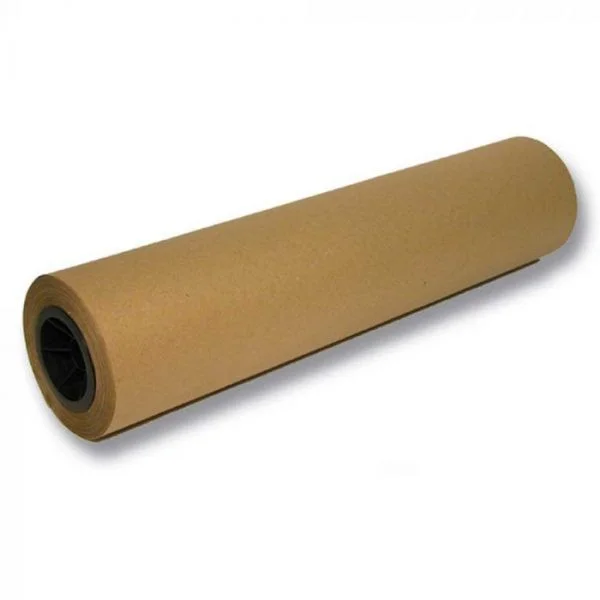
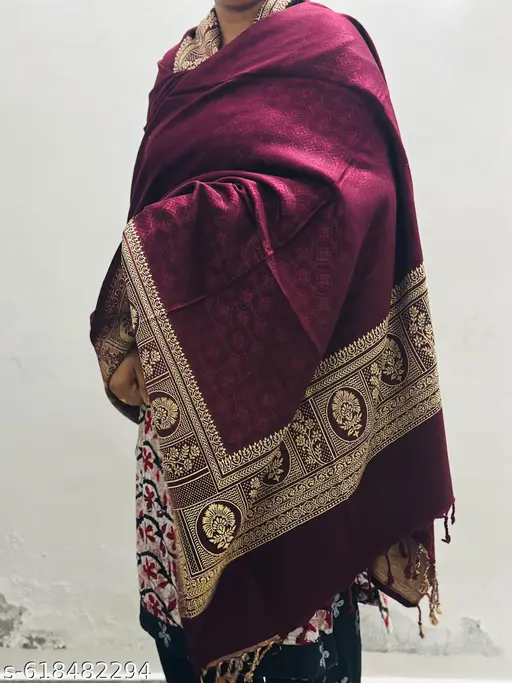
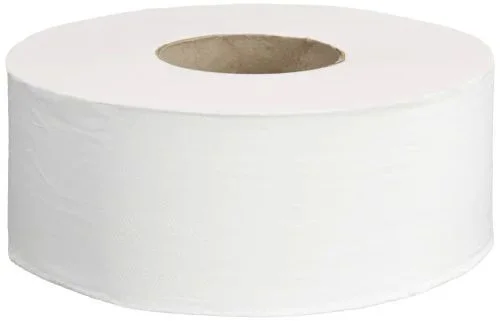
The catalogue includes thirteen distinct items. Paper products cover A4 printing paper, thermal paper, kraft paper and toilet paper; typical specifications include 80‑100 gsm weight for A4, 70‑80 gsm for thermal, and 28‑35 gsm for two‑ply toilet paper, with brightness levels of 92‑95 % ISO for printing paper. Paper bags are generally produced from 70‑120 gsm kraft board, sized for retail use, and often comply with FSC or PEFC sustainability standards. The garment segment lists men’s, women’s and kids’ clothing, polo shirts and T‑shirts, which in the industry are commonly made from 100 % cotton or cotton‑polyester blends, with fabric weights of 150‑250 gsm and sewn to ISO 2859‑1 quality levels. Plywood is listed without grade detail, but Indian exports usually follow BWR grade with thicknesses from 6 mm to 25 mm, packed in 1 m × 1.2 m sheets. Coconut shells and coconut shell charcoal are raw material and processed fuel respectively; charcoal is often sized 6 mm‑12 mm with moisture content below 10 % and may meet ISO 17225‑2 for solid biofuels.
Trade and Export Information - Zignsire Technologies Private Limited
Indian exporters of paper and textile goods commonly ship to the United States, European Union, Middle East and Southeast Asian markets, using HS codes 4802 for coated paper, 4820 for paper bags, 4810 for thermal paper, 4811 for kraft paper, 4812 for toilet paper, 6101‑6105 for men’s garments, 6201‑6205 for women’s garments, 6305 for plywood, and 4403 for coconut shells. Buyers typically require compliance with ISO 9001 quality management, FSC or PEFC certification for paper, and Oeko‑Tex Standard 100 for apparel. Standard packaging involves bulk cartons for paper (up to 500 kg per 20 ft container) and poly‑bagged garments with interleaving tissue, while plywood is palletized and protected with moisture‑resistant wrapping. Incoterms such as FOB Kolkata or CIF Dubai are frequently used, with container loads ranging from 20 ft (≈ 18 metric t) to 40 ft (≈ 26 metric t).
Sourcing from Zignsire Technologies Private Limited - Buyer Guidance
When sourcing from Zignsire Technologies Private Limited, buyers should request product data sheets that detail GSM, brightness, moisture, and any applicable sustainability certifications. For garments, ask for fabric composition, stitch count, size charts, and Oeko‑Tex test reports; for paper, request ISO brightness, basis weight and FSC certification copies. Samples of each product type (e.g., a 10‑sheet A4 pack, a 1 m² paper bag, a size‑M polo shirt) are standard practice before confirming larger orders. Verify that HS codes on commercial invoices match the product description and that packaging complies with the buyer’s import regulations. Typical minimum order quantities (MOQs) in the Indian export market are 500 kg for bulk paper items, 200 units for apparel, and one pallet (≈ 1 m³) for plywood. Lead times range from 15 days for printed paper to 30‑45 days for garments and plywood, depending on production scheduling and customs clearance. Confirm that the supplier can provide third‑party inspection reports (e.g., SGS, Bureau Veritas) if required by the importing country.
Frequently Asked Questions About Zignsire Technologies Private Limited
What HS codes are used for the paper products listed by Zignsire Technologies?
Paper products such as A4, thermal and kraft paper are typically classified under HS chapter 48, with codes 4802 for coated paper, 4810 for thermal paper and 4811 for kraft paper.
Which certifications should a buyer request for the garment items?
Buyers should request Oeko‑Tex Standard 100 certificates for textile safety, as well as any ISO 9001 quality management documentation that the supplier can provide.
What are the usual weight and size specifications for the A4 paper offered?
A4 paper is normally supplied at 80‑100 gsm, sized 210 mm × 297 mm, with ISO brightness of 92‑95 % and packaged in ream cartons of 5 kg.
How is plywood typically packaged for export from India?
Plywood is palletized, wrapped in moisture‑resistant film, and loaded in 20 ft or 40 ft containers, usually under HS code 4407.
What sample quantity is advisable for testing the thermal paper?
A small roll of 10 m length is commonly requested to verify thermal coating performance and print clarity before bulk purchase.
Which markets most frequently import coconut shell charcoal from India?
Coconut shell charcoal is mainly exported to Europe and the United States for use in filtration and fuel applications, under HS code 4403.
What is a typical MOQ for the paper bags listed?
Paper bags are generally ordered with a minimum of 10 000 units, packed in cartons of 1 000 bags each for container loading.
Are third‑party inspection reports available for the products?
Buyers can request inspection reports from accredited agencies such as SGS or Bureau Veritas to confirm compliance with product specifications and export regulations.




 , India