Zhuzhou Tongda Cemented Carbide Co., Ltd. — Supplier
About Zhuzhou Tongda Cemented Carbide Co., Ltd. - Tungsten Carbide Components Supplier in China
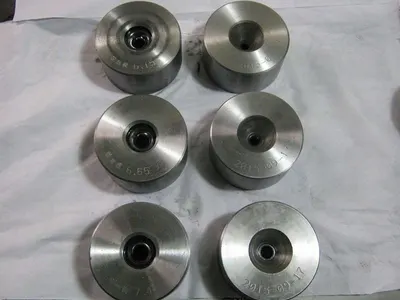
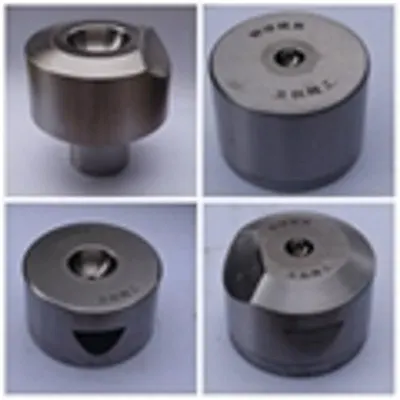
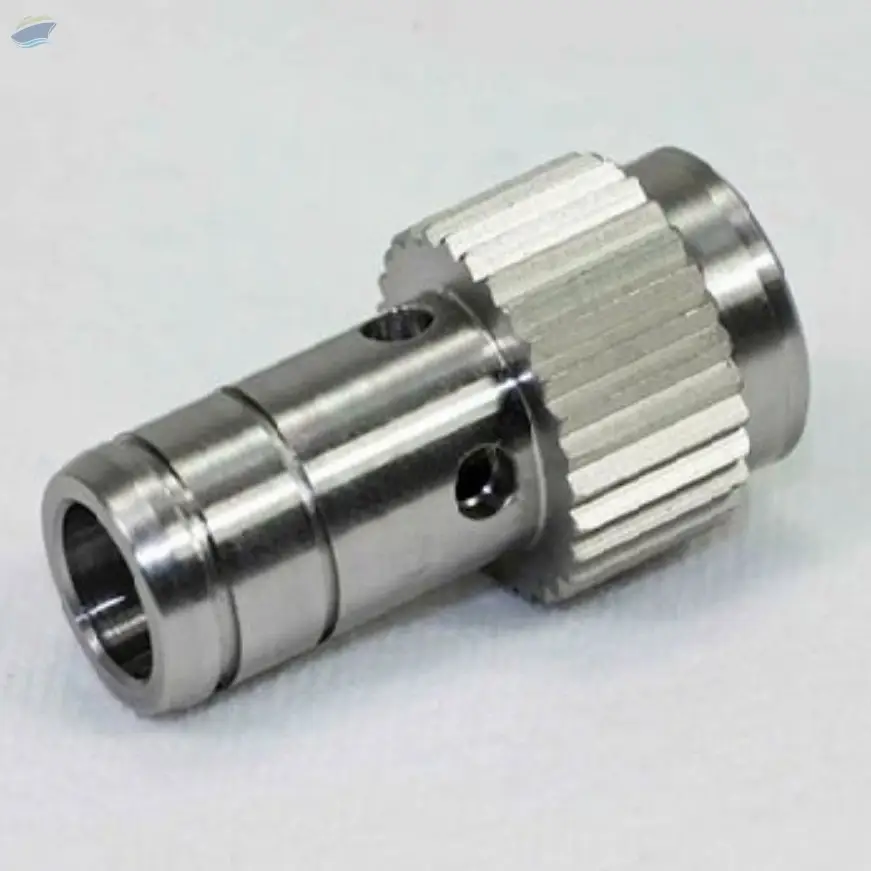
China lists 14 distinct tungsten carbide items under the Zhuzhou Tongda Cemented Carbide Co., Ltd. catalogue. The product set includes rolls, rings, grinding jars, rollers, three‑dimensional rolls, various nozzle types, bearing sleeves and a turning tool, covering the HS‑code family 8483 for hard‑metal cutting and bearing components. Each entry is identified by its functional class - for example, the Tungsten Carbide Nozzle series or the Carbide Bearings Sleeves (HS 8483.40) - and the material is specified as tungsten carbide or cemented carbide (WC‑Co). The supplier’s active product count of 14 reflects a focused portfolio aimed at heavy‑machinery, industrial pump, bearing and precision‑tool applications.
The catalogue does not provide individual HS codes except for the bearing sleeves, but the listed items fall under the broader HS chapter 84 for machine tools and parts made of hard metal. The products are described using generic industry terms such as “Roll”, “Ring”, “Nozzle” and “Turning Tool”, which align with standard classifications for cemented‑carbide tooling. No additional corporate details, such as founding year or employee numbers, are supplied in the source data.
Product Range and Specialties of Zhuzhou Tongda Cemented Carbide Co., Ltd.
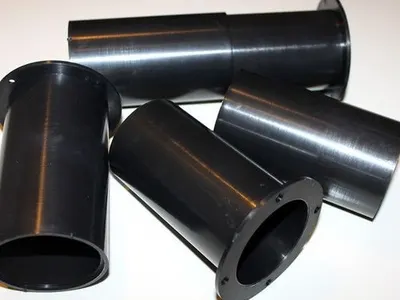
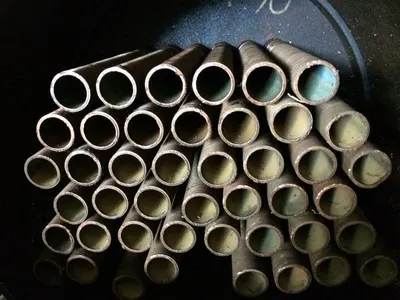
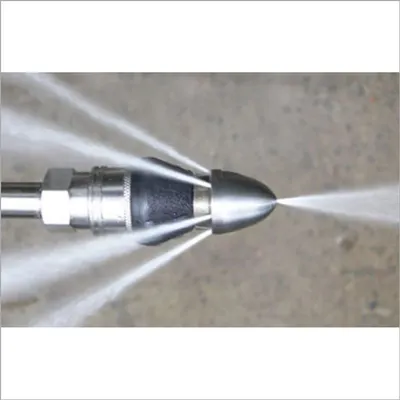
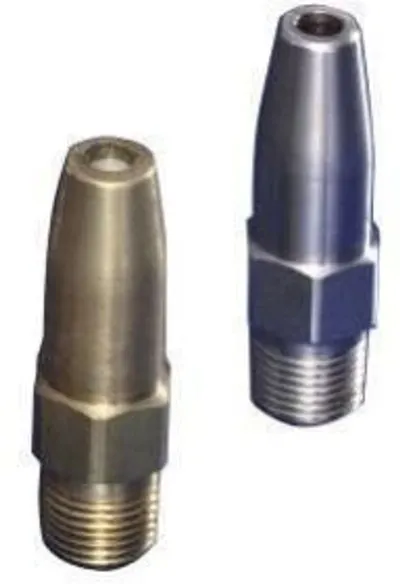
The listed items comprise tungsten carbide rolls, rings, grinding jars, rollers, three‑dimensional rolls and a range of specialised nozzles (sandblasting, oil, fan, pulsed, cutting). In the cemented‑carbide market, rolls and rings are typically produced from WC‑Co grades containing 5‑12 % cobalt binder and grain sizes between 0.5 µm and 2 µm, delivering hardness of 90‑95 HRA. Nozzles for sandblasting or oil delivery are commonly machined to Ø 2‑30 mm apertures with tolerance ±0.01 mm and surface roughness Ra ≤ 0.8 µm. Bearing sleeves under HS 8483.40 are usually supplied in dimensions matching ISO 492 standard bore sizes and are tested for wear resistance according to ASTM B623. The turning tool is a typical carbide insert used in CNC machining, often offered in grades such as PVD‑coated or uncoated with rake angles of 0‑12°.
Industry practice for these components includes offering them in standard lengths (e.g., 1 m rolls), packaging in wooden crates or steel drums, and providing material certificates that state WC grade, cobalt content, grain size distribution and hardness. Buyers often request optional surface coatings (e.g., TiAlN) for nozzles that operate in abrasive environments, and they may specify wear‑resistant grades for bearing sleeves that meet DIN 6885 criteria.
Trade and Export Information - Zhuzhou Tongda Cemented Carbide Co., Ltd.
China is the world’s largest exporter of cemented‑carbide tooling, with shipments typically destined for automotive manufacturers in Europe, aerospace firms in North America and precision‑machining plants in Southeast Asia. Products classified under HS 8483.40 are subject to customs inspection for hardness and binder content, and some markets apply anti‑dumping duties that require proper declaration of origin. Standard export logistics involve 20‑ft or 40‑ft containers packed on wooden pallets, with common Incoterms such as FOB Shanghai or CIF Hamburg. Chinese exporters often certify compliance with ISO 9001 quality‑management systems and may provide QC test reports on request, although such certifications are not listed for this supplier.
Typical buyers of tungsten‑carbide rolls, nozzles and bearing sleeves look for consistent grain size, cobalt binder percentage and dimensional tolerances. Packaging must protect against moisture and mechanical shock; moisture‑proof liners and shrink‑wrap are frequently used. Documentation normally includes a commercial invoice, packing list, certificate of origin and a material test certificate that references the relevant ASTM or ISO standards.
Sourcing from Zhuzhou Tongda Cemented Carbide Co., Ltd. - Buyer Guidance
When sourcing from Zhuzhou Tongda, request a material test certificate that details WC grade, cobalt binder percentage, grain size (µm) and achieved hardness (HRA). Verify that the supplied dimensions match the ISO or DIN standards cited for each component, and ask for a batch‑wise wear‑test report if the items are intended for high‑load bearing applications. Samples of nozzle apertures or roll surface finish can be evaluated before confirming larger orders, and buyers should confirm whether the supplier can provide ISO 9001 documentation or any third‑party inspection reports.
Frequently Asked Questions About Zhuzhou Tongda Cemented Carbide Co., Ltd.
What tungsten‑carbide grades are available for the rolls and rings?
The supplier lists rolls and rings made from cemented carbide with typical WC‑Co grades containing 5‑12 % cobalt and grain sizes from 0.5 µm to 2 µm, achieving hardness of 90‑95 HRA. Buyers should request the specific grade sheet for each batch.
Does the catalogue include HS codes for all items?
Only the Carbide Bearings Sleeves are assigned an HS code (8483.40) in the provided data. The remaining items fall under the broader HS chapter 84 for hard‑metal tools, but exact sub‑codes are not supplied.
What certifications should a buyer ask for before purchasing the bearing sleeves?
Buyers typically request a material test certificate, ISO 9001 quality‑management confirmation and compliance with ASTM B623 wear‑resistance standards for bearing sleeves.
Are samples available for the various nozzle types?
Samples can be requested for each nozzle variant (sandblasting, oil, fan, pulsed, cutting) to verify aperture size, surface finish (Ra ≤ 0.8 µm) and flow characteristics before placing a full order.
What are the common packaging methods for these carbide components?
Standard practice is to pack rolls, rings and sleeves in wooden crates with internal cushioning, while nozzle sets are often placed in sealed metal drums or shrink‑wrapped pallets to prevent moisture ingress.
Which Incoterms are most frequently used for exporting these products from China?
Exporters of cemented‑carbide tools from China commonly use FOB Shanghai or CIF destination ports in Europe and North America, depending on the buyer’s logistics preferences.
What documentation accompanies a shipment of carbide tools?
A typical shipment includes a commercial invoice, packing list, certificate of origin, material test certificate and, if available, ISO 9001 compliance evidence.
What markets typically import tungsten‑carbide nozzles from China?
Major importers are automotive‑engine manufacturers in Germany, aerospace component makers in the United States, and heavy‑machining firms in Japan and South Korea, all of which require precise nozzle tolerances and wear‑resistant grades.




 , China