Yureka Traders — Verified Supplier
About Yureka Traders - Millet Supplier in India
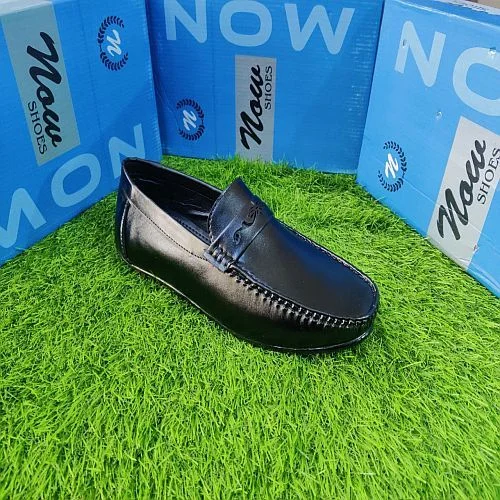
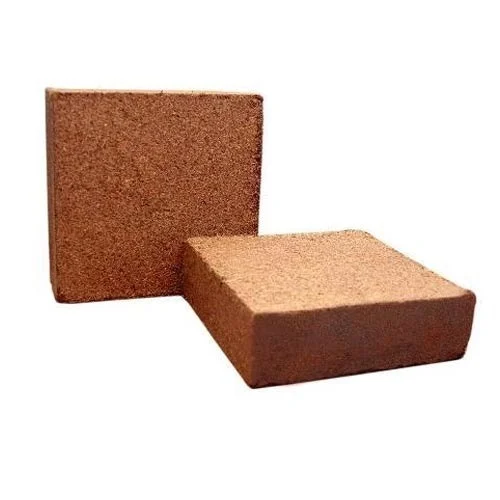
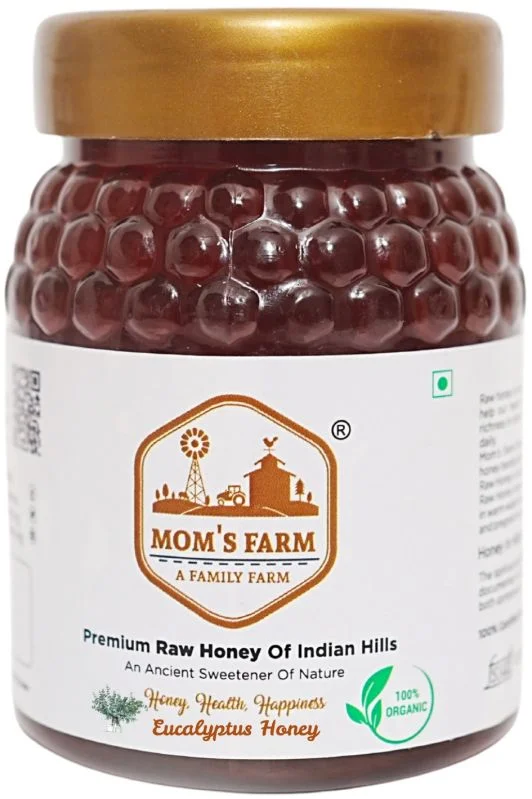
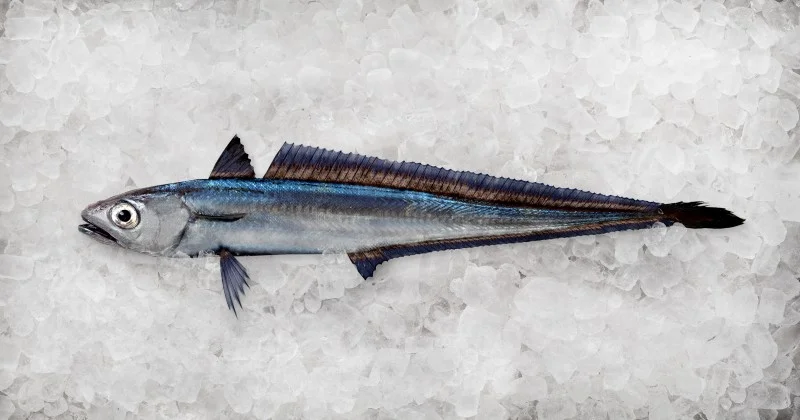
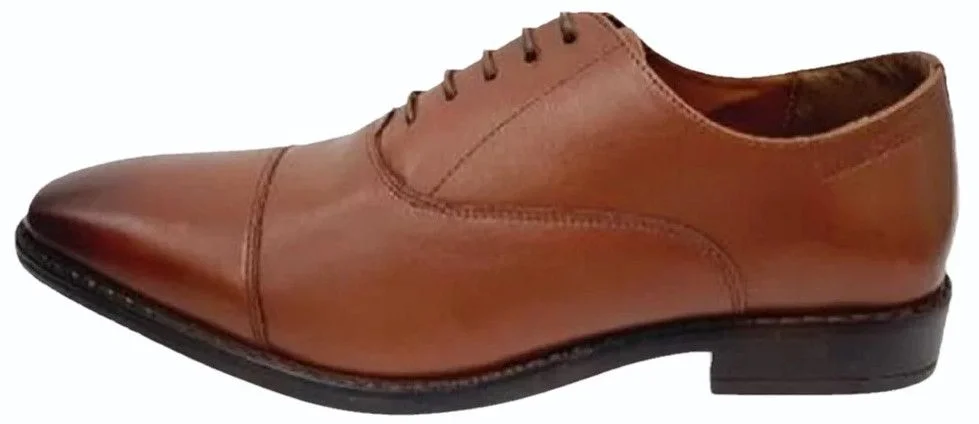
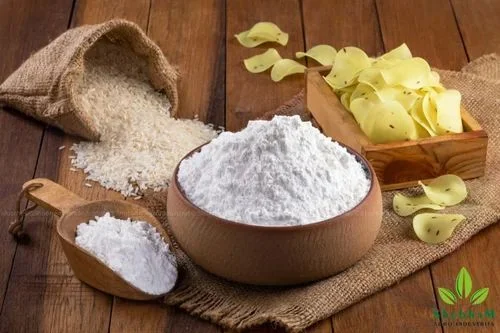
India hosts Yureka Traders, which currently lists 46 distinct products across several categories. The catalogue includes grain commodities such as millet, rice and pulses, a full line of footwear ranging from sports shoes to leather boots, and a selection of hygiene and food items including medical face masks, hand sanitizer, honey and jaggery powder. The supplier also offers agricultural by‑products like coir pith, a variety of spices such as cardamom and cumin, and fresh produce such as onion and fish. Each product is recorded under its generic HS chapter - for example millets fall under HS chapter 10 for cereals, while footwear is classified under HS chapter 64 for shoes and garments.
Product Range and Specialties of Yureka Traders
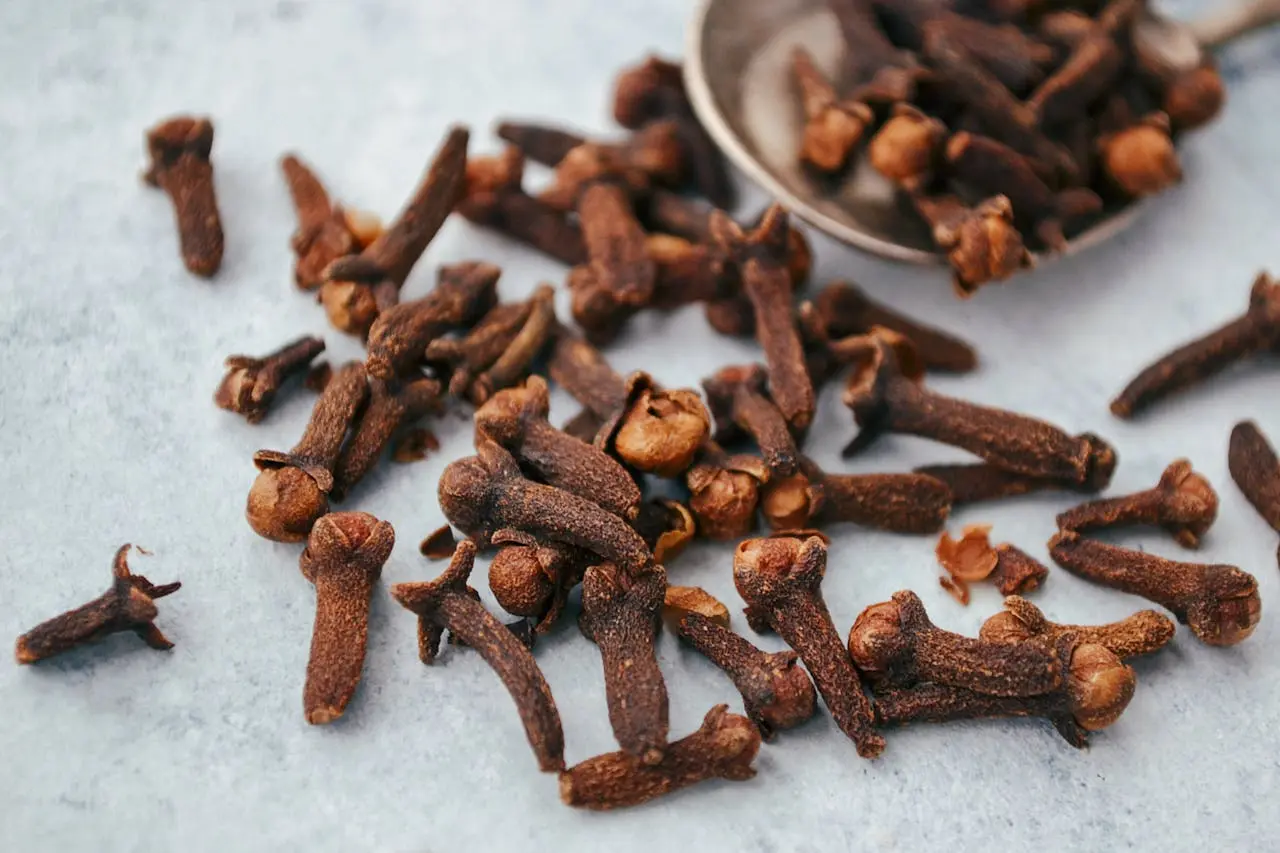
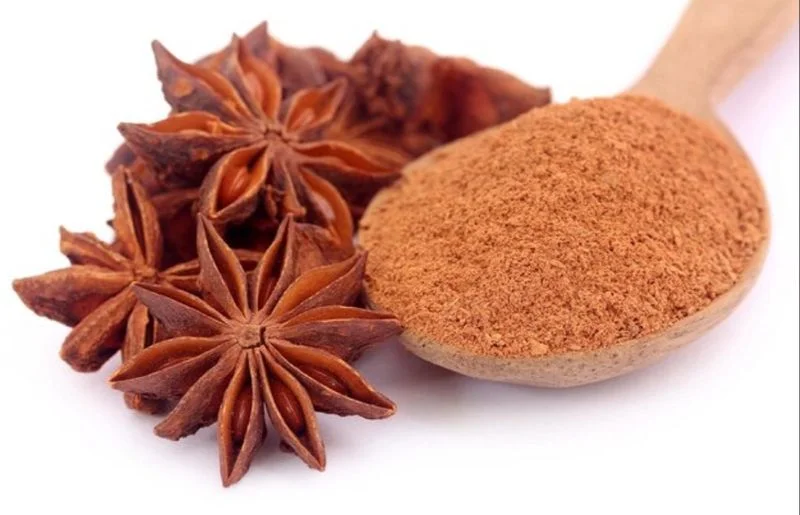
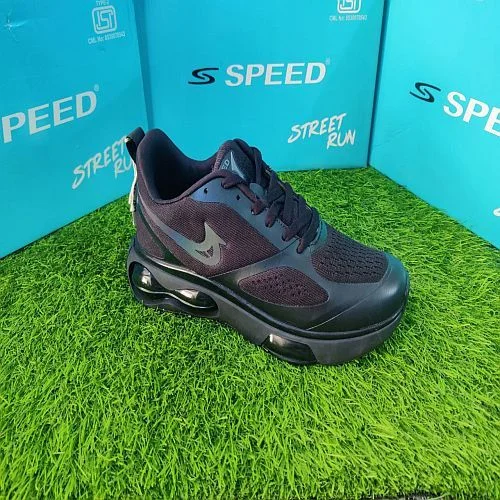
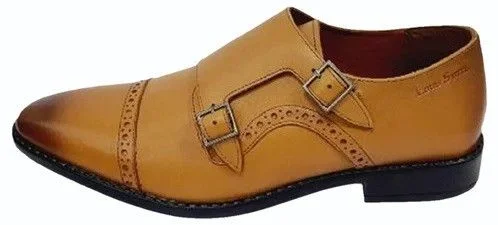
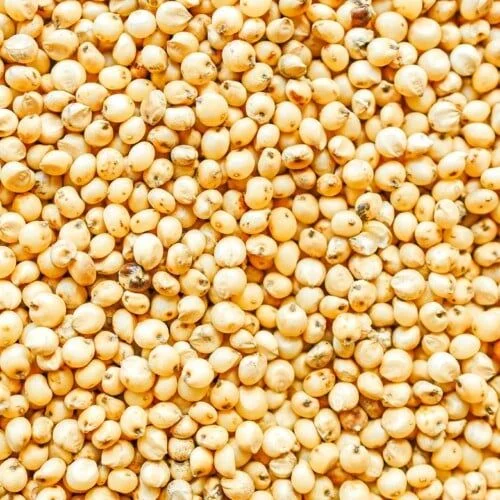
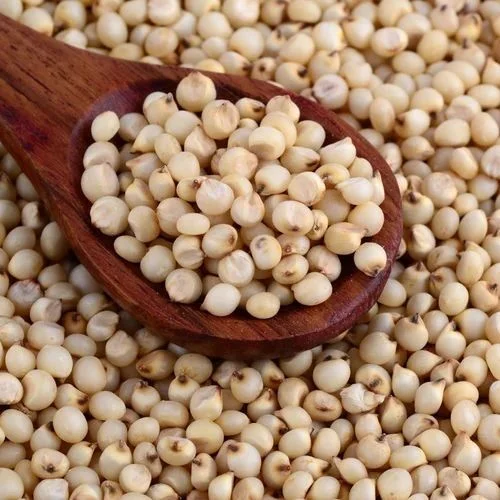
The millet segment comprises foxtail, little, proso, pearl, kodo and barnyard varieties, which are normally sold as whole grain with moisture content below 13 % and bulk density around 0.75 t/m³. Export packs commonly use 20 kg or 25 kg food‑grade polypropylene bags, stacked on pallets for container loading. Indian spice exports such as cardamom, cumin and cloves are graded by size (e.g., grade A, ≥ 7 mm) and limited to moisture below 8 % with microbial limits set by FSSAI. Footwear items listed - sports shoes, leather shoes, sandals and boots - are produced from leather or synthetic uppers, with sole thickness typically 3‑5 mm and stitching strength measured in MPa. Coir pith and coco peat are supplied as loose bulk for horticulture, with particle size distribution of 0.5‑5 mm and a pH of 5.5‑6.5. Honey is offered as raw, monofloral product with minimum 95 % sugar purity and free‑flow viscosity under 30 cP at 20 °C.
Trade and Export Information - Yureka Traders
India is a major exporter of millets to the African Great Lakes region, the Middle East and parts of the European Union, where buyers often request phytosanitary certificates and moisture test reports. Rice and pulses from India are commonly shipped to Gulf Cooperation Council (GCC) countries and South‑East Asian markets, requiring compliance with ISO 22000 or HACCP audit reports. Footwear produced in India is exported to the United States and EU, where CE marking or ASTM standards for safety footwear are routinely demanded. Medical face masks and hand sanitizers fall under HS chapter 30 and 38 respectively, and buyers typically ask for a CE declaration of conformity and an FDA registration for sanitizers destined for North America. Standard export logistics involve 20‑foot or 40‑foot containers, with goods palletised and secured according to Indian Export Inspection Council (IEIC) guidelines.
Sourcing from Yureka Traders - Buyer Guidance
When sourcing millets, request a recent laboratory analysis covering moisture, ash, protein and pesticide residues, together with the FSSAI licence and a phytosanitary certificate. For spices, ask for a certificate of analysis confirming oil content, microbial limits and heavy‑metal screening, as well as a Certificate of Origin for customs clearance. Footwear buyers should obtain a material composition test, size grading chart, and CE or ASTM compliance documents before confirming an order. Hygiene products such as masks and sanitizer must be accompanied by a CE declaration, a safety data sheet (SDS) and, where applicable, an FDA registration number. Verify packaging integrity - food items in sealed, food‑grade bags, shoes in corrugated cartons with proper labelling - and confirm the container loading plan to avoid damage during transit.
Frequently Asked Questions About Yureka Traders
What product categories does Yureka Traders list?
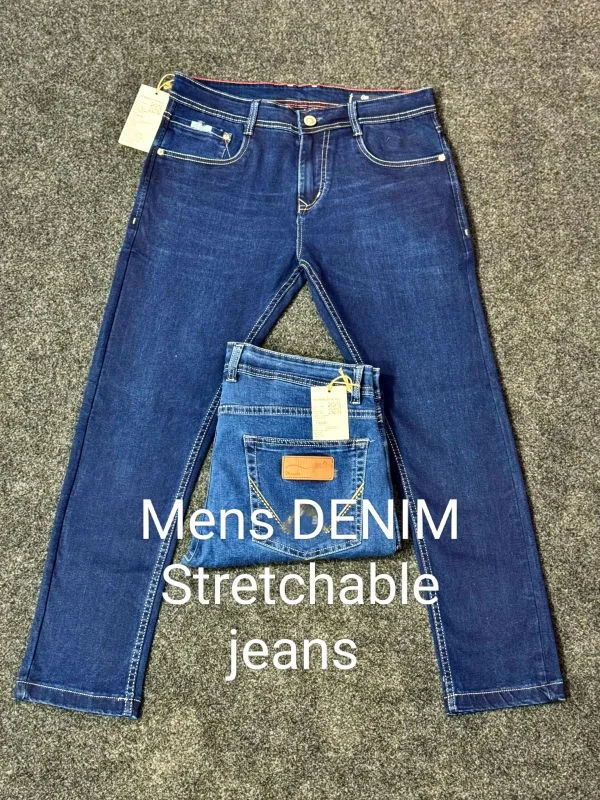
Yureka Traders lists food grains (multiple millet varieties, rice, pulses, onion and assorted spices), processed foods (honey, jaggery powder), seafood (fish), agricultural by‑products (coir pith and coco peat), apparel and footwear (sports shoes, leather shoes, sandals, boots, jeans and T‑shirts), and hygiene items (medical face masks and hand sanitizer).
How are the millets packaged for export?
Millets are typically packed in food‑grade polypropylene bags of 20 kg or 25 kg, sealed to protect against moisture and stacked on standard pallets for container loading. The packaging meets Indian export standards and includes batch numbers and country of origin labels.
Which certifications are commonly required for the food products?
Importers usually request a FSSAI licence, a Certificate of Origin, a Phytosanitary Certificate, and laboratory test reports covering moisture, aflatoxin and pesticide residues. Additional certifications such as ISO 22000 or HACCP are often required by buyers in the EU or GCC.
What documentation is needed for the footwear items?
Buyers typically ask for a commercial invoice, packing list, Certificate of Origin and a test report confirming the leather or synthetic material composition, size grading and durability (e.g., abrasion resistance). CE marking is required for footwear sold into the European market.
What are typical minimum order quantities?
For bulk grains such as millets the usual MOQ is 500 kg per shipment, while spices are often ordered in 100 kg increments. Footwear and apparel are generally quoted per pair or per dozen, with a typical MOQ of 200 pairs for shoes.
How long does shipping take from India?
Sea freight from Indian ports to Europe or the Middle East generally requires 20‑30 days in a 20‑foot container, while shipments to the United States average 30‑40 days. Air freight is available for urgent orders but incurs higher cost.
What sample procedures are available?
Yureka Traders can provide a small sample (e.g., 1 kg of millet or a single pair of shoes) after receipt of a prepaid shipping request. Samples are accompanied by a preliminary test report and product specification sheet.




 , India