Yalig Kitchen Cabinet China — Supplier
About Yalig Kitchen Cabinet China - Cabinets Supplier in China
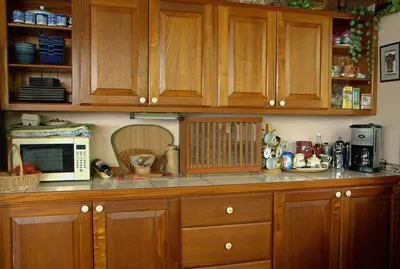
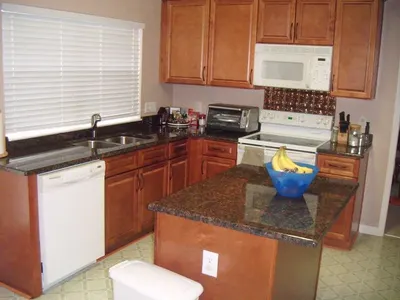
Yalig Kitchen Cabinet China is located in China and lists five active cabinet products in its catalogue. The product set includes solid‑wood kitchen cabinets, polymer‑finished PETG cabinets, lacquered cabinets, blister‑finished cabinets, and melamine‑faced cabinets, each classified under HS Chapter 94 heading 9403.40 or 9403.60. The solid‑wood line specifies American oak, walnut or cherry door panels with a plywood or melamine board carcass, while the polymer PETG version uses HDF/MDF doors with a PETG finish. The lacquered, blister and melamine models all share a plywood or melamine board carcass with MDF/HDF door panels treated by lacquer, blister or melamine surfacing respectively. All five items fall within the broader “Cabinets” category that the supplier reports as its top category.
The catalogue distinguishes between wood‑based constructions (solid wood, plywood, melamine) and polymer‑based finishes (PETG, lacquer, blister). HS code 9403.40 covers wooden furniture such as the solid‑wood, lacquered, blister and melamine cabinets, whereas HS code 9403.60 applies to the PETG‑finished cabinets that incorporate plastic polymers. Materials listed include solid wood panels, HDF/MDF panels, and melamine‑faced board, indicating typical thicknesses of 16‑20 mm for door panels and 12‑15 mm for carcass boards. The supplier’s product count of five reflects a focused range rather than a broad line‑up, allowing buyers to evaluate each finish and material option against project specifications.
Product Range and Specialties of Yalig Kitchen Cabinet China
The five catalogue entries cover the main finish options for kitchen cabinets manufactured in China. Solid‑wood cabinets use American oak, walnut or cherry panels, which are graded by visual grain pattern and moisture content typically below 12 %. Polymer PETG cabinets employ HDF or MDF doors with a PETG coating that provides a high‑gloss, impact‑resistant surface, commonly measured by a haze value under 5 % and a gloss level of 80 GU. Lacquered cabinets follow standard lacquer specifications such as a dry film thickness of 30‑45 µm and VOC limits per Chinese GB standards. Blister‑finished cabinets use a thermoplastic film applied to HDF/MDF doors, with film thickness usually 0.2‑0.4 mm. Melamine‑faced cabinets are produced with melamine‑impregnated HDF/MDF panels, meeting formaldehyde emission class E1 (≤0.124 mg/L) under EN 13986.
Trade and Export Information - Yalig Kitchen Cabinet China
Chinese cabinet exporters typically ship to North America, Western Europe and the Middle East, where demand for ready‑made kitchen furniture is driven by residential construction and renovation projects. HS 9403.40 items are classified as wooden furniture and often require phytosanitary certificates and compliance with the EU Timber Regulation (EUTR) when entering European markets. HS 9403.60 items are treated as plastic‑finished furniture, subject to REACH registration for any polymer additives used in the PETG coating. Standard export packaging includes double‑wall cartons stacked in 20‑ft or 40‑ft containers, with each container holding approximately 30‑40 cubic meters of cabinet units. Buyers usually request a pre‑shipment inspection report (e.g., SGS or Bureau Veritas) and a certificate of origin to satisfy customs clearance in the destination country.
Sourcing from Yalig Kitchen Cabinet China - Buyer Guidance
When sourcing cabinets from Yalig Kitchen Cabinet China, buyers should request material data sheets that confirm wood species, moisture content and formaldehyde emission class for the wood‑based products. For the PETG, lacquer and blister finishes, a test report showing VOC emissions, gloss level and film thickness helps verify compliance with buyer specifications. Samples of door panel finishes and a small‑scale mock‑up of the cabinet carcass are common pre‑order steps to assess colour consistency and edge quality. Verify the supplier’s ability to provide the required certifications - such as ISO 9001 quality management, FSC chain‑of‑custody for solid wood, or REACH compliance for polymer finishes - before confirming bulk orders.
Frequently Asked Questions About Yalig Kitchen Cabinet China
What are the main material options for Yalig Kitchen Cabinet China’s cabinets?
The catalogue lists solid‑wood panels (American oak, walnut or cherry), HDF/MDF panels with PETG polymer coating, lacquer‑finished MDF/HDF panels, blister‑finished HDF/MDF panels, and melamine‑faced HDF/MDF panels. Each option uses a plywood or melamine board carcass as the structural core.
Which HS codes apply to the listed cabinet products?
Solid‑wood, lacquered, blister and melamine cabinets are classified under HS 9403.40, while the polymer PETG cabinet falls under HS 9403.60. These codes correspond to wooden furniture and plastic‑finished furniture respectively.
What typical certifications should a buyer request for these cabinets?
Buyers usually request ISO 9001 for quality management, FSC certification for solid‑wood panels, and REACH or VOC test reports for PETG and lacquer finishes. Formaldehyde emission certificates (E1 or E0) are standard for wood‑based panels.
What are common minimum order quantities (MOQ) and lead times for Chinese cabinet manufacturers?
MOQs often start at 100‑200 cabinet units per model, with lead times ranging from 30 to 60 days after design approval and receipt of a deposit, depending on finish complexity and container loading schedule.
How are the cabinets typically packaged for international shipment?
Cabinets are usually wrapped in protective film, placed on edge, and packed in double‑wall cartons. Full container loads are shipped in 20‑ft or 40‑ft containers, with pallets used for larger units to facilitate handling.
What documentation is needed for customs clearance in major import markets?
A commercial invoice, packing list, certificate of origin, and any required phytosanitary or REACH certificates accompany the shipment. Pre‑shipment inspection reports from an accredited third‑party agency are often requested by importers.
Can samples be obtained before placing a bulk order?
Yes, the supplier can provide single‑unit samples of each finish type, including a door panel and a small carcass section, to allow buyers to evaluate colour, texture and dimensional tolerances before finalizing the order.
What are the typical dimensions and thicknesses for the cabinet panels?
Door panels are generally 16‑20 mm thick, while carcass boards are 12‑15 mm thick. Overall cabinet depth commonly follows the 600 mm standard for kitchen units, with height and width customizable within standard industry ranges.




 , China