Ivory Desh Recycling — Verified Trader & Wholesale Supplier
About Ivory Desh Recycling - Scrap Material Supplier in Bangladesh
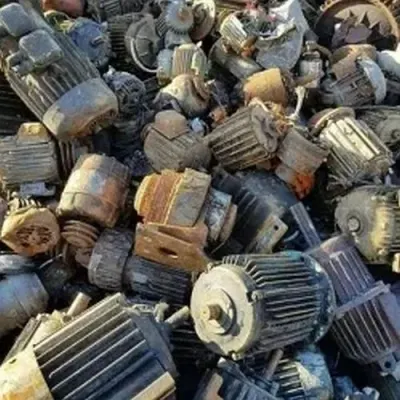
Bangladesh, specifically the Sonargaon area, is the base of Ivory Desh Recycling, which lists seven active product lines in its catalogue. The company’s catalogue covers electric motor scrap (HS 7404.00), aluminium UBC can scrap (HS 7602.00), various polymer waste such as BOPP film (HS 3915.90), LDPE film (HS 3915.10), ABS computer scrap (HS 3915.90), PMMA acrylic scrap (HS 3915.00), and polyurethane foam scrap (HS 3921.13). Each product entry includes the material type - electric motor, aluminium alloy, BOPP, LDPE, ABS, PMMA, and PU foam - paired with its corresponding HS code. The supplier classifies its offerings under broader categories like metal scraps, plastic waste, and specialty foam. The active product count of seven reflects the range of scrap types the company can export. The listed top categories also mention mining machinery parts, automobile scrap, advertising equipment, corrugated rolls, ship and marine scrap, and used computer parts, indicating a broader waste‑material portfolio beyond the seven detailed items. Ivory Desh Recycling operates as an imported supplier tier with a harbor trust tier, suggesting it sources material locally for export. The catalogue does not specify certifications, so buyers typically verify compliance through third‑party test reports. Export shipments are organized according to the HS code families provided, enabling customs classification for international trade.
Product Range and Specialties of Ivory Desh Recycling
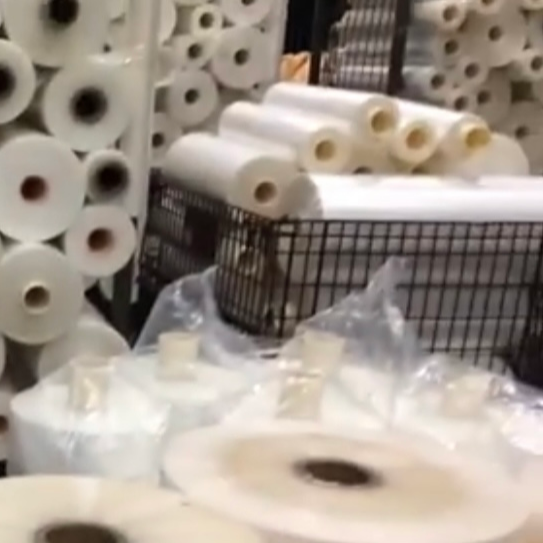
Ivory Desh Recycling’s catalogue includes electric motor scrap classified under HS 7404.00, which generally consists of ferrous housings and copper windings. Aluminium UBC can scrap (HS 7602.00) is typically alloy 6063 with a purity above 99 %. The polymer segment comprises BOPP film scrap (HS 3915.90) usually supplied in 12‑30 µm thickness, LDPE film scrap (HS 3915.10) with melt flow index ranging from 0.5 to 2 g/10 min, ABS computer scrap (HS 3915.90) characterized by impact strength of 20‑30 kJ/m², PMMA acrylic scrap (HS 3915.00) noted for optical clarity of at least 90 %, and polyurethane foam scrap (HS 3921.13) commonly found in densities between 30 and 80 kg/m³. In the global scrap market, motor scrap is graded by copper content (typically 10‑30 % Cu) and steel grade, while aluminium scrap is assessed by alloy composition and residual oil content (<0.1 %). BOPP and LDPE waste are often sorted by colour and thickness before re‑processing, and ABS waste is evaluated for polymer blend consistency. PMMA off‑cuts are valued for their high light transmission, and PU foam is screened for open‑cell versus closed‑cell structure, which influences recycling routes. These industry benchmarks help buyers compare the supplier’s offerings with market standards.
Trade and Export Information - Ivory Desh Recycling
Bangladesh has become a notable source of both metal and plastic scrap for North American, European and Asian re‑processing firms. HS 7404.00 motor scrap and HS 7602.00 aluminium scrap are most frequently shipped to the United States and the EU, where downstream smelters require detailed composition data. Plastic waste under HS 3915‑xx, including BOPP, LDPE, ABS, and PMMA, is largely exported to China, India and Turkey for re‑granulation. PU foam scrap (HS 3921.13) is sent to manufacturers that produce carpet padding or automotive interior components. Export volumes are typically consolidated in 20‑ft or 40‑ft containers, with metal bales loaded on pallets and polymer bales stacked in bulk. Buyers usually request environmental compliance certifications such as R2, ISO 14001, or REACH registration for plastic streams, although Ivory Desh Recycling does not list any specific certificates. Standard documentation includes a Certificate of Origin, a material test report, and a safety data sheet. Common Incoterms for Bangladeshi scrap shipments are FOB Sonargaon Port or CIF to the buyer’s destination, reflecting the region’s established maritime links.
Sourcing from Ivory Desh Recycling - Buyer Guidance
Potential buyers should obtain a laboratory analysis confirming copper percentage for motor scrap and alloy composition for aluminium UBC cans before finalizing a contract. For polymer scraps, an FTIR or DSC report verifying the BOPP, LDPE, ABS or PMMA identity, along with moisture content and melt flow index, is standard practice. PU foam buyers often request density and cell‑type measurements to determine suitability for their downstream processes. Samples can be requested in small bale form, and buyers are advised to compare the sample’s test results with the supplier’s provided specifications. Verification of any environmental certifications, such as R2 or ISO 14001, should be done through third‑party auditors. Confirming container loading plans, pallet dimensions, and the agreed Incoterm helps avoid logistical delays.
Frequently Asked Questions About Ivory Desh Recycling
What types of metal scrap does Ivory Desh Recycling offer?
The catalogue lists electric motor scrap (HS 7404.00) containing ferrous housings and copper windings, and aluminium UBC can scrap (HS 7602.00) primarily composed of alloy 6063 with purity above 99 %.
Which plastic grades are available from this supplier?
Products include BOPP film scrap (HS 3915.90) typically 12‑30 µm thick, LDPE film scrap (HS 3915.10) with melt flow index 0.5‑2 g/10 min, ABS computer scrap (HS 3915.90) with impact strength 20‑30 kJ/m², PMMA acrylic scrap (HS 3915.00) with optical clarity ≥90 %, and PU foam scrap (HS 3921.13) with density 30‑80 kg/m³.
How are the scrap materials packaged for shipment?
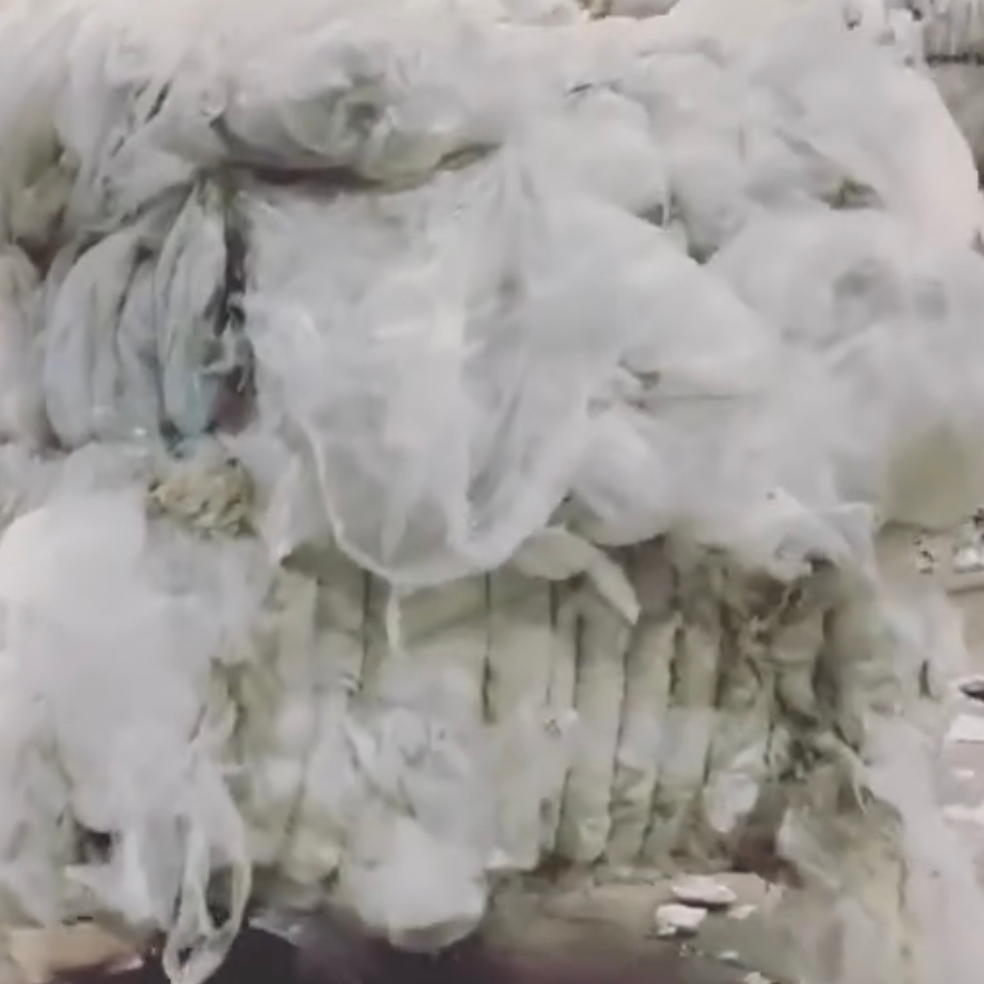
Metal scraps are baled or bundled with steel straps, while plastic scraps are compressed into bales and loaded into 20‑ft or 40‑ft containers, often on wooden pallets, in line with standard HS‑code packaging practices.
What documentation should a buyer request before purchasing?
Buyers should request a material test report (e.g., copper content for motor scrap, alloy composition for aluminium), a Certificate of Origin, and any applicable environmental compliance certificates such as R2 or ISO 14001.
Which markets typically import these Bangladeshi scrap products?
The United States, European Union and Southeast Asian recycling hubs are the main destinations for motor and aluminium scrap, while BOPP, LDPE, ABS, PMMA and PU foam scraps are commonly shipped to re‑processing facilities in China, India and Turkey.
What are the typical lead times for orders?
Lead times range from two weeks for standard metal bales to four‑to‑six weeks for mixed polymer consignments, depending on sorting, quality verification and container booking.




 , Bangladesh






.jpg.png)