Syndicate Doors — Verified Manufacturer & Wholesale Supplier
About Syndicate Doors - Home Furniture & Interior Decoration Supplier in Ukraine
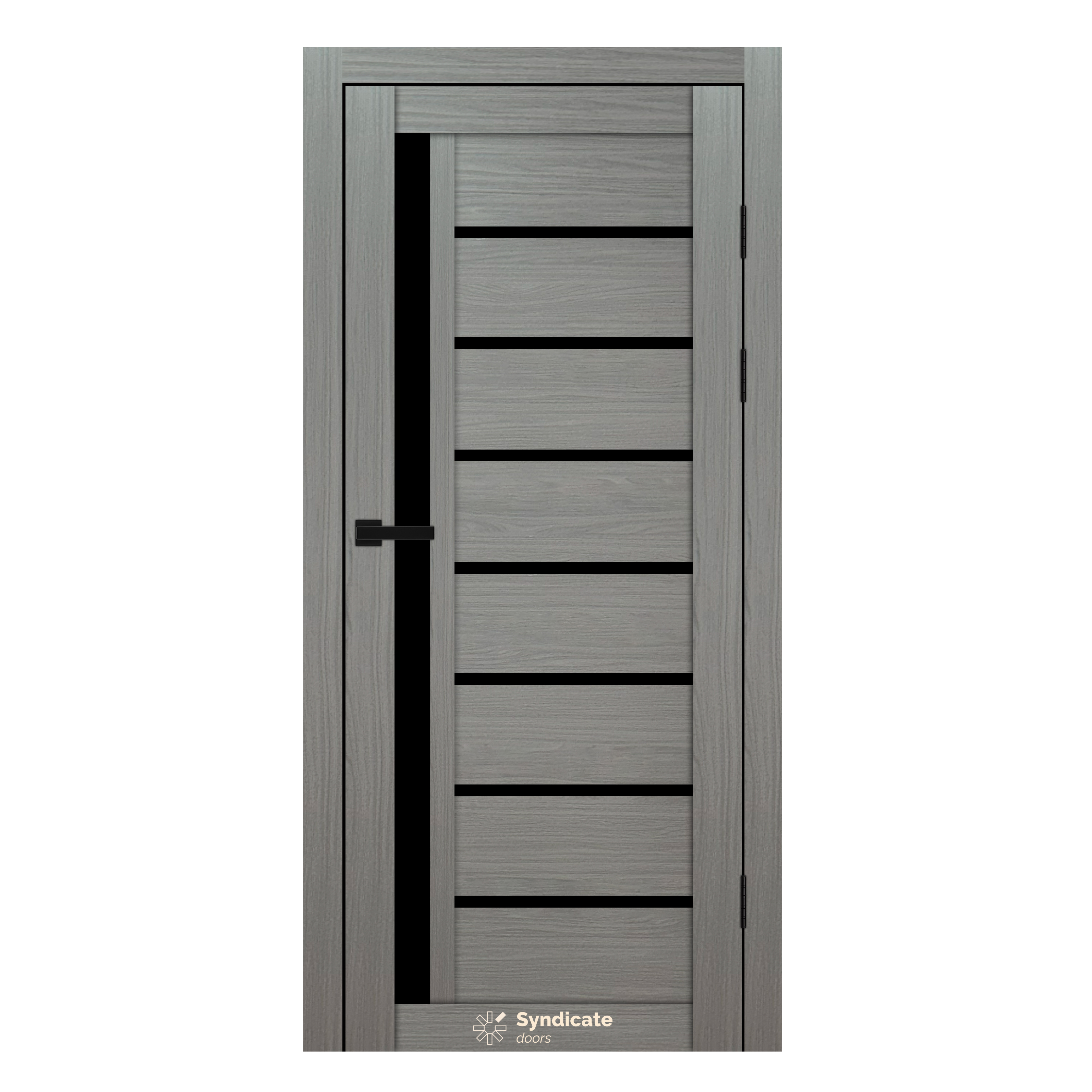
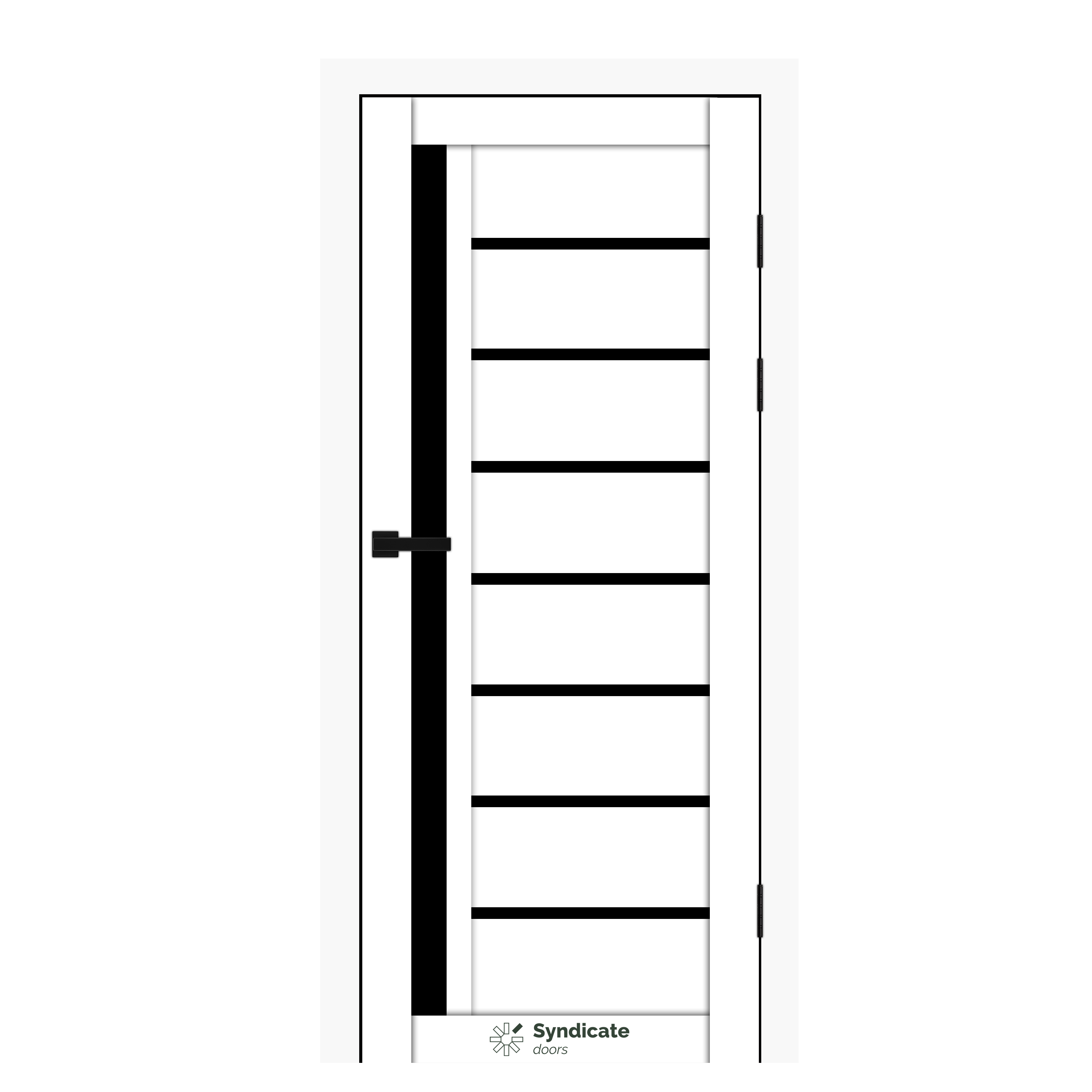
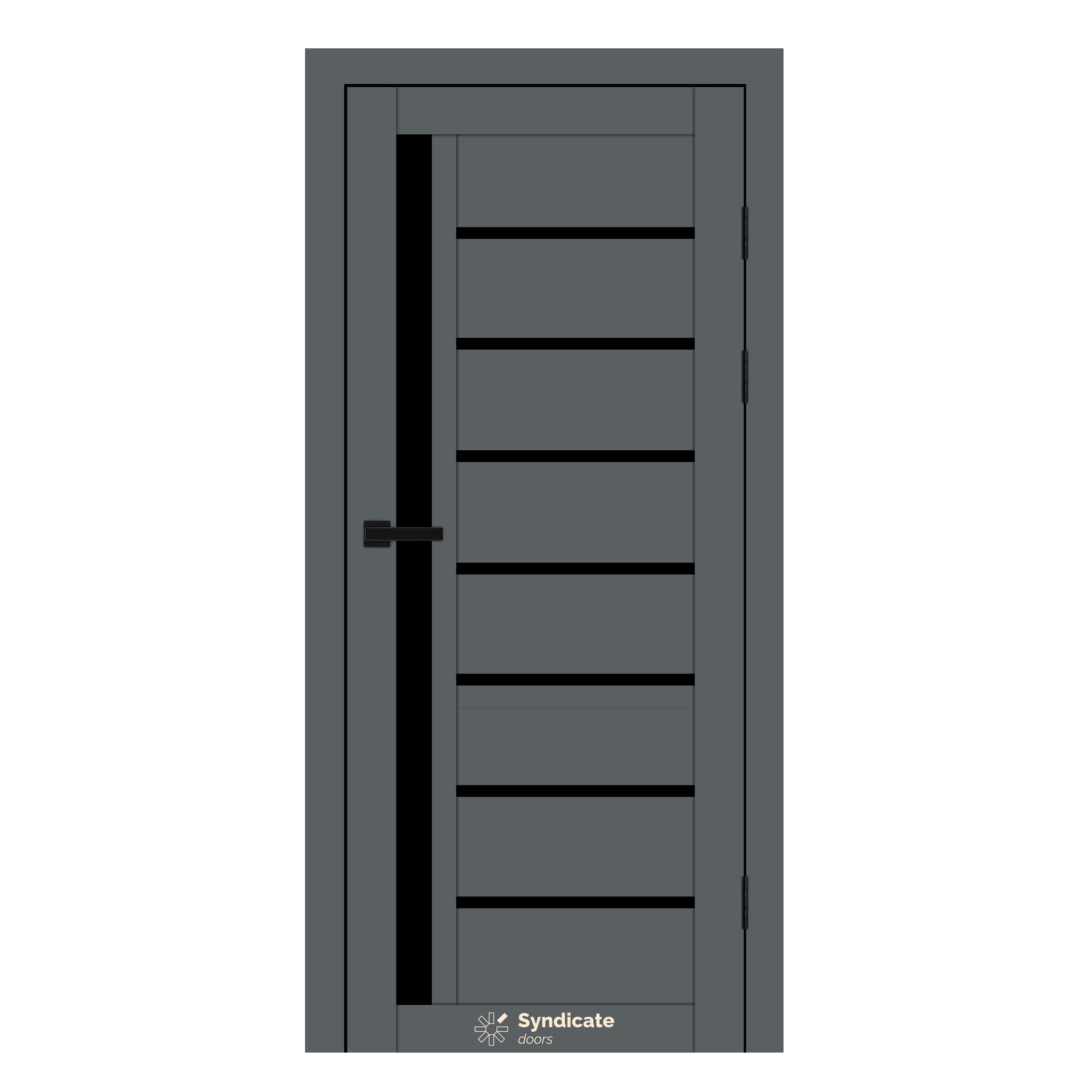
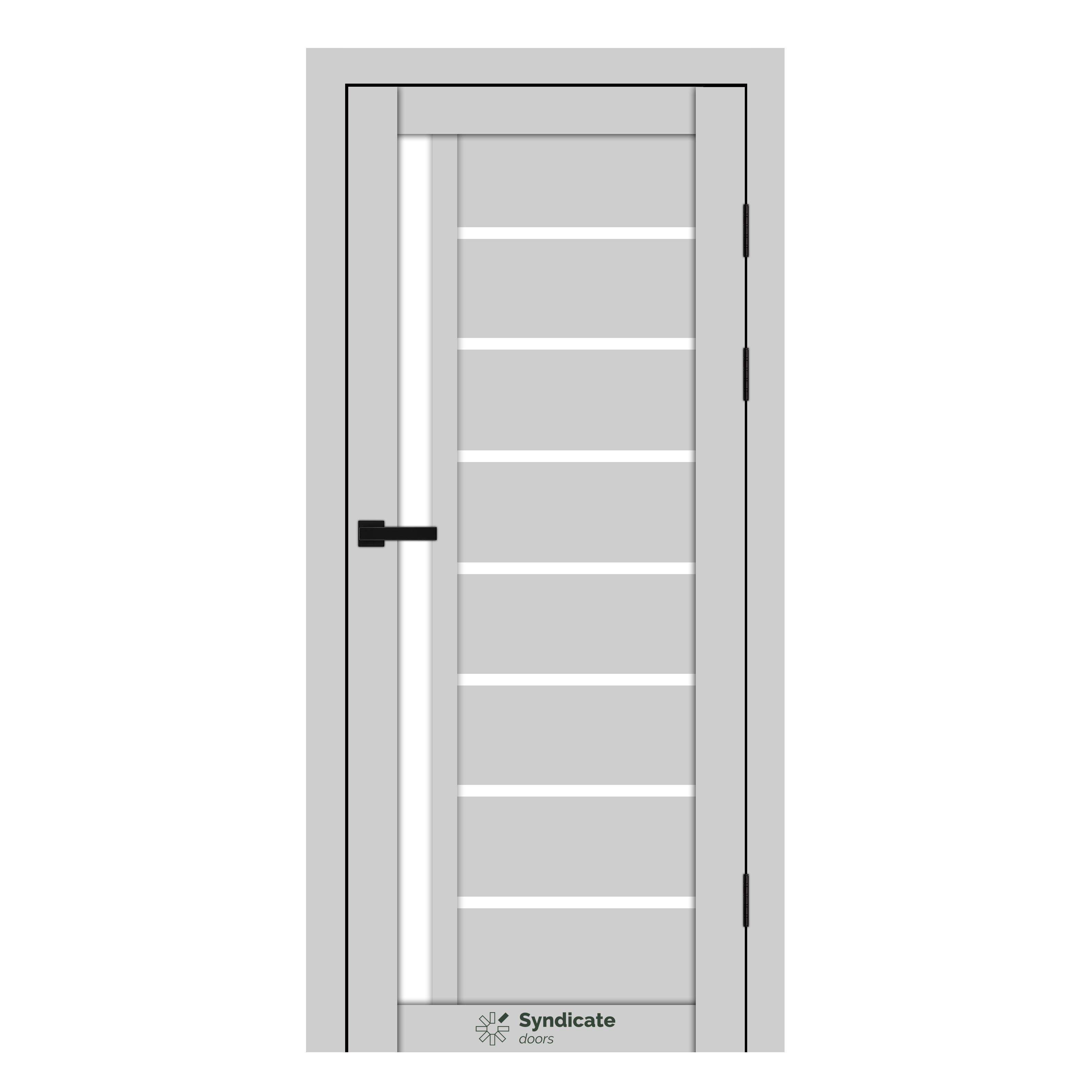
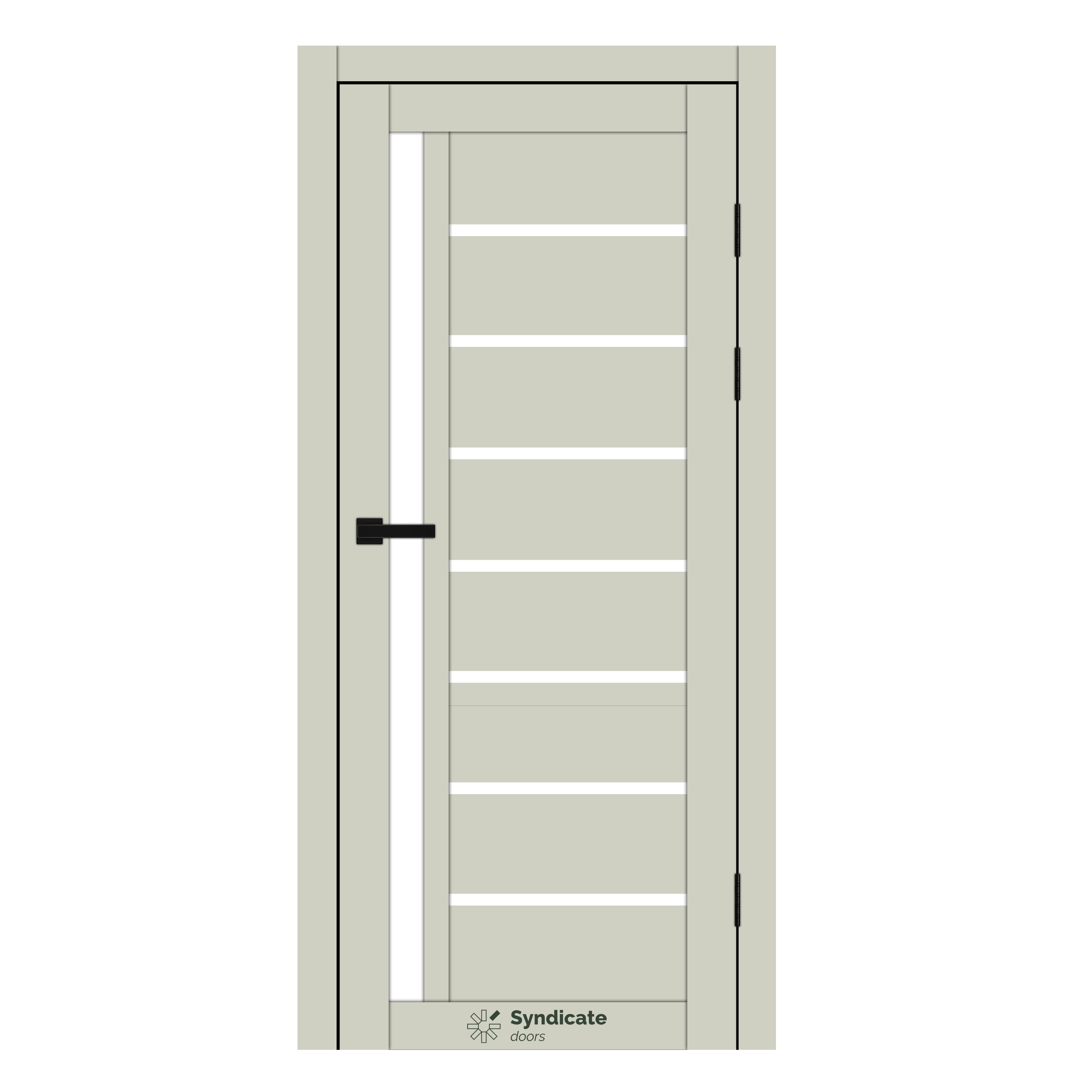
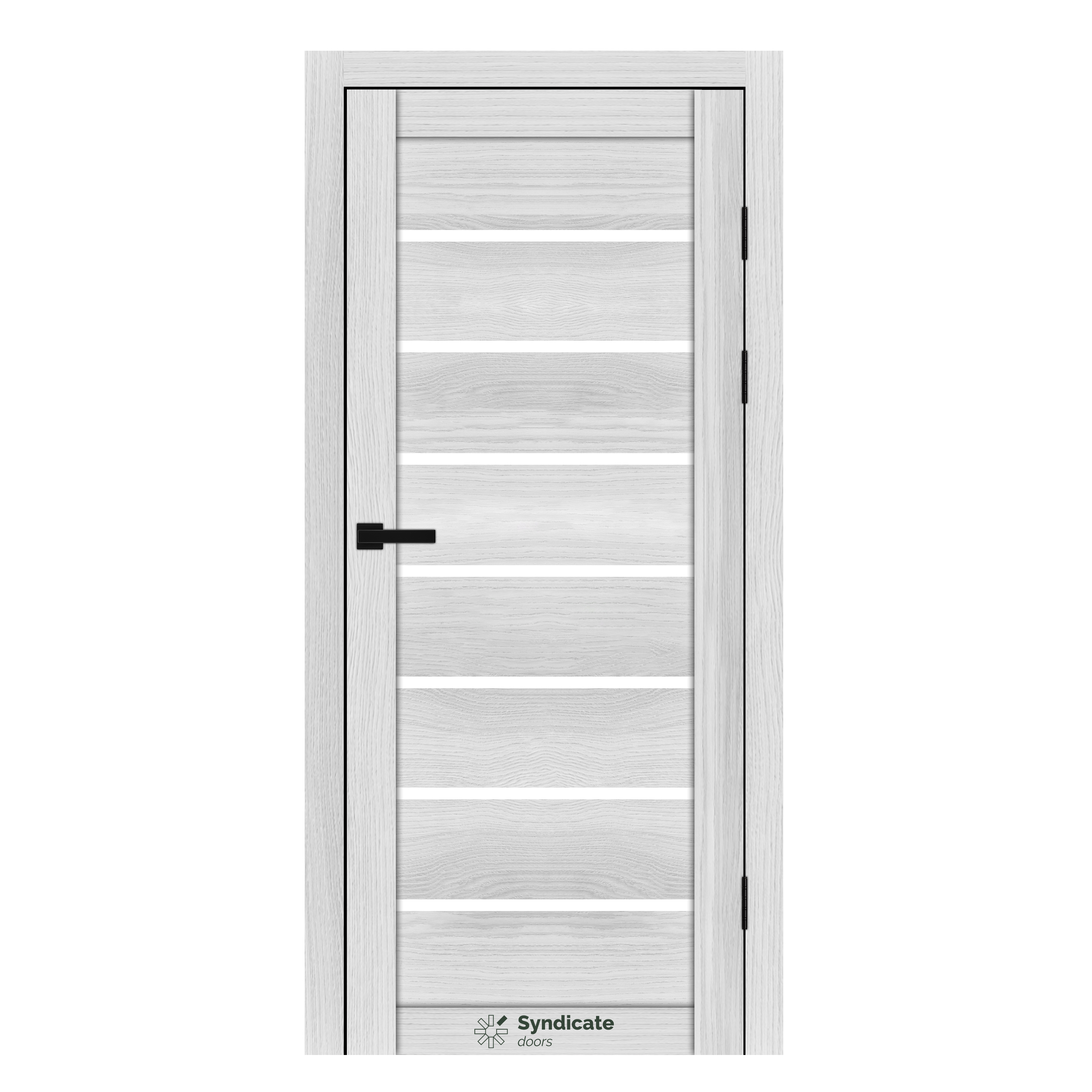
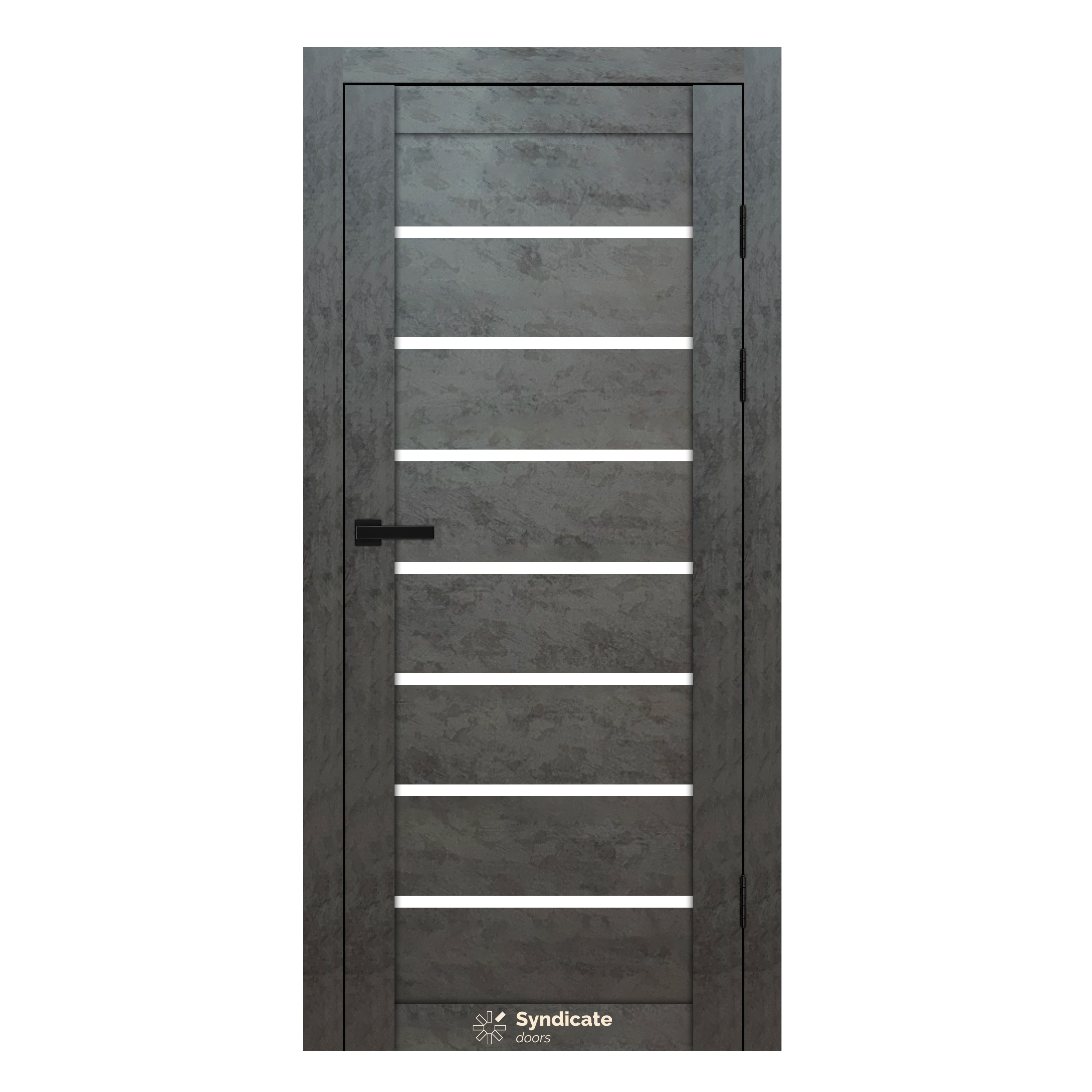
Syndicate Doors, based in the Kyiv region of Ukraine, offers 7 active products. The company's product range includes interior doors, such as the Interior door SD-PVC-101 Venge Modern, Interior door SD-PVC-101 Emalia bianco, and Interior door SD-PVC-102 Concrete Dark, all made from wood with MDF material. These products fall under the HS code families 4418.20, 3925.30.00, and 9403.90. Syndicate Doors is a manufacturer of interior doors, providing both standard and custom solutions.
The company's products are part of the Home Furniture & Interior Decoration category, which typically includes a broad selection of designs, finishes, and configurations. Buyers of interior doors usually require certifications such as ISO 9001, and look for factors like quality, durability, and aesthetic appeal. The Kyiv region of Ukraine is known for its modern manufacturing facilities, and Syndicate Doors is one of the most advanced door manufacturing facilities in Eastern Europe.
Product Range and Specialties of Syndicate Doors
Syndicate Doors' product range includes interior doors with various designs, finishes, and configurations. The company's catalogue includes products like the Interior door SD-PVC-101 Venge Modern, which is made from wood with MDF material and has an HS code of 4418.20. Buyers of interior doors typically look for products that meet certain standards, such as EN 13349, and have specific quality parameters like moisture resistance and scratch resistance.
The interior door category typically includes products with different materials, such as wood, MDF, and glass. Buyers may also look for certifications like FSC, which ensures that the products are made from sustainably sourced materials. Syndicate Doors' products are made from wood with MDF material, which is a common material used in the interior door industry.
Trade and Export Information - Syndicate Doors
Exporters of interior doors, like Syndicate Doors, typically export their products to regions like Europe, North America, and the Middle East. The HS code families 4418.20, 3925.30.00, and 9403.90 are commonly used for interior doors, and buyers usually require certifications like CE and ISO 9001. The Incoterms like FOB and CIF are commonly used in the interior door trade, and logistics companies typically handle the transportation of these products.
The interior door industry is subject to certain regulations, like the EU's Construction Products Regulation, which requires that products meet certain standards for safety and performance. Buyers of interior doors should be aware of these regulations and ensure that the products they purchase comply with them. Syndicate Doors, as a manufacturer of interior doors, should be aware of these regulations and ensure that their products meet the required standards.
Sourcing from Syndicate Doors - Buyer Guidance
When sourcing from Syndicate Doors, buyers should request certifications like ISO 9001, and look for factors like quality, durability, and aesthetic appeal. Buyers should also verify the products' compliance with regulations like the EU's Construction Products Regulation, and ensure that the products meet certain standards for safety and performance.
Buyers of interior doors typically require a certain level of quality, and should request test reports, documents, and certifications to ensure that the products meet their requirements. The MOQ and lead time should also be confirmed, and the packaging and shipping arrangements should be clarified. Syndicate Doors, as a manufacturer of interior doors, should be able to provide this information to buyers.
Frequently Asked Questions About Syndicate Doors
What is the HS code for the Interior door SD-PVC-101 Venge Modern?
The HS code for the Interior door SD-PVC-101 Venge Modern is 4418.20. This code is used for interior doors made from wood with MDF material.
What certifications should I request from Syndicate Doors?
You should request certifications like ISO 9001, which ensures that the products meet certain standards for quality and performance. You may also want to request certifications like FSC, which ensures that the products are made from sustainably sourced materials.
What is the typical lead time for Syndicate Doors' products?
The typical lead time for Syndicate Doors' products is not specified, but it is recommended to confirm the lead time with the company before placing an order. The MOQ should also be confirmed, and the packaging and shipping arrangements should be clarified.
What is the material used for the Interior door SD-PVC-102 Concrete Dark?
The material used for the Interior door SD-PVC-102 Concrete Dark is wood with MDF. This is a common material used in the interior door industry, and is known for its durability and aesthetic appeal.
Can I request a custom-made interior door from Syndicate Doors?
Yes, Syndicate Doors offers custom-made and non-standard solutions upon request. You should contact the company to discuss your specific requirements and to confirm their ability to meet your needs.
What is the Incoterms used for the transportation of Syndicate Doors' products?
The Incoterms used for the transportation of Syndicate Doors' products is not specified, but it is recommended to confirm the Incoterms with the company before placing an order. The logistics companies typically handle the transportation of these products, and the Incoterms like FOB and CIF are commonly used in the interior door trade.
How can I verify the quality of Syndicate Doors' products?
You can verify the quality of Syndicate Doors' products by requesting test reports, documents, and certifications. You should also confirm the products' compliance with regulations like the EU's Construction Products Regulation, and ensure that the products meet certain standards for safety and performance.
What is the typical packaging used for Syndicate Doors' products?
The typical packaging used for Syndicate Doors' products is not specified, but it is recommended to confirm the packaging arrangements with the company before placing an order. The packaging should be designed to protect the products during transportation and storage.





 , Ukraine