ivory recycling sia — Verified Trader & Wholesale Supplier
About ivory recycling sia - Plastic Scrap Supplier in Latvia
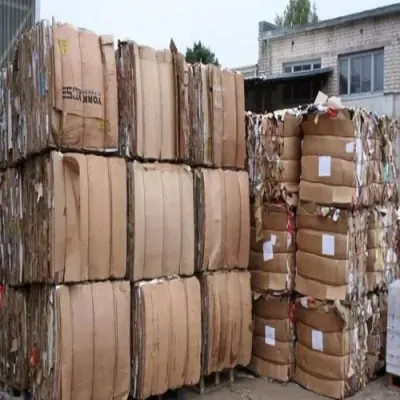
Latvia, specifically the Riga region, hosts ivory recycling sia with an active catalogue of nine distinct scrap products. The supplier lists a variety of plastic waste - including LDPE film, HDPE rolls, drums and milk bottles, PET bottle bales, ABS regrind, BOPP print scrap, PMMA off‑cuts and polyurethane foam - each recorded under HS code 3915.10 or 3915.90. In addition, the catalogue includes waste paper (OCC) classified under HS code 4707.00. The product titles reflect the material form (e.g., rolls, bales, lumps) and the supplier’s focus on secondary raw materials for reprocessing.
ivory recycling sia is identified as an imported tier supplier with a harbor trust tier, and it operates as a subsidiary of IVORY Pharm Inc., a U.S.‑based exporter. The company’s profile emphasizes the repurposing of industrial plastic scrap into pellets and regrinds, aligning with broader EU recycling directives. No additional corporate size or revenue data are provided beyond the nine product entries.
Product Range and Specialties of ivory recycling sia
The catalogue covers nine product lines: LDPE film scrap, HDPE (including rolls, blue drums and milk bottles), PET bottle bales, ABS regrind, BOPP print scrap, PMMA off‑cuts, polyurethane foam scrap, and OCC waste paper. In the plastics industry, LDPE film scrap is typically graded by melt flow index (MFI 0.5‑5 g/10 min) and contamination below 5 %. HDPE grades for bales and drums often target MFI 0.2‑2 g/10 min with colour specifications such as clear or blue. PET bottle scrap is usually assessed for intrinsic viscosity (IV 0.70‑0.80 dl/g) and colour sorting. ABS regrind is commonly specified by impact strength (>30 J) and ash content (<0.1 %). BOPP print scrap is measured by basis weight (30‑80 g/m²) and colour consistency, while PMMA off‑cuts are evaluated for thickness (0.5‑5 mm) and optical clarity. PU‑foam scrap grades focus on density (30‑150 kg/m³) and open‑cell content. OCC paper is typically classified by reclaimed fibre content (70‑85 %) and moisture (≤6 %). These industry benchmarks help buyers compare the supplier’s offerings against standard specifications.
Trade and Export Information - ivory recycling sia
Plastic scrap from Latvia benefits from the country's EU membership, which provides established logistics through the Port of Riga and compliance with EU waste shipment regulations (EU 2018/851). HS code 3915.10 covers polyolefin and PET waste, while 3915.90 captures other plastic waste such as BOPP, PMMA and PU‑foam; both codes are routinely inspected for contamination levels and proper documentation. Typical import destinations include Asian markets (China, India, Vietnam), the Middle East (UAE, Saudi Arabia) and North America, where buyers often require FOB Riga or CIF terms. Standard container loads range from one 20‑ft container (≈12 tons of baled plastic) to a 40‑ft container (≈24 tons). Common certifications requested are REACH registration, ISO 9001 quality management, and third‑party analysis reports (e.g., SGS, Intertek).
Buyers should also be aware of the need for a waste shipment permit when exporting from the EU, as well as the requirement to provide a detailed material safety data sheet (MSDS) and a declaration of downstream recycling. Packaging is typically in compressed bales or rolls secured with steel strapping, and PET or paper bales are often wrapped in polypropylene film for moisture protection. These practices align with industry norms for safe handling, efficient containerisation and regulatory compliance.
Sourcing from ivory recycling sia - Buyer Guidance
When sourcing from ivory recycling sia, buyers should request a recent third‑party analysis report that includes contamination percentage, melt flow index (for polyolefins), intrinsic viscosity (for PET) and any colour or additive specifications. A Material Safety Data Sheet (MSDS) and proof of REACH registration are standard documents that help verify compliance with EU chemical regulations.
Before placing an order, confirm the minimum order quantity (typically 1 tonne per grade) and the expected lead time of 4‑6 weeks after order confirmation and receipt of required documentation. Verify packaging details (bale dimensions, strapping method) and ask for a sample batch to test against the stated specifications. Ensuring these checks are completed reduces the risk of non‑conformity and aligns the purchase with typical industry quality controls.
Frequently Asked Questions About ivory recycling sia
What types of plastic scrap does ivory recycling sia offer?
The supplier lists LDPE film scrap, HDPE rolls, drums and milk bottles, PET bottle bales, ABS regrind, BOPP print scrap, PMMA off‑cuts and polyurethane foam scrap, each classified under HS 3915.10 or 3915.90.
Which HS codes are used for the listed scrap materials?
LDPE, HDPE, PET, ABS and most other plastic waste fall under HS 3915.10; BOPP print scrap, PMMA and PU‑foam are recorded under HS 3915.90; waste paper (OCC) uses HS 4707.00.
What certifications should a buyer request for these scrap products?
Buyers typically request a Material Safety Data Sheet (MSDS), a third‑party analysis report (e.g., SGS or Intertek) and confirmation of REACH registration or ISO 9001 quality management where applicable.
How is the scrap usually packaged for shipment?
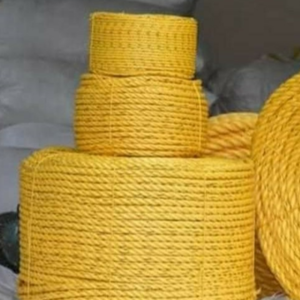
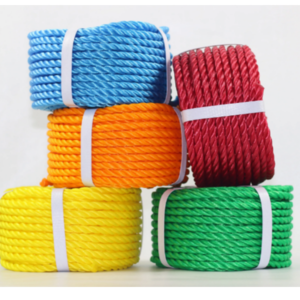
Plastic scrap is commonly compressed into bales or rolls secured with steel strapping; PET bottles are baled in 1‑ton bundles; paper OCC is also baled. Standard 20 ft or 40 ft containers are used for bulk transport.
What are typical minimum order quantities and lead times?
Minimum orders are generally 1 tonne per grade, with lead times ranging from four to six weeks after the purchase order and required documentation are received.
Which markets commonly import Latvian plastic scrap?
Major importers include Asian countries such as China, India and Vietnam, Middle‑Eastern markets like the UAE and Saudi Arabia, and North‑American buyers, often under FOB Riga or CIF terms.
Are there environmental regulations that affect export of this scrap?
Exports must comply with the EU Waste Shipment Regulation (EU 2018/851), which may require a waste shipment permit and proof of downstream recycling for the material.
How can a buyer verify material composition before purchase?
Request a sample for laboratory testing and review the provided melt flow index for polyolefins, density for PET, colour and contamination specifications, and any relevant test reports attached to the supplier’s data sheet.




 , Latvia