Ivory Wait Recycling — Verified Trader & Wholesale Supplier
About Ivory Wait Recycling - Plastic Scrap Supplier in Kuwait
Ivory Wait Recycling operates from Al‑Asima, Kuwait and lists six active product lines in its catalogue. The catalogue covers LDPE scrap (HS 3915.10, material ldpe), PET bottle scrap (HS 3915.10, material pet bottle), BOPP film scrap (HS 3920.20, material bopp), PU foam scrap (HS 3921.11, material pu foam), waste paper OCC (HS 4707.10, material waste paper) and ABS plastic scrap (HS 3903.30, material ABS). The supplier is classified as an imported tier with a harbor trust tier, indicating it sources materials for re‑export. Each product entry specifies the material type and the corresponding HS‑code family, allowing buyers to match trade documentation precisely. The supplier’s profile mentions a broad range of related categories such as advertising equipment and construction spares, but the active product count of six reflects the current scrap material focus.
Product Range and Specialties of Ivory Wait Recycling
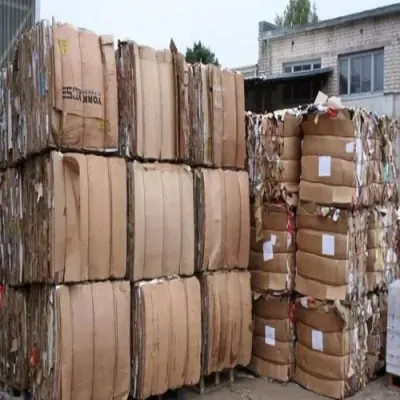
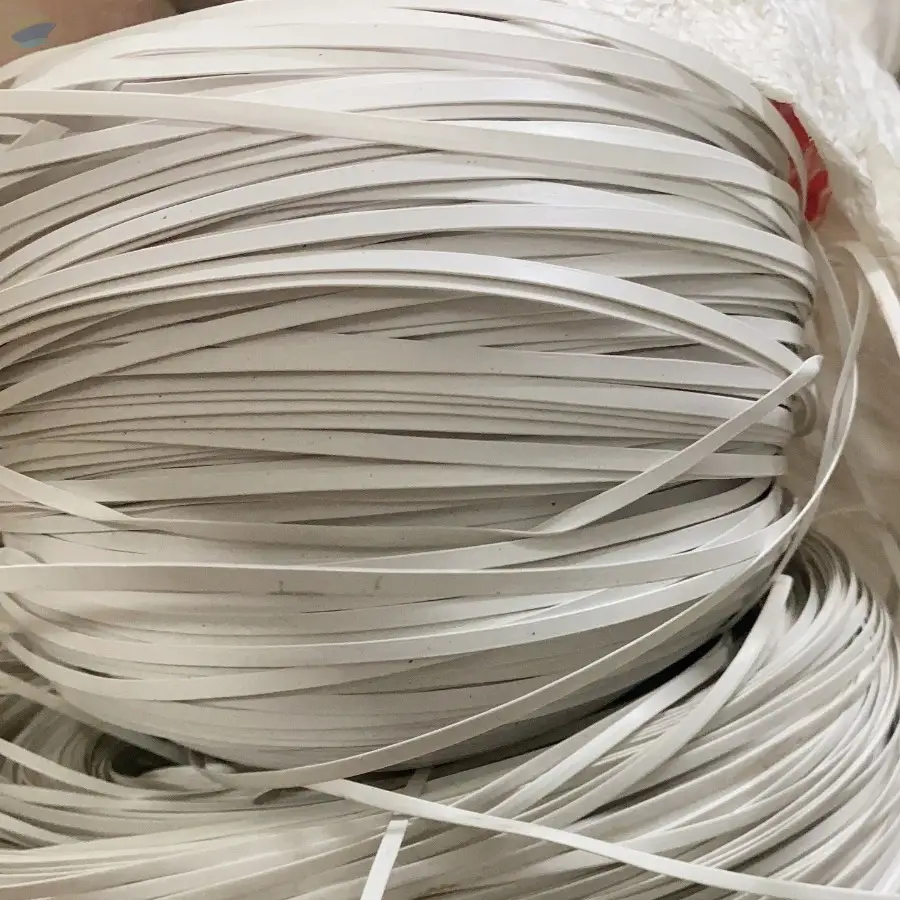
The listed LDPE scrap is offered as rolls, bales and mixed grades, typical for re‑processing into low‑density polyethylene pellets. In the industry LDPE grades are commonly identified by melt flow index (MFI) values between 0.5 and 5 g/10 min and a density of 0.915 - 0.925 g/cm³. PET bottle scrap is supplied in clean bale form; standard PET #1 grade has intrinsic viscosity (IV) around 0.80 - 0.95 dl/g and is widely used for new bottle production. BOPP film scrap is categorized by thickness (often 10 - 30 µm) and gloss level, with industry buyers checking for uniformity and absence of delamination. PU foam scrap, including memory and sponge types, is measured by bulk density (typically 30 - 150 kg/m³) and hardness (Shore A 30 - 80). Waste paper OCC is graded by fiber length and ash content, with common specifications of 70 - 80 % recycled content and moisture below 12 %. ABS scrap is evaluated for impact strength (≈ 30 kJ/m²) and melt flow (MFR 5 - 30 g/10 min).
Trade and Export Information - Ivory Wait Recycling
Kuwait serves as a regional hub for exporting recyclable plastics and paper to Asian manufacturers in China, India, Vietnam and to European recyclers in the Netherlands and Germany. HS chapter 39 codes (e.g., 3915.10, 3920.20, 3903.30) are routinely inspected for contamination limits, moisture content and correct labeling under customs regimes such as the EU Waste Shipment Regulation and the U.S. EPA’s TSCA. Buyers typically request ISO 14001 environmental management certification and, where applicable, REACH compliance for polymer imports. Standard export packaging includes compressed bales (≈ 1 ton per bale) for LDPE, PET and ABS, and bulk rolls for BOPP film, all secured on standard 20‑ft or 40‑ft containers. Common Incoterms are FOB Kuwait Port or CIF destination, with freight forwarding firms handling the trans‑shipment of bulk scrap to processing plants.
Sourcing from Ivory Wait Recycling - Buyer Guidance
When sourcing LDPE or PET scrap, request a material test report showing MFI, density, colour (clear or coloured) and contamination level (ideally < 0.5 % foreign material). For BOPP film, ask for thickness verification, gloss measurement and any UV‑stabiliser content. PU foam buyers should obtain bulk density, hardness and a VOC emission test. Waste paper OCC requires a fibre analysis, moisture content and a lignin‑to‑cellulose ratio. ABS scrap quotations should be accompanied by impact strength data and a melt flow index chart. In all cases, ask for a Certificate of Origin, a full Material Safety Data Sheet (MSDS) and, if available, an ISO 14001 compliance certificate before finalising the order.
Frequently Asked Questions About Ivory Wait Recycling
What types of plastic scrap does Ivory Wait Recycling provide?
The supplier lists LDPE scrap (rolls, bales, mixed grades), PET bottle scrap (clean bales), BOPP film scrap (rolls), and ABS plastic scrap, each identified with the relevant HS‑code (3915.10 for LDPE and PET, 3920.20 for BOPP, 3903.30 for ABS).
Which HS codes are associated with the listed scrap materials?
LDPE and PET bottle scrap use HS 3915.10, BOPP film scrap uses HS 3920.20, PU foam scrap uses HS 3921.11, waste paper OCC uses HS 4707.10, and ABS plastic scrap uses HS 3903.30.
What documentation should a buyer request before purchasing waste paper OCC?
Buyers should request a laboratory analysis showing fibre length, moisture content (typically < 12 %), ash content, and a Certificate of Origin. An ISO 14001 or equivalent environmental compliance certificate is also advisable.
Are there typical minimum order quantities for the scrap bales?
Standard industry practice for bulk scrap bales is a minimum of one tonne per bale, which translates to approximately 1 tonne for LDPE, PET or ABS bales. Larger orders are usually consolidated into 20‑ft or 40‑ft containers.
What quality tests are common for PU foam scrap?
Buyers normally ask for bulk density (30 - 150 kg/m³), Shore A hardness (30 - 80) and a VOC emission test to ensure compliance with regional safety regulations.
Which certifications are commonly required for importing plastic scrap from Kuwait?
Importers often require ISO 14001 environmental management certification, REACH compliance for EU destinations, and a Material Safety Data Sheet (MSDS) for each polymer type.
What packaging format is used for BOPP film scrap?
BOPP film scrap is typically supplied in compressed rolls, wrapped in moisture‑resistant film and palletised for shipment in standard containers.
How long is the typical lead time from order to shipment?
Lead times vary by material but generally range from 2 to 4 weeks for processing, bale formation and container loading, assuming all required documentation is provided up front.




 , Kuwait