Xinology Co., Ltd. — Supplier
About Xinology Co., Ltd. - Glass Machinery Supplier in China
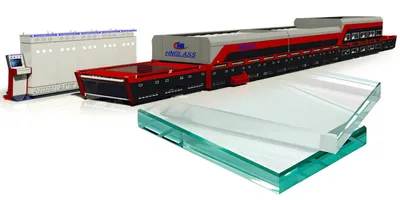
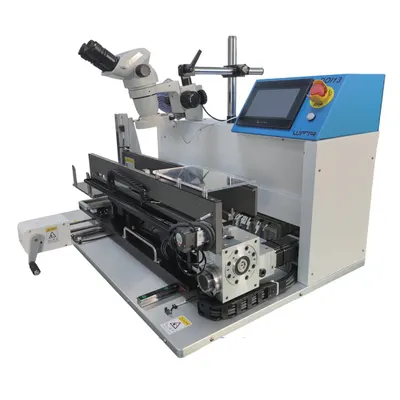
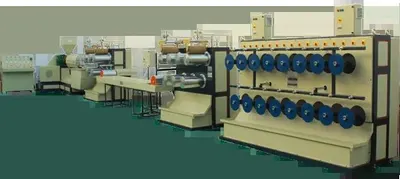
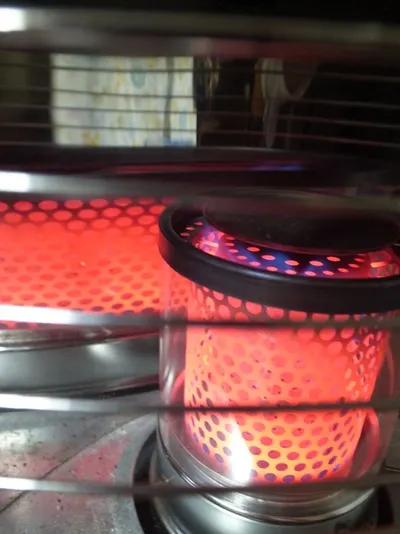
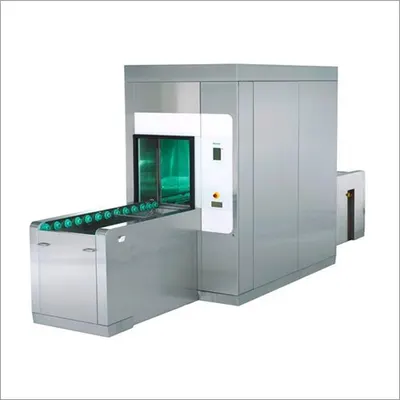
Xinology Co., Ltd. is based in China and currently lists 14 active products in its catalogue. The company’s offerings concentrate on glass processing equipment, covering a variety of machine types used in manufacturing and finishing of glass components. Products include PDLC glass production lines, EVA laminated glass machines, glass edging machines, and horizontal double glass holes drilling machines. Additional items such as sliding glass bending ovens, glass tempering furnaces, and automatic glass cutting machines are also listed. Each entry is identified by its functional category rather than by HS code in the supplied data.
The catalogue groups the machines under broader categories such as glass machinery, agriculture, drilling machines & tools, and heaters, with glass machinery forming the primary focus. Typical specifications for these machines in the industry include cutting lengths up to 3,200 mm, drilling diameters from 2 mm to 30 mm, and temperature control ranges from 150 °C to 650 °C for bending ovens. Production capacities are often expressed in square meters per hour, for example 30 m²/h for tempering furnaces. The listed machines are designed for both flat and curved glass applications, supporting processes such as screen printing, sorting, and cutting of solar cells. Buyers can locate the full set of 14 product titles through the supplier’s platform.
Product Range and Specialties of Xinology Co., Ltd.
The product range includes PDLC glass machines, which are used to produce switchable glass panels with typical transmittance of 5 % (opaque) and 80 % (transparent) and response times under 300 ms. EVA laminated glass machines are specified for lamination of glass sheets with EVA interlayers of 0.38 mm to 0.76 mm thickness, meeting standards such as EN 14604 for safety glass. Glass edging machines in the industry commonly achieve edge straightness within 0.02 mm and can handle glass widths up to 2,200 mm. Drilling machines for glass holes are offered in horizontal double and spindle configurations, with typical drilling speeds of 0.5 - 2 m/min and coolant systems to prevent micro‑cracks. Bending ovens and tempering furnaces operate under controlled atmospheres, with temperature uniformity better than ±5 °C across the heating chamber.
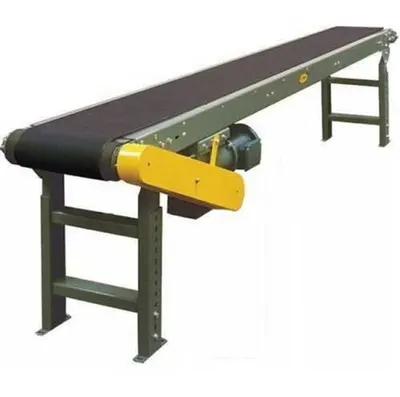
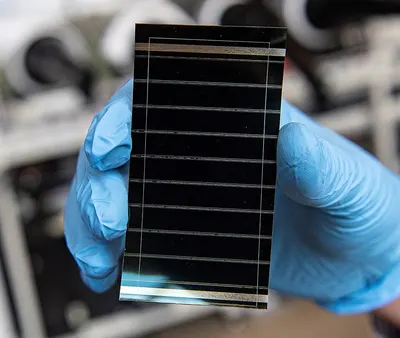
The automatic glass cutting machines usually provide computer‑numerically‑controlled (CNC) accuracy of ±0.1 mm and can cut glass up to 25 mm thickness. Screen printing machines for glass are compatible with inks meeting ASTM C1170, allowing image resolution up to 600 dpi. Solar cell sorting and cutting equipment is aligned with IEC 61215 testing requirements for photovoltaic modules. Tilting conveyors and cover ovens are auxiliary equipment that facilitate material handling and continuous processing in a production line.
Trade and Export Information - Xinology Co., Ltd.
Chinese manufacturers of glass processing machinery commonly export to Europe, the United States, the Middle East, and Southeast Asian markets, where demand for energy‑efficient building façades and automotive glass is strong. The relevant HS code for most glass machinery falls under Chapter 84, heading 8425 (machines for working of glass) and 8426 (other machinery for the manufacture of glass). Export shipments are typically packed in 20‑foot or 40‑foot containers, with dimensions of the machines allowing modular disassembly for transport.
Buyers usually request CE marking, ISO 9001 quality management certification, and where applicable IEC safety certifications to meet import regulations. Inspection agencies such as SGS or Bureau Veritas often perform pre‑shipment audits, and the commercial invoice must list the HS code, country of origin (China), and value for customs. Common Incoterms include FOB Shanghai or CIF destination port, with freight forwarding firms handling container loading and inland transport.
Sourcing from Xinology Co., Ltd. - Buyer Guidance
Prospective buyers should obtain a detailed specification sheet for each machine, confirming parameters such as maximum glass size, power consumption (kW), and control system (PLC or CNC). Requesting a third‑party test report, for example a CE Declaration of Conformity or an ISO 9001 audit report, helps verify that the equipment meets international safety and quality standards.
It is advisable to ask for a video demonstration or on‑site trial if feasible, and to clarify the warranty period, spare parts availability, and after‑sales technical support. Verify the lead time indicated in the supplier’s quotation, which for Chinese manufacturers typically ranges from 30 to 90 days depending on the machine complexity and any customization.
Frequently Asked Questions About Xinology Co., Ltd.
What types of glass processing machines are listed by Xinology Co., Ltd.?
The catalogue includes PDLC glass machines, EVA laminated glass machines, glass edging machines, horizontal double glass holes drilling machines, sliding glass bending ovens, glass tempering furnaces, glass screen printing machines, solar cell sorting and cutting equipment, tilting conveyors, and automatic glass cutting machines.
Are the machines suitable for producing laminated or switchable glass?
Yes. The EVA laminated glass machine is designed for lamination with standard EVA interlayers, while the PDLC glass machine is built for manufacturing switchable glass panels that meet typical transmittance and response time specifications.
Which certifications should a buyer request for these machines?
Buyers should request CE marking, an ISO 9001 quality management certificate, and any IEC safety certifications relevant to the specific machine type. Third‑party test reports confirming compliance with regional standards are also advisable.
What HS codes are commonly used for glass machinery exported from China?
Glass processing machinery is generally classified under HS Chapter 84, heading 8425 for machines for working of glass and heading 8426 for other glass‑related machinery. These codes are used for customs declarations and trade statistics.
How are the machines packaged for international shipment?
Machines are typically disassembled, crated, and loaded into 20‑foot or 40‑foot containers. Protective padding and moisture‑resistant liners are used to safeguard delicate components during sea freight.
What is the typical lead time and minimum order quantity?
Lead times for standard models usually range from 30 to 90 days from order confirmation, depending on machine size and any customization. Minimum order quantities are defined per machine model and are generally one unit per order.
How can a buyer verify the quality before purchase?
Request detailed specification sheets, CE Declaration of Conformity, ISO 9001 audit reports, and if possible a video of the machine in operation. Third‑party inspection reports from agencies such as SGS can provide additional assurance.
Which regions most frequently import Chinese glass machinery?
European countries, the United States, Middle Eastern nations, and Southeast Asian markets are the primary importers, driven by construction, automotive, and photovoltaic industry demand.




 , China