Xensp International — Supplier

About Xensp International - Fresh Lemon Supplier in India

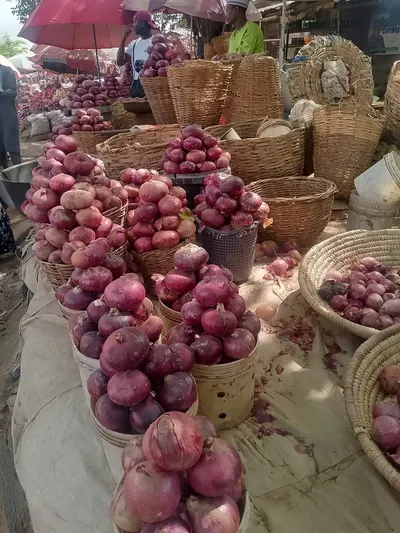
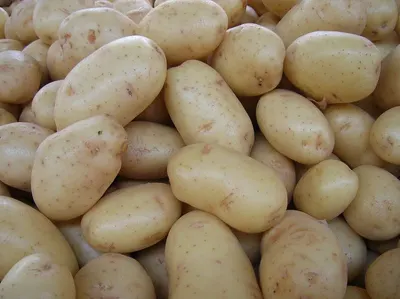
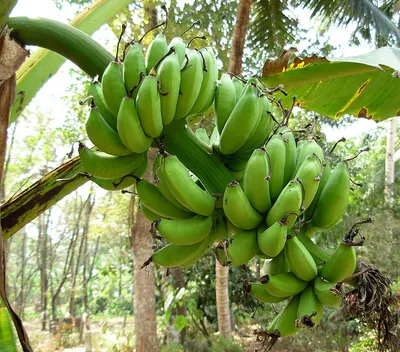
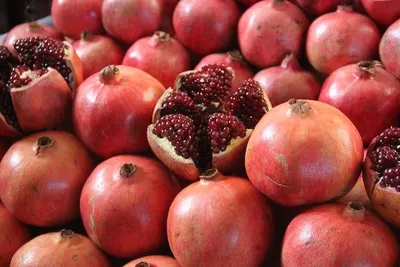
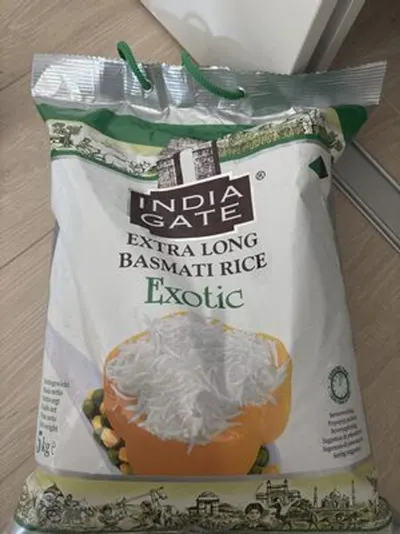
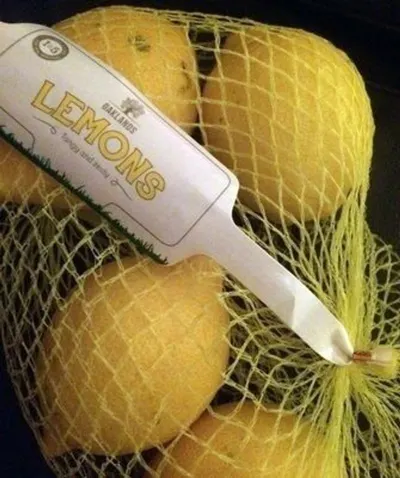
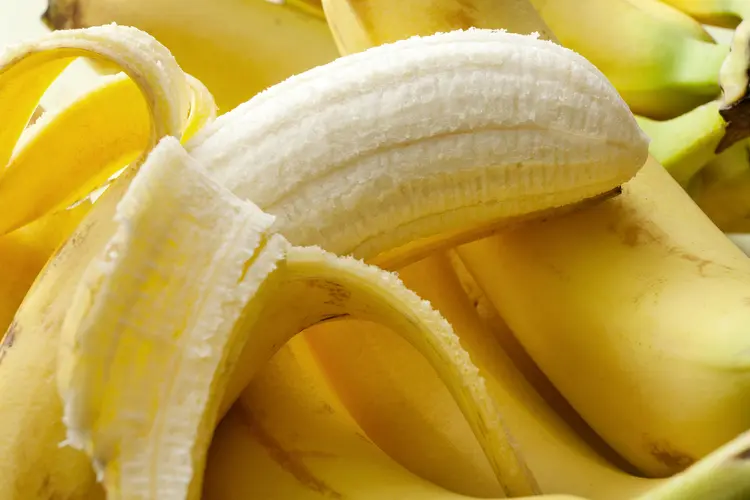
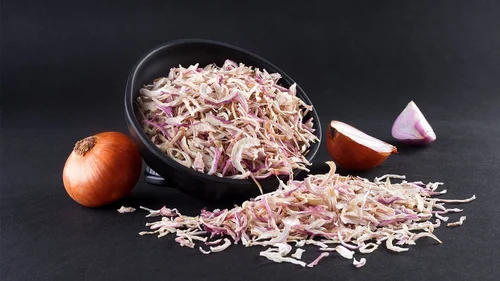
Xensp International is based in India and currently lists six active fresh‑produce items in its catalogue. The product set includes Fresh Indian Lemon, Fresh Indian Potato, Fresh Indian Banana (HS code 0803.90, material Fresh Whole Banana Fruit, Musa spp.), Fresh Indian Pomegranate, Basmati and non‑Basmati Indian Rice, and Fresh Onion. Each product falls under the standard HS chapters for fresh fruits and vegetables (chapter 07 for vegetables, chapter 08 for fruits) and cereals (chapter 10 for rice). The supplier’s catalogue does not provide additional product specifications such as size grades or moisture limits, but the HS codes identify the regulatory tariff groups used in global trade.

The listed items represent common export commodities from India, with lemons and potatoes typically classified under HS 0705 and HS 0701 respectively, while onions are under HS 0703. The banana entry uses HS 0803.90, which covers other fresh fruit not elsewhere specified. Rice is generally covered by HS 1006.00 for milled rice, distinguishing Basmati quality by grain length and aroma. All six products are subject to Indian export regulations that require phytosanitary certification and compliance with the importing country’s food safety standards.

Product Range and Specialties of Xensp International

Xensp International’s catalogue covers fresh citrus (lemon), root vegetables (potato, onion), tropical fruit (banana, pomegranate) and milled rice. In the fresh‑produce market, lemons are often graded by size (e.g., 65‑70 mm diameter) and acidity (average 5‑7 % citric acid). Potatoes are sorted by size (A‑size 55‑70 mm, B‑size 71‑85 mm) and specific gravity, while onions are evaluated for moisture content (typically 8‑10 %). Bananas are commonly exported in the “Cavendish” type with a firmness rating and a minimum length of 140 mm. Indian Basmati rice is usually classified as long‑grain (6‑7 mm kernel length after cooking) with a fragrance index measured by gas chromatography. Non‑Basmati rice grades are based on broken grain percentage and moisture content (12‑14 %).

Trade and Export Information - Xensp International

India is a major exporter of fresh horticultural produce and rice, with the Gulf Cooperation Council, the United Arab Emirates, Saudi Arabia, the United Kingdom and European Union countries being the primary destinations. Fresh lemons, potatoes, onions and bananas are shipped in refrigerated containers (40‑ft reefers) that maintain 0‑2 °C for vegetables and 8‑13 °C for bananas. Rice is typically packed in 25 kg polypropylene bags and loaded in standard dry 40‑ft containers. Common export certifications include a Phytosanitary Certificate, FSSAI export clearance, and, where required, ISO 22000 or GLOBALG.A.P. compliance. Importing countries often request a Certificate of Origin and may conduct pre‑shipment inspections under the WTO SPS Agreement.

Sourcing from Xensp International - Buyer Guidance

Buyers should request a current Phytosanitary Certificate for each fresh product and laboratory test reports confirming pesticide residue limits that meet EU or GCC standards. For rice, a moisture analysis and broken‑grain percentage report are standard verification documents. Verify that the supplier can provide batch‑level traceability, packaging dimensions (e.g., 20 kg bags for onions, 25 kg bags for rice) and container loading plans before confirming an order. Requesting a sample shipment under CIF terms is a typical first step to assess quality and packaging integrity.

Frequently Asked Questions About Xensp International

What HS codes are used for Xensp International’s fresh produce?

The banana is listed under HS 0803.90; lemons, potatoes, onions and pomegranate fall under the standard HS 07 series for fresh vegetables and fruits, while rice is classified under HS 1006.00 for milled rice.

Which certifications should I ask for when importing the fresh items?

Request a Phytosanitary Certificate for each fresh commodity, an FSSAI export clearance, and any additional certificates such as ISO 22000 or GLOBALG.A.P. that the buyer’s market may require.

What packaging formats are typical for the listed products?

Fresh lemons, potatoes, onions and pomegranate are usually packed in ventilated cardboard boxes or bulk trays suitable for reefers. Bananas are shipped in stacked banana boxes, and rice is packed in 25 kg polypropylene bags.

What are the typical container types and temperatures for shipping?

Refrigerated 40‑ft containers (reefers) are used for lemons, potatoes, onions and pomegranate at 0‑2 °C; bananas require 8‑13 °C. Dry containers are used for rice.

What quality parameters are commonly inspected for these commodities?

Lemons are checked for size (65‑70 mm) and acidity; potatoes for size and specific gravity; onions for moisture (8‑10 %); bananas for firmness and length (≥140 mm); rice for moisture (12‑14 %) and broken grain percentage.

What is a typical minimum order quantity (MOQ) for these products?

Buyers often encounter MOQs of 1 metric ton for fresh vegetables and fruits, and 5 metric tons for rice, though exact figures depend on container capacity and buyer requirements.

How long does lead time usually take from order to shipment?

Lead times for fresh produce range from 2 to 4 weeks, accounting for harvesting, packing, phytosanitary clearance and loading; rice shipments may require 3 to 5 weeks due to storage and bagging processes.

Can I request a sample before placing a full order?

Yes, a small sample shipment under CIF terms can be arranged; the supplier should provide the sample in the same packaging and temperature conditions as the full order.


Featured Products from this Supplier

Other Suppliers in Primary Category

Top Trusted Suppliers

Related Products

Trending in Parent Category

More Suppliers in Category

Related Products

Other Suppliers

EximNext
7.2K+ live requirements
Register Free🎁 Reach global buyers
Post Requirement
🌍 Trusted by 225K+ businesses in 200+ countries|
7.2K+ active requirements right now
✉️ [email protected]
|
Sell on EximNextPost Requirement
EximNext
AgricultureApparelConstructionElectronicFoodHomeIndustrialMineralsMiscellaneous
🔥 Deals|✨ AI Match|🏭 Suppliers|📋 Buy Leads|💰 Trade Finance
7.2K+ live RFQs·194.8K+ suppliers
🎁 Reach global buyers →
EximNext
EximNext
Register Free
🎁 Reach global buyers
Sign In
📋Post Requirement💬Get Quotes✨AI Match📋RFQ Marketplace
All Categories
Services & Tools
🏭Supplier Directory🔥Today's Deals💰Trade Finance
Sell on EximNext →
AboutContactBlogHelp
Agriculture & Food  ·  India
6
products listed

Xensp International

⚓ Harbor
Country flag , IndiaNew supplier / no reviews yet
🛡️
54/100
Trust Score

Xensp International Product Catalog

Showing 6 of 6 products
View all products →
Fresh Onion
⚓ Harbor
Fresh Onion
Contact
MOQ: 1 Unit
Fresh Indian Potato
⚓ Harbor
Fresh Indian Potato
Contact
MOQ: 1 Unit
Fresh Indian Banana
⚓ Harbor
Fresh Indian Banana
Contact
MOQ: 1 Unit
Fresh Indian Pomegranate
⚓ Harbor
Fresh Indian Pomegranate
Contact
MOQ: 1 Unit
Basmati And Non-bamasti Indian Rice
⚓ Harbor
Basmati And Non-bamasti Indian Rice
Contact
MOQ: 1 Unit
Fresh Indian Lemon
⚓ Harbor
Fresh Indian Lemon
Contact
MOQ: 1 Unit

About Xensp International - Fresh Lemon Supplier in India

Xensp International is based in India and currently lists six active fresh‑produce items in its catalogue. The product set includes Fresh Indian Lemon, Fresh Indian Potato, Fresh Indian Banana (HS code 0803.90, material Fresh Whole Banana Fruit, Musa spp.), Fresh Indian Pomegranate, Basmati and non‑Basmati Indian Rice, and Fresh Onion. Each product falls under the standard HS chapters for fresh fruits and vegetables (chapter 07 for vegetables, chapter 08 for fruits) and cereals (chapter 10 for rice). The supplier’s catalogue does not provide additional product specifications such as size grades or moisture limits, but the HS codes identify the regulatory tariff groups used in global trade.

The listed items represent common export commodities from India, with lemons and potatoes typically classified under HS 0705 and HS 0701 respectively, while onions are under HS 0703. The banana entry uses HS 0803.90, which covers other fresh fruit not elsewhere specified. Rice is generally covered by HS 1006.00 for milled rice, distinguishing Basmati quality by grain length and aroma. All six products are subject to Indian export regulations that require phytosanitary certification and compliance with the importing country’s food safety standards.

Product Range and Specialties of Xensp International

Xensp International’s catalogue covers fresh citrus (lemon), root vegetables (potato, onion), tropical fruit (banana, pomegranate) and milled rice. In the fresh‑produce market, lemons are often graded by size (e.g., 65‑70 mm diameter) and acidity (average 5‑7 % citric acid). Potatoes are sorted by size (A‑size 55‑70 mm, B‑size 71‑85 mm) and specific gravity, while onions are evaluated for moisture content (typically 8‑10 %). Bananas are commonly exported in the “Cavendish” type with a firmness rating and a minimum length of 140 mm. Indian Basmati rice is usually classified as long‑grain (6‑7 mm kernel length after cooking) with a fragrance index measured by gas chromatography. Non‑Basmati rice grades are based on broken grain percentage and moisture content (12‑14 %).

Trade and Export Information - Xensp International

India is a major exporter of fresh horticultural produce and rice, with the Gulf Cooperation Council, the United Arab Emirates, Saudi Arabia, the United Kingdom and European Union countries being the primary destinations. Fresh lemons, potatoes, onions and bananas are shipped in refrigerated containers (40‑ft reefers) that maintain 0‑2 °C for vegetables and 8‑13 °C for bananas. Rice is typically packed in 25 kg polypropylene bags and loaded in standard dry 40‑ft containers. Common export certifications include a Phytosanitary Certificate, FSSAI export clearance, and, where required, ISO 22000 or GLOBALG.A.P. compliance. Importing countries often request a Certificate of Origin and may conduct pre‑shipment inspections under the WTO SPS Agreement.

Sourcing from Xensp International - Buyer Guidance

Buyers should request a current Phytosanitary Certificate for each fresh product and laboratory test reports confirming pesticide residue limits that meet EU or GCC standards. For rice, a moisture analysis and broken‑grain percentage report are standard verification documents. Verify that the supplier can provide batch‑level traceability, packaging dimensions (e.g., 20 kg bags for onions, 25 kg bags for rice) and container loading plans before confirming an order. Requesting a sample shipment under CIF terms is a typical first step to assess quality and packaging integrity.

Frequently Asked Questions About Xensp International

What HS codes are used for Xensp International’s fresh produce?

The banana is listed under HS 0803.90; lemons, potatoes, onions and pomegranate fall under the standard HS 07 series for fresh vegetables and fruits, while rice is classified under HS 1006.00 for milled rice.

Which certifications should I ask for when importing the fresh items?

Request a Phytosanitary Certificate for each fresh commodity, an FSSAI export clearance, and any additional certificates such as ISO 22000 or GLOBALG.A.P. that the buyer’s market may require.

What packaging formats are typical for the listed products?

Fresh lemons, potatoes, onions and pomegranate are usually packed in ventilated cardboard boxes or bulk trays suitable for reefers. Bananas are shipped in stacked banana boxes, and rice is packed in 25 kg polypropylene bags.

What are the typical container types and temperatures for shipping?

Refrigerated 40‑ft containers (reefers) are used for lemons, potatoes, onions and pomegranate at 0‑2 °C; bananas require 8‑13 °C. Dry containers are used for rice.

What quality parameters are commonly inspected for these commodities?

Lemons are checked for size (65‑70 mm) and acidity; potatoes for size and specific gravity; onions for moisture (8‑10 %); bananas for firmness and length (≥140 mm); rice for moisture (12‑14 %) and broken grain percentage.

What is a typical minimum order quantity (MOQ) for these products?

Buyers often encounter MOQs of 1 metric ton for fresh vegetables and fruits, and 5 metric tons for rice, though exact figures depend on container capacity and buyer requirements.

How long does lead time usually take from order to shipment?

Lead times for fresh produce range from 2 to 4 weeks, accounting for harvesting, packing, phytosanitary clearance and loading; rice shipments may require 3 to 5 weeks due to storage and bagging processes.

Can I request a sample before placing a full order?

Yes, a small sample shipment under CIF terms can be arranged; the supplier should provide the sample in the same packaging and temperature conditions as the full order.

About Xensp International - Fresh Lemon Supplier in India

Xensp International is based in India and currently lists six active fresh‑produce items in its catalogue. The product set includes Fresh Indian Lemon, Fresh Indian Potato, Fresh Indian Banana (HS code 0803.90, material Fresh Whole Banana Fruit, Musa spp.), Fresh Indian Pomegranate, Basmati and non‑Basmati Indian Rice, and Fresh Onion. Each product falls under the standard HS chapters for fresh fruits and vegetables (chapter 07 for vegetables, chapter 08 for fruits) and cereals (chapter 10 for rice). The supplier’s catalogue does not provide additional product specifications such as size grades or moisture limits, but the HS codes identify the regulatory tariff groups used in global trade.

The listed items represent common export commodities from India, with lemons and potatoes typically classified under HS 0705 and HS 0701 respectively, while onions are under HS 0703. The banana entry uses HS 0803.90, which covers other fresh fruit not elsewhere specified. Rice is generally covered by HS 1006.00 for milled rice, distinguishing Basmati quality by grain length and aroma. All six products are subject to Indian export regulations that require phytosanitary certification and compliance with the importing country’s food safety standards.

Product Range and Specialties of Xensp International

Xensp International’s catalogue covers fresh citrus (lemon), root vegetables (potato, onion), tropical fruit (banana, pomegranate) and milled rice. In the fresh‑produce market, lemons are often graded by size (e.g., 65‑70 mm diameter) and acidity (average 5‑7 % citric acid). Potatoes are sorted by size (A‑size 55‑70 mm, B‑size 71‑85 mm) and specific gravity, while onions are evaluated for moisture content (typically 8‑10 %). Bananas are commonly exported in the “Cavendish” type with a firmness rating and a minimum length of 140 mm. Indian Basmati rice is usually classified as long‑grain (6‑7 mm kernel length after cooking) with a fragrance index measured by gas chromatography. Non‑Basmati rice grades are based on broken grain percentage and moisture content (12‑14 %).

Trade and Export Information - Xensp International

India is a major exporter of fresh horticultural produce and rice, with the Gulf Cooperation Council, the United Arab Emirates, Saudi Arabia, the United Kingdom and European Union countries being the primary destinations. Fresh lemons, potatoes, onions and bananas are shipped in refrigerated containers (40‑ft reefers) that maintain 0‑2 °C for vegetables and 8‑13 °C for bananas. Rice is typically packed in 25 kg polypropylene bags and loaded in standard dry 40‑ft containers. Common export certifications include a Phytosanitary Certificate, FSSAI export clearance, and, where required, ISO 22000 or GLOBALG.A.P. compliance. Importing countries often request a Certificate of Origin and may conduct pre‑shipment inspections under the WTO SPS Agreement.

Sourcing from Xensp International - Buyer Guidance

Buyers should request a current Phytosanitary Certificate for each fresh product and laboratory test reports confirming pesticide residue limits that meet EU or GCC standards. For rice, a moisture analysis and broken‑grain percentage report are standard verification documents. Verify that the supplier can provide batch‑level traceability, packaging dimensions (e.g., 20 kg bags for onions, 25 kg bags for rice) and container loading plans before confirming an order. Requesting a sample shipment under CIF terms is a typical first step to assess quality and packaging integrity.

Frequently Asked Questions About Xensp International
What HS codes are used for Xensp International’s fresh produce?
The banana is listed under HS 0803.90; lemons, potatoes, onions and pomegranate fall under the standard HS 07 series for fresh vegetables and fruits, while rice is classified under HS 1006.00 for milled rice.
Which certifications should I ask for when importing the fresh items?
Request a Phytosanitary Certificate for each fresh commodity, an FSSAI export clearance, and any additional certificates such as ISO 22000 or GLOBALG.A.P. that the buyer’s market may require.
What packaging formats are typical for the listed products?
Fresh lemons, potatoes, onions and pomegranate are usually packed in ventilated cardboard boxes or bulk trays suitable for reefers. Bananas are shipped in stacked banana boxes, and rice is packed in 25 kg polypropylene bags.
What are the typical container types and temperatures for shipping?
Refrigerated 40‑ft containers (reefers) are used for lemons, potatoes, onions and pomegranate at 0‑2 °C; bananas require 8‑13 °C. Dry containers are used for rice.
What quality parameters are commonly inspected for these commodities?
Lemons are checked for size (65‑70 mm) and acidity; potatoes for size and specific gravity; onions for moisture (8‑10 %); bananas for firmness and length (≥140 mm); rice for moisture (12‑14 %) and broken grain percentage.
What is a typical minimum order quantity (MOQ) for these products?
Buyers often encounter MOQs of 1 metric ton for fresh vegetables and fruits, and 5 metric tons for rice, though exact figures depend on container capacity and buyer requirements.
How long does lead time usually take from order to shipment?
Lead times for fresh produce range from 2 to 4 weeks, accounting for harvesting, packing, phytosanitary clearance and loading; rice shipments may require 3 to 5 weeks due to storage and bagging processes.
Can I request a sample before placing a full order?
Yes, a small sample shipment under CIF terms can be arranged; the supplier should provide the sample in the same packaging and temperature conditions as the full order.

Xensp International
Country flag India
⚓ HarborAgriculture & Food
54/100
Trust Score
6
Products
✓ Free to contact — no commission
✓ Escrow payment available
✓ Verified business identity
Compare more suppliers
Post a requirement — get 10 quotes free
Let verified suppliers compete for your business. Free, fast, no commitment.
Due Diligence
Verify this supplier's real shipping history.
Every shipment, every buyer, every port. Trade data that can't be faked.
Run due diligence →
Discover More

Related Suppliers & Products

Explore similar suppliers, related products and trending categories

Featured Products from this Supplier

Other Suppliers in Primary Category

Top Trusted Suppliers

Related Products

Trending in Parent Category

More Suppliers in Category

Stay ahead in global trade
Weekly market insights & new supplier alerts.
EximNext
Exim Next is a leading global B2B marketplace, connecting over 220,000 registered suppliers and buyers across 200+ countries. As a trusted import export marketplace, it serves as the essential B2B portal for businesses worldwide, empowering them to expand their international reach. With Exim Next, businesses can trade smarter and grow faster.
SECURE PAYMENTS
VISAMastercardPayPalSWIFTL/CEscrow
Follow us
© 2026 EximNext