World Taste LTD — Verified Supplier
About World Taste LTD - Food Products Supplier in United Kingdom
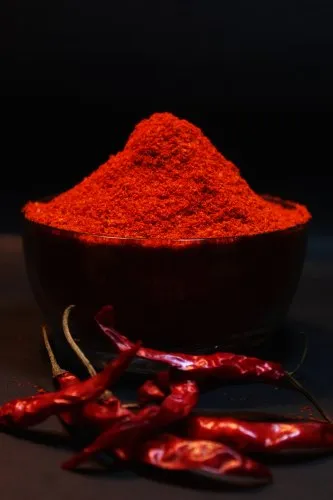
United Kingdom‑based World Taste LTD lists five active food products sourced primarily from African growers. The catalogue includes fresh Plantain (HS 0803.10), fresh Yam (HS 0714.30), crude Palm Oil (HS 1511.10), raw organic Brazil nuts (HS 0801.21), and dried Scotch Bonnet chilli (HS 0904.21). Each entry specifies the material type and the corresponding HS‑code family, providing a clear reference for customs classification. The supplier’s focus on these categories reflects a niche within the broader fresh produce and edible oil market, with a product count of five distinct items.
The company’s product set spans tropical fruit, tuber, oil, nut and spice segments, all commonly traded under the listed HS codes. Plantains fall under the fresh tropical fruit chapter, while yams are classified with other fresh vegetables. Palm oil is recorded under crude vegetable oils, nuts under edible nuts, and Scotch Bonnet chilli under dried capsicum varieties. The description relies solely on the supplied catalogue data without extrapolating company size, history or client references.
Product Range and Specialties of World Taste LTD
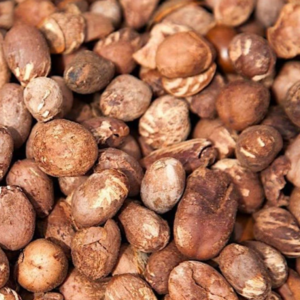
World Taste LTD’s catalogue offers fresh Plantain, fresh Yam, crude Palm Oil, raw Brazil nuts and dried Scotch Bonnet chilli. In global trade, fresh plantains are typically shipped in refrigerated containers with a shelf life of 10‑14 days and are graded by size and skin colour; common quality standards reference the International Plantain Quality Guide (IPQG). Yams are usually sorted by diameter (e.g., 40‑80 mm) and moisture content below 20 %, with the FAO’s “Yam Quality Standards” used for inspection. Crude palm oil is evaluated on free fatty acid (FFA) content, usually ≤ 5 % for bulk export, and has a typical iodine value of 45‑55 g I₂/100 g. Brazil nuts are graded by kernel percentage (often ≥ 70 %) and moisture ≤ 5 %, with the International Nut Council standards applied. Dried Scotch Bonnet chilli is measured by moisture (≤ 12 %) and Scoville heat units (30 000‑50 000 SHU), and is often packaged in airtight bags to preserve pungency.
Trade and Export Information - World Taste LTD
Exporters of African fresh produce such as plantain and yam commonly target the European Union, the Middle East and North America, where demand for authentic tropical foods remains strong. HS chapter 08 (fresh fruit & vegetables) and chapter 07 (fresh roots & tubers) usually require a phytosanitary certificate issued by the exporting country’s plant health authority, along with a Certificate of Origin for preferential duty treatment. Crude palm oil (HS 1511.10) is frequently shipped in bulk tankers or 20‑ft containers with stainless‑steel drums; buyers in the EU and Southeast Asia often request a Free Fatty Acid analysis and compliance with the EU’s REACH regulations on residues. Raw Brazil nuts (HS 0801.21) are subject to EU maximum pesticide limits and may need an organic certification if marketed as such. Dried Scotch Bonnet chilli (HS 0904.21) is typically containerised in 40‑ft high‑cube boxes, with buyers expecting a laboratory report on moisture and aflatoxin levels. Commonly required documents include a phytosanitary certificate, a commercial invoice, a packing list, and where applicable, an organic certification or GlobalGAP audit report.
Sourcing from World Taste LTD - Buyer Guidance
Potential buyers should request a current phytosanitary certificate for the fresh plantain and yam shipments, confirming compliance with the importing country’s plant health regulations. For palm oil, ask for an analytical report detailing free fatty acid content, moisture and peroxide value to verify that the oil meets the typical ≤ 5 % FFA threshold. When sourcing Brazil nuts, a moisture test result and a kernel‑percentage analysis help confirm adherence to nut‑grade standards; an organic certificate should be verified if the buyer requires organic status. Scotch Bonnet chilli samples should be evaluated for moisture (≤ 12 %) and Scoville heat unit range, and an aflatoxin test is advisable for food‑safety compliance. Buyers are also advised to confirm packaging details - e.g., refrigerated containers for plantain, bulk drums for palm oil, and moisture‑proof bags for chilli - and to ensure that the supplier can provide the standard export documentation listed in the trade section.
Frequently Asked Questions About World Taste LTD
What fresh produce does World Taste LTD export?
The supplier lists fresh Plantain (HS 0803.10) and fresh Yam (HS 0714.30) sourced from African growers, both classified under the fresh fruit and vegetable HS chapters.
Which HS codes apply to the listed products?
Plantain - 0803.10; Yam - 0714.30; Crude Palm Oil - 1511.10; Brazil nuts - 0801.21; Dried Scotch Bonnet chilli - 0904.21.
What quality specifications are typical for the palm oil offered?
Bulk crude palm oil is usually required to have free fatty acid (FFA) content of 5 % or less, moisture below 0.1 %, and an iodine value between 45‑55 g I₂/100 g.
Are organic certifications available for these products?
The supplier is described as an organic tier, but buyers should request a current organic certification or GlobalGAP audit report to confirm organic status before purchase.
What minimum order quantities (MOQ) are common for these items?
For fresh fruit such as plantain and yam, MOQs often start at a full 20‑ft container (approximately 12‑15 tons). Palm oil is typically ordered in 20‑ft drums or bulk tanker loads, while nuts and dried chilli are usually quoted per metric ton, with a common MOQ of 1 ton.
What lead times can buyers expect?
Lead times depend on seasonality; fresh produce generally requires 2‑4 weeks from harvest to shipment, crude palm oil can be ready in 1‑2 weeks, and nuts or dried chilli often need 3‑5 weeks for processing and certification.
Which documents should be requested before finalising a purchase?
Buyers should obtain a phytosanitary certificate for fresh items, a Certificate of Origin, analytical test reports (FFA for palm oil, moisture and aflatoxin for chilli, moisture and kernel percentage for nuts), and, if applicable, an organic certification.
How are the products packaged for export?
Plantains and yams are typically packed in ventilated wooden crates or refrigerated containers; palm oil is shipped in stainless‑steel drums or bulk tankers; Brazil nuts are packed in food‑grade polypropylene bags; dried Scotch Bonnet chilli is placed in moisture‑proof multi‑wall bags within 40‑ft high‑cube containers.




 , United Kingdom