Warm Leather — Manufacturer & Wholesale Supplier
About Warm Leather - Leather Apparel Supplier in Pakistan
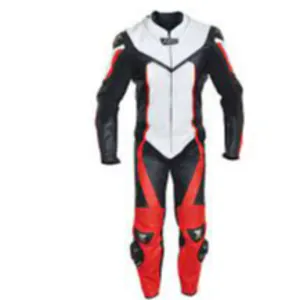
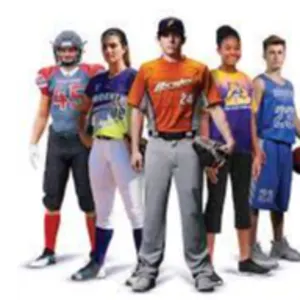
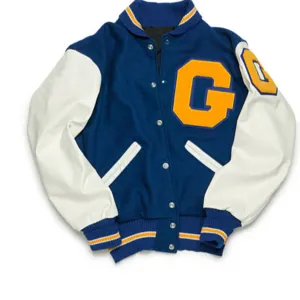
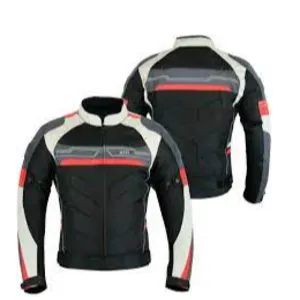
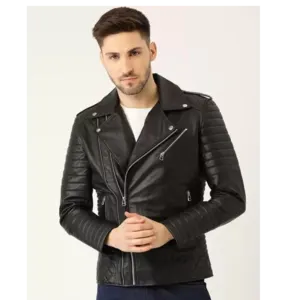
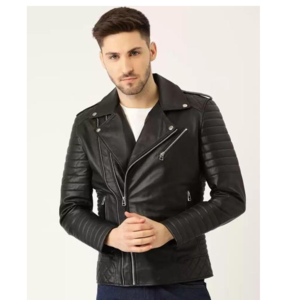
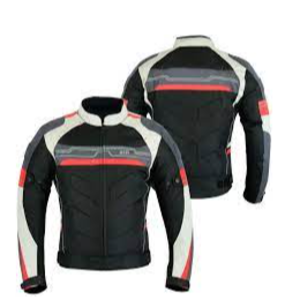
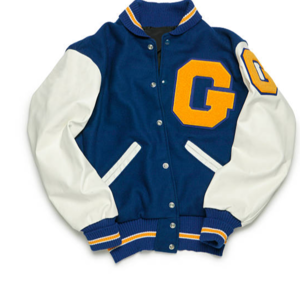
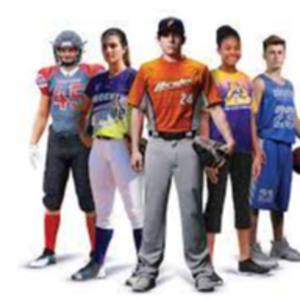
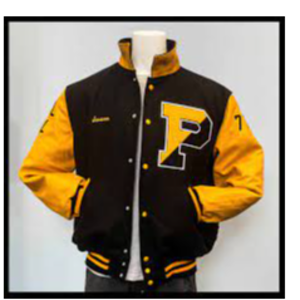
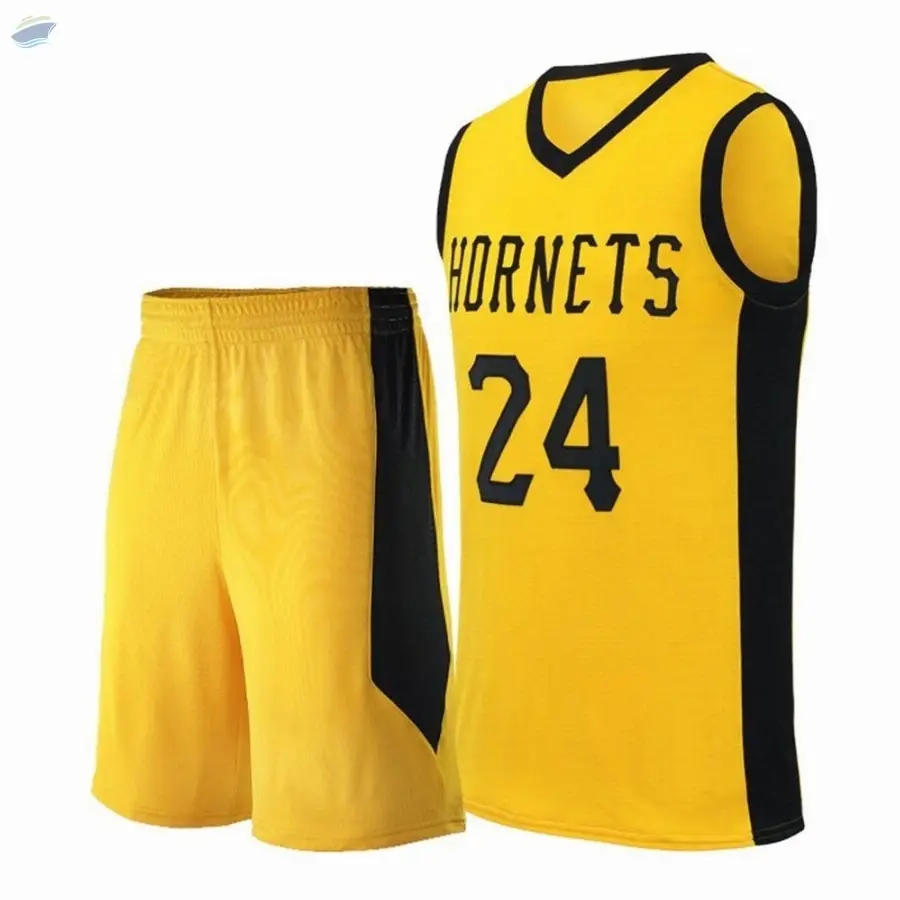
Warm Leather is located in Punjab, Pakistan and currently lists ten active products. The catalogue covers leather jackets, cordura jackets, varsity jackets, polo shirts, T‑shirts, sports uniforms, hoodies, shorts & trousers, tracksuits and motorbike suits. Each item is classified under specific HS‑code families such as 4203.10 for leather outerwear, 6101.30 for hoodies and 6201.92 for varsity jackets. Materials range from full‑grain genuine leather to Cordura nylon with leather trim, 100 % cotton pique, nylon‑spandex blends and high‑impact ABS composites. The supplier’s tier is noted as “organic” and the trust tier as “harbor,” indicating a focus on verified sourcing. The leather jacket entry (HS 4203.10) specifies genuine full‑grain or top‑grain leather, a grade commonly required to meet ISO 9001 quality management and REACH chemical limits. The cordura jacket shares the same HS code but combines 1000‑denier Cordura nylon with leather trim, a construction favored for abrasion resistance in work‑wear markets. Varsity jackets (HS 6201.92) are described with a wool/polyester body and leather or faux‑leather sleeves, matching the 250 gsm typical weight for collegiate outerwear. Textile items such as polo shirts (HS 6105.10, 220 gsm cotton pique) and hoodies (HS 6101.30, 88 % nylon/12 % spandex) follow standard GSM ranges used in casual apparel. The motorbike suit (HS 8714.10) uses 600‑denier polyester fabric with protective padding, aligning with safety standards for protective gear in the automotive sector.
Product Range and Specialties of Warm Leather
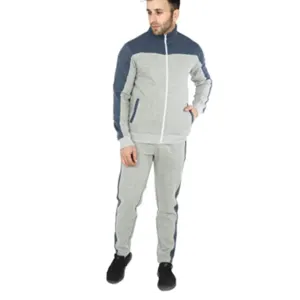
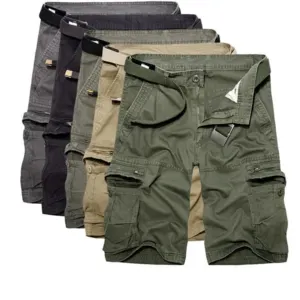
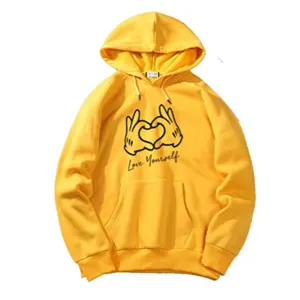
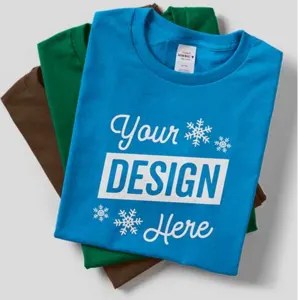
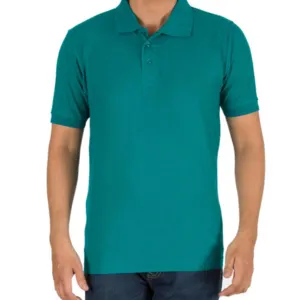
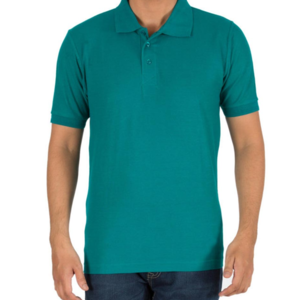
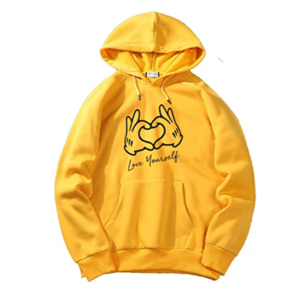
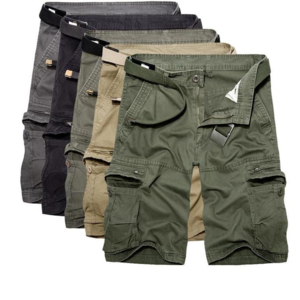
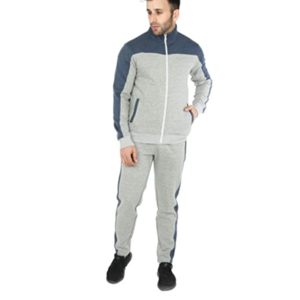
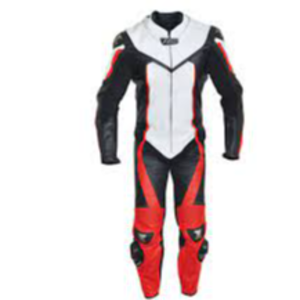
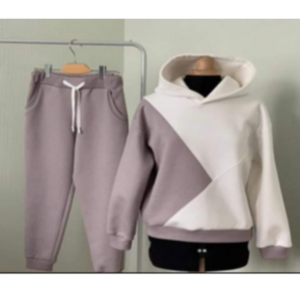
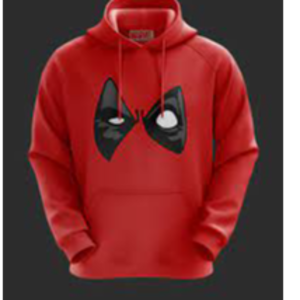
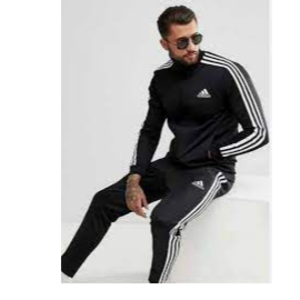
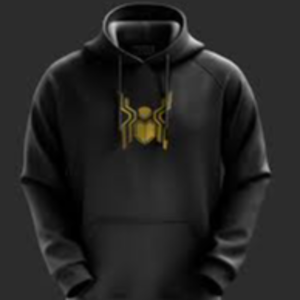
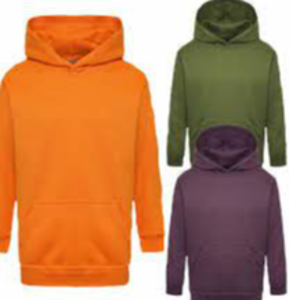
Warm Leather’s ten SKUs span outerwear, casual wear and protective gear. The leather jacket and tracksuit are made from full‑grain leather, typically 1.0‑1.5 mm thick and graded by grain uniformity and tensile strength (≈30‑35 MPa). The cordura jacket pairs 1000‑denier Cordura nylon, a 1000D fabric that meets ISO 12947 for abrasion resistance, with leather trim for aesthetic finish. Varsity jackets combine a 250 gsm wool‑polyester blend body with leather sleeves, a common specification for university‑style outerwear. Polo shirts are 220 gsm 100 % cotton pique, meeting ASTM D1230 for shrinkage and colourfastness, while T‑shirts use 100 % cotton or cotton‑polyester blends in the 180‑200 gsm range. Hoodies are constructed from an 88 % nylon/12 % spandex Lycra blend, typically 260‑280 gsm, providing stretch and moisture‑wicking properties. Shorts & trousers use a 95 % cotton/5 % elastane mix, delivering a 2‑3 % stretch for fit. The motorbike suit incorporates 600‑denier polyester fabric with integrated ABS/Polycarbonate impact panels, meeting CE‑EN 1621‑1 impact protection standards. In the leather apparel industry, full‑grain leather is preferred for high‑end jackets because of its natural grain pattern and durability; buyers often request a leather grade certificate and a chrome‑free tanning declaration. Cordura nylon is evaluated by denier count and water‑repellency (hydrostatic head ≥150 mm). Wool blends for varsity jackets are checked for fiber content and shrinkage, usually requiring an Oeko‑Tex 100 certification for textile safety. Cotton pique fabrics for polo shirts are graded by GSM and colourfastness to washing (ISO 105‑C06). Nylon‑spandex blends in hoodies are tested for elongation at break (≥30 %) and breathability. Protective motorbike suits must comply with CE‑EN 1621 impact standards and often need a material safety data sheet (MSDS).
Trade and Export Information - Warm Leather
Pakistan is a long‑standing exporter of leather goods, with the Punjab region hosting many tanneries that supply full‑grain leather to the global market. Warm Leather’s product codes fall under HS chapters 42 (leather garments), 61 (knitted apparel) and 65 (sports equipment), which are routinely inspected by customs for compliance with REACH and the EU’s Generalised Scheme of Preferences. Typical destination markets include the United Arab Emirates, Saudi Arabia, the United Kingdom and the United States, where buyers look for ISO 9001‑certified manufacturers and request third‑party lab reports on chromium residues and tensile strength. Export logistics from Karachi or Lahore usually involve 20‑ft or 40‑ft containers packed in sealed cardboard boxes or wooden crates, with FOB or CIF Incoterms being most common. For outerwear items such as leather jackets, a standard packing unit is one garment per polybag (150 × 200 mm) placed inside a corrugated box (30 × 20 × 15 cm) with a maximum of 200 units per box. Textile items are often packed in bulk cartons with 100 pcs per box. Buyers frequently require a certificate of origin, a commercial invoice, and a packing list that references the HS code and material composition.
Sourcing from Warm Leather - Buyer Guidance
When sourcing from Warm Leather, buyers should request a full material specification sheet that lists leather grade, thickness, tannage method and any chrome‑free certification. For the cordura jacket, ask for the denier count and the ISO 12947 abrasion test result. Samples should be inspected for stitching strength (≥5 kg per seam) and colour consistency against a Pantone reference. Typical documentation includes ISO 9001 or ISO 14001 certificates, REACH compliance statements, and test reports for fire resistance (for varsity jackets) or impact protection (for the motorbike suit). Buyers usually set a minimum order quantity of 100 pcs per SKU, with a lead time of 30‑45 days after sample approval. Verify that packaging meets the buyer’s freight specifications and that the commercial invoice lists the correct HS code and country of origin.
Frequently Asked Questions About Warm Leather
What HS codes apply to Warm Leather’s leather jackets and how should they be declared?
Leather jackets are classified under HS 4203.10, which covers articles of leather clothing. The invoice should list the product as “Leather jacket, full‑grain” and reference HS 4203.10 for customs clearance.
Which certifications are typically required for the full‑grain leather used by Warm Leather?
Buyers normally request ISO 9001 quality management, REACH compliance for restricted substances, and a leather grade certificate confirming chrome‑free tanning and thickness of 1.0‑1.5 mm.
What material specifications should I verify for the Cordura jacket?
The Cordura jacket should be made from 1000‑denier Cordura nylon with a leather trim; verify the denier count, ISO 12947 abrasion resistance rating, and request a fabric test report.
How are the polo shirts and T‑shirts packaged for export?
Both polo shirts (HS 6105.10) and T‑shirts (HS 6109.10) are typically folded, placed in polybags of 150 × 200 mm, and stacked in corrugated cartons holding 100 pieces each, with the carton weight and dimensions indicated on the packing list.
What safety standards apply to the motorbike suit?
The motorbike suit (HS 8714.10) must meet CE‑EN 1621‑1 impact protection standards; buyers should request the CE test report and the material safety data sheet for the 600‑denier polyester fabric.
What is the usual MOQ and lead time for Warm Leather’s hoodies?
The standard minimum order quantity is 100 units per colour, and production typically requires 30‑45 days from receipt of approved sample and all required certifications.
Which documents should be included with a shipment of varsity jackets?
Export documentation should contain a commercial invoice, packing list, certificate of origin, REACH compliance statement, and, if requested, a fire‑retardancy test report for the wool‑polyester blend.




 , Pakistan