Vrobal Energy & Resources Pte. Ltd. — Verified Supplier
About Vrobal Energy & Resources Pte. Ltd. - Metal Products Supplier in Singapore
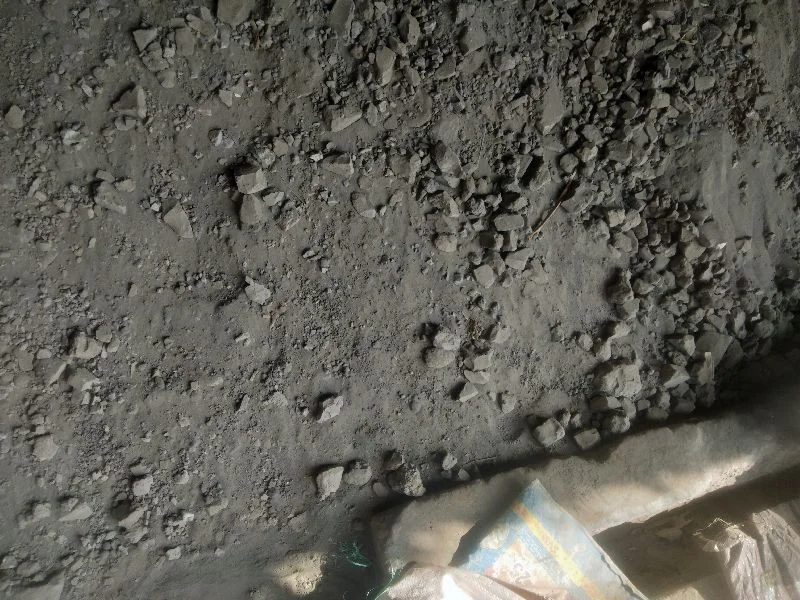
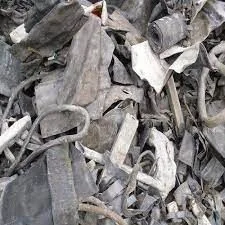
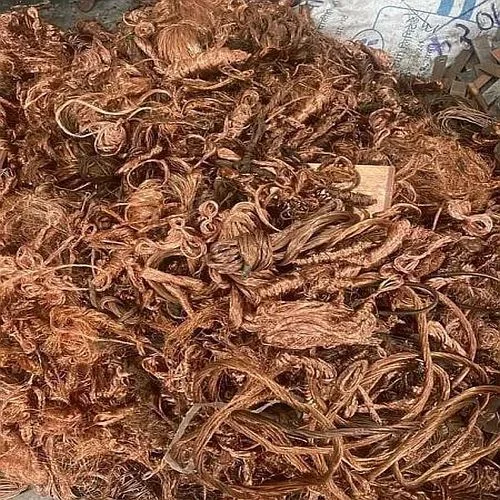
Singapore‑based Vrobal Energy & Resources Pte. Ltd. lists six active products across metal products and energy residues. The catalogue includes Crude Oil Sludge, Tungsten Catalyst (HS 3815.12), Nickel Sludge (HS 7503.00), Molybdenum Catalyst (HS 3815.12), Lead (HS 7801.99) and Copper Ash (HS 2620.30).
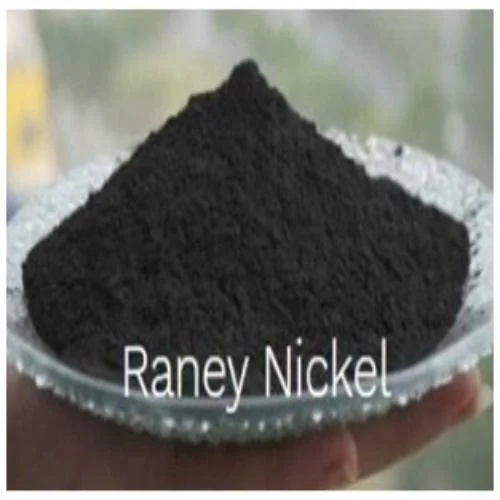
The product descriptions specify material compositions such as a tungsten‑based catalyst, nickel sludge containing roughly 50 % Ni, molybdenum trioxide on an alumina support, unwrought lead with a minimum of 50 % purity, and copper ash with about 20 % copper content. Each entry is linked to the appropriate HS‑code family where provided, reflecting the range of metal‑related commodities the supplier offers.
Product Range and Specialties of Vrobal Energy & Resources Pte. Ltd.
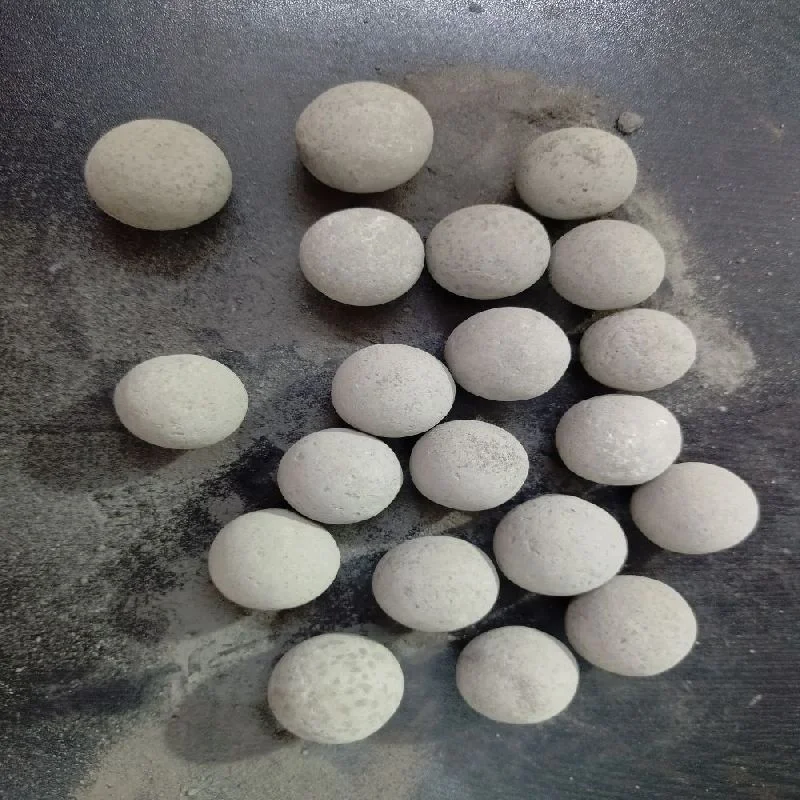
The listed catalogue covers two catalyst types - tungsten and molybdenum - both classified under HS 3815.12 and typically supplied as granular or pelletized forms with purity grades above 99.5 % and loading rates of 10‑20 % on alumina carriers. Nickel sludge, recorded under HS 7503.00, is a nickel‑bearing residue usually containing 45‑55 % nickel and is processed further for metal recovery. Lead is described as unwrought with a minimum 50 % lead content, a baseline grade that many downstream users upgrade to battery‑grade (>99.5 %) through refining. Copper ash, under HS 2620.30, is a copper‑rich waste (≈20 % Cu) commonly used as feedstock for copper extraction plants. Crude oil sludge, while not assigned an HS code in the facts, is a heavy petroleum residue that can be re‑refined or used for fuel‑oil blending.
Trade and Export Information - Vrobal Energy & Resources Pte. Ltd.
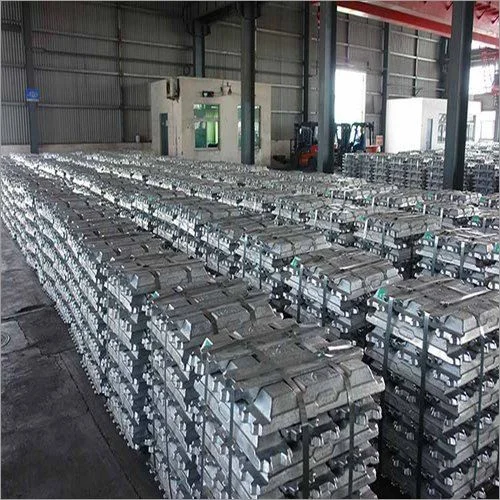
Singapore functions as a major trans‑shipment hub for metal residues and catalysts, with bulk shipments typically dispatched in 20‑ft or 40‑ft containers, bulk drums, or IBC tanks. Buyers in China, India, the European Union and the United States frequently import the listed catalysts (HS 3815.12) for petrochemical cracking and hydro‑processing, while nickel sludge and copper ash are sought by non‑ferrous smelters in East Asia and Europe. Lead (HS 7801.99) and related waste streams are subject to strict environmental controls; importers often require REACH registration, ISO 9001 quality management certificates, and full assay reports. Standard Incoterms such as FOB Singapore or CIF to the destination port are commonly used, and customs authorities reference the HS‑code families to assess duty rates and regulatory compliance.
Sourcing from Vrobal Energy & Resources Pte. Ltd. - Buyer Guidance
Prospective buyers should request a current Material Safety Data Sheet, third‑party assay certificate, and a certificate of origin before placing an order. For catalysts, confirming the loading percentage on the alumina support and the impurity limits (e.g., sulfur < 0.01 %) is essential, while nickel sludge purchasers usually verify the nickel assay and moisture content (< 5 %). Lead shipments should be accompanied by documentation proving compliance with lead‑content regulations in the destination market, and copper ash buyers need to ensure the copper grade and low arsenic levels as per typical industry standards. Verifying that the HS code on the commercial invoice matches the product description helps avoid customs delays.
Frequently Asked Questions About Vrobal Energy & Resources Pte. Ltd.
What product categories does Vrobal Energy & Resources list?
The supplier lists Crude Oil Sludge, Tungsten Catalyst (HS 3815.12), Nickel Sludge (HS 7503.00), Molybdenum Catalyst (HS 3815.12), Lead (HS 7801.99) and Copper Ash (HS 2620.30).
How can a buyer request a sample?
Buyers should send a written inquiry specifying the product, desired sample size (typically 5‑10 kg for bulk materials or 1 L for liquid catalysts) and request accompanying assay and MSDS documentation. Samples are usually shipped in sealed drums or bottles under the same HS‑code as the full shipment.
Which certifications are normally required for metal catalysts from Singapore?
Importers typically ask for ISO 9001 quality management certification, REACH registration, a current Material Safety Data Sheet and an independent assay report confirming purity and loading levels.
What are the standard HS‑code classifications for the listed products?
Tungsten and molybdenum catalysts fall under HS 3815.12, nickel sludge under HS 7503.00, lead under HS 7801.99, and copper ash under HS 2620.30. Crude oil sludge is often classified under HS 2709 or HS 2710 depending on its composition, though the supplier does not provide a specific code.
What purity levels are typical for the lead product?
The catalogue states a minimum of 50 % lead content, but industrial buyers usually require higher grades - often 99.5 % or greater - for battery and alloy applications. Confirmation of the exact purity should be obtained from the assay certificate.
How is copper ash usually packaged for export?
Copper ash is commonly packed in sealed steel drums or bulk bags, with moisture content kept below 5 % to prevent oxidation. The packaging is designed to meet both safety regulations and the handling requirements of downstream smelters.
Which markets import nickel sludge and catalytic materials?
Major importers include Chinese non‑ferrous smelters, Japanese petrochemical firms, and European metal‑recycling companies that use the residues for metal recovery or catalyst regeneration.
What documentation should be verified before ordering?
Buyers should obtain a third‑party assay report, certificate of origin, full Material Safety Data Sheet, and evidence of compliance with REACH or other local environmental regulations. Matching the HS‑code on the commercial invoice to the product description is also essential for smooth customs clearance.




 , Singapore