Vietnam Spices Import Export Co. Ltd. — Verified Supplier
About Vietnam Spices Import Export Co. Ltd. - Spices Supplier in Viet Nam
Vietnam Spices Import Export Co. Ltd. is based in Viet Nam and currently lists eleven active products across the spice, pepper and coconut by‑product categories. The supplier is classified as an imported tier with a harbor trust tier, indicating it operates through established import channels for international buyers. Its catalogue covers whole spices, ground and split forms, as well as desiccated coconut variants and fresh ginger, all falling under the broader HS chapter 09 commodity group for spices and plant products. The product list reflects common Vietnamese export items such as cassia bark, red chilli peppers, black and white pepper, and coconut derivatives, which are regularly shipped in bulk bags or containerised loads.
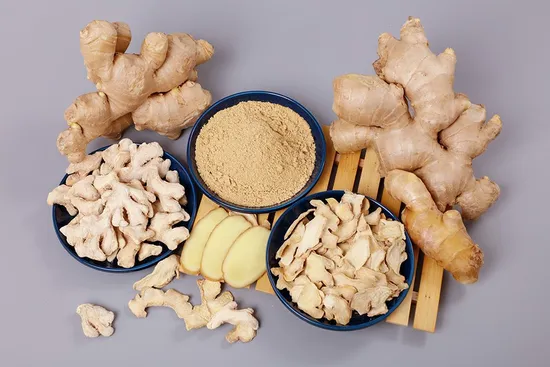
The detailed catalogue includes Vietnam Cassia Whole, Split Cassia, Dried Red Chilli Pepper Whole, Dried Red Chilies, Black Pepper, White Pepper, Pin Head Pepper, and Fesh Ginger (listed as fresh ginger). Coconut‑based items comprise Desiccated Coconut, Desiccated Coconut Low Fat and Desiccated Coconut High Fat. Each entry aligns with standard spice grading practices, where moisture content, particle size and fat percentage are the primary quality parameters recorded for export documentation.
Product Range and Specialties of Vietnam Spices Import Export Co. Ltd.
The supplier’s catalogue presents three main commodity families: cinnamon‑type spices (whole cassia and split cassia), pepper varieties (black, white and pin head), and coconut by‑products (standard, low‑fat and high‑fat desiccated coconut). In the spice trade, whole cassia bark is typically graded by length (10‑30 mm) and moisture below 12 %, while split cassia is measured by split width and similar moisture limits. Pepper grades are distinguished by size (2‑5 mm for black pepper) and oil content, with white pepper often requiring a lower moisture level (<10 %). Desiccated coconut is categorized by fat content: low‑fat variants contain roughly 45 % fat, high‑fat variants around 70 % fat, and standard desiccated coconut falls near 60 % fat, with moisture usually under 5 %.
Trade and Export Information - Vietnam Spices Import Export Co. Ltd.
Vietnam is a leading exporter of spices and coconut products to markets in the United States, European Union, Middle East and Southeast Asian neighbours. Export shipments normally use 20‑foot or 40‑foot containers packed in 25 kg jute bags for spices and 50 kg PP bags for coconut, complying with the International Maritime Dangerous Goods (IMDG) code for non‑hazardous bulk goods. Buyers typically request HACCP, ISO 22000 or GMP certificates, along with a phytosanitary certificate and a Certificate of Origin, because many importing countries enforce strict residue and microbial limits for food products. The HS code range for these items lies in Chapter 09 (e.g., 0905 for spices, 0906 for pepper, 0805 for coconut products), which determines applicable customs duties and inspection regimes.
Sourcing from Vietnam Spices Import Export Co. Ltd. - Buyer Guidance
When sourcing from this supplier, buyers should request a recent Certificate of Analysis that details moisture, ash, essential oil content (for cassia) and microbial limits for each spice batch. Samples are usually provided in 500 g sealed containers, and standard commercial orders start at a minimum of 500 kg per product, allowing economies of scale in container loading. Verify that the supplier can supply the required certifications (e.g., HACCP, ISO 22000) and that the packaging meets the buyer’s shelf‑life and transport requirements before confirming the order.
Typical lead times for Vietnamese spice shipments range from 30 to 45 days after order confirmation, depending on the product’s processing stage and the need for third‑party testing. Buyers are advised to confirm container loading plans (e.g., mixed‑load or dedicated‑load) and Incoterms such as CIF or FOB, as Vietnamese exporters commonly work with freight forwarders experienced in handling bulk food commodities.
Frequently Asked Questions About Vietnam Spices Import Export Co. Ltd.
What forms of cassia does Vietnam Spices Import Export Co. Ltd. supply?
The catalogue lists whole cassia bark and split cassia. Both are dried to a moisture level below 12 % and are packed in 25 kg jute bags for bulk export.
Which pepper varieties are available and what are their typical size grades?
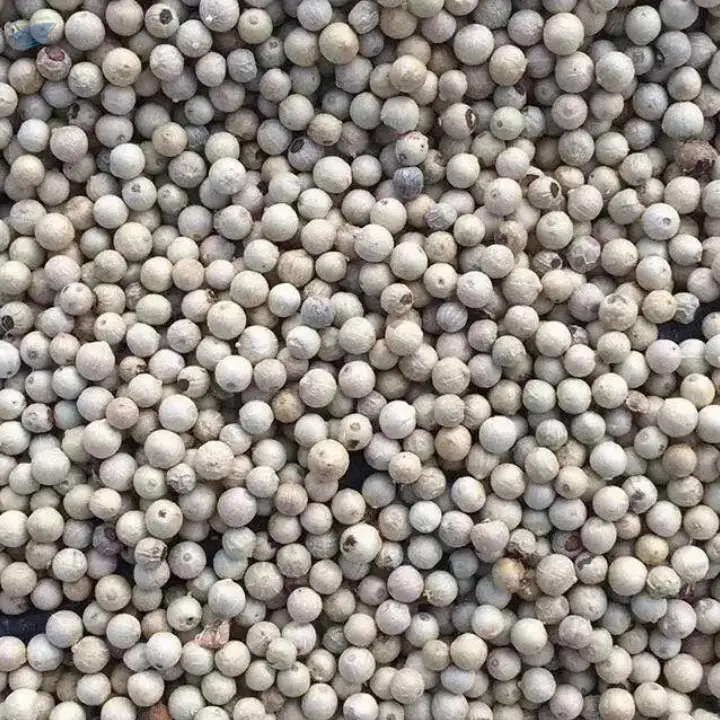
Black pepper, white pepper and pin head pepper are offered. Black and white pepper are usually graded 2‑5 mm in size, while pin head pepper is a smaller, finer grade commonly used for seasoning blends.
What are the standard specifications for desiccated coconut products?
Desiccated coconut is supplied in three fat‑content grades: low‑fat (~45 % fat), standard (~60 % fat) and high‑fat (~70 % fat). Moisture content is kept below 5 % and the product is packaged in 50 kg polypropylene bags.
Does the supplier provide any food safety certifications?
The facts do not list specific certifications. Buyers should request current HACCP, ISO 22000 or GMP certificates and confirm that a phytosanitary certificate will accompany each shipment.
What documentation is required for customs clearance of the spices?
Typical documents include a commercial invoice, packing list, Certificate of Origin, phytosanitary certificate, and the product’s Certificate of Analysis showing moisture and microbial limits.
What are the usual minimum order quantities and container loading options?
Commercial orders generally start at 500 kg per product. Suppliers can load mixed‑product containers or dedicated containers, using 20‑foot or 40‑foot units depending on volume.
How long does it take to receive a sample and what format is used?
Samples are usually dispatched in 500 g sealed bags within 5‑7 business days after request. They are sent via express courier and include a brief test report.
Which Incoterms are most commonly used for shipments from Vietnam?
Vietnamese exporters frequently operate under FOB (port of Ho Chi Minh City) or CIF to major destination ports, allowing buyers to arrange their preferred freight and insurance terms.




 , Viet Nam




.jpg.png)