Verdo's Renewables — Verified Supplier

About Verdo's Renewables - Agriculture Supplier in United States

Verdo's Renewables is based in the United States and currently lists five active products. The catalogue is organised under the Agriculture and Animal & Cattle Feed categories. Products include rice husk and husk ash, a high‑protein variant of rice husk, fatty acids (oleic acids LMA 401), a selection of nuts such as acorn and almond, and refined sunflower and other vegetable oils. Each item is presented with its generic material type, allowing buyers to match it against standard HS chapters for agricultural by‑products and edible oils. The supplier is classified in the harbor trust tier, indicating a mid‑level verification level on the platform.

Rice‑based residues such as husk and husk ash are commonly used as bio‑fuel, soil amendment, or silica source, while high‑protein rice husk serves as a protein supplement in animal feeds. The fatty acid offering references the LMA 401 grade, which typically denotes oleic acid purity of 95 % or higher. The nut line lists acorn and almond, both of which are traded as bulk kernels for food processing or feed applications. Sunflower oil and other vegetable oils are listed as refined edible oils suitable for cooking, industrial frying, or biodiesel feedstock. Verdo's Renewables does not provide additional proprietary specifications beyond the product titles, so buyers must request detailed data sheets.

Product Range and Specialties of Verdo's Renewables

The listed catalogue covers five distinct product families: (1) rice husk and husk ash, (2) high‑protein rice husk, (3) oleic fatty acids identified as LMA 401, (4) raw nuts - acorn and almond, and (5) refined sunflower and mixed vegetable oils. In the global market, rice husk ash is evaluated for silica content (typically 85‑95 % SiO₂) and bulk density (0.2‑0.3 t/m³), while high‑protein rice husk is measured for crude protein levels of 12‑18 % and low ash (<5 %). LMA 401 oleic acid usually requires ≥95 % oleic purity, acid value ≤0.5 mg KOH/g, and iodine value around 80‑90. Almond and acorn kernels are graded by size (e.g., 12‑14 mm for almonds) and moisture content below 5 %. Sunflower and vegetable oils are commonly specified with free‑fatty‑acid (FFA) limits of ≤0.5 % and peroxide values ≤10 meq O₂/kg.

Industry standards for these categories often reference ISO 9001 quality management, ISO 22000 food safety, and, where applicable, organic certification (e.g., USDA Organic) for oil products. Buyers of rice husk ash frequently request a certificate of analysis showing silica percentage, loss on ignition, and bulk density. High‑protein rice husk shipments are usually accompanied by a proximate analysis and a mycotoxin test. Fatty acid buyers look for a gas‑chromatography profile confirming oleic acid content and a stability test (oxidative stability index). Nut suppliers are expected to provide a moisture‑content report, aflatoxin screening, and a size‑grading report. Vegetable oil exporters typically include an FFA test, iodine value, and a shelf‑life study under ambient storage conditions.

Trade and Export Information - Verdo's Renewables

United States exporters of agricultural residues and edible oils commonly ship to Southeast Asia, the Middle East, and the European Union, where demand for bio‑fuel feedstock and food‑grade oils is strong. HS chapter 12 covers rice husk and related by‑products, while HS 1510 applies to refined sunflower oil; both chapters are subject to phytosanitary certificates and, for some destinations, a plant‑health import permit. Standard export packaging includes 20‑foot containers with bulk bags (1 t each) for husk and ash, and 25‑kg drums or 200‑L IBCs for oils. Freight terms such as CIF or FOB are typical, with buyers often requiring a pre‑shipment inspection by SGS or Bureau Veritas to verify product specifications. The United States maintains a robust export infrastructure for these commodities, supported by USDA’s Foreign Agricultural Service, which publishes market reports and helps exporters navigate tariff schedules and trade agreements like USMCA and the EU‑US Trade and Cooperation Agreement.

Sourcing from Verdo's Renewables - Buyer Guidance

When sourcing rice husk ash or high‑protein rice husk, request a recent Certificate of Analysis that lists silica content, bulk density, protein percentage, moisture, and ash. For the LMA 401 oleic acid, ask for a GC‑FID purity report, acid value, and a stability test result. Nut buyers should obtain a moisture‑content certificate, aflatoxin screening results, and a size‑grading sheet to ensure consistency with processing equipment. Oil purchasers must see a free‑fatty‑acid test, iodine value, peroxide value, and, if required by the destination market, an organic or non‑GMO declaration. In all cases, confirm that the supplier can provide a phytosanitary certificate and, where applicable, an ISO 22000 or FSSC 22000 audit report before finalising the contract.

Frequently Asked Questions About Verdo's Renewables

What product codes or HS chapters apply to Verdo's Renewables' rice husk and husk ash?

Rice husk and husk ash fall under HS chapter 12 (specifically HS 1207 for cereal by‑products). Exporters typically declare the material as "rice husk" or "rice husk ash" and provide a certificate of analysis for silica and bulk density.

How can I verify the protein content of the high‑protein rice husk?

Request a recent proximate analysis that includes crude protein (usually expressed as % of dry matter). Buyers often set a minimum threshold of 12 % protein before accepting a shipment.

What does the LMA 401 designation mean for the oleic fatty acid product?

LMA 401 generally indicates an oleic acid grade with ≥95 % oleic purity, acid value ≤0.5 mg KOH/g, and an iodine value around 80‑90. A GC‑FID report should be supplied to confirm these parameters.

Which quality documents are standard for almond and acorn nuts?

Typical documents include a moisture‑content certificate (≤5 %), aflatoxin test results, and a size‑grading report. An ISO 22000 or HACCP audit report is also common for food‑grade nuts.

What specifications are buyers looking for in sunflower and vegetable oils?

Key specifications are free‑fatty‑acid level (≤0.5 %), peroxide value (≤10 meq O₂/kg), and iodine value (typically 110‑130 for sunflower oil). A shelf‑life stability test and a COA confirming these values are standard.

Are there any certifications that Verdo's Renewables must hold to export these products?

The supplier has not listed specific certifications. Buyers should request proof of any relevant certifications such as ISO 9001, ISO 22000, or organic certification if required by the importing market.

What packaging and container sizes are typical for these products?

Bulk agricultural residues like rice husk are usually shipped in 20‑ft containers with 1‑ton bulk bags. Oils are commonly packed in 25‑kg drums or 200‑L IBCs, also loaded into 20‑ft or 40‑ft containers depending on volume.

What pre‑shipment inspections are recommended for these commodities?

A third‑party inspection (e.g., SGS, Bureau Veritas) that verifies the Certificate of Analysis, checks for contamination, and confirms packaging integrity is standard practice before loading for export.


Featured Products from this Supplier

Other Suppliers in Primary Category

Top Trusted Suppliers

Related Products

Related Products

Other Suppliers

EximNext
58.7K+ live requirements
Register Free🎁 Reach verified global buyers
Post Requirement
🌍 Trusted by 224.9K+ businesses in 200+ countries|
58.7K+ active requirements right now
✉️ [email protected]
|
Sell on EximNextPost Requirement
EximNext
AgricultureApparelConstructionElectronicFoodHomeIndustrialMineralsMiscellaneous
🔥 Deals|✨ AI Match|🏭 Suppliers|📋 Buy Leads|💰 Trade Finance
58.7K+ live RFQs·194.8K+ suppliers
🎁 Reach global buyers →
EximNext
EximNext
Register Free
🎁 Reach verified global buyers
Sign In
📋Post Requirement💬Get Quotes✨AI Match📋RFQ Marketplace
All Categories
Services & Tools
🏭Supplier Directory🔥Today's Deals💰Trade Finance
Sell on EximNext →
AboutContactBlogHelp
Agriculture & Food  ·  United States
5
products listed

Verdo's Renewables

⚓ Harbor
Country flag , United States
🛡️
54/100
Trust Score

Verdo's Renewables Product Catalog

Showing 5 of 5 products
View all products →
Fatty Acids, Oleic Acids LMA 401
⚓ Harbor
Fatty Acids, Oleic Acids LMA 401
Contact
MOQ: 1 Unit
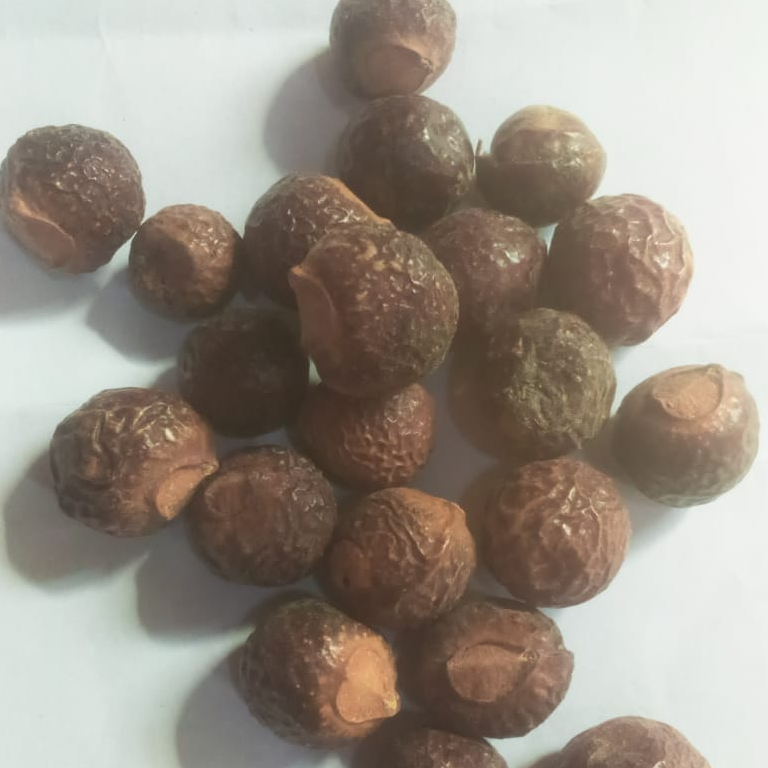
Nuts, Acorn, Almond
⚓ Harbor
Nuts, Acorn, Almond
Contact
MOQ: 1 Unit
Oils, Sunflower Oil, Vegetable Oils
⚓ Harbor
Oils, Sunflower Oil, Vegetable Oils
Contact
MOQ: 1 Unit
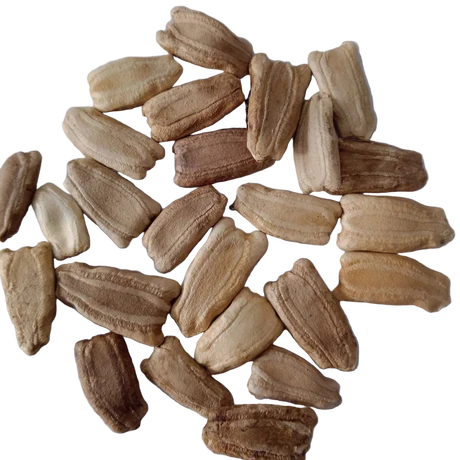
Rice Husk (High Protein)
⚓ Harbor
Rice Husk (High Protein)
Contact
MOQ: 1 Unit
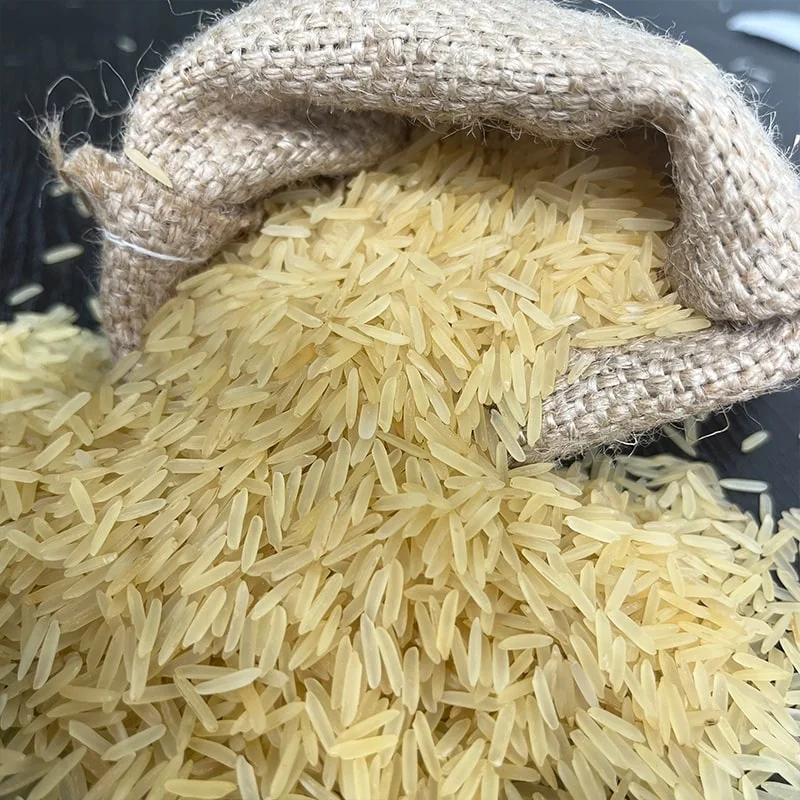
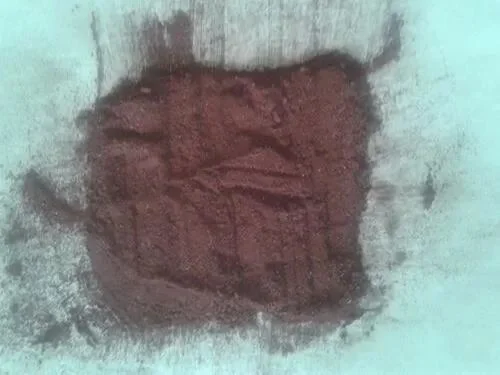
Rice Husk And Husk Ash
⚓ Harbor
Rice Husk And Husk Ash
Contact
MOQ: 1 Unit

About Verdo's Renewables - Agriculture Supplier in United States

Verdo's Renewables is based in the United States and currently lists five active products. The catalogue is organised under the Agriculture and Animal & Cattle Feed categories. Products include rice husk and husk ash, a high‑protein variant of rice husk, fatty acids (oleic acids LMA 401), a selection of nuts such as acorn and almond, and refined sunflower and other vegetable oils. Each item is presented with its generic material type, allowing buyers to match it against standard HS chapters for agricultural by‑products and edible oils. The supplier is classified in the harbor trust tier, indicating a mid‑level verification level on the platform.

Rice‑based residues such as husk and husk ash are commonly used as bio‑fuel, soil amendment, or silica source, while high‑protein rice husk serves as a protein supplement in animal feeds. The fatty acid offering references the LMA 401 grade, which typically denotes oleic acid purity of 95 % or higher. The nut line lists acorn and almond, both of which are traded as bulk kernels for food processing or feed applications. Sunflower oil and other vegetable oils are listed as refined edible oils suitable for cooking, industrial frying, or biodiesel feedstock. Verdo's Renewables does not provide additional proprietary specifications beyond the product titles, so buyers must request detailed data sheets.

Product Range and Specialties of Verdo's Renewables

The listed catalogue covers five distinct product families: (1) rice husk and husk ash, (2) high‑protein rice husk, (3) oleic fatty acids identified as LMA 401, (4) raw nuts - acorn and almond, and (5) refined sunflower and mixed vegetable oils. In the global market, rice husk ash is evaluated for silica content (typically 85‑95 % SiO₂) and bulk density (0.2‑0.3 t/m³), while high‑protein rice husk is measured for crude protein levels of 12‑18 % and low ash (<5 %). LMA 401 oleic acid usually requires ≥95 % oleic purity, acid value ≤0.5 mg KOH/g, and iodine value around 80‑90. Almond and acorn kernels are graded by size (e.g., 12‑14 mm for almonds) and moisture content below 5 %. Sunflower and vegetable oils are commonly specified with free‑fatty‑acid (FFA) limits of ≤0.5 % and peroxide values ≤10 meq O₂/kg.

Industry standards for these categories often reference ISO 9001 quality management, ISO 22000 food safety, and, where applicable, organic certification (e.g., USDA Organic) for oil products. Buyers of rice husk ash frequently request a certificate of analysis showing silica percentage, loss on ignition, and bulk density. High‑protein rice husk shipments are usually accompanied by a proximate analysis and a mycotoxin test. Fatty acid buyers look for a gas‑chromatography profile confirming oleic acid content and a stability test (oxidative stability index). Nut suppliers are expected to provide a moisture‑content report, aflatoxin screening, and a size‑grading report. Vegetable oil exporters typically include an FFA test, iodine value, and a shelf‑life study under ambient storage conditions.

Trade and Export Information - Verdo's Renewables

United States exporters of agricultural residues and edible oils commonly ship to Southeast Asia, the Middle East, and the European Union, where demand for bio‑fuel feedstock and food‑grade oils is strong. HS chapter 12 covers rice husk and related by‑products, while HS 1510 applies to refined sunflower oil; both chapters are subject to phytosanitary certificates and, for some destinations, a plant‑health import permit. Standard export packaging includes 20‑foot containers with bulk bags (1 t each) for husk and ash, and 25‑kg drums or 200‑L IBCs for oils. Freight terms such as CIF or FOB are typical, with buyers often requiring a pre‑shipment inspection by SGS or Bureau Veritas to verify product specifications. The United States maintains a robust export infrastructure for these commodities, supported by USDA’s Foreign Agricultural Service, which publishes market reports and helps exporters navigate tariff schedules and trade agreements like USMCA and the EU‑US Trade and Cooperation Agreement.

Sourcing from Verdo's Renewables - Buyer Guidance

When sourcing rice husk ash or high‑protein rice husk, request a recent Certificate of Analysis that lists silica content, bulk density, protein percentage, moisture, and ash. For the LMA 401 oleic acid, ask for a GC‑FID purity report, acid value, and a stability test result. Nut buyers should obtain a moisture‑content certificate, aflatoxin screening results, and a size‑grading sheet to ensure consistency with processing equipment. Oil purchasers must see a free‑fatty‑acid test, iodine value, peroxide value, and, if required by the destination market, an organic or non‑GMO declaration. In all cases, confirm that the supplier can provide a phytosanitary certificate and, where applicable, an ISO 22000 or FSSC 22000 audit report before finalising the contract.

Frequently Asked Questions About Verdo's Renewables

What product codes or HS chapters apply to Verdo's Renewables' rice husk and husk ash?

Rice husk and husk ash fall under HS chapter 12 (specifically HS 1207 for cereal by‑products). Exporters typically declare the material as "rice husk" or "rice husk ash" and provide a certificate of analysis for silica and bulk density.

How can I verify the protein content of the high‑protein rice husk?

Request a recent proximate analysis that includes crude protein (usually expressed as % of dry matter). Buyers often set a minimum threshold of 12 % protein before accepting a shipment.

What does the LMA 401 designation mean for the oleic fatty acid product?

LMA 401 generally indicates an oleic acid grade with ≥95 % oleic purity, acid value ≤0.5 mg KOH/g, and an iodine value around 80‑90. A GC‑FID report should be supplied to confirm these parameters.

Which quality documents are standard for almond and acorn nuts?

Typical documents include a moisture‑content certificate (≤5 %), aflatoxin test results, and a size‑grading report. An ISO 22000 or HACCP audit report is also common for food‑grade nuts.

What specifications are buyers looking for in sunflower and vegetable oils?

Key specifications are free‑fatty‑acid level (≤0.5 %), peroxide value (≤10 meq O₂/kg), and iodine value (typically 110‑130 for sunflower oil). A shelf‑life stability test and a COA confirming these values are standard.

Are there any certifications that Verdo's Renewables must hold to export these products?

The supplier has not listed specific certifications. Buyers should request proof of any relevant certifications such as ISO 9001, ISO 22000, or organic certification if required by the importing market.

What packaging and container sizes are typical for these products?

Bulk agricultural residues like rice husk are usually shipped in 20‑ft containers with 1‑ton bulk bags. Oils are commonly packed in 25‑kg drums or 200‑L IBCs, also loaded into 20‑ft or 40‑ft containers depending on volume.

What pre‑shipment inspections are recommended for these commodities?

A third‑party inspection (e.g., SGS, Bureau Veritas) that verifies the Certificate of Analysis, checks for contamination, and confirms packaging integrity is standard practice before loading for export.

About Verdo's Renewables - Agriculture Supplier in United States

Verdo's Renewables is based in the United States and currently lists five active products. The catalogue is organised under the Agriculture and Animal & Cattle Feed categories. Products include rice husk and husk ash, a high‑protein variant of rice husk, fatty acids (oleic acids LMA 401), a selection of nuts such as acorn and almond, and refined sunflower and other vegetable oils. Each item is presented with its generic material type, allowing buyers to match it against standard HS chapters for agricultural by‑products and edible oils. The supplier is classified in the harbor trust tier, indicating a mid‑level verification level on the platform.

Rice‑based residues such as husk and husk ash are commonly used as bio‑fuel, soil amendment, or silica source, while high‑protein rice husk serves as a protein supplement in animal feeds. The fatty acid offering references the LMA 401 grade, which typically denotes oleic acid purity of 95 % or higher. The nut line lists acorn and almond, both of which are traded as bulk kernels for food processing or feed applications. Sunflower oil and other vegetable oils are listed as refined edible oils suitable for cooking, industrial frying, or biodiesel feedstock. Verdo's Renewables does not provide additional proprietary specifications beyond the product titles, so buyers must request detailed data sheets.

Product Range and Specialties of Verdo's Renewables

The listed catalogue covers five distinct product families: (1) rice husk and husk ash, (2) high‑protein rice husk, (3) oleic fatty acids identified as LMA 401, (4) raw nuts - acorn and almond, and (5) refined sunflower and mixed vegetable oils. In the global market, rice husk ash is evaluated for silica content (typically 85‑95 % SiO₂) and bulk density (0.2‑0.3 t/m³), while high‑protein rice husk is measured for crude protein levels of 12‑18 % and low ash (<5 %). LMA 401 oleic acid usually requires ≥95 % oleic purity, acid value ≤0.5 mg KOH/g, and iodine value around 80‑90. Almond and acorn kernels are graded by size (e.g., 12‑14 mm for almonds) and moisture content below 5 %. Sunflower and vegetable oils are commonly specified with free‑fatty‑acid (FFA) limits of ≤0.5 % and peroxide values ≤10 meq O₂/kg.

Industry standards for these categories often reference ISO 9001 quality management, ISO 22000 food safety, and, where applicable, organic certification (e.g., USDA Organic) for oil products. Buyers of rice husk ash frequently request a certificate of analysis showing silica percentage, loss on ignition, and bulk density. High‑protein rice husk shipments are usually accompanied by a proximate analysis and a mycotoxin test. Fatty acid buyers look for a gas‑chromatography profile confirming oleic acid content and a stability test (oxidative stability index). Nut suppliers are expected to provide a moisture‑content report, aflatoxin screening, and a size‑grading report. Vegetable oil exporters typically include an FFA test, iodine value, and a shelf‑life study under ambient storage conditions.

Trade and Export Information - Verdo's Renewables

United States exporters of agricultural residues and edible oils commonly ship to Southeast Asia, the Middle East, and the European Union, where demand for bio‑fuel feedstock and food‑grade oils is strong. HS chapter 12 covers rice husk and related by‑products, while HS 1510 applies to refined sunflower oil; both chapters are subject to phytosanitary certificates and, for some destinations, a plant‑health import permit. Standard export packaging includes 20‑foot containers with bulk bags (1 t each) for husk and ash, and 25‑kg drums or 200‑L IBCs for oils. Freight terms such as CIF or FOB are typical, with buyers often requiring a pre‑shipment inspection by SGS or Bureau Veritas to verify product specifications. The United States maintains a robust export infrastructure for these commodities, supported by USDA’s Foreign Agricultural Service, which publishes market reports and helps exporters navigate tariff schedules and trade agreements like USMCA and the EU‑US Trade and Cooperation Agreement.

Sourcing from Verdo's Renewables - Buyer Guidance

When sourcing rice husk ash or high‑protein rice husk, request a recent Certificate of Analysis that lists silica content, bulk density, protein percentage, moisture, and ash. For the LMA 401 oleic acid, ask for a GC‑FID purity report, acid value, and a stability test result. Nut buyers should obtain a moisture‑content certificate, aflatoxin screening results, and a size‑grading sheet to ensure consistency with processing equipment. Oil purchasers must see a free‑fatty‑acid test, iodine value, peroxide value, and, if required by the destination market, an organic or non‑GMO declaration. In all cases, confirm that the supplier can provide a phytosanitary certificate and, where applicable, an ISO 22000 or FSSC 22000 audit report before finalising the contract.

Frequently Asked Questions About Verdo's Renewables
What product codes or HS chapters apply to Verdo's Renewables' rice husk and husk ash?
Rice husk and husk ash fall under HS chapter 12 (specifically HS 1207 for cereal by‑products). Exporters typically declare the material as "rice husk" or "rice husk ash" and provide a certificate of analysis for silica and bulk density.
How can I verify the protein content of the high‑protein rice husk?
Request a recent proximate analysis that includes crude protein (usually expressed as % of dry matter). Buyers often set a minimum threshold of 12 % protein before accepting a shipment.
What does the LMA 401 designation mean for the oleic fatty acid product?
LMA 401 generally indicates an oleic acid grade with ≥95 % oleic purity, acid value ≤0.5 mg KOH/g, and an iodine value around 80‑90. A GC‑FID report should be supplied to confirm these parameters.
Which quality documents are standard for almond and acorn nuts?
Typical documents include a moisture‑content certificate (≤5 %), aflatoxin test results, and a size‑grading report. An ISO 22000 or HACCP audit report is also common for food‑grade nuts.
What specifications are buyers looking for in sunflower and vegetable oils?
Key specifications are free‑fatty‑acid level (≤0.5 %), peroxide value (≤10 meq O₂/kg), and iodine value (typically 110‑130 for sunflower oil). A shelf‑life stability test and a COA confirming these values are standard.
Are there any certifications that Verdo's Renewables must hold to export these products?
The supplier has not listed specific certifications. Buyers should request proof of any relevant certifications such as ISO 9001, ISO 22000, or organic certification if required by the importing market.
What packaging and container sizes are typical for these products?
Bulk agricultural residues like rice husk are usually shipped in 20‑ft containers with 1‑ton bulk bags. Oils are commonly packed in 25‑kg drums or 200‑L IBCs, also loaded into 20‑ft or 40‑ft containers depending on volume.
What pre‑shipment inspections are recommended for these commodities?
A third‑party inspection (e.g., SGS, Bureau Veritas) that verifies the Certificate of Analysis, checks for contamination, and confirms packaging integrity is standard practice before loading for export.

Verdo's Renewables
Country flag United States
⚓ HarborAgriculture & Food
54/100
Trust Score
5
Products
✓ Free to contact — no commission
✓ Escrow payment available
✓ Verified business identity
Compare more suppliers
Post a requirement — get 10 quotes free
Let verified suppliers compete for your business. Free, fast, no commitment.
EximNext Verified Supplier
Business identity verified
Physical address confirmed
Financial history checked
Certifications authenticated
Trade references validated
Due Diligence
Verify this supplier's real shipping history.
Every shipment, every buyer, every port. Trade data that can't be faked.
Run due diligence →
Discover More

Related Suppliers & Products

Explore similar suppliers, related products and trending categories

Featured Products from this Supplier

Other Suppliers in Primary Category

Top Trusted Suppliers

Related Products

Stay ahead in global trade
Weekly market insights & new supplier alerts.
EximNext
Exim Next is a leading global B2B marketplace, connecting over 205,000 verified suppliers and buyers across 200+ countries. As a trusted import export marketplace, it serves as the essential B2B portal for businesses worldwide, empowering them to expand their international reach. With Exim Next, businesses can trade smarter and grow faster.
SECURE PAYMENTS
VISAMastercardPayPalSWIFTL/CEscrow
Follow us
© 2026 EximNext
Verdo's Renewables, Supplier, United States | EximNext