Ved International — Supplier
About Ved International - Fruit Powder Supplier in China
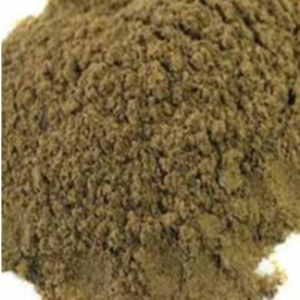
Ved International is based in Zhejiang province, China, and currently lists 19 active products. The catalogue focuses on fruit powders, covering a variety of tropical and temperate fruits such as strawberry, lemon, lychee, raspberry, watermelon, pomegranate, pink guava, pineapple, custard apple, cranberry, black grape, mulberry, papaya, sugarcane, apple, dragonfruit, mint and banana. Each entry is presented as a powder form, and the banana powder is specified with HS code 1106.30 and described as 100 % banana fruit powder without additives. The product set aligns with HS chapter 11, which includes fruit and vegetable preparations.
In addition to the fruit powders, the supplier lists coconut milk powder and mentions categories like candy boxes, though the latter are not detailed with specifications. The active product count of 19 reflects a focus on dried fruit ingredients rather than processed confectionery. The listed items use standard food‑grade material definitions, and the inclusion of HS codes is limited to the banana powder entry.
Product Range and Specialties of Ved International
The product range comprises single‑fruit powders derived from fresh fruit that are spray‑dried or freeze‑dried to retain colour and flavour. Typical industry specifications for fruit powders include moisture content below 5 %, water activity under 0.5, particle size distribution in the 150‑300 µm range, and microbial limits of ≤10 CFU/g for total plate count and absence of Salmonella and E. coli. Common quality standards such as ISO 22000, HACCP, and GFSI‑recognized schemes are applied by exporters of Chinese fruit powders.
Banana powder, the only item with an explicit HS code (1106.30), is usually supplied in 25 kg polyethylene bags or bulk containers, and the powder is expected to meet pesticide residue limits set by the EU and US FDA. Other powders, such as strawberry or pomegranate, are similarly packed and often marketed in grades distinguished by colour intensity and soluble solids content ranging from 45 % to 55 % Brix.
Trade and Export Information - Ved International
China is a global exporter of fruit powders, with major destinations in the European Union, United States, Middle East, and Southeast Asian markets. HS chapter 11 (e.g., 1106 for fruit powders) is routinely inspected by customs authorities, and importers commonly request certificates of analysis, phytosanitary certificates, and compliance with the Codex Alimentarius standards for contaminants.
Typical export logistics involve FCL shipments in 20‑ft or 40‑ft containers, with packaging designed to protect against moisture ingress. Buyers frequently specify Incoterms such as FOB Ningbo or CIF destination ports, and request documentation including ISO 9001 quality management certificates, HACCP plans, and, where applicable, organic or non‑GMO certifications. Chinese exporters also adhere to the China Compulsory Certification (CCC) regime for certain food‑processing equipment, which can be part of the supplier’s compliance package.
Sourcing from Ved International - Buyer Guidance
Prospective buyers should request a recent Certificate of Analysis for each fruit powder, confirming moisture, microbial limits, pesticide residues, heavy‑metal concentrations, and Brix values. Verification of ISO 22000 or HACCP certification, along with a valid export license, helps confirm the supplier’s compliance with international food‑safety standards.
Samples are typically supplied in 1‑kg or 5‑kg quantities, allowing laboratory testing before placing a bulk order. Buyers should clarify the minimum order quantity, which in the Chinese fruit‑powder market commonly starts at 500 kg per SKU, and confirm lead times of 30‑45 days from order confirmation, subject to seasonal harvest cycles.
Frequently Asked Questions About Ved International
What product categories does Ved International list?
Ved International lists fruit powders covering 17 fruit varieties, coconut milk powder, and sugarcane powder, with the banana powder identified under HS code 1106.30.
Is there an HS code for the products?
Only the banana powder is provided with an HS code (1106.30); other fruit powders fall under the broader HS heading 1106 for fruit or vegetable preparations.
Which certifications should a buyer request?
Buyers should ask for ISO 22000 or HACCP certificates, a recent Certificate of Analysis, and any relevant pesticide‑residue or heavy‑metal test reports typically required for fruit powders.
What are typical packaging formats?
Fruit powders are commonly packed in 25 kg polyethylene bags, bulk‑loaded into 1‑ton FCL containers, and sealed to prevent moisture absorption.
What is the usual minimum order quantity?
In the Chinese fruit‑powder market, minimum orders generally start at 500 kg per product, although exact MOQ may vary per SKU.
What lead time can be expected?
Standard lead times are 30‑45 days from order confirmation, depending on harvest season and production scheduling.
How are the goods shipped?
Exports are typically arranged as full‑container loads under Incoterms such as FOB Ningbo or CIF destination port, using 20‑ft or 40‑ft containers.
Can samples be obtained?
Ved International can provide 1‑kg or 5‑kg sample packs upon request, enabling buyers to conduct laboratory verification before larger orders.




 , China