V7 Investments — Verified Supplier

About V7 Investments - Food Supplier in Uganda

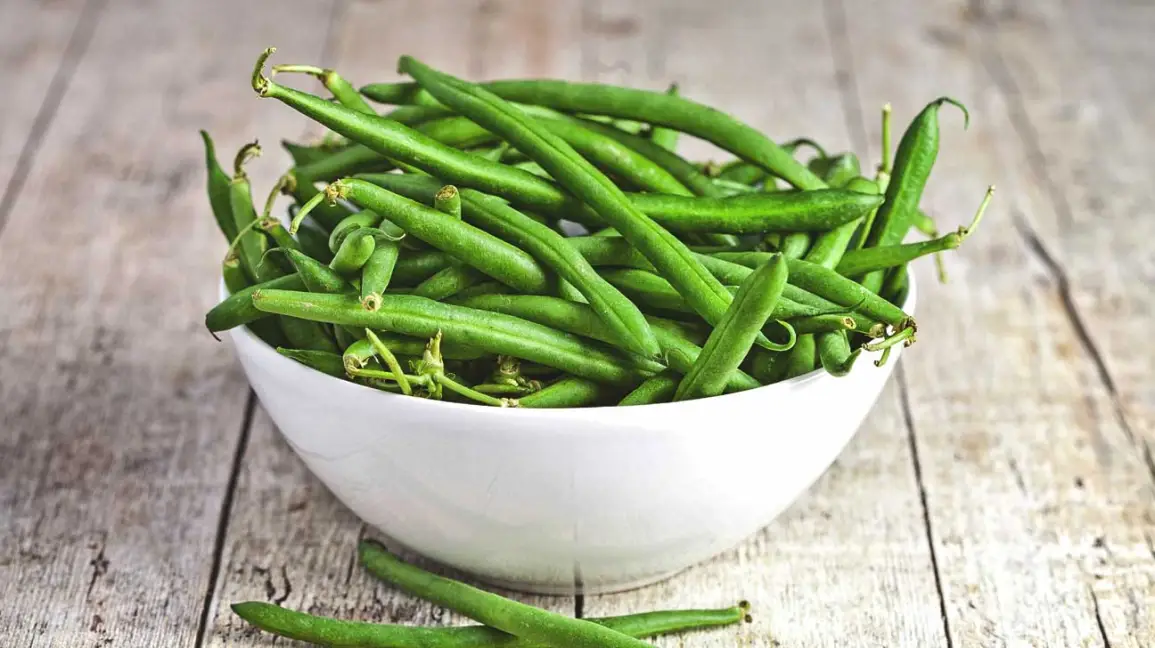
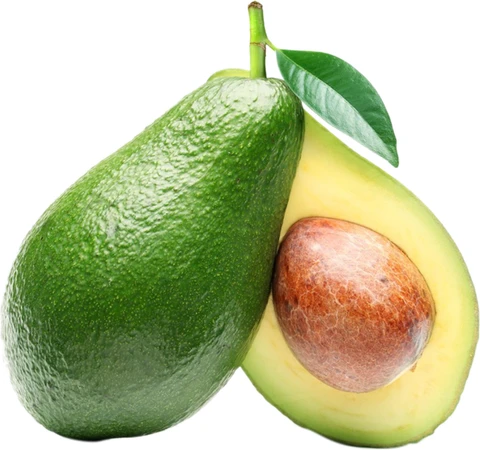
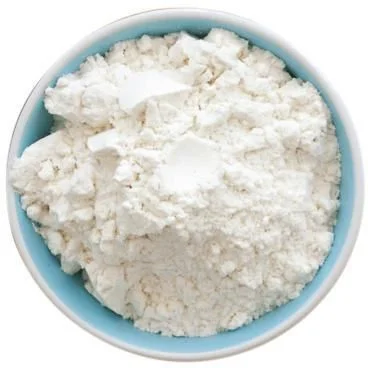
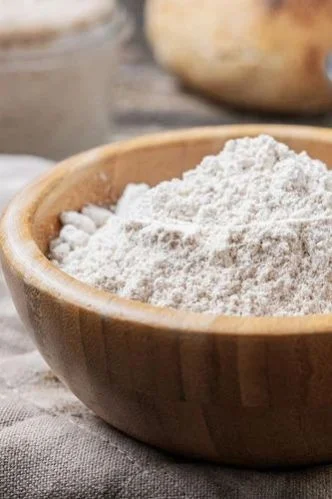
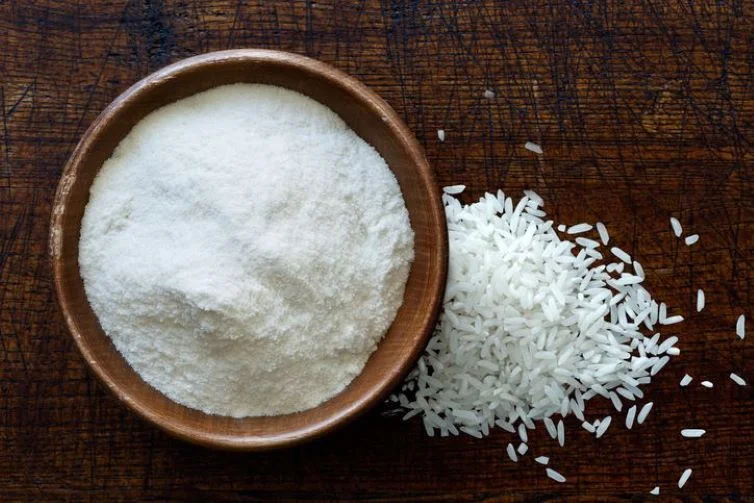
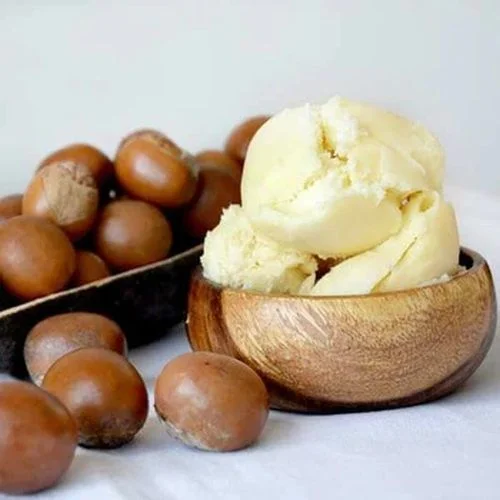
Uganda hosts V7 Investments, which currently lists 46 distinct agricultural and food items in its catalogue. The supplier’s top categories include flour, beans, fresh pumpkin, watermelon, black cardamom, kidney beans, maize and other fresh vegetables. Within the catalogue are specific entries such as Wheat Bran, Maize Flour, Sorghum Flour, Millet Flour and a selection of fresh legumes and fruits. Some products carry HS codes that place them in the fresh produce families, for example Green Beans (HS 0708.20), Fresh Hass Avocado (HS 0704.40) and Dried Mung Beans (HS 0713.90). The listing also contains value‑added items like Shea Butter and Volcano Stones for feet scrub, expanding the product mix beyond raw agricultural goods.

The catalogue reflects a focus on staple grains, pulses and fresh horticultural produce typical of East African export portfolios. Items such as Maize White, Maize Bran, and various pumpkin cultivars are presented alongside processed goods like Milk Powder and Peanuts. The inclusion of both raw fresh beans (e.g., Green Beans Big) and processed flours (e.g., Sorghum Flour) illustrates a breadth that can serve both bulk commodity buyers and niche food processors. Each product is identified by material type where available, supporting precise customs classification and quality verification.

Product Range and Specialties of V7 Investments

V7 Investments offers a catalogue that spans several grain and legume categories, including wheat bran, maize bran, maize flour, sorghum flour, millet flour and a range of beans such as kidney, pigeon, cow peas and mung beans. In the fresh‑produce segment the supplier lists watermelon, various pumpkin types, avocado, kale, collard greens and mangoes, all of which are typical export crops from Uganda’s high‑rainfall regions. Industry standards for these commodities generally reference grade specifications such as ICUMSA for sugar‑free flours, moisture limits of 12‑14 % for wheat‑based products, and size grading for beans (e.g., 12‑15 mm for large kidney beans). Buyers also expect packaging that protects moisture content, often in 25 kg polypropylene bags for flour and ventilated cartons for fresh produce.

Export‑ready beans and grains are frequently graded by protein content (e.g., 22‑24 % for high‑protein maize) and by purity percentages, while fresh fruits and vegetables are inspected for pesticide residue limits (EU maximum residue levels) and cosmetic quality. Typical HS code families for the listed items fall under Chapter 07 (Edible fruits and nuts) and Chapter 11 (Products of the milling industry). Certification expectations in the sector include ISO 22000, HACCP compliance and country‑specific phytosanitary certificates, which facilitate entry into European, Middle‑Eastern and African markets.

Trade and Export Information - V7 Investments

Uganda’s agricultural export infrastructure channels grain, legume and fresh‑produce shipments primarily to the European Union, the Middle East and neighboring East African states. HS Chapter 07 items such as avocado (0704.40) and green beans (0708.20) are usually shipped in refrigerated containers or ventilated crates, with standard loading of 20 ft or 40 ft containers holding 12‑18 tons depending on packaging. Grain and flour products classified under HS Chapter 11 are commonly packed in 25 kg or 50 kg bags and consolidated in standard dry‑bulk containers, allowing for efficient handling at ports like Mombasa and Rotterdam. Export documentation typically includes a phytosanitary certificate, a certificate of origin, and where applicable a compliance statement for pesticide residue limits.

Importers of Ugandan pulses and grains often request third‑party lab analysis confirming moisture, ash and protein levels, as well as compliance with EU or GCC specifications. Commonly required certifications include ISO 22000 for food safety management, HACCP plans for processed items, and traceability records that align with the EU’s General Food Law. Logistics providers usually operate on FOB or CIF terms, with transit times of 15‑25 days to European ports and 7‑12 days to Gulf ports, depending on shipping line and container type.

Sourcing from V7 Investments - Buyer Guidance

When sourcing from V7 Investments, buyers should request a current phytosanitary certificate for all fresh produce items, and a recent lab report detailing moisture, protein and impurity levels for grain and flour products. For items that carry HS codes in the catalogue, such as Green Beans (0708.20) and Avocado (0704.40), confirming the exact HS classification helps avoid customs re‑routing and ensures correct duty assessment. Samples of representative batches are advisable before confirming large orders, especially for specialty flours where particle size distribution can affect processing performance.

Buyers are also encouraged to verify that the supplier can provide ISO 22000 or HACCP documentation for processed goods like Milk Powder and Shea Butter. Checking packaging specifications - e.g., 25 kg polypropylene bags for flour or ventilated cartons for fresh vegetables - helps ensure product integrity during sea transit. Clarifying the minimum order quantity, typical lead time (often 30‑45 days for fresh produce and 45‑60 days for processed grains) and the preferred Incoterm (FOB or CIF) will streamline contract negotiations.

Frequently Asked Questions About V7 Investments

What HS codes apply to the fresh produce listed by V7 Investments?

The catalogue assigns HS 0708.20 to Green Beans (Fresh Whole Green Beans) and HS 0704.40 to Fresh Hass Avocado. Dried Mung Beans are listed under HS 0713.90. Other fresh fruits and vegetables fall under the broader Chapter 07 codes for edible fruits and vegetables.

Which certifications should a buyer request for the grain and flour products?

Buyers should request ISO 22000 or HACCP certification for food safety, along with a recent laboratory analysis showing moisture (typically 12‑14 %), protein and ash content. A certificate of origin may also be required for tariff preference claims.

How are the grain products typically packaged for export?

Grain and flour items are usually packed in 25 kg or 50 kg polypropylene bags, which are then palletised for container loading. This packaging protects against moisture ingress and facilitates handling at ports.

What is the typical lead time for fresh vegetables such as pumpkin or kale?

Fresh vegetables are generally harvested, packed and shipped within 30‑45 days from order confirmation, depending on seasonality and logistics arrangements.

Are phytosanitary certificates required for the legume products?

Yes, phytosanitary certificates are standard for all fresh legume items, including Green Beans, Mung Beans and other dried pulses, to satisfy import regulations of EU, GCC and African markets.

What container sizes are used for shipping the bulk grain items?

Export shipments of grain and flour are commonly loaded into standard 20‑ft or 40‑ft dry containers, with a typical payload of 12‑18 tons per 20‑ft unit, depending on bag weight and packaging density.

Can V7 Investments provide samples before a full order?

The supplier can arrange representative samples of both fresh produce and processed grain products, allowing buyers to verify quality parameters such as size, moisture and flavor before confirming larger volumes.

What Incoterms does V7 Investments usually operate under?

Typical transactions are negotiated on FOB (Free on Board) or CIF (Cost, Insurance, Freight) terms, giving buyers flexibility in handling freight and insurance arrangements.


Featured Products from this Supplier

Other Suppliers in Primary Category

Top Trusted Suppliers

Related Products

Trending in Parent Category

More Suppliers in Category

Related Products

Other Suppliers

EximNext
58.4K+ live requirements
Register Free🎁 5 free buy-lead credits
Post Requirement
🌍 Trusted by 224.4K+ businesses in 200+ countries|
58.4K+ active requirements right now
✉️ [email protected]
|
Sell on EximNextPost Requirement
EximNext
AgricultureApparelConstructionElectronicFoodHomeIndustrialMineralsMiscellaneous
🔥 Deals|✨ AI Match|🏭 Suppliers|📋 Buy Leads|💰 Trade Finance|⭐ Upgrade
58.4K+ live RFQs·194.4K+ suppliers
🎁 5 free credits →
EximNext
EximNext
Register Free
🎁 5 free buy-lead credits
Sign In
📋Post Requirement💬Get QuotesAI Match📋RFQ Marketplace
All Categories
Services & Tools
🏭Supplier Directory🔥Today's Deals💰Trade FinanceMembership
Sell on EximNext
AboutContactBlogHelp
🏭

V7 Investments

Harbor
Country flag , Uganda
🛡️
77/100
Trust Score

V7 Investments Product Catalog

Showing 12 of 47 products
View all products →
Moringa Powder
Harbor
Moringa Powder
Contact
MOQ: 1 Unit
Watermelon Round Green Dark African
Harbor
Watermelon Round Green Dark African
Contact
MOQ: 1 Unit
Millet Seed Bean Or Flour
Harbor
Millet Seed Bean Or Flour
Contact
MOQ: 1 Unit
Hot Pepper Bullet Chillu
Harbor
Hot Pepper Bullet Chillu
Contact
MOQ: 1 Unit
Cinnamon Sticks
Harbor
Cinnamon Sticks
Contact
MOQ: 1 Unit
Mung Beans Green Beans
Harbor
Mung Beans Green Beans
Contact
MOQ: 1 Unit
Peanuts
Harbor
Peanuts
Contact
MOQ: 1 Unit
Radish
Harbor
Radish
Contact
MOQ: 1 Unit
Green Split Gram
Harbor
Green Split Gram
Contact
MOQ: 1 Unit
Sweet Passion Fruit
Harbor
Sweet Passion Fruit
Contact
MOQ: 1 Unit
Tamarillo Tree Tomato
Harbor
Tamarillo Tree Tomato
Contact
MOQ: 1 Unit
Soybeans
Harbor
Soybeans
Contact
MOQ: 1 Unit

About V7 Investments - Food Supplier in Uganda

Uganda hosts V7 Investments, which currently lists 46 distinct agricultural and food items in its catalogue. The supplier’s top categories include flour, beans, fresh pumpkin, watermelon, black cardamom, kidney beans, maize and other fresh vegetables. Within the catalogue are specific entries such as Wheat Bran, Maize Flour, Sorghum Flour, Millet Flour and a selection of fresh legumes and fruits. Some products carry HS codes that place them in the fresh produce families, for example Green Beans (HS 0708.20), Fresh Hass Avocado (HS 0704.40) and Dried Mung Beans (HS 0713.90). The listing also contains value‑added items like Shea Butter and Volcano Stones for feet scrub, expanding the product mix beyond raw agricultural goods.

The catalogue reflects a focus on staple grains, pulses and fresh horticultural produce typical of East African export portfolios. Items such as Maize White, Maize Bran, and various pumpkin cultivars are presented alongside processed goods like Milk Powder and Peanuts. The inclusion of both raw fresh beans (e.g., Green Beans Big) and processed flours (e.g., Sorghum Flour) illustrates a breadth that can serve both bulk commodity buyers and niche food processors. Each product is identified by material type where available, supporting precise customs classification and quality verification.

Product Range and Specialties of V7 Investments

V7 Investments offers a catalogue that spans several grain and legume categories, including wheat bran, maize bran, maize flour, sorghum flour, millet flour and a range of beans such as kidney, pigeon, cow peas and mung beans. In the fresh‑produce segment the supplier lists watermelon, various pumpkin types, avocado, kale, collard greens and mangoes, all of which are typical export crops from Uganda’s high‑rainfall regions. Industry standards for these commodities generally reference grade specifications such as ICUMSA for sugar‑free flours, moisture limits of 12‑14 % for wheat‑based products, and size grading for beans (e.g., 12‑15 mm for large kidney beans). Buyers also expect packaging that protects moisture content, often in 25 kg polypropylene bags for flour and ventilated cartons for fresh produce.

Export‑ready beans and grains are frequently graded by protein content (e.g., 22‑24 % for high‑protein maize) and by purity percentages, while fresh fruits and vegetables are inspected for pesticide residue limits (EU maximum residue levels) and cosmetic quality. Typical HS code families for the listed items fall under Chapter 07 (Edible fruits and nuts) and Chapter 11 (Products of the milling industry). Certification expectations in the sector include ISO 22000, HACCP compliance and country‑specific phytosanitary certificates, which facilitate entry into European, Middle‑Eastern and African markets.

Trade and Export Information - V7 Investments

Uganda’s agricultural export infrastructure channels grain, legume and fresh‑produce shipments primarily to the European Union, the Middle East and neighboring East African states. HS Chapter 07 items such as avocado (0704.40) and green beans (0708.20) are usually shipped in refrigerated containers or ventilated crates, with standard loading of 20 ft or 40 ft containers holding 12‑18 tons depending on packaging. Grain and flour products classified under HS Chapter 11 are commonly packed in 25 kg or 50 kg bags and consolidated in standard dry‑bulk containers, allowing for efficient handling at ports like Mombasa and Rotterdam. Export documentation typically includes a phytosanitary certificate, a certificate of origin, and where applicable a compliance statement for pesticide residue limits.

Importers of Ugandan pulses and grains often request third‑party lab analysis confirming moisture, ash and protein levels, as well as compliance with EU or GCC specifications. Commonly required certifications include ISO 22000 for food safety management, HACCP plans for processed items, and traceability records that align with the EU’s General Food Law. Logistics providers usually operate on FOB or CIF terms, with transit times of 15‑25 days to European ports and 7‑12 days to Gulf ports, depending on shipping line and container type.

Sourcing from V7 Investments - Buyer Guidance

When sourcing from V7 Investments, buyers should request a current phytosanitary certificate for all fresh produce items, and a recent lab report detailing moisture, protein and impurity levels for grain and flour products. For items that carry HS codes in the catalogue, such as Green Beans (0708.20) and Avocado (0704.40), confirming the exact HS classification helps avoid customs re‑routing and ensures correct duty assessment. Samples of representative batches are advisable before confirming large orders, especially for specialty flours where particle size distribution can affect processing performance.

Buyers are also encouraged to verify that the supplier can provide ISO 22000 or HACCP documentation for processed goods like Milk Powder and Shea Butter. Checking packaging specifications - e.g., 25 kg polypropylene bags for flour or ventilated cartons for fresh vegetables - helps ensure product integrity during sea transit. Clarifying the minimum order quantity, typical lead time (often 30‑45 days for fresh produce and 45‑60 days for processed grains) and the preferred Incoterm (FOB or CIF) will streamline contract negotiations.

Frequently Asked Questions About V7 Investments

What HS codes apply to the fresh produce listed by V7 Investments?

The catalogue assigns HS 0708.20 to Green Beans (Fresh Whole Green Beans) and HS 0704.40 to Fresh Hass Avocado. Dried Mung Beans are listed under HS 0713.90. Other fresh fruits and vegetables fall under the broader Chapter 07 codes for edible fruits and vegetables.

Which certifications should a buyer request for the grain and flour products?

Buyers should request ISO 22000 or HACCP certification for food safety, along with a recent laboratory analysis showing moisture (typically 12‑14 %), protein and ash content. A certificate of origin may also be required for tariff preference claims.

How are the grain products typically packaged for export?

Grain and flour items are usually packed in 25 kg or 50 kg polypropylene bags, which are then palletised for container loading. This packaging protects against moisture ingress and facilitates handling at ports.

What is the typical lead time for fresh vegetables such as pumpkin or kale?

Fresh vegetables are generally harvested, packed and shipped within 30‑45 days from order confirmation, depending on seasonality and logistics arrangements.

Are phytosanitary certificates required for the legume products?

Yes, phytosanitary certificates are standard for all fresh legume items, including Green Beans, Mung Beans and other dried pulses, to satisfy import regulations of EU, GCC and African markets.

What container sizes are used for shipping the bulk grain items?

Export shipments of grain and flour are commonly loaded into standard 20‑ft or 40‑ft dry containers, with a typical payload of 12‑18 tons per 20‑ft unit, depending on bag weight and packaging density.

Can V7 Investments provide samples before a full order?

The supplier can arrange representative samples of both fresh produce and processed grain products, allowing buyers to verify quality parameters such as size, moisture and flavor before confirming larger volumes.

What Incoterms does V7 Investments usually operate under?

Typical transactions are negotiated on FOB (Free on Board) or CIF (Cost, Insurance, Freight) terms, giving buyers flexibility in handling freight and insurance arrangements.

About V7 Investments - Food Supplier in Uganda

Uganda hosts V7 Investments, which currently lists 46 distinct agricultural and food items in its catalogue. The supplier’s top categories include flour, beans, fresh pumpkin, watermelon, black cardamom, kidney beans, maize and other fresh vegetables. Within the catalogue are specific entries such as Wheat Bran, Maize Flour, Sorghum Flour, Millet Flour and a selection of fresh legumes and fruits. Some products carry HS codes that place them in the fresh produce families, for example Green Beans (HS 0708.20), Fresh Hass Avocado (HS 0704.40) and Dried Mung Beans (HS 0713.90). The listing also contains value‑added items like Shea Butter and Volcano Stones for feet scrub, expanding the product mix beyond raw agricultural goods.

The catalogue reflects a focus on staple grains, pulses and fresh horticultural produce typical of East African export portfolios. Items such as Maize White, Maize Bran, and various pumpkin cultivars are presented alongside processed goods like Milk Powder and Peanuts. The inclusion of both raw fresh beans (e.g., Green Beans Big) and processed flours (e.g., Sorghum Flour) illustrates a breadth that can serve both bulk commodity buyers and niche food processors. Each product is identified by material type where available, supporting precise customs classification and quality verification.

Product Range and Specialties of V7 Investments

V7 Investments offers a catalogue that spans several grain and legume categories, including wheat bran, maize bran, maize flour, sorghum flour, millet flour and a range of beans such as kidney, pigeon, cow peas and mung beans. In the fresh‑produce segment the supplier lists watermelon, various pumpkin types, avocado, kale, collard greens and mangoes, all of which are typical export crops from Uganda’s high‑rainfall regions. Industry standards for these commodities generally reference grade specifications such as ICUMSA for sugar‑free flours, moisture limits of 12‑14 % for wheat‑based products, and size grading for beans (e.g., 12‑15 mm for large kidney beans). Buyers also expect packaging that protects moisture content, often in 25 kg polypropylene bags for flour and ventilated cartons for fresh produce.

Export‑ready beans and grains are frequently graded by protein content (e.g., 22‑24 % for high‑protein maize) and by purity percentages, while fresh fruits and vegetables are inspected for pesticide residue limits (EU maximum residue levels) and cosmetic quality. Typical HS code families for the listed items fall under Chapter 07 (Edible fruits and nuts) and Chapter 11 (Products of the milling industry). Certification expectations in the sector include ISO 22000, HACCP compliance and country‑specific phytosanitary certificates, which facilitate entry into European, Middle‑Eastern and African markets.

Trade and Export Information - V7 Investments

Uganda’s agricultural export infrastructure channels grain, legume and fresh‑produce shipments primarily to the European Union, the Middle East and neighboring East African states. HS Chapter 07 items such as avocado (0704.40) and green beans (0708.20) are usually shipped in refrigerated containers or ventilated crates, with standard loading of 20 ft or 40 ft containers holding 12‑18 tons depending on packaging. Grain and flour products classified under HS Chapter 11 are commonly packed in 25 kg or 50 kg bags and consolidated in standard dry‑bulk containers, allowing for efficient handling at ports like Mombasa and Rotterdam. Export documentation typically includes a phytosanitary certificate, a certificate of origin, and where applicable a compliance statement for pesticide residue limits.

Importers of Ugandan pulses and grains often request third‑party lab analysis confirming moisture, ash and protein levels, as well as compliance with EU or GCC specifications. Commonly required certifications include ISO 22000 for food safety management, HACCP plans for processed items, and traceability records that align with the EU’s General Food Law. Logistics providers usually operate on FOB or CIF terms, with transit times of 15‑25 days to European ports and 7‑12 days to Gulf ports, depending on shipping line and container type.

Sourcing from V7 Investments - Buyer Guidance

When sourcing from V7 Investments, buyers should request a current phytosanitary certificate for all fresh produce items, and a recent lab report detailing moisture, protein and impurity levels for grain and flour products. For items that carry HS codes in the catalogue, such as Green Beans (0708.20) and Avocado (0704.40), confirming the exact HS classification helps avoid customs re‑routing and ensures correct duty assessment. Samples of representative batches are advisable before confirming large orders, especially for specialty flours where particle size distribution can affect processing performance.

Buyers are also encouraged to verify that the supplier can provide ISO 22000 or HACCP documentation for processed goods like Milk Powder and Shea Butter. Checking packaging specifications - e.g., 25 kg polypropylene bags for flour or ventilated cartons for fresh vegetables - helps ensure product integrity during sea transit. Clarifying the minimum order quantity, typical lead time (often 30‑45 days for fresh produce and 45‑60 days for processed grains) and the preferred Incoterm (FOB or CIF) will streamline contract negotiations.

Frequently Asked Questions About V7 Investments
What HS codes apply to the fresh produce listed by V7 Investments?
The catalogue assigns HS 0708.20 to Green Beans (Fresh Whole Green Beans) and HS 0704.40 to Fresh Hass Avocado. Dried Mung Beans are listed under HS 0713.90. Other fresh fruits and vegetables fall under the broader Chapter 07 codes for edible fruits and vegetables.
Which certifications should a buyer request for the grain and flour products?
Buyers should request ISO 22000 or HACCP certification for food safety, along with a recent laboratory analysis showing moisture (typically 12‑14 %), protein and ash content. A certificate of origin may also be required for tariff preference claims.
How are the grain products typically packaged for export?
Grain and flour items are usually packed in 25 kg or 50 kg polypropylene bags, which are then palletised for container loading. This packaging protects against moisture ingress and facilitates handling at ports.
What is the typical lead time for fresh vegetables such as pumpkin or kale?
Fresh vegetables are generally harvested, packed and shipped within 30‑45 days from order confirmation, depending on seasonality and logistics arrangements.
Are phytosanitary certificates required for the legume products?
Yes, phytosanitary certificates are standard for all fresh legume items, including Green Beans, Mung Beans and other dried pulses, to satisfy import regulations of EU, GCC and African markets.
What container sizes are used for shipping the bulk grain items?
Export shipments of grain and flour are commonly loaded into standard 20‑ft or 40‑ft dry containers, with a typical payload of 12‑18 tons per 20‑ft unit, depending on bag weight and packaging density.
Can V7 Investments provide samples before a full order?
The supplier can arrange representative samples of both fresh produce and processed grain products, allowing buyers to verify quality parameters such as size, moisture and flavor before confirming larger volumes.
What Incoterms does V7 Investments usually operate under?
Typical transactions are negotiated on FOB (Free on Board) or CIF (Cost, Insurance, Freight) terms, giving buyers flexibility in handling freight and insurance arrangements.

🏭
V7 Investments
Country flag , Uganda
Harbor
77/100
Trust Score
📦
47
Products
Free to contact — no commission
Escrow payment available
Verified business identity
Compare more suppliers
Post a requirement — get 10 quotes free
Let verified suppliers compete for your business. Free, fast, no commitment.
EximNext Verified Supplier
Business identity verified
Physical address confirmed
Financial history checked
Certifications authenticated
Trade references validated
Due Diligence
Verify this supplier's real shipping history.
Every shipment, every buyer, every port. Trade data that can't be faked.
Run due diligence →
Discover More

Related Suppliers & Products

Explore similar suppliers, related products and trending categories

Featured Products from this Supplier

Other Suppliers in Primary Category

Top Trusted Suppliers

Related Products

Trending in Parent Category

More Suppliers in Category

Stay ahead in global trade
Weekly market insights & new supplier alerts.
EximNext
Exim Next is a leading global B2B marketplace, connecting over 205,000 verified suppliers and buyers across 200+ countries. As a trusted import export marketplace, it serves as the essential B2B portal for businesses worldwide, empowering them to expand their international reach. With Exim Next, businesses can trade smarter and grow faster.
SECURE PAYMENTS
VISAMastercardPayPalSWIFTL/CEscrow
Follow us
© 2026 EximNext