United Gulf Foods LLC — Verified Supplier
About United Gulf Foods LLC - Fish Supplier in India
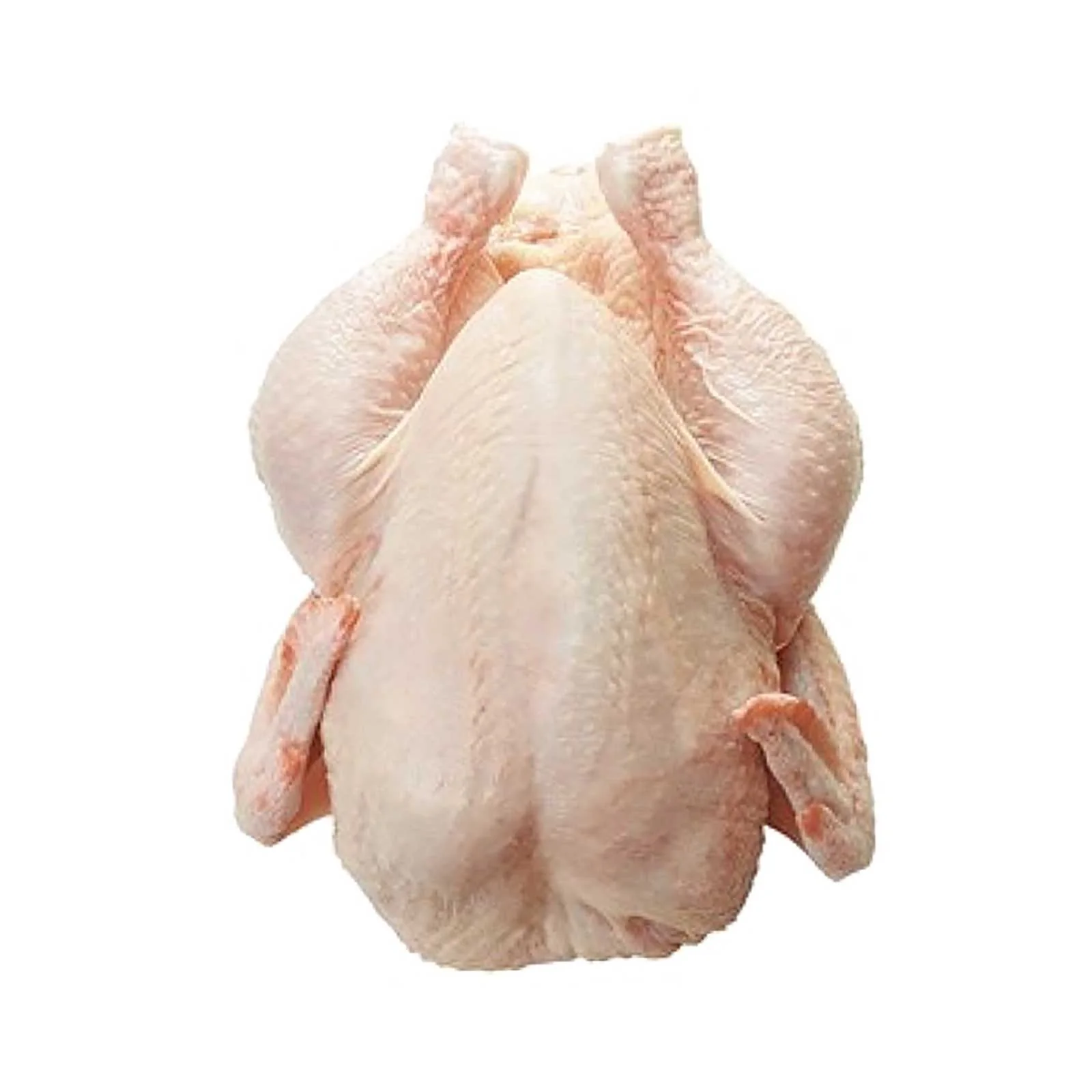
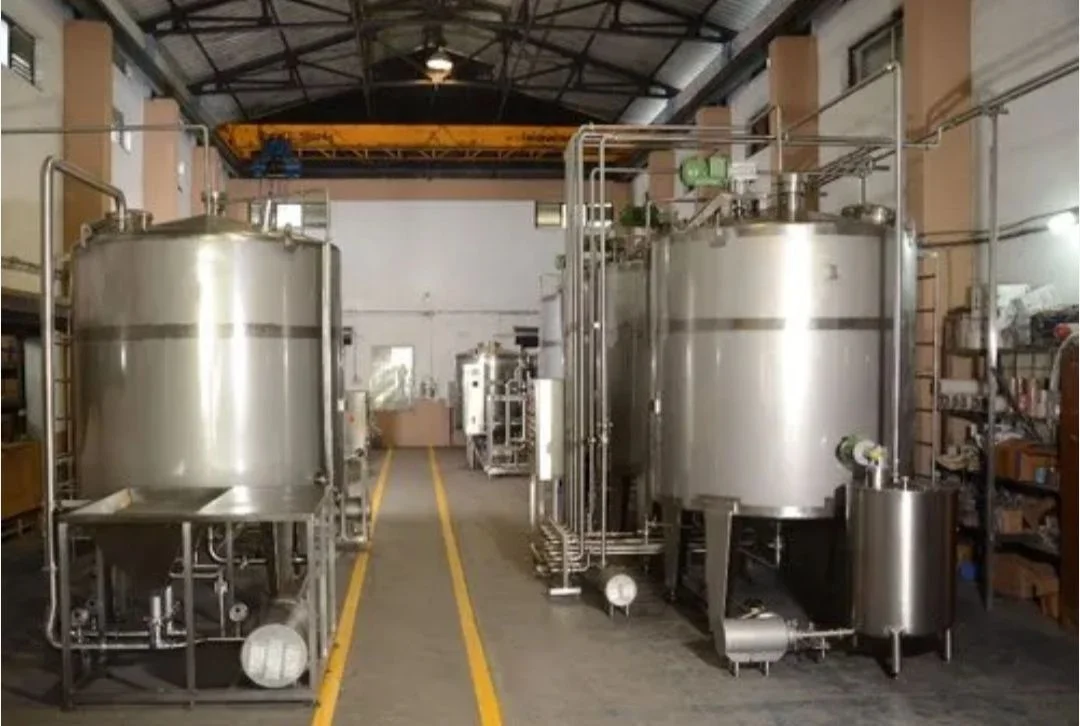
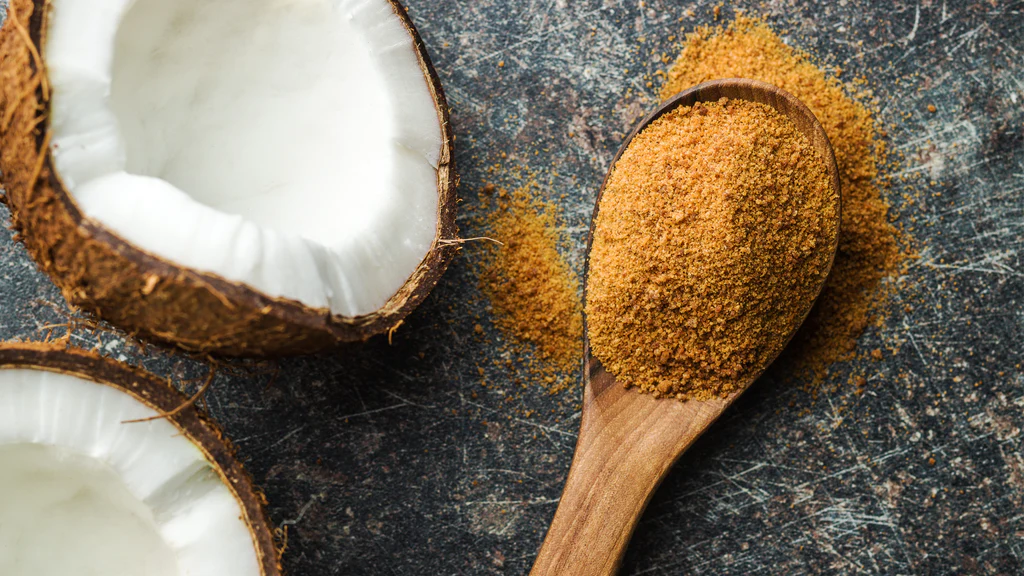
India‑based United Gulf Foods LLC lists fifteen active products across its catalogue. The company’s top categories include Fish, Frozen Fish, Juice, Agriculture, Dehydrated Fruits, Frozen Sardine Fish, Frozen Tuna Fish and Frozen Chicken. Specific catalogue entries comprise Suntop Juice 250 ml and 125 ml, Dried Sprats, Frozen Kingfish, Frozen Sardine, Frozen Tuna, Frozen Queenfish, Frozen Habsa Fish (HS 0303.89), Frozen Barracuda (HS 0303.89), Frozen Ribbon fish (HS 0303.89), Frozen Cuttlefish (HS 0307.49), Frozen Mackerel (HS 0303.74), Frozen Chicken Halal, Frozen Hilsa (HS 0303.89) and Sugar.
The product list reflects a focus on marine and aquaculture goods, with three distinct HS‑code families: 0303.89 for a range of frozen whole finfish, 0307.49 for frozen cuttlefish, and 0303.74 for frozen mackerel. Juice items are presented without HS codes but fall under Chapter 20 for fruit juices, while the Sugar entry aligns with Chapter 17. The supplier’s catalogue therefore spans frozen seafood, beverage liquids, and basic agricultural commodities, all originating from Indian production zones.
Product Range and Specialties of United Gulf Foods LLC
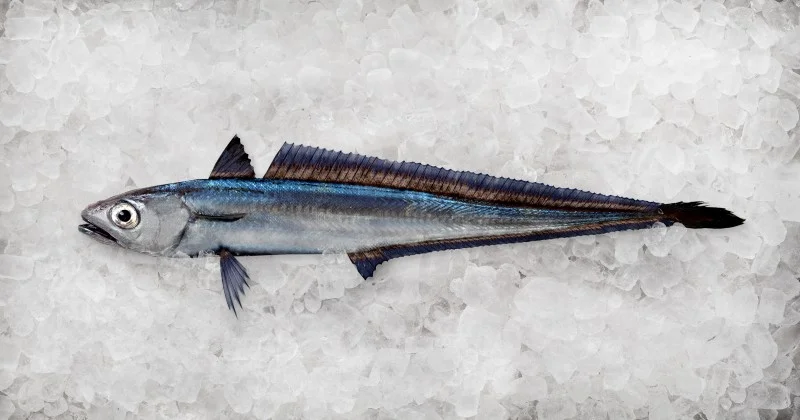
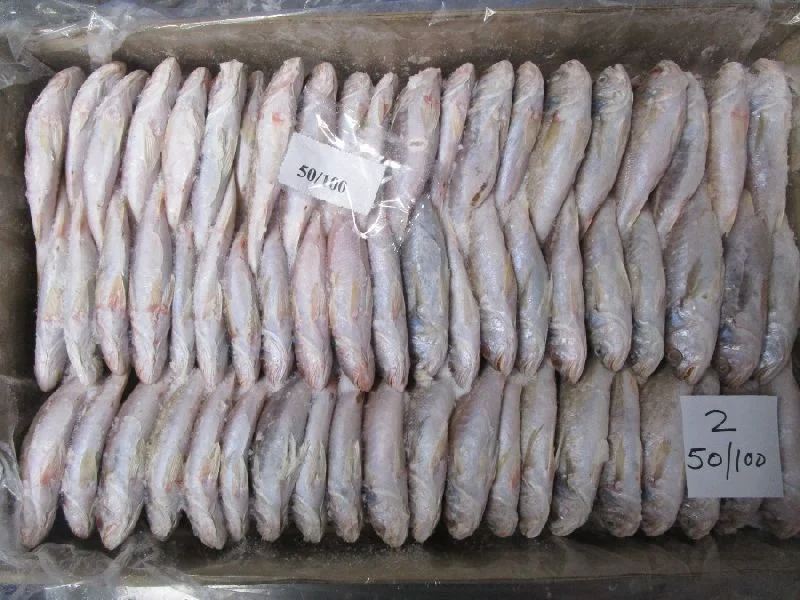
United Gulf Foods LLC supplies a variety of frozen whole fish that are typically sold with an ice glaze of 2‑3 mm and stored at - 18 °C or lower to preserve freshness. In the industry, frozen finfish such as Kingfish, Sardine, Tuna, Queenfish, Habsa, Barracuda, Ribbon fish and Hilsa are commonly graded by size (e.g., 30‑40 cm length) and by sensory standards such as TVB‑N ≤ 30 mg/100 g and total plate count ≤ 5 × 10⁴ CFU/g. Mackerel under HS 0303.74 is often exported as whole fish with a minimum flesh yield of 55 % and a moisture content below 70 %. Cuttlefish (HS 0307.49) is usually supplied in whole form, with a typical weight range of 300‑500 g per specimen and a post‑thaw drip loss under 5 %. The two juice formats (250 ml and 125 ml) are generally packed in PET bottles, conform to HACCP and ISO 22000 food‑safety plans, and are labelled with Brix values around 10‑12 %. The Sugar product aligns with standard granulated sugar specifications of ≤0.05 % moisture and ≥99.8 % sucrose purity.
Trade and Export Information - United Gulf Foods LLC
Indian exporters of frozen seafood commonly ship to the European Union, the Middle East and the United States, where buyers require HS 0303‑0307 documentation, a health certificate issued by the Indian Food Authority, and often a Halal certificate for chicken or certain fish species. Typical freight involves 20‑ft or 40‑ft refrigerated containers (reefers) with temperature monitoring, and Incoterms such as FOB Mumbai or CIF Dubai are frequently used. Buyers usually request compliance with BRC Global Standard for Food Safety or equivalent, and may also ask for a Certificate of Origin to benefit from preferential duty rates under the India‑UAE trade agreement. Juice products fall under Chapter 20, where EU buyers often demand EU‑Organic or FSSC 22000 certification, while sugar shipments are subject to HS 1701 duties and may require a phytosanitary certificate if blended with molasses.
Sourcing from United Gulf Foods LLC - Buyer Guidance
When sourcing frozen fish from United Gulf Foods LLC, buyers should request a copy of the latest health certificate, the full specification sheet indicating size range, ice‑glaze thickness and freezer temperature log, and any third‑party lab results for TVB‑N, microbial load and heavy‑metal limits. For the cuttlefish and mackerel, a freezer‑chain audit report and a moisture‑content analysis are useful verification tools. Juice buyers typically ask for a HACCP plan, a BRC or ISO 22000 audit report, and a laboratory analysis showing Brix, acidity (pH ≈ 3.5) and microbiological limits (coliform < 10 CFU/100 ml). The Halal‑certified frozen chicken should be accompanied by a valid Halal certificate from an accredited body and a traceability record from farm to freezer.
Frequently Asked Questions About United Gulf Foods LLC
What frozen fish products are listed in the catalogue?
The catalogue includes Frozen Kingfish, Frozen Sardine, Frozen Tuna, Frozen Queenfish, Frozen Habsa Fish (HS 0303.89), Frozen Barracuda (HS 0303.89), Frozen Ribbon fish (HS 0303.89), Frozen Cuttlefish (HS 0303.49) and Frozen Mackerel (HS 0303.74).
Which HS codes apply to the frozen seafood items?
HS 0303.89 covers most whole frozen finfish such as Habsa, Barracuda and Ribbon fish; HS 0307.49 applies to frozen cuttlefish; HS 0303.74 is used for frozen mackerel.
What standard quality parameters are typical for these frozen fish?
Buyers usually check size (30‑40 cm), ice‑glaze thickness (2‑3 mm), freezer temperature (≤ ‑18 °C), TVB‑N (≤ 30 mg/100 g) and total plate count (≤ 5 × 10⁴ CFU/g).
What certifications should a buyer request for the frozen chicken product?
Request a current Halal certificate from an accredited body, a health certificate from the Indian Food Authority, and evidence of compliance with ISO 22000 or BRC Food Safety standards.
What specifications are typical for the Suntop juice bottles?
The 250 ml and 125 ml PET bottles are usually produced under HACCP, have a Brix of 10‑12 %, pH around 3.5, and meet ISO 22000 or FSSC 22000 food‑safety requirements.
What are the usual packaging and shipping methods for the frozen seafood?
Frozen seafood is packed in insulated cartons with gel packs or dry ice, loaded into 20‑ft or 40‑ft refrigerated containers, and shipped under FOB or CIF terms depending on the buyer’s preference.
Which documents are important for customs clearance of the sugar product?
A Certificate of Origin, a health certificate and the standard HS 1701 declaration are typically required for customs clearance of granulated sugar.
What is the typical lead time for a sample of frozen fish?
Suppliers generally provide a small frozen sample within 7‑10 days after the request, subject to cold‑chain logistics and required documentation.




 , India