Toyama Tyre — Supplier
About Toyama Tyre - Automobile Tyres, Tubes & Wheels Supplier in China
Toyama Tyre is based in China and currently lists 11 distinct tyre products aimed at heavy‑duty commercial vehicles. The catalogue includes Japan Toyama Brand truck and bus tyres, bias‑type off‑the‑road (OTR) tyres, radial OTR tyres, and TBR (truck‑bus‑radial) tyres with sizes ranging from 11.00R20 to 385/65R22.5. Each entry references a specific application class such as long‑haul trucks, city buses, or construction equipment, and the items fall under the standard HS chapter for pneumatic tyres (HS 4011).
The listed products cover both bias‑ply and radial constructions, with model identifiers such as TY‑906 and TY‑930 indicating internal design series. Sizes are expressed in conventional tyre notation (e.g., 16.00R25, 14.00R24) that aligns with global loading and speed‑rating conventions. The supplier’s active product count of 11 reflects a focused portfolio rather than a broad consumer‑goods range, concentrating on the heavy‑vehicle segment.
Product Range and Specialties of Toyama Tyre
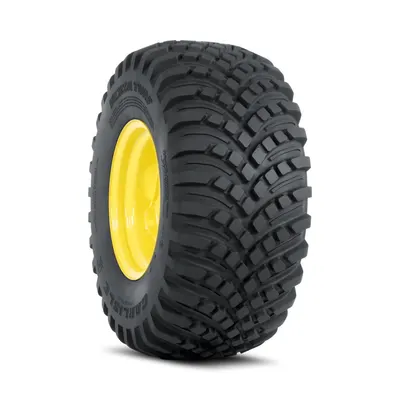
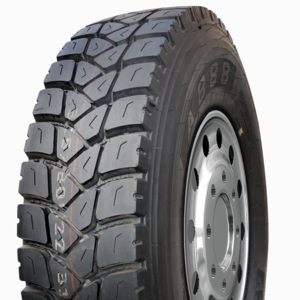
The catalogue offers Japan Toyama Brand truck & bus tyres, bias OTR tyres (including the TY‑906 series), radial OTR tyres (TY‑930 series), and TBR tyres in standard sizes such as 385/65R22.5 and 315/80R22.5. In the tyre industry, bias‑ply tyres are typically used for off‑road durability, while radial tyres provide better fuel efficiency and tread wear for on‑road service. Common specifications buyers look for include load index (e.g., 140‑160), speed rating (e.g., H‑V), tread pattern type (e.g., block, rib), and rubber compound grades such as high‑traction or low‑rolling‑resistance blends. ISO 9001 quality management and compliance with DOT or ECE regulations are standard benchmarks for commercial tyre manufacturers.
Trade and Export Information - Toyama Tyre
China remains one of the largest exporters of heavy‑duty tyres, with shipments frequently destined for Africa, the Middle East, Southeast Asia and parts of South America. The HS code 4011 covers all listed tyre types, and importers often require documentation such as a certificate of origin, ISO 9001 certification, and either DOT or ECE type approval depending on the target market. Typical export logistics involve loading tyres on wooden pallets, securing them in 20‑foot or 40‑foot containers (a 20‑ft container can hold roughly 40‑50 medium‑size truck tyres). Common Incoterms used by Chinese tyre exporters include FOB Shanghai and CIF for major ports in the buyer’s region.
Sourcing from Toyama Tyre - Buyer Guidance
When sourcing from Toyama Tyre, buyers should request a detailed product data sheet that lists load index, speed rating, tread pattern, and rubber compound description for each size. Verifying the presence of ISO 9001 certification and the applicable DOT/ECE approval report helps confirm compliance with safety standards. Samples of the specific tyre size are advisable for performance testing, and buyers should confirm packaging details (pallet dimensions, container loading plan) before finalising the order.
Frequently Asked Questions About Toyama Tyre
What tyre sizes does Toyama Tyre list for heavy‑duty applications?
The supplier lists sizes ranging from 11.00R20 and 12.00R20 up to 385/65R22.5, including intermediate sizes such as 16.00R25, 14.00R24, 12.00R24 and 11R22.5.
Are the listed tyres bias‑ply or radial constructions?
Both constructions are present: the catalogue includes bias OTR tyres (e.g., TY‑906) and radial OTR tyres (e.g., TY‑930) as well as radial TBR tyres for on‑road trucks.
Which HS code applies to these tyre products?
All the products fall under HS 4011, the code for pneumatic tyres for vehicles.
What certifications should a buyer verify for these tyres?
Buyers should confirm ISO 9001 quality management certification and request the relevant DOT or ECE type‑approval documents that correspond to the intended market.
What is the typical packaging method for export shipments?
Tyres are usually palletised on wooden pallets and loaded into 20‑ft or 40‑ft shipping containers, with container capacity depending on tyre size.
Which regions commonly import Chinese heavy‑duty tyres?
Major import regions include Africa, the Middle East, Southeast Asia and South America, where demand for cost‑effective commercial tyres is high.
What documentation is needed for customs clearance?
A certificate of origin, the commercial invoice, packing list, ISO 9001 certificate and the applicable DOT/ECE approval are standard documents for customs clearance.
How can a buyer request a sample before placing a larger order?
Buyers should contact the supplier with the specific tyre size and intended application, requesting a single unit or a small batch for performance testing, and agree on shipping terms such as FOB or CIF.




 , China