Stysion — Verified Manufacturer & Wholesale Supplier

About Stysion - Leather Bags Supplier in India

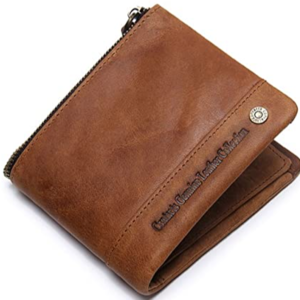
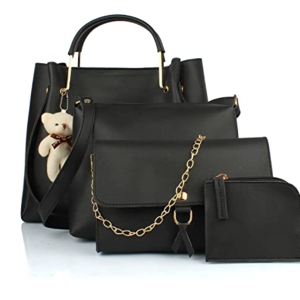
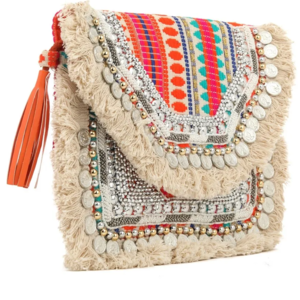
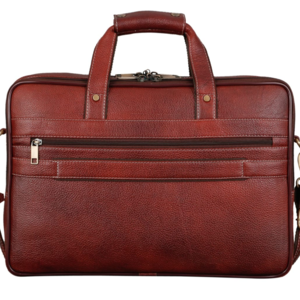
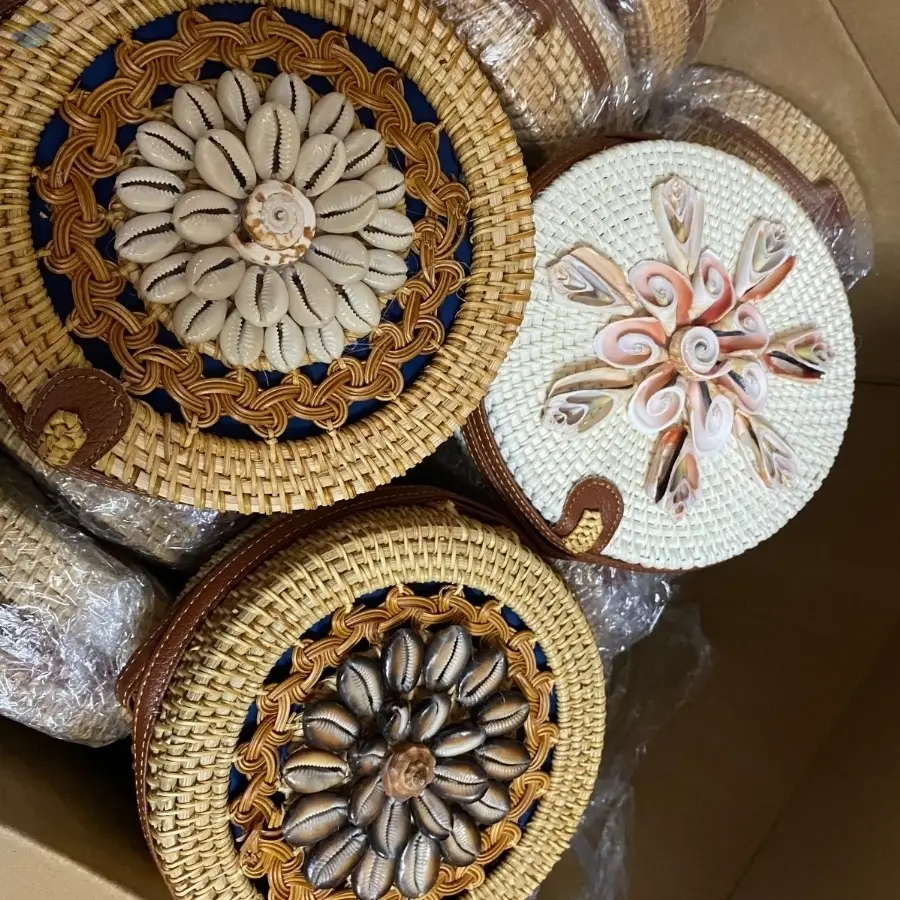
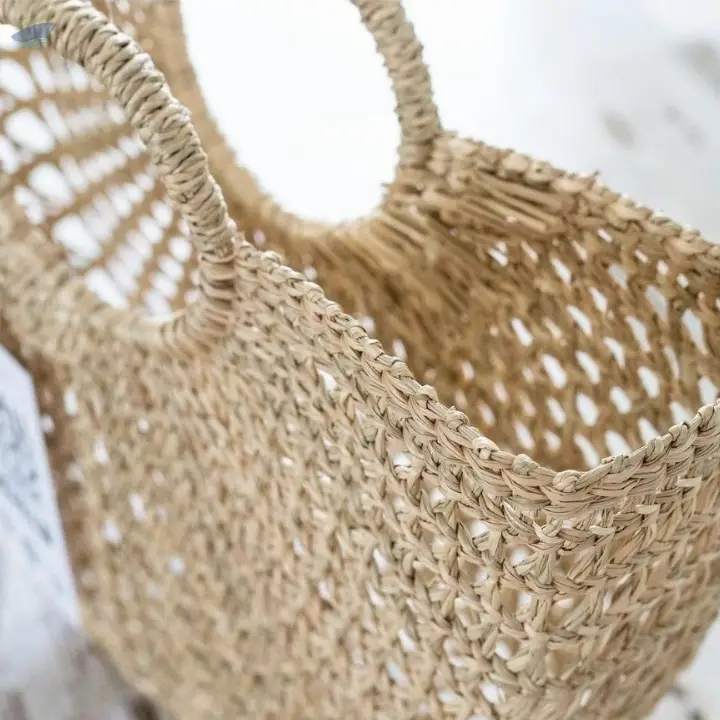
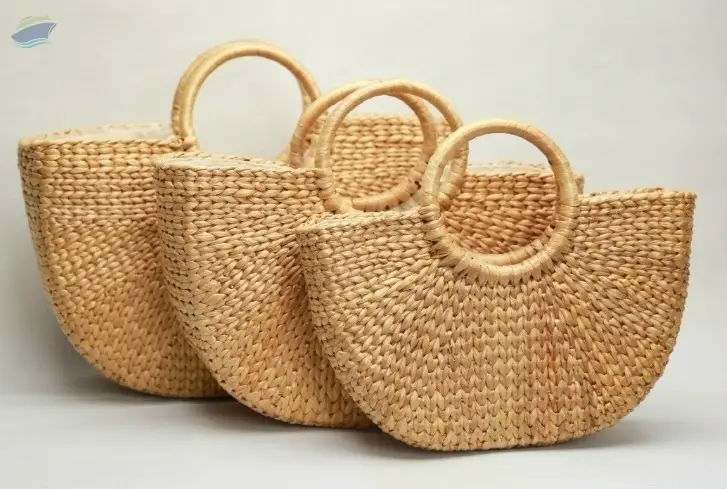
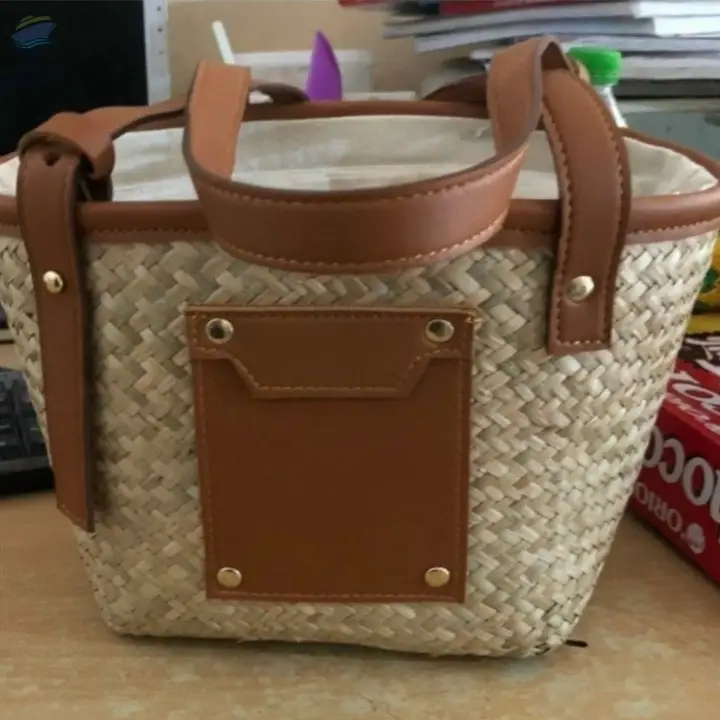
India, Mumbai City, Maharashtra hosts Stysion which lists ten active product entries in its catalogue. The catalogue is focused on leather‑based bags and woven accessories, all classified under HS Chapter 42 with codes ranging from 4202.11 to 4202.92. Products include women’s leather woven tote bags, small tan woven leather baskets, pompom‑detail leather woven bags, and various shoulder and handbag styles. Materials are described as genuine leather, buffalo calf tapered leather, and specific leather finishes indicated for each item. The HS codes identify these items as handbags, luggage, and other carrying cases, aligning with international customs classification for leather goods.

The listed items cover multiple sub‑categories such as women’s leather woven bags, handcrafted woven leather baskets, and fashion‑oriented leather handbags. Each entry cites a material type - either generic genuine leather or buffalo calf tapered leather - which is typical for premium bag production. The HS codes 4202.11, 4202.21, 4202.22, 4202.32, 4202.91 and 4202.92 correspond to different bag constructions, including hand‑stitched, woven, and basket‑style designs. Stysion’s product set therefore spans both standard handbag formats and specialty woven leather accessories. Export destinations mentioned in the profile include South Korea, Japan, Germany, Italy, France, Spain and the United States, reflecting a broad geographic reach for these leather items.

Product Range and Specialties of Stysion

The catalogue presents ten distinct leather bag items, all falling under HS 4202 sub‑headings for handbags, luggage and similar carriers. Items such as the "Women leather woven tote bags" (4202.32) and "Stysion Triple Jump Small Tan Woven Leather Bag" (4202.91) illustrate woven‑leather construction, while the "Pompom Double Jump Leather Woven Bag" (4202.11) and "Brown Woven leather bags" (4202.92) represent handcrafted and dyed variants. Materials reported include genuine leather and buffalo calf tapered leather, which in the industry correspond to full‑grain or top‑grain calfskin grades commonly used for premium accessories. Typical industry specifications for such bags cover leather thickness of 1‑3 mm, reinforced stitching at 3‑5 mm pitch, hardware made of zinc alloy or brass, and interior linings of polyester or cotton. Buyers often request certifications such as ISO 9001 for quality management, REACH compliance for chemical safety, and leather‑specific test reports covering abrasion resistance (e.g., 500 cycles) and colour fastness (ISO 105‑B02).

Trade and Export Information - Stysion

Indian leather exporters, especially those operating from the Mumbai port region, supply handbags and woven leather accessories to markets in Europe, North America and East Asia. HS Chapter 42 (4202) is monitored by customs authorities for compliance with leather‑tanning regulations, and many importers require REACH registration for EU shipments and CPSIA or ASTM D-4236 documentation for the United States. Common Incoterms used by Indian leather manufacturers are FOB Mumbai and CIF major ports such as Hamburg or Los Angeles, with 20‑ft or 40‑ft containers packed in corrugated boxes protected by moisture‑absorbing liners. Export logistics often include pre‑shipment inspection by SGS, Bureau Veritas or local agricultural authorities to verify leather origin and absence of restricted chemicals. Seasonal demand peaks in the fashion calendar, prompting higher volumes to Italy, France and Spain during the spring‑summer collection launches.

Typical buyers of Indian leather bags are fashion brands, wholesale distributors and online retailers that seek mid‑range to premium leather finishes. They usually require third‑party test reports, material safety data sheets and proof of ethical tanning processes before approving large orders. The Indian leather sector has a long‑standing presence in global supply chains, with Mumbai serving as a hub for containerized shipments that align with standard HS‑code documentation and customs valuation procedures.

Sourcing from Stysion - Buyer Guidance

When sourcing from Stysion, buyers should request a leather grade certificate that specifies whether the material is full‑grain, top‑grain or calfskin, together with a tanning process statement (chrome‑free or vegetable‑tanned). Test reports for abrasion resistance, colour fastness and tensile strength of the stitching are standard documents that help verify product durability. It is advisable to obtain a REACH compliance statement for EU shipments and a Material Safety Data Sheet (MSDS) for any chemical treatments used on the leather. Samples of the exact bag model, including hardware and lining, should be examined for stitching quality, edge finishing and leather uniformity before committing to bulk production. Verify that the HS code on the commercial invoice matches the product description (e.g., 4202.21 for woven leather handbags) and confirm packaging details such as inner poly‑bag protection and outer cardboard dimensions for container loading.

Typical minimum order quantities for Indian leather bag manufacturers range from 300 to 1,000 units per style, with lead times of 30‑45 days after sample approval. Buyers should clarify whether the quoted terms are FOB Mumbai or CIF destination, as freight costs and insurance responsibilities differ. Final inspection by an independent third party is recommended to ensure that the delivered goods meet the agreed specifications and regulatory requirements.

Frequently Asked Questions About Stysion

What types of leather bags does Stysion list in its catalogue?

Stysion lists ten items that include women’s leather woven tote bags, handcrafted woven leather baskets, pompom‑detail leather woven bags, shoulder bags and various woven and dyed leather handbags, all classified under HS 4202 sub‑headings.

Which HS codes are associated with Stysion’s products?

The products are assigned HS codes 4202.11, 4202.21, 4202.22, 4202.32, 4202.91 and 4202.92, covering hand‑stitched, woven, and basket‑style leather carriers.

What materials are mentioned for the bags?

Materials specified are genuine leather and buffalo calf tapered leather, which correspond to full‑grain or top‑grain leather grades commonly used for premium accessories.

What certifications should a buyer request for these leather goods?

Buyers typically ask for ISO 9001 quality management certification, REACH compliance for EU markets, and leather‑specific test reports such as abrasion resistance and colour fastness.

What is a typical MOQ and lead time for orders from Stysion?

Standard minimum order quantities range from 300 to 1,000 units per style, with production lead times of roughly 30‑45 days after sample approval.

How are the bags usually packaged for export?

Bags are packed in moisture‑absorbing inner poly‑bags, placed inside reinforced corrugated cartons, and loaded into 20‑ft or 40‑ft containers for sea freight.

Which markets does Stysion export to?

The supplier’s profile mentions exports to South Korea, Japan, Germany, Italy, France, Spain and the United States, reflecting a global buyer base for leather accessories.

What Incoterms are commonly used for Indian leather bag shipments?

FOB Mumbai and CIF to major destination ports are the most frequently applied Incoterms for Indian leather bag exporters.


Other Suppliers in Leather Bags

Top Trusted Suppliers

Related Products in Leather Bags

Trending in Parent Category

More Suppliers in Parent Category

Related Products

Other Suppliers

EximNext
58.4K+ live requirements
Register Free🎁 5 free buy-lead credits
Post Requirement
🌍 Trusted by 224.3K+ businesses in 200+ countries|
58.4K+ active requirements right now
✉️ [email protected]
|
Sell on EximNextPost Requirement
EximNext
AgricultureApparelConstructionElectronicFoodHomeIndustrialMineralsMiscellaneous
🔥 Deals|✨ AI Match|🏭 Suppliers|📋 Buy Leads|💰 Trade Finance|⭐ Upgrade
58.4K+ live RFQs·194.4K+ suppliers
🎁 5 free credits →
EximNext
EximNext
Register Free
🎁 5 free buy-lead credits
Sign In
📋Post Requirement💬Get QuotesAI Match📋RFQ Marketplace
All Categories
Services & Tools
🏭Supplier Directory🔥Today's Deals💰Trade FinanceMembership
Sell on EximNext
AboutContactBlogHelp
🏭

Stysion

🚢 Voyage
Country flag Mumbai City, IndiaEst. 2024-01-01
🏆
2+
Years in Business
🛡️
66/100
Trust Score

Stysion Product Catalog

Showing 10 of 10 products
View all products →
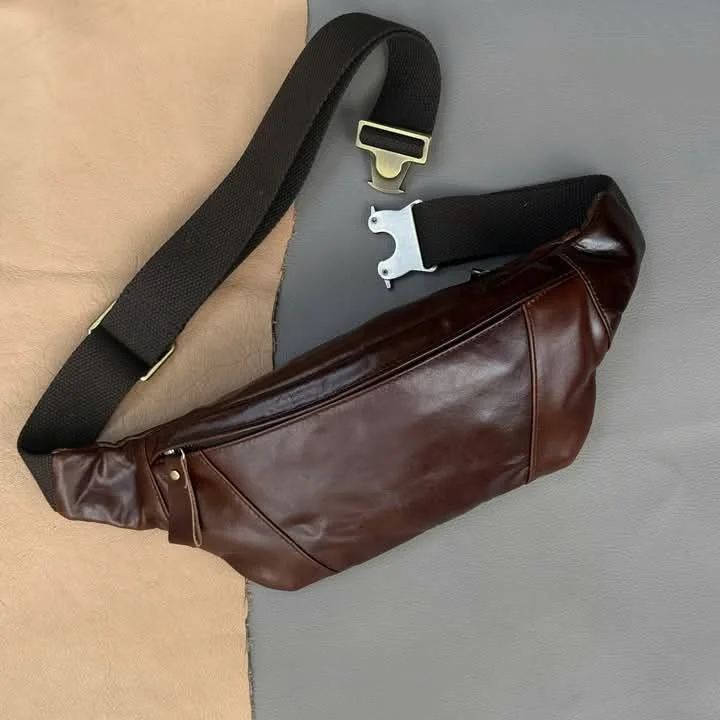
Brown Woven leather bags manufacturer in India
🚢 Voyage
Brown Woven leather bags manufacturer in India
Contact
MOQ: 1 Unit
Handcrafted Woven Leather Bags & Baskets Manufacturer - Stysion India
🚢 Voyage
Handcrafted Woven Leather Bags & Baskets Manufacturer - Stysion India
Contact
MOQ: 1 Unit
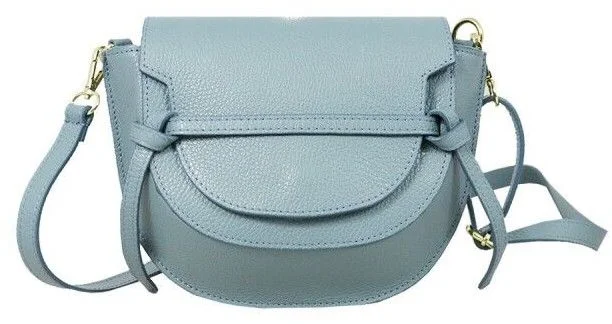
Women leather woven bags manufacturer in India
🚢 Voyage
Women leather woven bags manufacturer in India
Contact
MOQ: 1 Unit
Genuine Leather Woven Bag menufecturer in India
🚢 Voyage
Genuine Leather Woven Bag menufecturer in India
Contact
MOQ: 1 Unit
Shoulder bag black leather woven purse manufacturer in India
🚢 Voyage
Shoulder bag black leather woven purse manufacturer in India
Contact
MOQ: 1 Unit
Stysion Pompom Double Jump Leather Woven Bag: A Stylish Statement of Craftsmanship menufecturer in India
🚢 Voyage
Stysion Pompom Double Jump Leather Woven Bag: A Stylish Statement of Craftsmanship menufecturer in India
Contact
MOQ: 1 Unit
Stysion Triple Jump Small Tan Woven Leather Bag - Handcrafted Basket
🚢 Voyage
Stysion Triple Jump Small Tan Woven Leather Bag - Handcrafted Basket
Contact
MOQ: 1 Unit
Woven leather bags manufacturer
🚢 Voyage
Woven leather bags manufacturer
Contact
MOQ: 1 Unit
Women leather woven bags manufacturer
🚢 Voyage
Women leather woven bags manufacturer
Contact
MOQ: 1 Unit
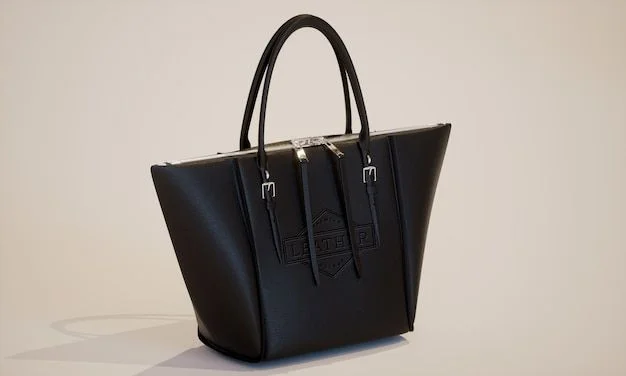
Women leather woven tote bags manufacturer
🚢 Voyage
Women leather woven tote bags manufacturer
Contact
MOQ: 1 Unit

About Stysion - Leather Bags Supplier in India

India, Mumbai City, Maharashtra hosts Stysion which lists ten active product entries in its catalogue. The catalogue is focused on leather‑based bags and woven accessories, all classified under HS Chapter 42 with codes ranging from 4202.11 to 4202.92. Products include women’s leather woven tote bags, small tan woven leather baskets, pompom‑detail leather woven bags, and various shoulder and handbag styles. Materials are described as genuine leather, buffalo calf tapered leather, and specific leather finishes indicated for each item. The HS codes identify these items as handbags, luggage, and other carrying cases, aligning with international customs classification for leather goods.

The listed items cover multiple sub‑categories such as women’s leather woven bags, handcrafted woven leather baskets, and fashion‑oriented leather handbags. Each entry cites a material type - either generic genuine leather or buffalo calf tapered leather - which is typical for premium bag production. The HS codes 4202.11, 4202.21, 4202.22, 4202.32, 4202.91 and 4202.92 correspond to different bag constructions, including hand‑stitched, woven, and basket‑style designs. Stysion’s product set therefore spans both standard handbag formats and specialty woven leather accessories. Export destinations mentioned in the profile include South Korea, Japan, Germany, Italy, France, Spain and the United States, reflecting a broad geographic reach for these leather items.

Product Range and Specialties of Stysion

The catalogue presents ten distinct leather bag items, all falling under HS 4202 sub‑headings for handbags, luggage and similar carriers. Items such as the "Women leather woven tote bags" (4202.32) and "Stysion Triple Jump Small Tan Woven Leather Bag" (4202.91) illustrate woven‑leather construction, while the "Pompom Double Jump Leather Woven Bag" (4202.11) and "Brown Woven leather bags" (4202.92) represent handcrafted and dyed variants. Materials reported include genuine leather and buffalo calf tapered leather, which in the industry correspond to full‑grain or top‑grain calfskin grades commonly used for premium accessories. Typical industry specifications for such bags cover leather thickness of 1‑3 mm, reinforced stitching at 3‑5 mm pitch, hardware made of zinc alloy or brass, and interior linings of polyester or cotton. Buyers often request certifications such as ISO 9001 for quality management, REACH compliance for chemical safety, and leather‑specific test reports covering abrasion resistance (e.g., 500 cycles) and colour fastness (ISO 105‑B02).

Trade and Export Information - Stysion

Indian leather exporters, especially those operating from the Mumbai port region, supply handbags and woven leather accessories to markets in Europe, North America and East Asia. HS Chapter 42 (4202) is monitored by customs authorities for compliance with leather‑tanning regulations, and many importers require REACH registration for EU shipments and CPSIA or ASTM D-4236 documentation for the United States. Common Incoterms used by Indian leather manufacturers are FOB Mumbai and CIF major ports such as Hamburg or Los Angeles, with 20‑ft or 40‑ft containers packed in corrugated boxes protected by moisture‑absorbing liners. Export logistics often include pre‑shipment inspection by SGS, Bureau Veritas or local agricultural authorities to verify leather origin and absence of restricted chemicals. Seasonal demand peaks in the fashion calendar, prompting higher volumes to Italy, France and Spain during the spring‑summer collection launches.

Typical buyers of Indian leather bags are fashion brands, wholesale distributors and online retailers that seek mid‑range to premium leather finishes. They usually require third‑party test reports, material safety data sheets and proof of ethical tanning processes before approving large orders. The Indian leather sector has a long‑standing presence in global supply chains, with Mumbai serving as a hub for containerized shipments that align with standard HS‑code documentation and customs valuation procedures.

Sourcing from Stysion - Buyer Guidance

When sourcing from Stysion, buyers should request a leather grade certificate that specifies whether the material is full‑grain, top‑grain or calfskin, together with a tanning process statement (chrome‑free or vegetable‑tanned). Test reports for abrasion resistance, colour fastness and tensile strength of the stitching are standard documents that help verify product durability. It is advisable to obtain a REACH compliance statement for EU shipments and a Material Safety Data Sheet (MSDS) for any chemical treatments used on the leather. Samples of the exact bag model, including hardware and lining, should be examined for stitching quality, edge finishing and leather uniformity before committing to bulk production. Verify that the HS code on the commercial invoice matches the product description (e.g., 4202.21 for woven leather handbags) and confirm packaging details such as inner poly‑bag protection and outer cardboard dimensions for container loading.

Typical minimum order quantities for Indian leather bag manufacturers range from 300 to 1,000 units per style, with lead times of 30‑45 days after sample approval. Buyers should clarify whether the quoted terms are FOB Mumbai or CIF destination, as freight costs and insurance responsibilities differ. Final inspection by an independent third party is recommended to ensure that the delivered goods meet the agreed specifications and regulatory requirements.

Frequently Asked Questions About Stysion

What types of leather bags does Stysion list in its catalogue?

Stysion lists ten items that include women’s leather woven tote bags, handcrafted woven leather baskets, pompom‑detail leather woven bags, shoulder bags and various woven and dyed leather handbags, all classified under HS 4202 sub‑headings.

Which HS codes are associated with Stysion’s products?

The products are assigned HS codes 4202.11, 4202.21, 4202.22, 4202.32, 4202.91 and 4202.92, covering hand‑stitched, woven, and basket‑style leather carriers.

What materials are mentioned for the bags?

Materials specified are genuine leather and buffalo calf tapered leather, which correspond to full‑grain or top‑grain leather grades commonly used for premium accessories.

What certifications should a buyer request for these leather goods?

Buyers typically ask for ISO 9001 quality management certification, REACH compliance for EU markets, and leather‑specific test reports such as abrasion resistance and colour fastness.

What is a typical MOQ and lead time for orders from Stysion?

Standard minimum order quantities range from 300 to 1,000 units per style, with production lead times of roughly 30‑45 days after sample approval.

How are the bags usually packaged for export?

Bags are packed in moisture‑absorbing inner poly‑bags, placed inside reinforced corrugated cartons, and loaded into 20‑ft or 40‑ft containers for sea freight.

Which markets does Stysion export to?

The supplier’s profile mentions exports to South Korea, Japan, Germany, Italy, France, Spain and the United States, reflecting a global buyer base for leather accessories.

What Incoterms are commonly used for Indian leather bag shipments?

FOB Mumbai and CIF to major destination ports are the most frequently applied Incoterms for Indian leather bag exporters.

About Stysion - Leather Bags Supplier in India

India, Mumbai City, Maharashtra hosts Stysion which lists ten active product entries in its catalogue. The catalogue is focused on leather‑based bags and woven accessories, all classified under HS Chapter 42 with codes ranging from 4202.11 to 4202.92. Products include women’s leather woven tote bags, small tan woven leather baskets, pompom‑detail leather woven bags, and various shoulder and handbag styles. Materials are described as genuine leather, buffalo calf tapered leather, and specific leather finishes indicated for each item. The HS codes identify these items as handbags, luggage, and other carrying cases, aligning with international customs classification for leather goods.

The listed items cover multiple sub‑categories such as women’s leather woven bags, handcrafted woven leather baskets, and fashion‑oriented leather handbags. Each entry cites a material type - either generic genuine leather or buffalo calf tapered leather - which is typical for premium bag production. The HS codes 4202.11, 4202.21, 4202.22, 4202.32, 4202.91 and 4202.92 correspond to different bag constructions, including hand‑stitched, woven, and basket‑style designs. Stysion’s product set therefore spans both standard handbag formats and specialty woven leather accessories. Export destinations mentioned in the profile include South Korea, Japan, Germany, Italy, France, Spain and the United States, reflecting a broad geographic reach for these leather items.

Product Range and Specialties of Stysion

The catalogue presents ten distinct leather bag items, all falling under HS 4202 sub‑headings for handbags, luggage and similar carriers. Items such as the "Women leather woven tote bags" (4202.32) and "Stysion Triple Jump Small Tan Woven Leather Bag" (4202.91) illustrate woven‑leather construction, while the "Pompom Double Jump Leather Woven Bag" (4202.11) and "Brown Woven leather bags" (4202.92) represent handcrafted and dyed variants. Materials reported include genuine leather and buffalo calf tapered leather, which in the industry correspond to full‑grain or top‑grain calfskin grades commonly used for premium accessories. Typical industry specifications for such bags cover leather thickness of 1‑3 mm, reinforced stitching at 3‑5 mm pitch, hardware made of zinc alloy or brass, and interior linings of polyester or cotton. Buyers often request certifications such as ISO 9001 for quality management, REACH compliance for chemical safety, and leather‑specific test reports covering abrasion resistance (e.g., 500 cycles) and colour fastness (ISO 105‑B02).

Trade and Export Information - Stysion

Indian leather exporters, especially those operating from the Mumbai port region, supply handbags and woven leather accessories to markets in Europe, North America and East Asia. HS Chapter 42 (4202) is monitored by customs authorities for compliance with leather‑tanning regulations, and many importers require REACH registration for EU shipments and CPSIA or ASTM D-4236 documentation for the United States. Common Incoterms used by Indian leather manufacturers are FOB Mumbai and CIF major ports such as Hamburg or Los Angeles, with 20‑ft or 40‑ft containers packed in corrugated boxes protected by moisture‑absorbing liners. Export logistics often include pre‑shipment inspection by SGS, Bureau Veritas or local agricultural authorities to verify leather origin and absence of restricted chemicals. Seasonal demand peaks in the fashion calendar, prompting higher volumes to Italy, France and Spain during the spring‑summer collection launches.

Typical buyers of Indian leather bags are fashion brands, wholesale distributors and online retailers that seek mid‑range to premium leather finishes. They usually require third‑party test reports, material safety data sheets and proof of ethical tanning processes before approving large orders. The Indian leather sector has a long‑standing presence in global supply chains, with Mumbai serving as a hub for containerized shipments that align with standard HS‑code documentation and customs valuation procedures.

Sourcing from Stysion - Buyer Guidance

When sourcing from Stysion, buyers should request a leather grade certificate that specifies whether the material is full‑grain, top‑grain or calfskin, together with a tanning process statement (chrome‑free or vegetable‑tanned). Test reports for abrasion resistance, colour fastness and tensile strength of the stitching are standard documents that help verify product durability. It is advisable to obtain a REACH compliance statement for EU shipments and a Material Safety Data Sheet (MSDS) for any chemical treatments used on the leather. Samples of the exact bag model, including hardware and lining, should be examined for stitching quality, edge finishing and leather uniformity before committing to bulk production. Verify that the HS code on the commercial invoice matches the product description (e.g., 4202.21 for woven leather handbags) and confirm packaging details such as inner poly‑bag protection and outer cardboard dimensions for container loading.

Typical minimum order quantities for Indian leather bag manufacturers range from 300 to 1,000 units per style, with lead times of 30‑45 days after sample approval. Buyers should clarify whether the quoted terms are FOB Mumbai or CIF destination, as freight costs and insurance responsibilities differ. Final inspection by an independent third party is recommended to ensure that the delivered goods meet the agreed specifications and regulatory requirements.

Frequently Asked Questions About Stysion
What types of leather bags does Stysion list in its catalogue?
Stysion lists ten items that include women’s leather woven tote bags, handcrafted woven leather baskets, pompom‑detail leather woven bags, shoulder bags and various woven and dyed leather handbags, all classified under HS 4202 sub‑headings.
Which HS codes are associated with Stysion’s products?
The products are assigned HS codes 4202.11, 4202.21, 4202.22, 4202.32, 4202.91 and 4202.92, covering hand‑stitched, woven, and basket‑style leather carriers.
What materials are mentioned for the bags?
Materials specified are genuine leather and buffalo calf tapered leather, which correspond to full‑grain or top‑grain leather grades commonly used for premium accessories.
What certifications should a buyer request for these leather goods?
Buyers typically ask for ISO 9001 quality management certification, REACH compliance for EU markets, and leather‑specific test reports such as abrasion resistance and colour fastness.
What is a typical MOQ and lead time for orders from Stysion?
Standard minimum order quantities range from 300 to 1,000 units per style, with production lead times of roughly 30‑45 days after sample approval.
How are the bags usually packaged for export?
Bags are packed in moisture‑absorbing inner poly‑bags, placed inside reinforced corrugated cartons, and loaded into 20‑ft or 40‑ft containers for sea freight.
Which markets does Stysion export to?
The supplier’s profile mentions exports to South Korea, Japan, Germany, Italy, France, Spain and the United States, reflecting a global buyer base for leather accessories.
What Incoterms are commonly used for Indian leather bag shipments?
FOB Mumbai and CIF to major destination ports are the most frequently applied Incoterms for Indian leather bag exporters.

🏭
Stysion
Country flag Mumbai City, India
🚢 Voyage
66/100
Trust Score
📦
10
Products
Free to contact — no commission
Escrow payment available
Verified business identity
Compare more suppliers
Post a requirement — get 10 quotes free
Let verified suppliers compete for your business. Free, fast, no commitment.
EximNext Verified Supplier
Business identity verified
Physical address confirmed
Financial history checked
Certifications authenticated
Trade references validated
Due Diligence
Verify this supplier's real shipping history.
Every shipment, every buyer, every port. Trade data that can't be faked.
Run due diligence →
Discover More

Related Suppliers & Products

Explore similar suppliers, related products and trending categories

Other Suppliers in Leather Bags

Top Trusted Suppliers

Related Products in Leather Bags

Trending in Parent Category

More Suppliers in Parent Category

Stay ahead in global trade
Weekly market insights & new supplier alerts.
EximNext
Exim Next is a leading global B2B marketplace, connecting over 205,000 verified suppliers and buyers across 200+ countries. As a trusted import export marketplace, it serves as the essential B2B portal for businesses worldwide, empowering them to expand their international reach. With Exim Next, businesses can trade smarter and grow faster.
SECURE PAYMENTS
VISAMastercardPayPalSWIFTL/CEscrow
Follow us
© 2026 EximNext