Marquis International — Verified Trader & Wholesale Supplier
About Marquis International - Leather Products Supplier in India
India, specifically Meerut in Uttar Pradesh, hosts Marquis International, which currently lists nine distinct leather product entries in its catalogue. The supplier’s portfolio covers a spectrum from finished garments to raw hides, and each entry is identified by a specific HS‑code family that aligns with international customs classifications.
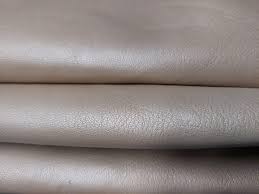
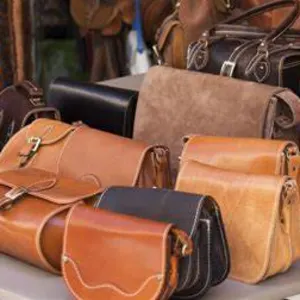
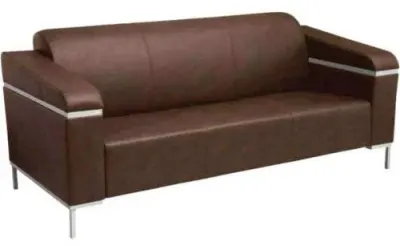
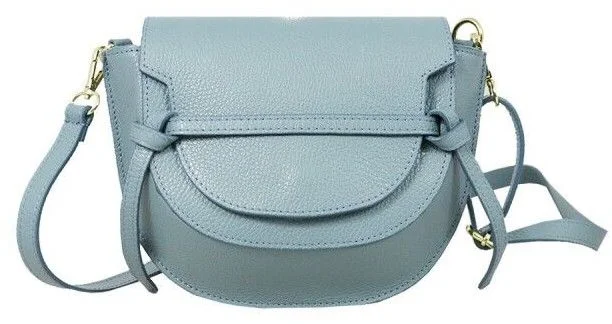
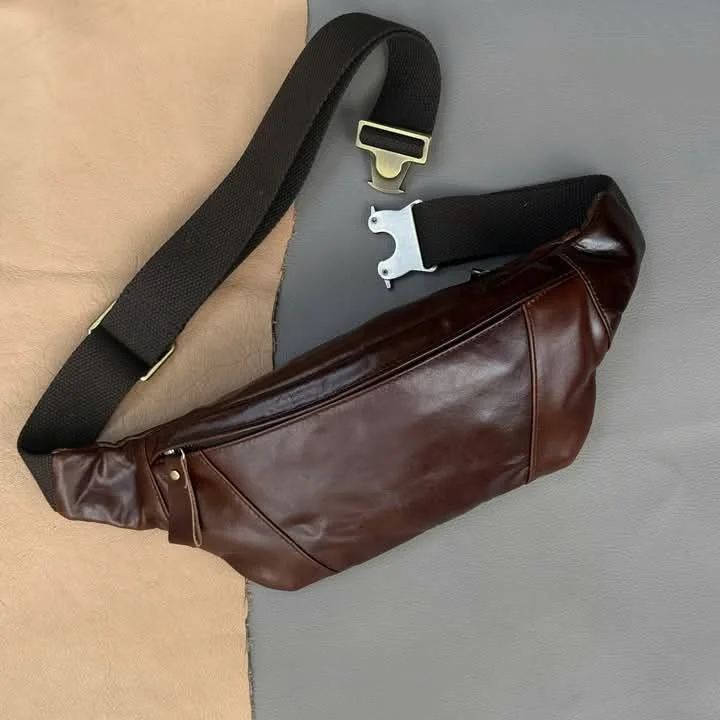
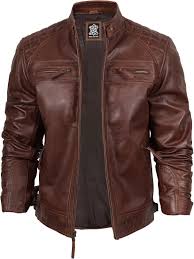
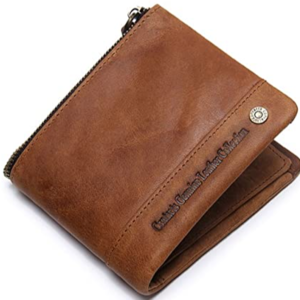
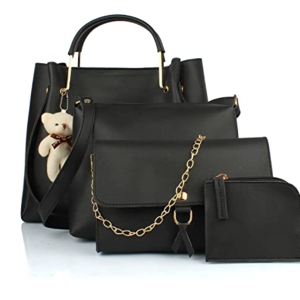
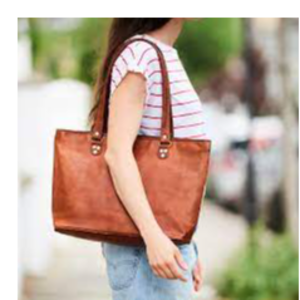
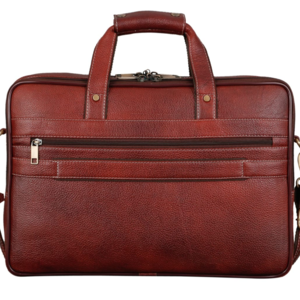
The catalogue includes leather jackets (HS 4203.10, full‑grain cowhide or sheepskin), leather belts (HS 4203.30, full‑grain, top‑grain, split or PU leather), ladies hand bags (HS 4202.32, genuine leather), laptop bags (HS 4202.11, full‑grain or top‑grain), travelling bags (HS 4202.12, genuine full‑grain or top‑grain), sofa upholstery (HS 9403.61, top‑grain leather), automobile seat covers (HS 8708.29, automotive‑grade leather), saddlery (HS 4201.00, full‑grain cowhide) and raw/finished leather (HS 4104.11, bovine full‑grain wet‑state).
Product Range and Specialties of Marquis International
The listed items reflect common leather product groups such as outerwear, accessories, upholstery and automotive interiors. Industry practice classifies leather by grain level (full‑grain, top‑grain, split) and by tanning method (chromium‑tanned, vegetable‑tanned), with typical thickness ranging from 0.6 mm for garment leather to 2.5 mm for upholstery and automotive applications. Buyers usually specify colour fastness (ISO 105‑B02), tensile strength (≈30 MPa for full‑grain) and surface finish (smooth, grainy or embossed) when ordering these categories.
Indian leather exporters often meet ISO 9001 quality management and may hold REACH compliance certificates for chemical safety. For premium segments, the Leather Working Group (LWG) audit is a recognised standard, though it is not mandatory for all shipments.
Trade and Export Information - Marquis International
India ranks among the top global exporters of finished leather goods, with the European Union, United States and Middle East constituting the largest destination markets. The HS‑code families present in Marquis International’s catalogue (4201‑4203 for accessories, 4104 for raw hides, 9403 for furniture upholstery and 8708 for automotive parts) are subject to standard customs duties and may require phytosanitary or chemical compliance certificates depending on the importing country’s regulations. Typical export documentation includes a commercial invoice, packing list, certificate of origin and, where required, a REACH or ISO compliance statement.
Logistics for leather products generally involve containerised shipping, with 20‑ft containers accommodating up to 1,500 kg of finished bags and 40‑ft containers handling larger volumes of raw hides. Common Incoterms used by Indian leather exporters are FOB (often from Mumbai or Delhi ports) and CIF for buyers preferring delivered freight. Packaging standards call for sealed cartons or wooden crates, with moisture‑resistant liners to protect against humidity during transit.
Sourcing from Marquis International - Buyer Guidance
Prospective buyers should request material data sheets that confirm grain type, thickness, tanning process and any chemical‑residue limits under REACH. Samples of the exact leather finish (e.g., full‑grain cowhide) are advisable before placing bulk orders, and test reports for colour fastness, tear resistance and tensile strength help verify compliance with industry specifications.
Verify that the supplier can provide ISO 9001 or REACH certificates, and confirm that the HS‑code used on the commercial invoice matches the product description. Typical minimum order quantities range from 500 units for finished bags to 2,000 m² for raw leather, with lead times of 30‑45 days after sample approval.
Frequently Asked Questions About Marquis International
What leather grades are offered in the catalogue?
The catalogue lists full‑grain, top‑grain, split and PU leather variants across jackets, belts, bags and upholstery, each corresponding to the grain level indicated in the product description.
Which HS codes apply to the leather accessories?
Leather jackets use HS 4203.10, belts HS 4203.30, ladies hand bags HS 4202.32, laptop bags HS 4202.11 and travelling bags HS 4202.12.
Can I obtain a sample before ordering a large batch?
Yes, the supplier can provide a physical sample of the selected leather type and finish; buyers typically approve the sample before confirming bulk production.
What certifications should I request for leather imports from India?
Commonly requested documents include ISO 9001 quality management certificates, REACH compliance statements for chemical safety, and, where applicable, Leather Working Group audit reports.
What are the typical packaging and shipping options?
Products are packed in sealed cartons or wooden crates, with moisture‑resistant liners, and shipped in 20‑ft or 40‑ft containers under FOB or CIF terms from major Indian ports.
What is the usual lead time and minimum order quantity?
Lead times are generally 30‑45 days after sample approval, with minimum order quantities of around 500 finished bags or 2,000 m² of raw leather, depending on the product type.
Are there specific test reports I should ask for?
Buyers should request test reports covering colour fastness (ISO 105‑B02), tensile strength (≈30 MPa for full‑grain) and thickness measurements to ensure the leather meets the required specifications.
How can I verify the HS code on the invoice matches the product?
Cross‑check the product description with the HS code listed in the catalogue; any discrepancy should be clarified with the supplier before shipment to avoid customs delays.





 Meerut, India