Sufia Knitex — Trader & Wholesale Supplier
About Sufia Knitex - Shirts & T-Shirts Supplier in Bangladesh
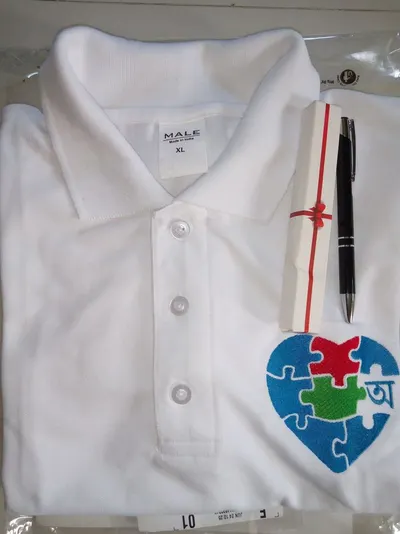
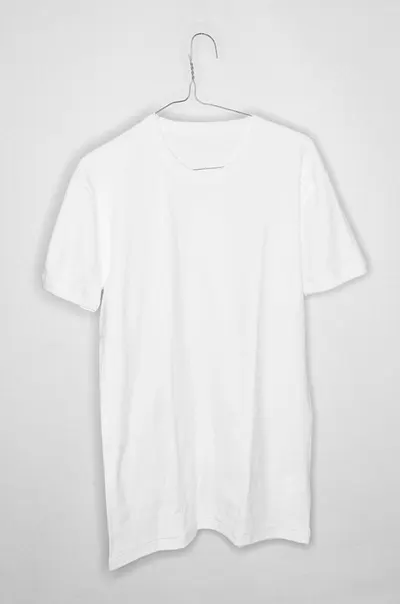
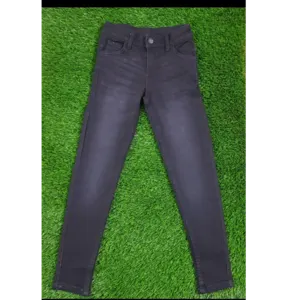
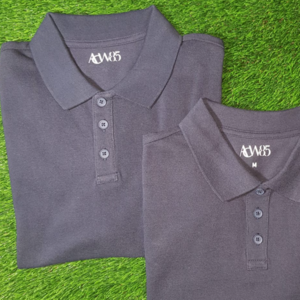
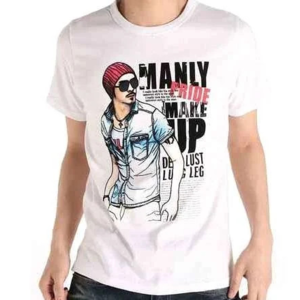
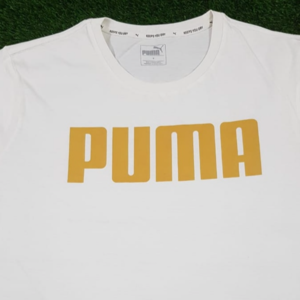
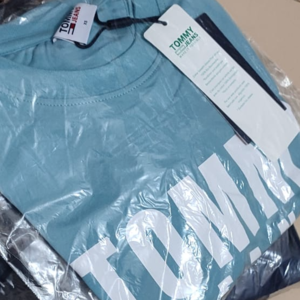
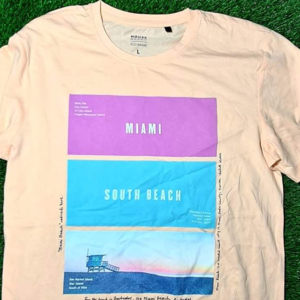
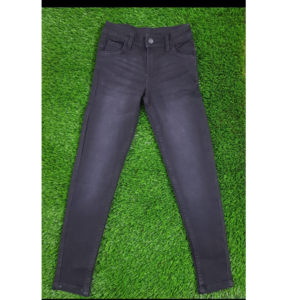
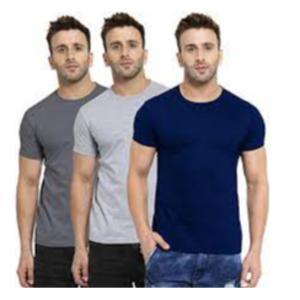
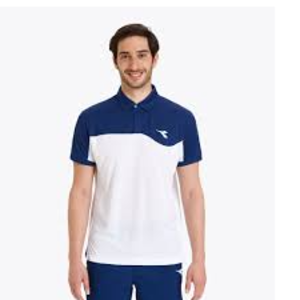
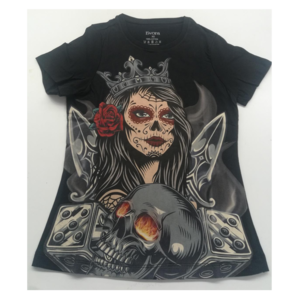
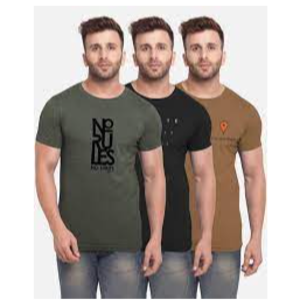
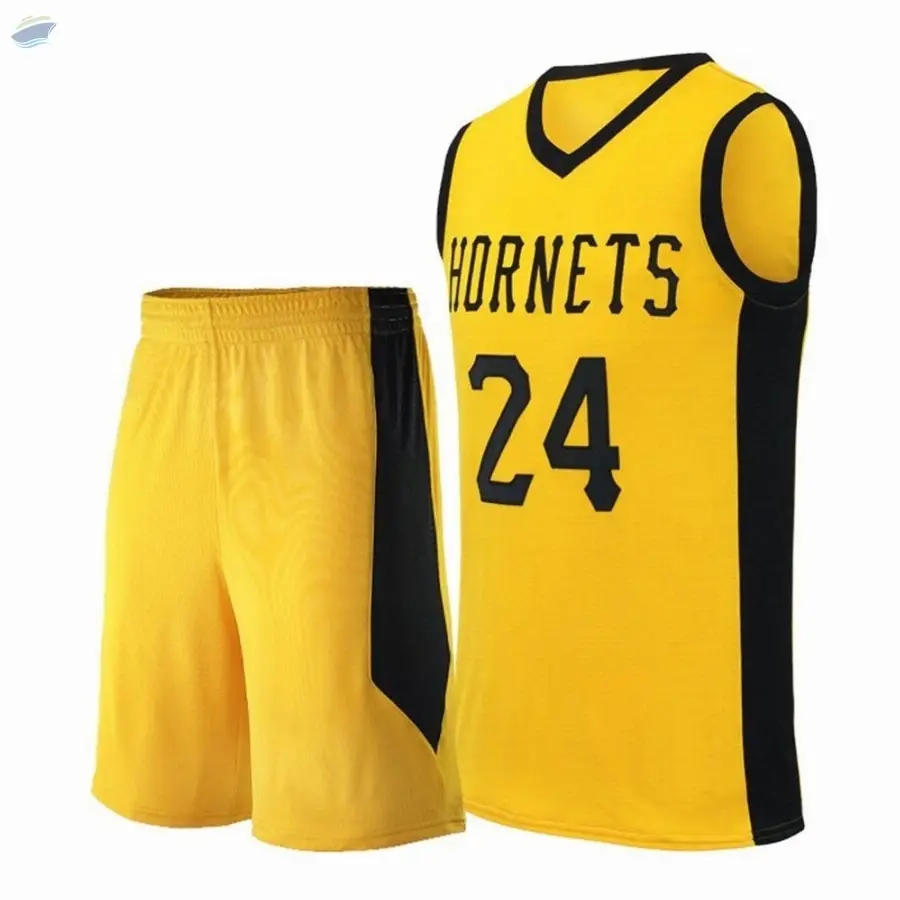
Sufia Knitex operates from Uttara, Bangladesh, and lists 16 active products in its catalogue. The company’s offerings fall under readymade garments, primarily shirts, T‑shirts, polo shirts, denim trousers and printed fabrics. Products such as “Mans printed brand T‑shirt”, “Mans plain polo shirt”, and “Adult boys denim pant” are coded under HS 6109.10, 6105.10 and 6203.42 respectively, indicating apparel made of cotton or cotton blends. The catalogue also mentions generic entries like “All Kind Of Ready Made Garment Products Sell” and several branded‑style items, all classified within the garment HS chapters for knitted or woven cotton apparel.
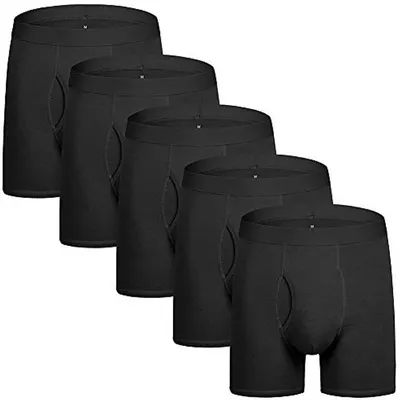
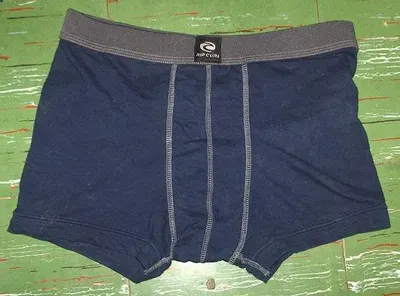
The listed material specifications range from 100 % cotton to “maximum cotton”, reflecting typical yarn counts used for casual and sportswear garments. The product set includes men’s T‑shirts, polo shirts, boxer shorts and denim trousers, covering both knitted (HS 6105/6109) and woven (HS 6203) categories. The supplier’s tier descriptors “organic” and “harbor” are present in the data but no specific certifications are stated. The catalogue’s breadth across printed, plain and denim items demonstrates coverage of common garment types exported from Bangladesh.
Product Range and Specialties of Sufia Knitex
Sufia Knitex’s catalogue comprises 16 items that can be grouped into three HS families: knitted cotton tops (HS 6105, 6109), woven cotton trousers (HS 6203) and printed cotton fabrics. In the global market, knitted T‑shirts and polo shirts are typically produced from 30 - 180 gsm single‑jersey cotton, with seam strength of at least 7 N/tex and colour fastness to washing of grade 4. Denim trousers are usually woven from 12‑oz (≈ 340 gsm) 100 % cotton denim with a 12‑18 oz weight and a 30 % twill weave. Buyers often request Oeko‑Tex Standard 100 certification for chemical safety and ISO 9001 for quality management, although these are not confirmed for this supplier.
Trade and Export Information - Sufia Knitex
Bangladesh is the world’s second‑largest exporter of ready‑made garments, with the United States, European Union and Middle Eastern markets accounting for the majority of shipments. HS 6105 and 6109 garments are generally shipped in 40‑ft containers, packed in poly‑bagged units placed inside double‑wall cartons, and exported under Incoterms CIF or FOB. Importing countries commonly require test reports for shrinkage (≤ 3 %), colour fastness (grade 4), and thread count (≥ 30 threads/inch). Certifications such as Oeko‑Tex, GOTS for organic cotton, and compliance with EU REACH chemical restrictions are standard for apparel from Bangladesh. Logistic handling includes container stuffing rates of 200‑250 kg per cubic meter for lightweight tops and 250‑300 kg for denim trousers.
Sourcing from Sufia Knitex - Buyer Guidance
Buyers sourcing from Sufia Knitex should request a detailed material declaration confirming 100 % cotton or blend percentages, along with lab test reports for colour fastness, dimensional stability and seam strength. A pre‑production sample should be examined for GSM, stitching quality and print accuracy before confirming bulk orders. Typical minimum order quantities for T‑shirts and polo shirts range from 500 pieces, while denim trousers may start at 300 pieces, with lead times of 30‑45 days after sample approval. Verify that the supplier can provide Oeko‑Tex or other relevant certificates, and confirm packaging specifications such as 50 units per poly‑bag and carton dimensions suitable for container loading.
Frequently Asked Questions About Sufia Knitex
What garment categories does Sufia Knitex list in its catalogue?
The supplier lists men’s printed and plain T‑shirts, polo shirts, denim trousers, boxer shorts and generic ready‑made garments, covering knitted tops (HS 6105/6109) and woven bottoms (HS 6203).
Which HS codes are associated with the listed products?
T‑shirts and polo shirts are under HS 6109.10 (printed cotton T‑shirts) and HS 6105.10 (plain cotton polo shirts); denim trousers fall under HS 6203.42 for cotton woven apparel.
What material composition is specified for the products?
The catalogue specifies cotton, 100 % cotton, “maximum cotton” and cotton denim, indicating that all items are primarily cotton‑based fabrics.
What typical certifications should a buyer request for these garments?
Buyers usually request Oeko‑Tex Standard 100 for chemical safety, ISO 9001 for quality management, and, if organic claims are made, GOTS certification; these should be confirmed with the supplier.
What are common quality tests for the T‑shirts and polo shirts?
Standard tests include colour fastness to washing (grade 4), shrinkage (≤ 3 %), and seam tensile strength (≥ 7 N/tex). Sample verification should also include GSM measurement (30‑180 gsm) and stitching count.
What are typical packaging and shipping methods for these products?
Items are typically poly‑bagged (≈ 50 units per bag), placed in double‑wall cartons, and loaded into 20‑ft or 40‑ft containers. Export terms often use FOB or CIF, with container stuffing rates of 200‑250 kg per cubic meter for tops and 250‑300 kg per cubic meter for denim.
What minimum order quantities and lead times are typical?
Bulk orders usually start at 500 pieces for T‑shirts and polo shirts and 300 pieces for denim trousers, with lead times of 30‑45 days after sample approval, subject to production scheduling.





 , Bangladesh