Ssk Electronics And Systems Pvt. Ltd. — Verified Supplier
About Ssk Electronics And Systems Pvt. Ltd. - Pulses Supplier in India
India‑based Ssk Electronics And Systems Pvt. Ltd. lists five active product lines in its catalogue. The list comprises Pulses, Ceramic tiles, Rice, Granite and Marbles. Each line is presented under the generic category names without additional sub‑category detail. The supplier is classified as an imported tier with a harbor trust level. The catalogue does not disclose specific grades or packaging formats for the items.
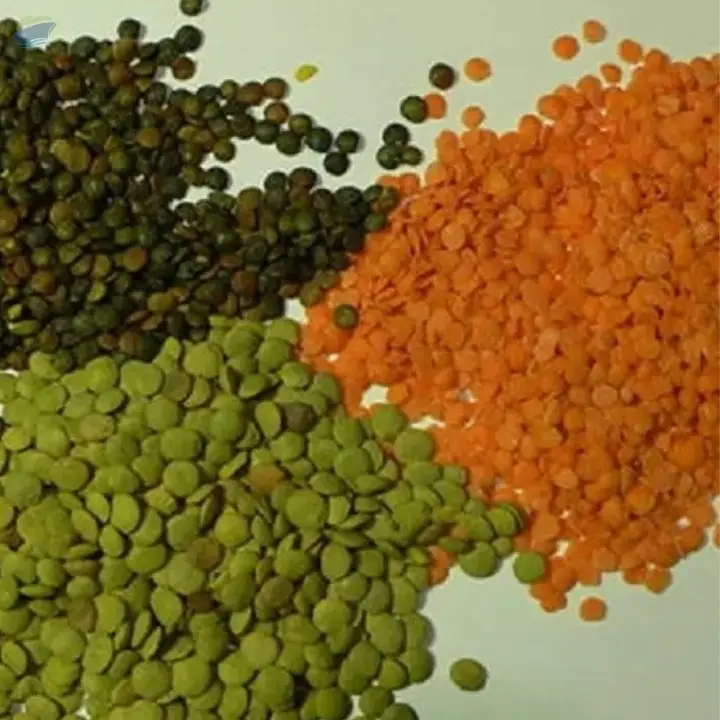
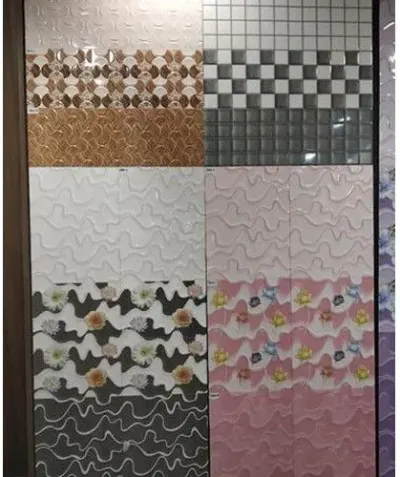
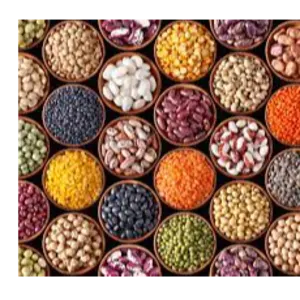
The Pulses entry covers a broad class of leguminous seeds that Indian exporters typically sort by size, moisture and foreign matter limits. Ceramic tiles are shown alongside natural stone products such as Granite and Marbles, indicating a focus on building‑material finishes. Rice is listed as a separate commodity, reflecting the grain market segment. No HS codes or certification statements are provided in the supplied data.
Product Range and Specialties of Ssk Electronics And Systems Pvt. Ltd.
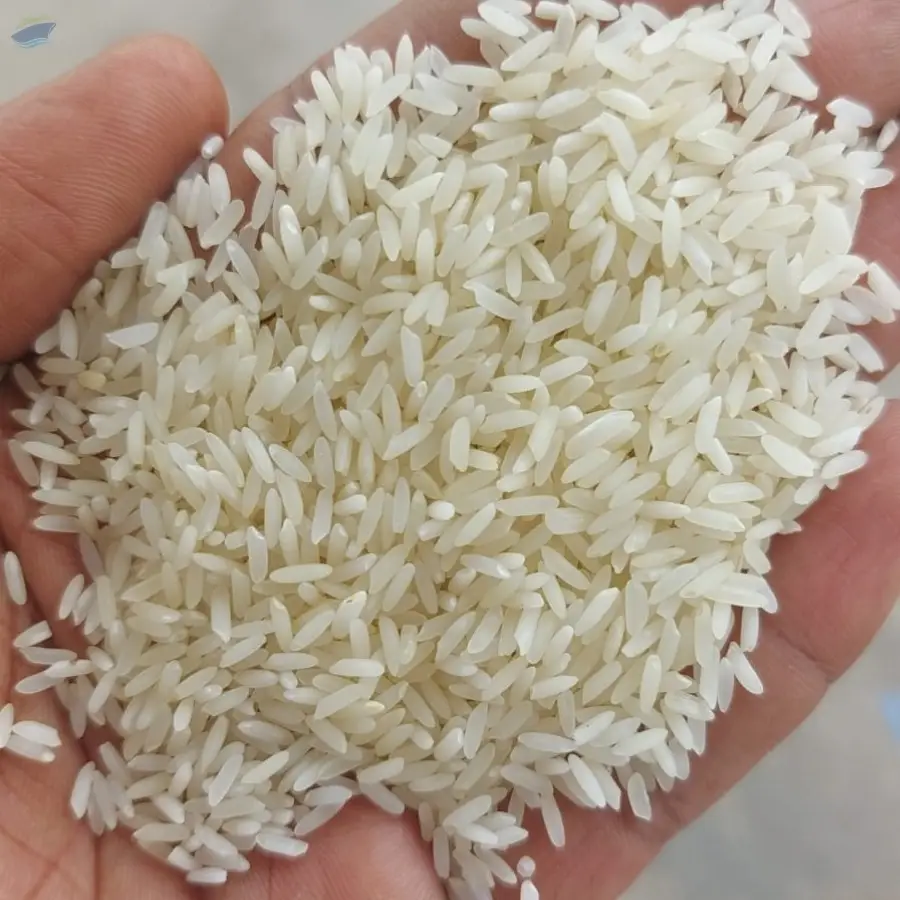
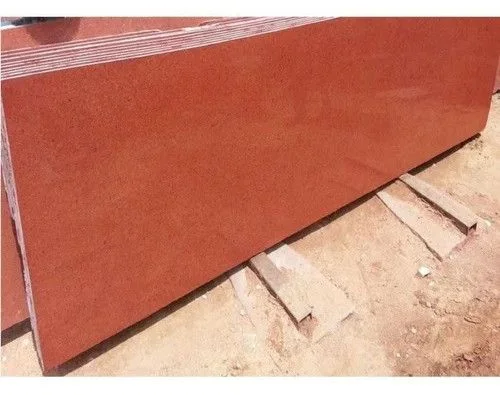
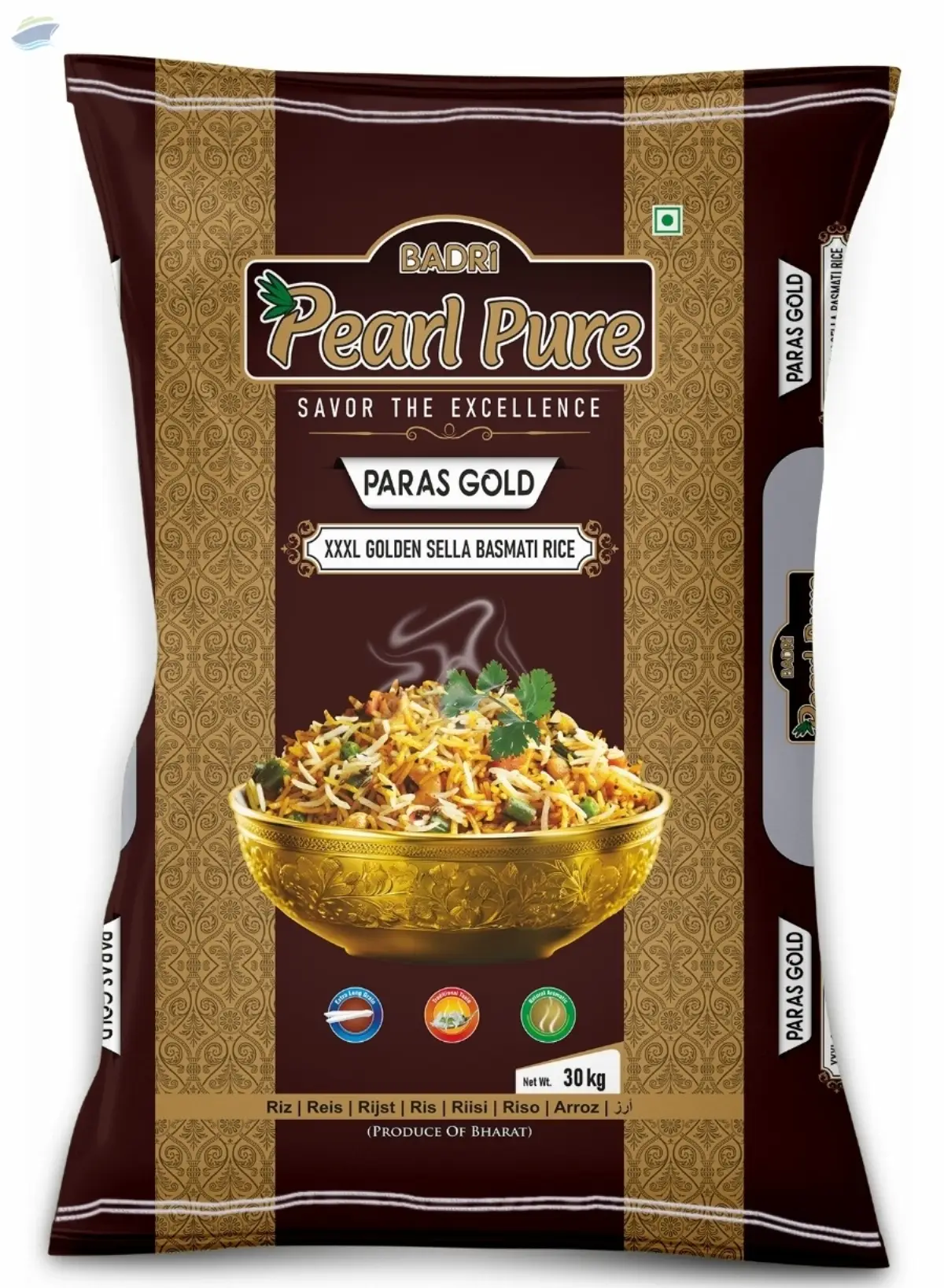
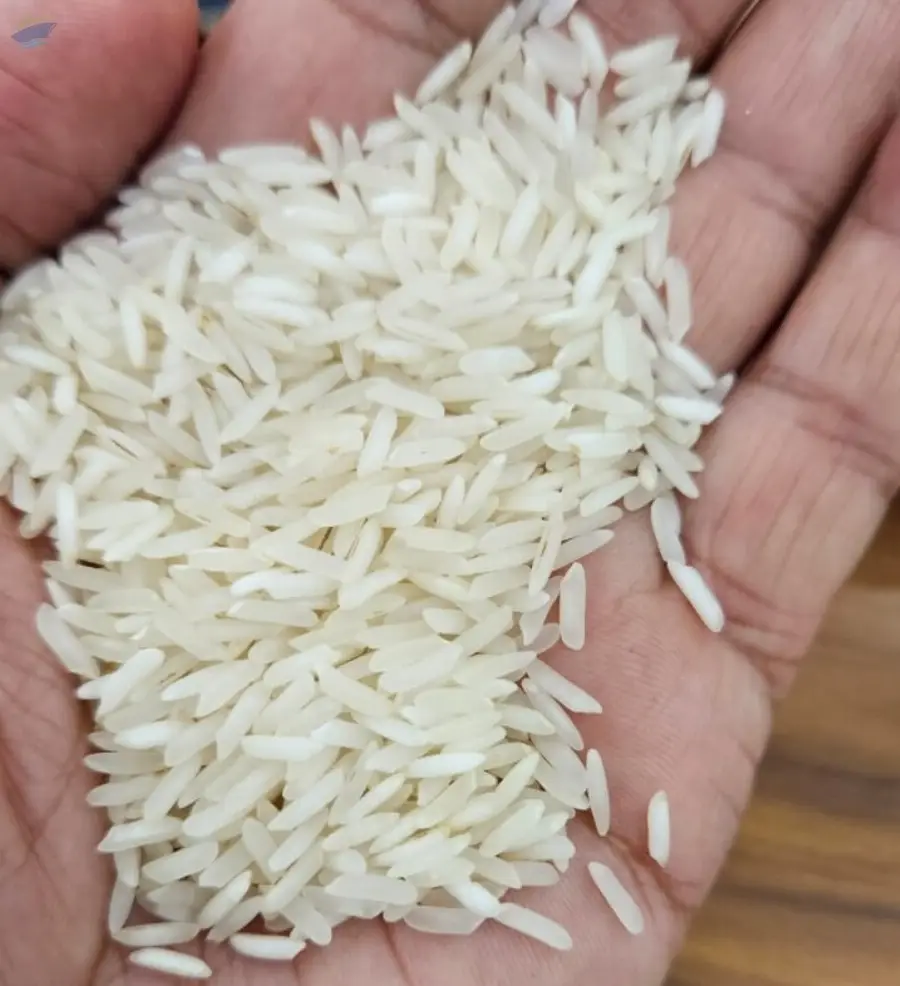
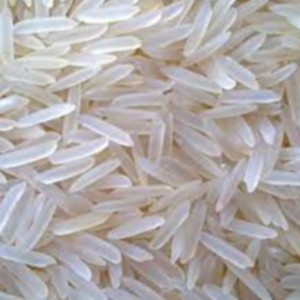
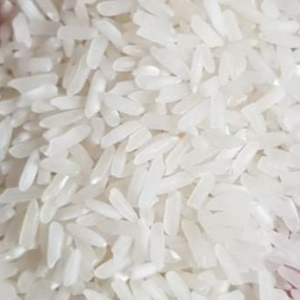
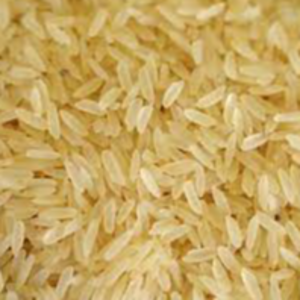
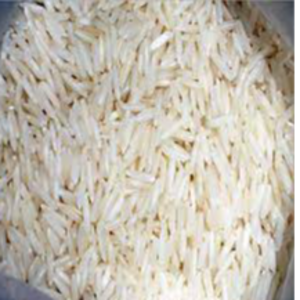
The catalogue’s five items span two major commodity groups: food (Pulses and Rice) and construction materials (Ceramic tiles, Granite, Marbles). In the Indian market, pulses are usually graded as No. 1 or No. 2 based on size uniformity, moisture below 12 % and foreign matter under 0.5 %. Rice shipments are commonly classified by grain length (e.g., long‑grain, medium‑grain) and moisture content around 12‑14 % with broken grain percentages below 5 % for premium lots. Ceramic tiles are produced in standard formats such as 300 × 300 mm or 600 × 600 mm, thickness 8‑10 mm, and are often rated by PEI (Porcelain Enamel Institute) grades 1‑5. Granite and Marbles are typically supplied in slab thicknesses of 20‑30 mm, with finishes ranging from polished to honed, and are tested for flexural strength and surface flatness.
Industry practice for these categories includes compliance with ISO 22000 or FSSC 22000 for food safety on pulses and rice, and ISO 13006 for ceramic tile performance. Natural stone exporters frequently obtain CE marking for European markets and may provide test reports on compressive strength and water absorption. Buyers usually request mill certificates, material safety data sheets and, where applicable, phytosanitary certificates for agricultural goods.
Trade and Export Information - Ssk Electronics And Systems Pvt. Ltd.
India is a major exporter of pulses, supplying the Middle East, Africa and parts of Europe where protein‑rich legumes are in demand. Ceramic tiles and natural stone from India are commonly shipped to Gulf Cooperation Council (GCC) countries, African construction markets and Southeast Asian developers. Trade flows for rice follow similar routes, with high‑volume shipments to the Middle East and African Union states. Export logistics typically involve 20‑foot or 40‑foot containers, with food items packed in moisture‑controlled bulk bags and stone products on wooden pallets protected by shrink‑wrap.
Standard export documentation includes commercial invoices, packing lists, Bill of Lading and, for food items, a phytosanitary certificate issued by the Indian agricultural authority. Certifications such as ISO 22000, HACCP or FSSC 22000 are frequently requested by importers to verify food safety compliance. For tiles and stone, importers may require test reports confirming compliance with ISO 13006 or relevant national building codes, as well as CE conformity declarations for EU destinations. Incoterms most often used are CIF or FOB, depending on the buyer’s preferred risk allocation.
Sourcing from Ssk Electronics And Systems Pvt. Ltd. - Buyer Guidance
Prospective buyers should request a product specification sheet that details moisture content, size grading, foreign matter limits for pulses and rice, and dimensional tolerances for tiles and stone. Sample shipments of a representative batch allow verification of grain quality, tile glaze consistency and stone surface finish before larger orders are placed. Requesting third‑party lab reports - such as moisture analysis for pulses, breakage rate for rice, and flexural strength for stone - helps confirm that the supplier meets typical import standards.
When negotiating, buyers should confirm that the supplier can provide the necessary certificates (e.g., ISO 22000, phytosanitary, ISO 13006) and that packaging meets the destination country’s regulations, such as moisture‑proof bags for grains or corner protectors for stone pallets. Verifying the supplier’s ability to meet standard container loading plans (approximately 20 t for bulk grain, 1,500 kg of tiles per cubic metre) reduces the risk of shipment delays. Clarifying lead times for each product line and any pre‑shipment inspection requirements will align expectations before contract finalisation.
Frequently Asked Questions About Ssk Electronics And Systems Pvt. Ltd.
What categories of products does Ssk Electronics And Systems Pvt. Ltd. list in its catalogue?
The catalogue lists five product lines: Pulses, Ceramic tiles, Rice, Granite and Marbles.
Are specific grades or quality standards mentioned for the Pulses offering?
No specific grades are provided in the catalogue. Buyers typically look for No. 1 or No. 2 pulse grades with moisture below 12 % and foreign matter under 0.5 %.
What are the common specifications for the Ceramic tiles offered?
Indian ceramic tiles are usually produced in 300 × 300 mm or 600 × 600 mm sizes, 8‑10 mm thickness, and are rated by PEI grades 1‑5 for wear resistance.
Which certifications are usually required for importing Pulses and Rice from India?
Importers generally request food‑safety certifications such as ISO 22000, HACCP or FSSC 22000, together with a phytosanitary certificate issued by Indian authorities.
What documentation should a buyer ask for when purchasing Granite or Marbles?
Typical documents include a commercial invoice, packing list, Bill of Lading, material safety data sheet and test reports for compressive strength, water absorption and surface flatness.
What packaging formats are standard for the Rice product?
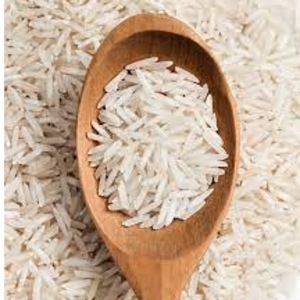
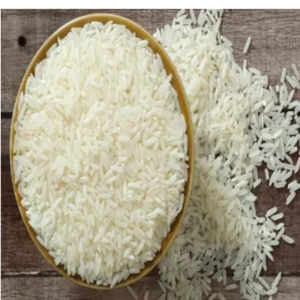
Rice is commonly packed in moisture‑controlled bulk bags ranging from 20 kg to 25 kg, which are then palletised for container loading.
What Incoterms are most frequently used for these product categories?
Buyers and Indian exporters often use FOB (Free on Board) or CIF (Cost, Insurance and Freight) depending on the agreed allocation of transport risk and cost.
How can a buyer verify the quality of the stone products before a full order?
Requesting a physical sample of the granite or marble slab, along with a laboratory report on flexural strength and surface finish, allows the buyer to assess compliance with typical ISO 13006 or CE standards.




 , India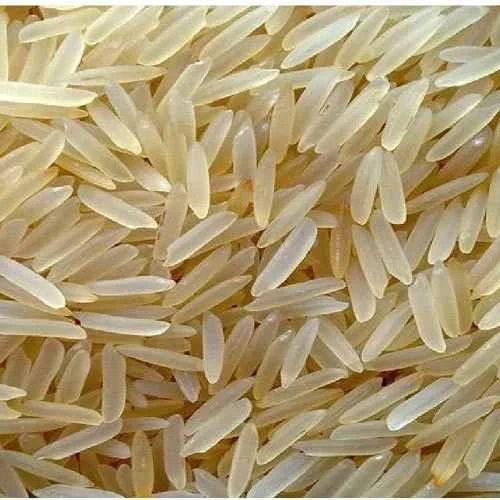

.jpg.png)