Sri Sivasakthi Exports — Verified Supplier
About Sri Sivasakthi Exports - Fresh Onion Supplier in India
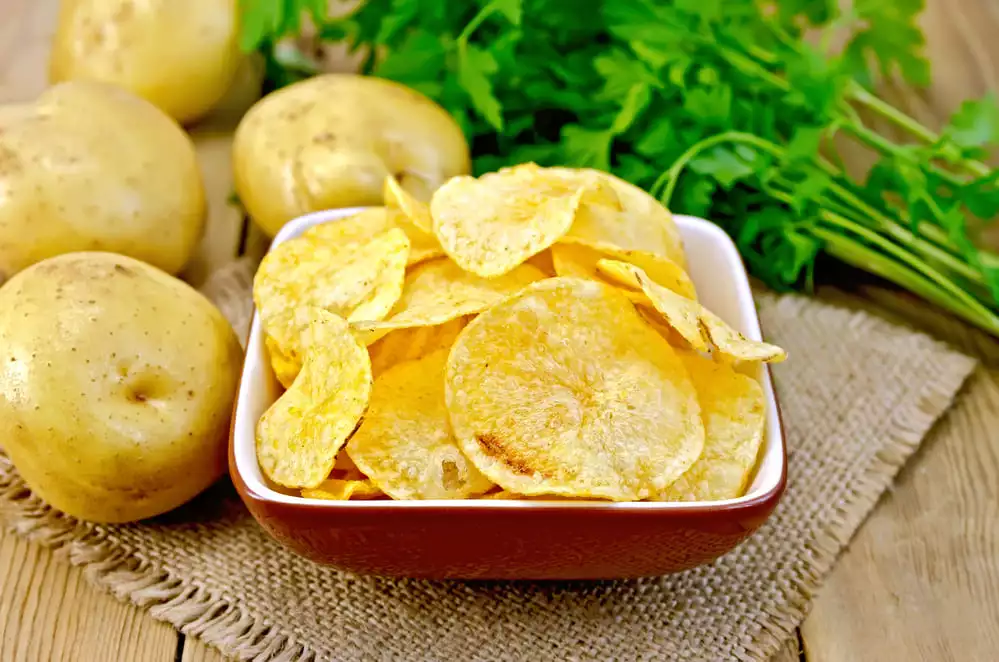
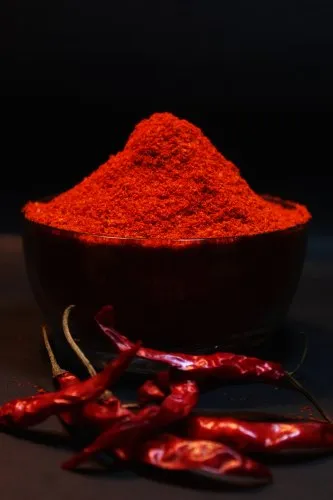
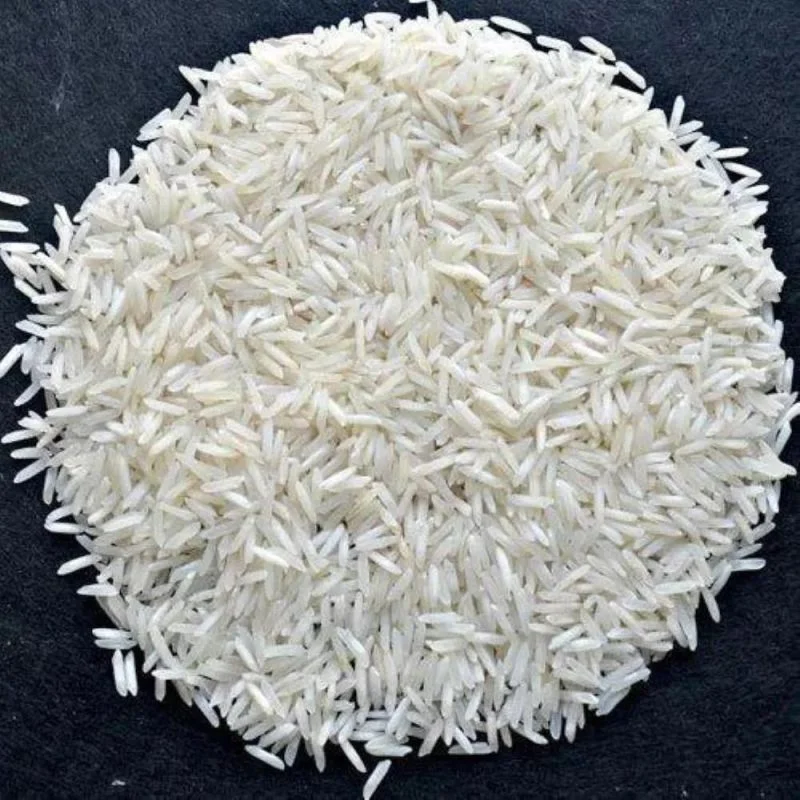
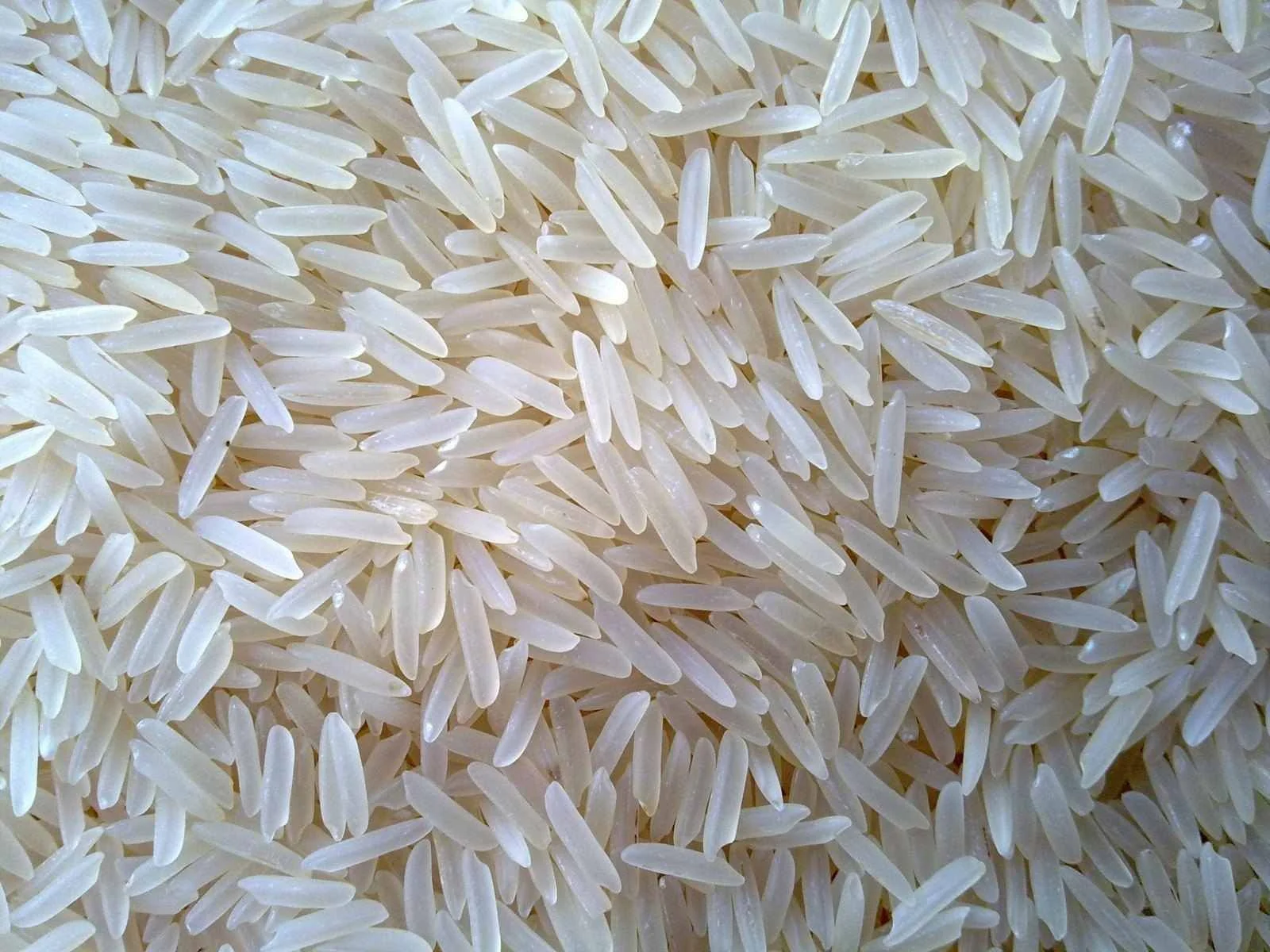
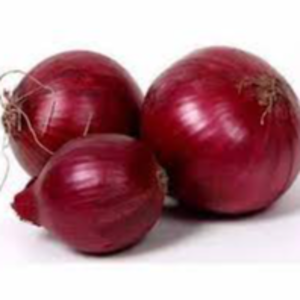
Sri Sivasakthi Exports is based in India and currently lists five active products across fresh vegetables, spices and rice categories. The catalogue includes Red Onion, Potato, Dried Red Chilli, Basmati Rice (HS code 1006.30, whole‑grain milled Oryza sativa variety Basmati) and Non‑Basmati Rice. The fresh vegetable items fall under HS chapter 07, while the dried chilli is classified under HS chapter 09. The two rice lines are recorded under HS chapter 10, reflecting standard international coding for grain exports. The supplier’s trust tier is listed as “harbor” in the platform data.
Product Range and Specialties of Sri Sivasakthi Exports
The listed products cover three main commodity groups: fresh onions and potatoes, dried red chilli and two rice varieties. In the onion market, typical size grades range from 40 mm to 70 mm in diameter with moisture content below 9 % and a permissible bruised‑onion rate under 2 %. Potatoes are usually graded by size (small 30‑40 mm, medium 40‑60 mm) and dry matter content of 20‑22 % for processing use. Dried red chilli is commonly sold with moisture ≤12 %, ash ≤6 % and capsaicin content between 30 000‑50 000 Scoville units. Basmati rice exported from India generally meets a grain length of 6.5‑7.5 mm, moisture ≤13 %, broken grain ≤5 % and a polishing degree of 90‑95 %. Non‑Basmati rice is usually accepted with grain length 5‑6 mm, broken ≤10 % and similar moisture limits. Packaging for these commodities often follows standard bulk formats: onions in 5‑kg netted bags, potatoes in 10‑kg wooden crates, dried chilli in 25‑kg jute bags and rice in 25‑kg polypropylene bags, all loadable into 20‑ft or 40‑ft containers.
Trade and Export Information - Sri Sivasakthi Exports
India ranks among the world’s top exporters of onions, potatoes, spices and both basmati and non‑basmati rice, supplying markets in the Middle East, the Gulf Cooperation Council, the European Union, the United States and several African countries. HS chapter 07 (fresh vegetables) and HS 09 (spices) are subject to phytosanitary certification and often require compliance with GlobalGAP or ISO 22000 food safety standards, while rice under HS 10 typically needs a Certificate of Origin, a fumigation certificate and, for premium basmati, a laboratory analysis confirming grain length and amylose content. Containerised freight is the dominant logistics mode; 20‑ft containers can hold approximately 20‑22 metric tons of rice, while fresh vegetables are usually shipped in ventilated containers with temperature control to preserve freshness. Importing countries frequently request pre‑shipment inspection reports and lab test results for pesticide residues, especially for onions and potatoes, as part of their customs clearance procedures.
Sourcing from Sri Sivasakthi Exports - Buyer Guidance
Buyers should request a phytosanitary certificate for all fresh produce, a pesticide residue analysis for onions, potatoes and dried chilli, and a moisture and broken‑grain report for both rice varieties. Sample requests typically involve a 5‑kg bag of rice, a 2‑kg net of onions or potatoes, and a 1‑kg pack of dried chilli to verify size, colour, moisture and flavour characteristics before larger orders. Verify that the HS code on the commercial invoice matches the product (0703 for onions, 0701 for potatoes, 0904 for dried chilli, 1006.30 for basmati rice) and that any cited certifications such as GlobalGAP or ISO 22000 are current and applicable to the shipment.
Frequently Asked Questions About Sri Sivasakthi Exports
What products are listed by Sri Sivasakthi Exports?
The supplier lists Red Onion, Potato, Dried Red Chilli, Basmati Rice (HS 1006.30) and Non‑Basmati Rice, covering fresh vegetables, a dried spice and two rice grades.
Which HS codes are associated with the listed items?
Red Onion and Potato fall under HS chapter 07, Dried Red Chilli under HS 0904, Basmati Rice under HS 1006.30 and Non‑Basmati Rice is generally classified within HS 1006.
What quality parameters are typical for the Basmati Rice offered?
Basmati rice from India is usually specified with grain length 6.5‑7.5 mm, moisture ≤13 %, broken grain ≤5 % and a polishing rate of 90‑95 %.
Are any certifications required for importing the fresh vegetables?
Importers normally require a phytosanitary certificate and may ask for GlobalGAP or ISO 22000 compliance to verify food safety and pesticide limits.
What packaging formats are used for the rice products?
Both Basmati and Non‑Basmati rice are commonly packed in 25‑kg polypropylene bags, which are stackable in 20‑ft or 40‑ft containers for bulk shipment.
What is a typical minimum order quantity and lead time for these products?
For rice, a minimum order of about 1 metric ton is typical, with a lead time of 30‑45 days after order confirmation; fresh onions and potatoes often require a 20‑ton minimum and a similar lead time, dependent on seasonal harvest.




 , India