Sphinx Herbs Export Co. — Verified Supplier
About Sphinx Herbs Export Co. - Herbs Supplier in Egypt
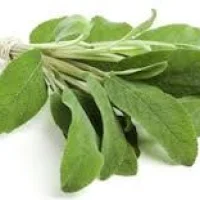
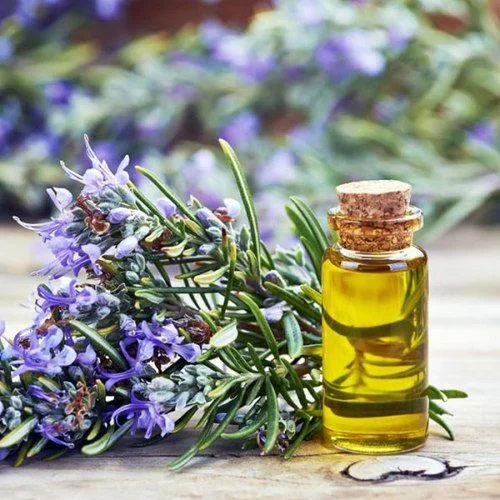
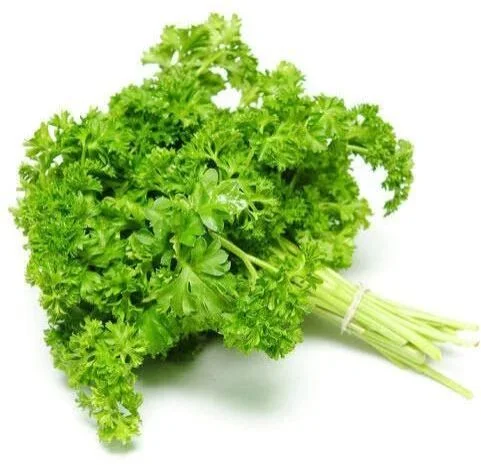
Egyptian supplier Sphinx Herbs Export Co. lists 26 active products originating from the herb, spice and fresh‑flower sectors. The catalogue includes dried parsley, oregano, dill, anise, caraway, coriander, cumin, fennel, fenugreek, nigella, lemon whole, marjoram, basil, calendula petals and flowers, celery leaves, dill stems, molokhia leaves and crushed form, parsley stems, rosemary, sage, spearmint, peppermint, thyme & savory, and related variants. These items fall under HS Chapter 09 for herbs and spices and HS Chapter 06 for fresh cut flowers, the standard tariff headings used by customs for such agricultural products. The supplier’s product list reflects both dried plant material and fresh cut flower offerings, which are commonly classified under HS 0909‑0910 and HS 0601‑0602 respectively.
The product set covers leaf, stem and seed forms, offered either whole or crushed, and includes both culinary and ornamental varieties. Typical packaging for dried herbs from Egypt is 25 kg food‑grade polypropylene bags or 10 kg PET jars, while fresh flowers are shipped in 1 kg cardboard boxes with moisture‑controlled liners. Moisture content for dried herbs usually stays below 12 % and foreign matter under 2 %, meeting most importing country standards. Export quantities often fill a 20‑foot container with up to 18 tonnes of dried herbs or a 40‑foot container with mixed fresh‑flower packs.
Product Range and Specialties of Sphinx Herbs Export Co.
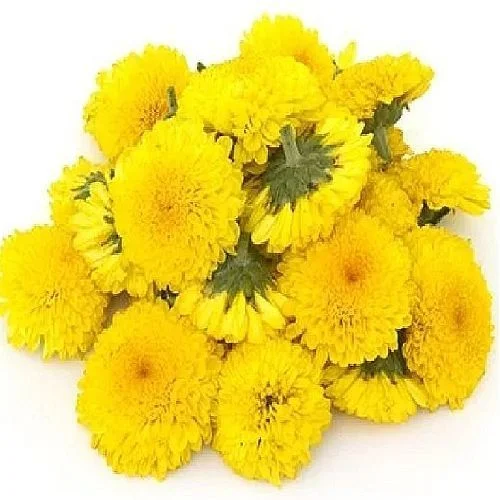
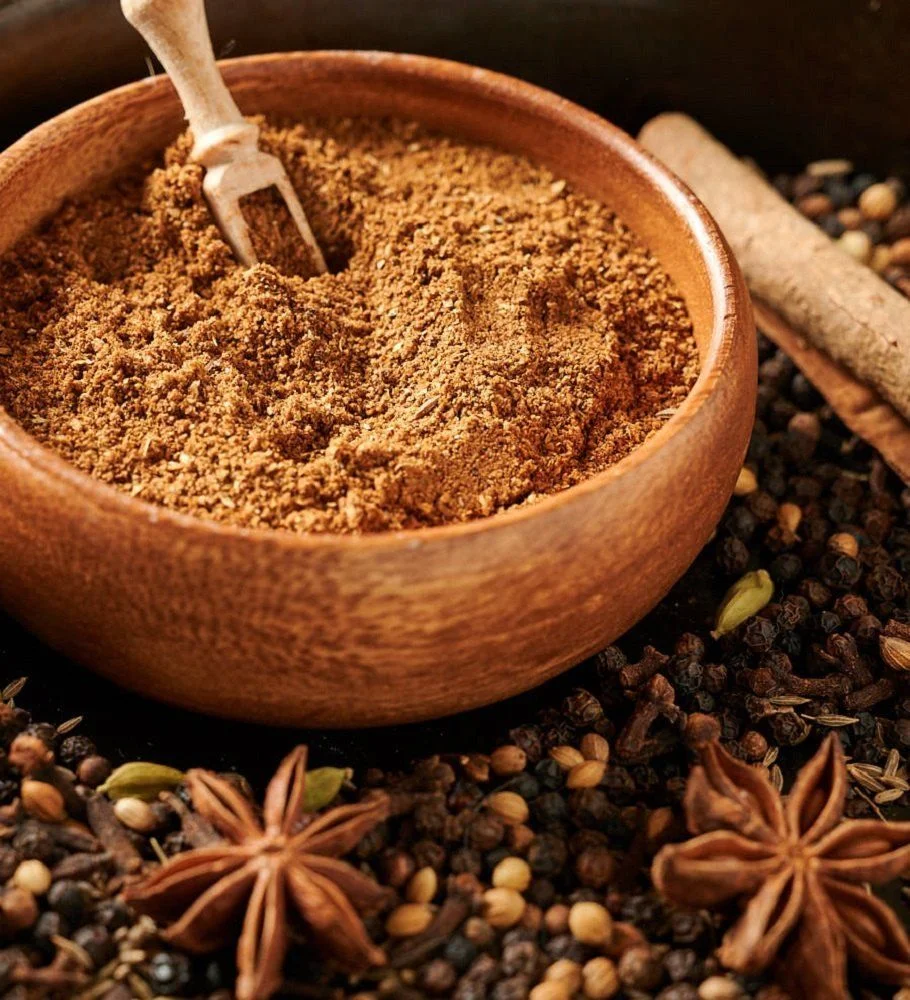
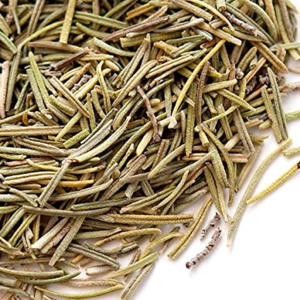
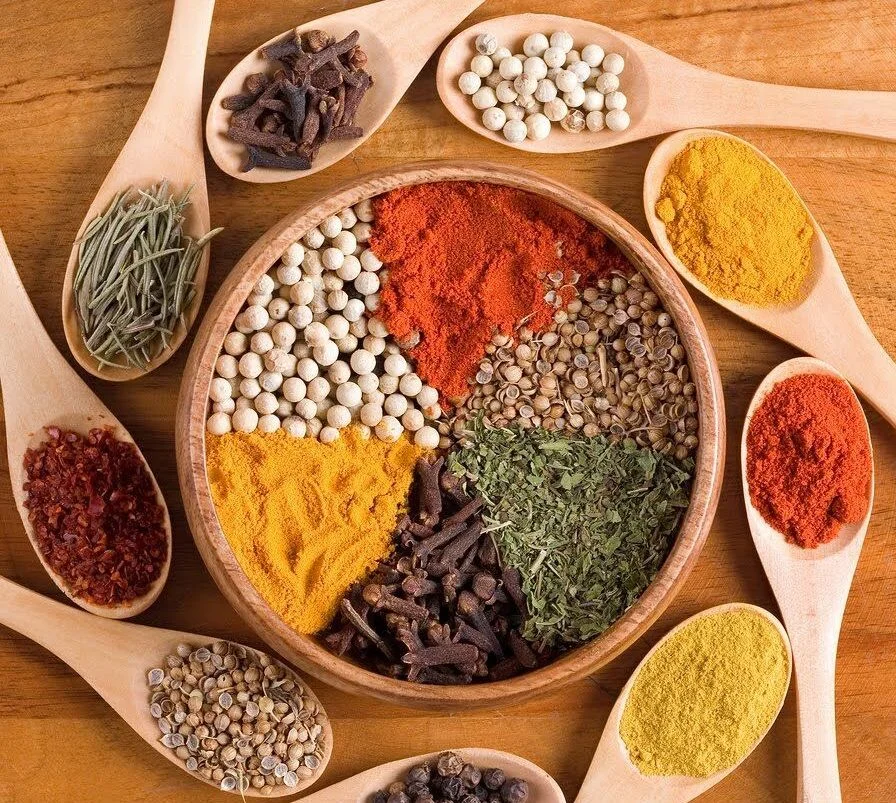
The catalogue enumerates specific herbs and spices such as parsley (dried), oregano, dill (dried and stems), anise, caraway, coriander, cumin, fennel, fenugreek, nigella, marjoram, basil, rosemary, sage, spearmint, peppermint, thyme & savory, plus fresh‑flower items like calendula petals, calendula flowers, and molokhia leaves (whole and crushed). In the global market these commodities are graded by colour, aroma intensity, leaf size and moisture level; premium culinary herbs typically meet ISO 22000 and have a moisture limit of 10‑12 % and essential oil content defined by EU regulation (e.g., oregano ≥ 1.5 % oil). Seed spices are often screened for particle size (e.g., 2‑5 mm for cumin) and low pesticide residues, with standard specifications referencing the Codex Alimentarius. Fresh cut flowers are evaluated on stem length (e.g., calendula 30‑45 cm), bud opening, and absence of bruising, and are usually shipped under cold‑chain conditions to preserve freshness.
Trade and Export Information - Sphinx Herbs Export Co.
Egypt is a recognized exporter of Mediterranean herbs and spices, with the EU, GCC countries and the United States representing the largest import markets. HS 0909‑0910 products are subject to phytosanitary certification and, where required, EU pesticide residue limits (MRLs) under Regulation EN 396/2005. Fresh cut flowers classified under HS 0601‑0602 typically need a phytosanitary certificate, a fumigation statement if applicable, and compliance with the International Plant Protection Convention (IPPC) standards. Buyers often request ISO 22000, HACCP or GMP certifications for food safety, although the supplier’s specific certifications are not listed in the provided facts. Common logistics involve loading dried herbs in 20‑foot containers on palletised bags, while fresh flowers are shipped in temperature‑controlled containers (2‑8 °C) on insulated pallets. Incoterms such as FOB Port Said or CIF Dubai are frequently used for Egyptian agricultural exports.
Sourcing from Sphinx Herbs Export Co. - Buyer Guidance
When sourcing from Sphinx Herbs Export Co., buyers should request a recent Certificate of Origin, Phytosanitary Certificate and a full Certificate of Analysis covering moisture, foreign matter, and pesticide residue limits for each herb or spice. For fresh‑flower orders, a post‑harvest quality report confirming stem length, bud opening percentage and packaging integrity is advisable. Samples are typically supplied in 500 g sealed bags for dried herbs and a 250 g bouquet for fresh flowers, allowing verification of colour, aroma and physical condition before larger shipments. Verify that the supplier can meet the buyer’s required HS‑code documentation and that any requested certifications (e.g., ISO 22000, HACCP) are provided as up‑to‑date copies. Confirm packaging specifications - 25 kg PP bags for dried herbs or insulated 1 kg boxes for flowers - to ensure compatibility with the buyer’s logistics chain.
Frequently Asked Questions About Sphinx Herbs Export Co.
What product categories does Sphinx Herbs Export Co. offer?
The company lists 26 items covering dried herbs (parsley, oregano, dill, etc.), spice seeds (cumin, fennel, nigella, etc.), whole or crushed molokhia leaves, and fresh cut flowers such as calendula petals and whole flowers.
Which HS codes are applicable to the listed products?
Dried herbs and spice seeds fall under HS Chapter 09 (e.g., 0909 for herbs, 0910 for spices), while fresh cut flowers are classified under HS Chapter 06 (0601‑0602). The exact sub‑heading depends on the specific product form.
What certifications should a buyer request from this Egyptian supplier?
Buyers should ask for a Phytosanitary Certificate, a Certificate of Analysis for moisture and pesticide residues, and any food‑safety certifications such as ISO 22000, HACCP or GMP if the supplier holds them.
What are the typical packaging formats for the dried herbs?
Dried herbs are commonly packed in 25 kg food‑grade polypropylene bags or 10 kg PET jars, sealed to protect against moisture and contamination.
How are fresh flowers usually shipped?
Fresh flowers are packed in 1 kg cardboard boxes with moisture‑controlled liners, placed on insulated pallets, and transported in refrigerated containers at 2‑8 °C.
What is a realistic MOQ for these products?
Minimum order quantities often start at one 20‑foot container load (approximately 18 tonnes) for dried herbs, while fresh‑flower orders may begin at a pallet load of 500 kg, depending on the specific variety.
Which regions most commonly import Egyptian herbs and spices?
The European Union, Gulf Cooperation Council countries and the United States are the primary import destinations for Egyptian herbs and spices.
What documentation is needed for customs clearance?
Customs typically require the commercial invoice, packing list, Certificate of Origin, Phytosanitary Certificate, and any relevant food‑safety certificates matching the HS code of the product.




 , Egypt