Somnath Minerals — Verified Supplier
About Somnath Minerals - Silica Sand Supplier in India
Somnath Minerals is based in India and currently lists five active products in its catalogue. The supplier’s portfolio covers silica sand, quartz lumps, micro silica, kaolin clay and ball clay, reflecting the major mineral categories it trades. Each product is identified with a specific HS‑code that aligns with global customs classifications. The listed categories correspond to the HS chapters 25 for mineral products. The catalogue does not include additional product lines beyond the five items.
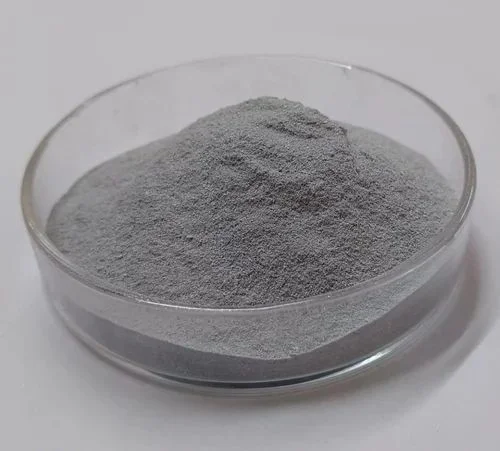
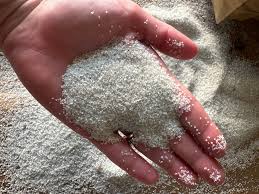
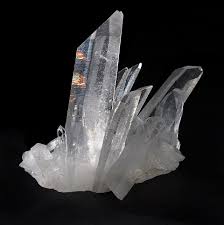
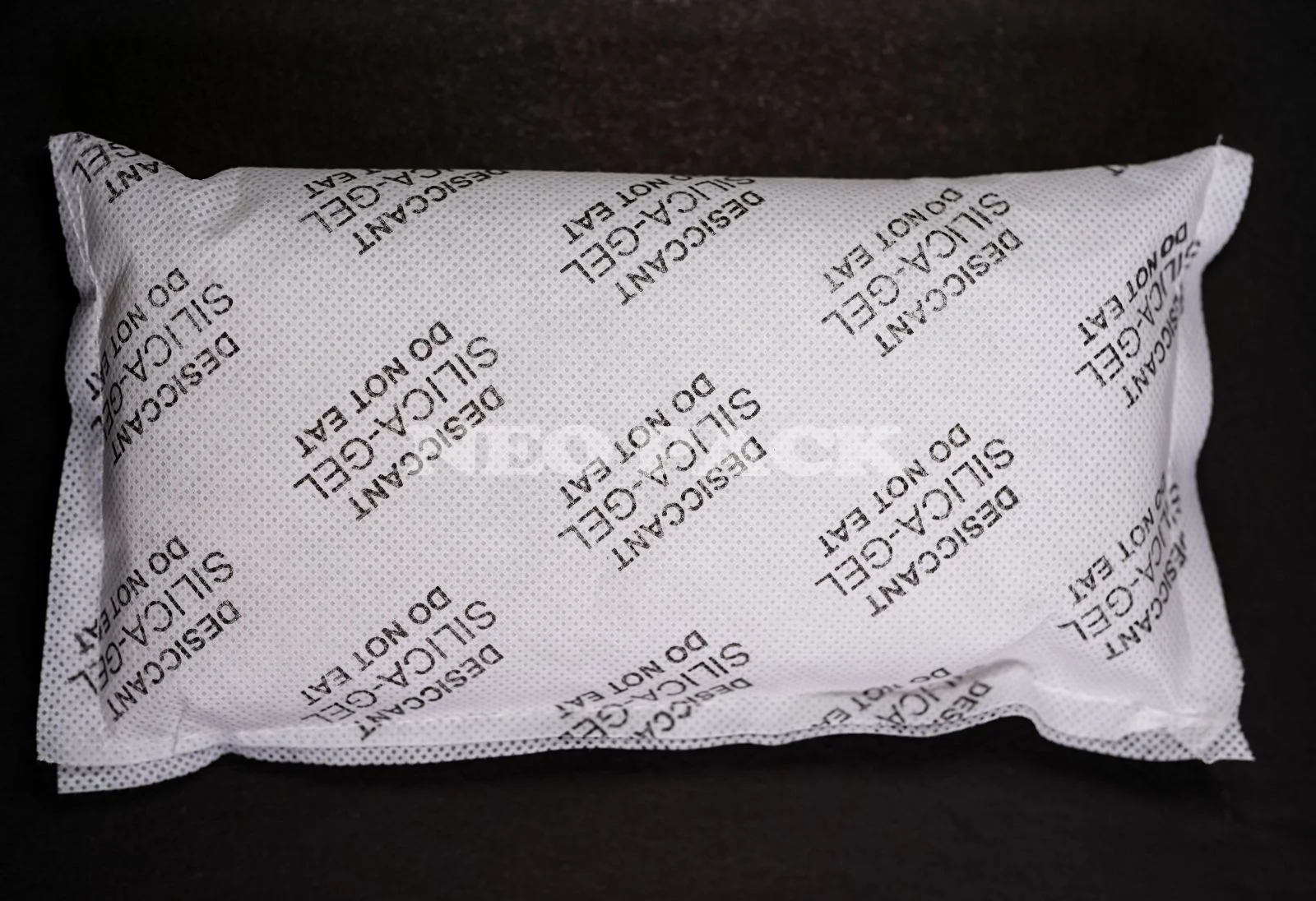
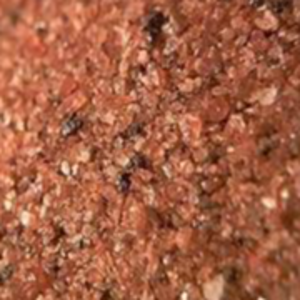
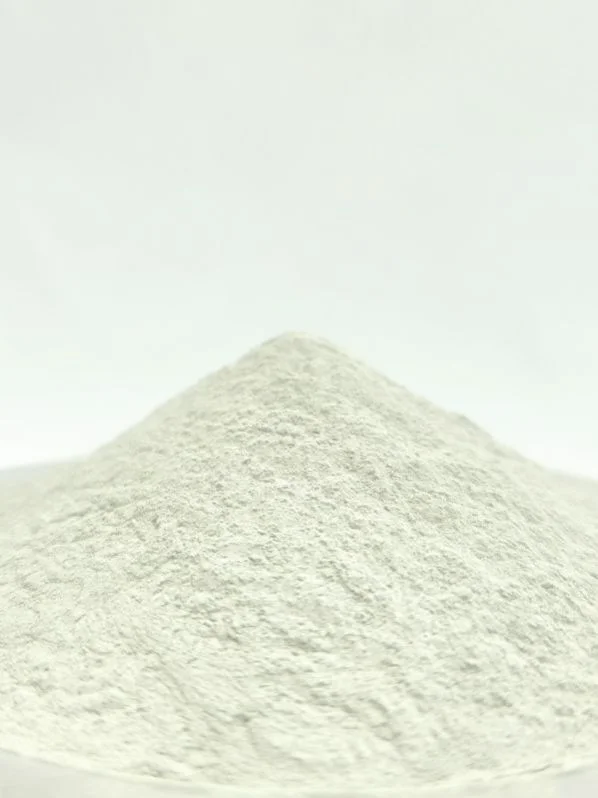
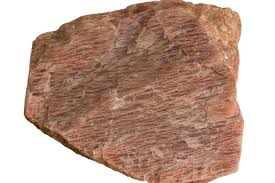
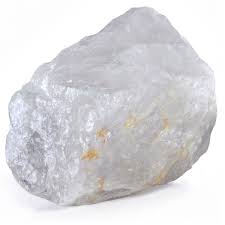
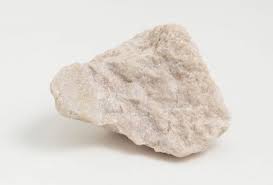
The silica sand entry is recorded under HS code 2505.10 and is described as silica sand (SiO2). Quartz lumps appear with HS code 2506.10 and are identified as quartz (SiO2). Micro silica is also under HS code 2505.10 and is specified as amorphous silica (SiO2). Kaolin clay and powder are listed with HS code 2507.00, material Kaolin (Al2Si2O5(OH)4), while ball clay is under HS code 2508.40 as a kaolinite‑rich secondary clay.
Product Range and Specialties of Somnath Minerals
The catalogue’s five items span the typical mineral grades used in ceramics, glass, paint and foundry sectors. Silica sand is usually supplied in grades such as IC 100 or 200 mesh, with SiO2 purity above 99.5 % and moisture below 0.5 %. Quartz lumps are commonly sized 5 - 30 mm, with a silica purity of 99.9 % and low iron content. Micro silica (fumed silica) generally has a specific surface area of 200 - 400 m²/g, particle size under 1 µm, and moisture under 0.5 %. Kaolin clay and powder are graded by brightness (ISO 8795) typically 90 % or higher, with particle size distribution focused on 0.5 - 10 µm and low alkali content. Ball clay is valued for its high plasticity, low iron (≤ 0.2 %) and fine particle size below 2 µm, making it suitable for high‑strength ceramics.
Trade and Export Information - Somnath Minerals
India is a recognized exporter of silica‑based minerals, and shipments of HS 2505, 2506, 2507 and 2508 products are regularly directed to the United States, the European Union, the Middle East and Southeast Asian manufacturing hubs. Buyers in the glass, ceramics, paint, rubber and foundry industries typically require compliance with ISO 9001 quality management, ISO 14001 environmental standards and, where applicable, REACH registration for chemical safety. Commonly requested product standards include ASTM C618 for pozzolanic silica, ASTM C962 for quartz, and ISO 14688 for kaolin. Export shipments are usually packed in bulk‑bags (25 kg polypropylene) or in 20 ft/40 ft containers on wooden pallets, with moisture‑barrier liners to preserve material integrity. Standard Incoterms such as FOB or CIF are employed, and customs clearance follows the HS‑code descriptions provided in the catalogue. The Indian mining sector benefits from established logistics corridors to major ports like Mumbai and Chennai, supporting efficient bulk transport to global markets.
Sourcing from Somnath Minerals - Buyer Guidance
When sourcing from Somnath Minerals, buyers should request a current Certificate of Analysis that details SiO2 purity, moisture content, particle size distribution and bulk density for each mineral. A Material Safety Data Sheet (MSDS) and, if relevant, a REACH compliance statement should be obtained before finalizing the contract. Verify that the HS code on the commercial invoice matches the intended product, confirm packaging type (bulk‑bag or container) and ask for a pre‑shipment sample to test against the required industry specifications. Typical minimum order quantities range from 20 metric tons for bulk shipments to 5 metric tons for bagged deliveries, with lead times of 30 - 45 days depending on product and documentation readiness.
Frequently Asked Questions About Somnath Minerals
What mineral products does Somnath Minerals offer?
Somnath Minerals lists five products: silica sand (HS 2505.10), quartz lumps (HS 2506.10), micro silica (HS 2505.10), kaolin clay & powder (HS 2507.00) and ball clay (HS 2508.40). Each entry includes the material description and the associated HS code.
Which HS codes are associated with the listed products?
Silica sand and micro silica share HS 2505.10, quartz lumps are classified under HS 2506.10, kaolin clay and powder use HS 2507.00, and ball clay is assigned HS 2508.40. These codes align with the international customs tariff system for mineral products.
What typical quality specifications should a buyer verify for silica sand?
Buyers usually confirm SiO2 purity of at least 99.5 %, moisture content not exceeding 0.5 %, a particle size range of 0.1 - 0.5 mm and a bulk density around 2.6 t/m³. A laboratory test report covering these parameters is standard practice.
What certifications are commonly required for kaolin products?
Importers often request ISO 9001 quality management certification, ISO 14001 environmental compliance and a Certificate of Analysis showing brightness (ISO 8795) of 90 % or higher and iron oxide content below 0.2 %. REACH registration may also be required for European buyers.
What packaging options are typical for quartz lumps?
Quartz lumps are typically shipped in 25 kg polypropylene bulk‑bags or placed on wooden pallets inside a 20 ft container. Moisture‑proof liners are used to prevent degradation during transit.
What is a typical lead time for an order of micro silica?
Suppliers in India generally require 30 - 45 days from order confirmation to shipment for micro silica, depending on order size and the provision of required test reports. Lead time may be shortened for repeat customers with established documentation.
Which markets commonly import Indian silica sand?
Major import destinations include the United States, the European Union, the Middle East and Southeast Asian countries. The sand is used primarily in glass manufacturing, foundry molding, construction aggregates and certain chemical processes.
What documents should a buyer request before finalizing a purchase?
Buyers should obtain a commercial invoice, packing list, Certificate of Origin, Material Safety Data Sheet and a laboratory test report covering purity, moisture and particle size distribution. These documents support customs clearance and quality verification.




 , India