Majestic Import & Export — Verified Supplier
About Majestic Import & Export - Minerals and Gemstones Supplier in United States
Majestic Import & Export is based in New York, United States and lists six active products in its catalogue. The catalogue covers bauxite for alumina production, natural phlogopite mica, Baltic amber, copper ore or concentrate, natural blue sapphire and a refined kerosene fraction. Each product is identified with its own HS‑code family - 2606 for bauxite, 6814 for mica, 9602 for amber, 2603 for copper ore, 7103 for sapphire and 2710 for the petroleum distillate. The supplier’s profile indicates representation of resources from a range of countries, but the listed items are all sourced as raw mineral or gemstone commodities. No additional processing or manufacturing steps are described, keeping the focus on primary extraction and export of these materials.
The six entries follow standard customs classifications used for bulk mineral trade. Bauxite is recorded under HS 2606.00 as an Al2O3‑bearing ore, while copper ore or concentrate falls under HS 2603.00 and typically includes chalcopyrite, bornite or chalcocite. Mica appears under HS 6814.10, reflecting natural phlogopite sheets, and amber is filed under HS 9602.00 as fossilized tree resin. Blue sapphire, classified under HS 7103.91, is a corundum variety containing titanium, and the kerosene fraction is listed under HS 2710.19 as a refined petroleum distillate. All six products are described without reference to downstream fabrication or value‑added services.
Product Range and Specialties of Majestic Import & Export
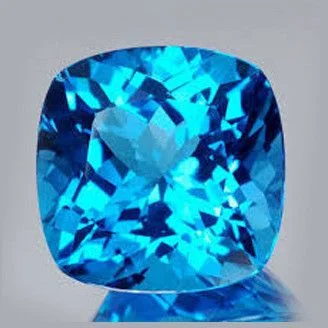
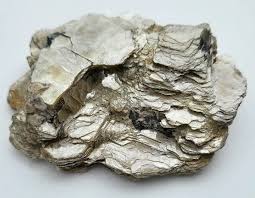
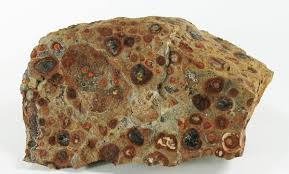
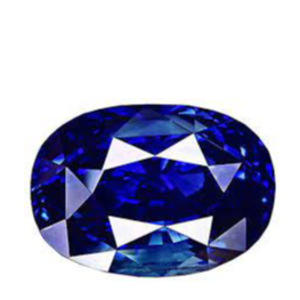
The catalogue spans three mineral ore groups - bauxite, copper ore and natural mica - each of which is traded in bulk shipments. In the global market bauxite typically contains 45‑55 % Al2O3 and is graded by silica and iron content; copper concentrates are often measured by copper purity (30‑45 % Cu) and have associated ash and moisture limits. Mica sheets are graded by flake size (e.g., 10 mm × 30 mm) and potassium content, while amber is evaluated by clarity, colour and inclusions. Blue sapphire is categorized by colour grade, clarity and carat weight, with HS 7103.91 covering all natural corundum gemstones. The kerosene fraction is shipped in bulk tanks or ISO containers and conforms to specifications such as flash point (≥38 °C) and sulphur content (<0.1 %). Typical trade units are metric tonnes for the ores and gemstones, and 20‑ft or 40‑ft containers for the petroleum product.
Industry practice adds that buyers often request assay reports for bauxite (Al2O3 % and SiO2 %), mineralogical analysis for copper ore, and X‑ray diffraction data for mica. Gemstone buyers look for gemological certificates (e.g., GIA, IGI) that record colour, clarity and treatments. Kerosene shipments are accompanied by a Certificate of Analysis stating density, sulphur and aromatic content. These documents complement the HS‑code listings and help importers verify compliance with destination‑country standards.
Trade and Export Information - Majestic Import & Export
United States exporters of bauxite, copper concentrate, mica, amber, sapphire and kerosene typically ship to Asia (China, India, Japan), the European Union and Middle‑East markets. HS chapter 26 (mineral ores) and chapter 71 (gemstones) are subject to customs valuation based on weight and declared value, and many destination countries require pre‑shipment inspection by agencies such as SGS or Bureau Veritas. For kerosene (HS 2710) the International Maritime Organization’s MARPOL Annex VI limits on sulphur content are enforced, and the product is often shipped under CIF or FOB terms with steel drums or bulk tank containers. Gemstone imports may be subject to anti‑money‑laundering declarations and require provenance documentation, especially for blue sapphire. US exporters usually provide a commercial invoice, packing list, bill of lading and, where applicable, a material safety data sheet (MSDS) for the petroleum product.
The United States maintains robust export licensing for strategic minerals; however, the listed commodities are generally classified under the Export Administration Regulations (EAR) with low control numbers, allowing straightforward licensing. Buyers in the EU often expect compliance with REACH for mineral dust and with the EU Timber Regulation for any organic‑based gemstone treatments. Typical transit routes involve West Coast ports for bulk mineral cargoes and East Coast ports (e.g., New York, Savannah) for containerized gemstone and petroleum shipments.
Sourcing from Majestic Import & Export - Buyer Guidance
When sourcing bauxite, copper ore or mica from this supplier, buyers should ask for recent assay certificates, moisture content data and, where relevant, a third‑party laboratory report confirming grade specifications. For amber and blue sapphire, request a gemological report that details colour grade, clarity, any treatments and the country of origin, as many import regimes require provenance verification. The kerosene fraction should be accompanied by an MSDS, a Certificate of Analysis covering flash point, sulphur and aromatic content, and a compliance statement with IMO sulphur limits. Because the supplier does not list any certifications, buyers are advised to verify that the supplier can obtain ISO 9001 quality management or equivalent third‑party inspection certificates before finalising a contract.
Importers typically negotiate payment terms after reviewing the documentation, and they may request a pre‑shipment sample for gemstones or a small trial shipment for bulk minerals. Verification of the HS code declaration against the material description reduces the risk of customs delays. Packaging specifications - bulk bags for ores, sealed wooden crates for amber, padded boxes for sapphires and ISO tanks for kerosene - should be confirmed in the purchase agreement.
Frequently Asked Questions About Majestic Import & Export
What mineral products does Majestic Import & Export list in its catalogue?
The catalogue includes six items: bauxite (HS 2606.00), natural phlogopite mica (HS 6814.10), Baltic amber (HS 9602.00), copper ore or concentrate (HS 2603.00), natural blue sapphire (HS 7103.91) and a refined kerosene fraction (HS 2710.19).
Which HS codes apply to the listed gemstones?
Baltic amber is classified under HS 9602.00 and natural blue sapphire under HS 7103.91, which covers corundum gemstones containing titanium.
What documentation should a buyer request for the copper ore product?
Buyers should request an assay report showing copper purity (typically 30‑45 % Cu), ash and moisture percentages, and a third‑party inspection certificate such as SGS or Bureau Veritas.
Are there typical certifications required for the kerosene product?
Importers usually require a Certificate of Analysis, an MSDS, and evidence of compliance with IMO sulphur limits. While the supplier does not list certifications, buyers should ask the supplier to provide these documents before shipment.
What are common packaging methods for the listed bulk minerals?
Bauxite and copper ore are shipped in bulk bags or open‑top containers, mica in sealed paper or plastic bags, amber in wooden crates with moisture barriers, sapphire in padded jewelry boxes, and kerosene in ISO tank containers or steel drums.
What are the typical minimum order quantities (MOQ) for these commodities?
MOQs vary by product: bulk minerals such as bauxite and copper ore are often ordered in multiples of 20 tonnes, mica in 5‑tonne lots, amber and sapphire in kilogram or carat batches, and kerosene in 20‑ft or 40‑ft container volumes (approximately 18‑40 tonnes).
Which regions are the main importers of US‑origin bauxite and copper concentrate?
The main destinations are China, India, Japan and several European Union countries, where the ores are used for aluminium smelting and copper refining.
How can a buyer obtain a sample of the sapphire before a full order?
The supplier can provide a small, individually packaged sapphire sample (typically 0.5‑1 carat) accompanied by a gemological report; the buyer should request the sample in writing and agree on the shipping terms, usually DAP or CIF.




 , United States