Sln Events And Promotion — Verified Supplier
About Sln Events And Promotion - Vegetable Powder Supplier in India
India hosts the supplier Sln Events And Promotion, which lists 46 distinct food products across several categories. The catalogue spans vegetable powders, pulses, pickles & sauces, food additives, Indian sweets & namkeens, cumin seeds, wheat and barley. Products include red masoor dal, arhar dal, wheat seeds, non‑basmati and basmati rice, barley seeds, a range of spice powders such as turmeric, red chilli, green chilli, ginger, garlic, and dried chilli, as well as fruit powders and fresh produce. The supplier’s HS‑code entries cover rice (1006.30), barley seeds (1003.10), bananas (0803.90) and apples (0808.10), reflecting standard customs classifications for these commodities.
The product set follows Indian food‑grade specifications, with pulses typically meeting IS 1639 quality standards and rice conforming to BIS IS 16071 for organic long‑grain varieties. Spice powders are commonly graded by colour index (e.g., ICUMSA for turmeric) and moisture content below 12 %. Fresh fruits are sorted by size and packed in 20 kg cartons for export. Overall, the supplier presents a diversified portfolio that aligns with conventional Indian agri‑food export categories.
Product Range and Specialties of Sln Events And Promotion
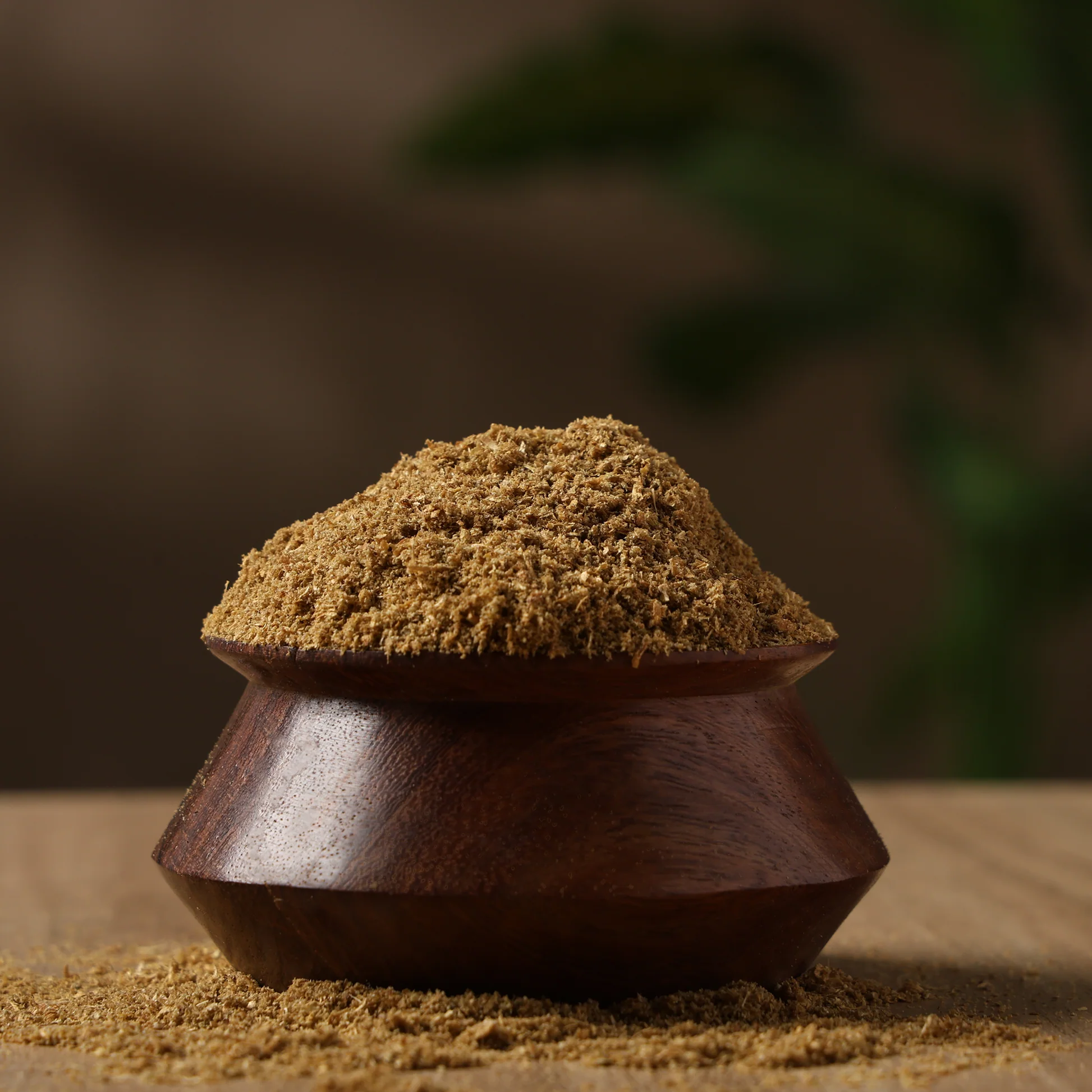
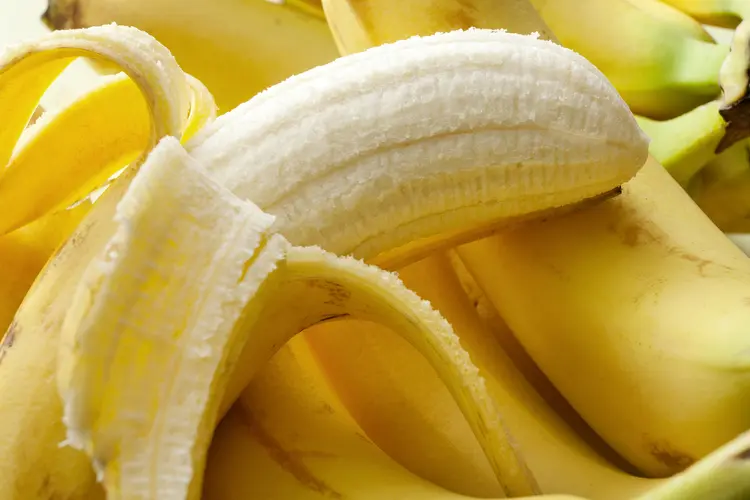
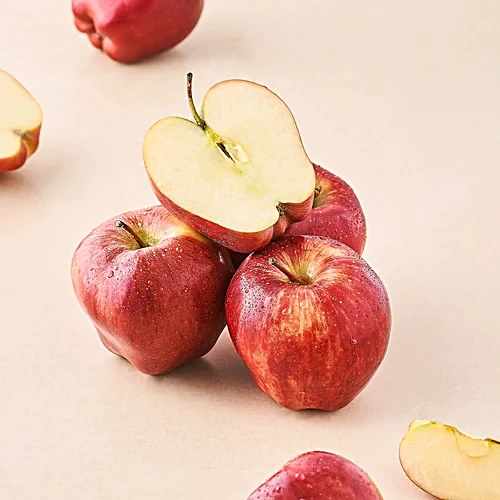
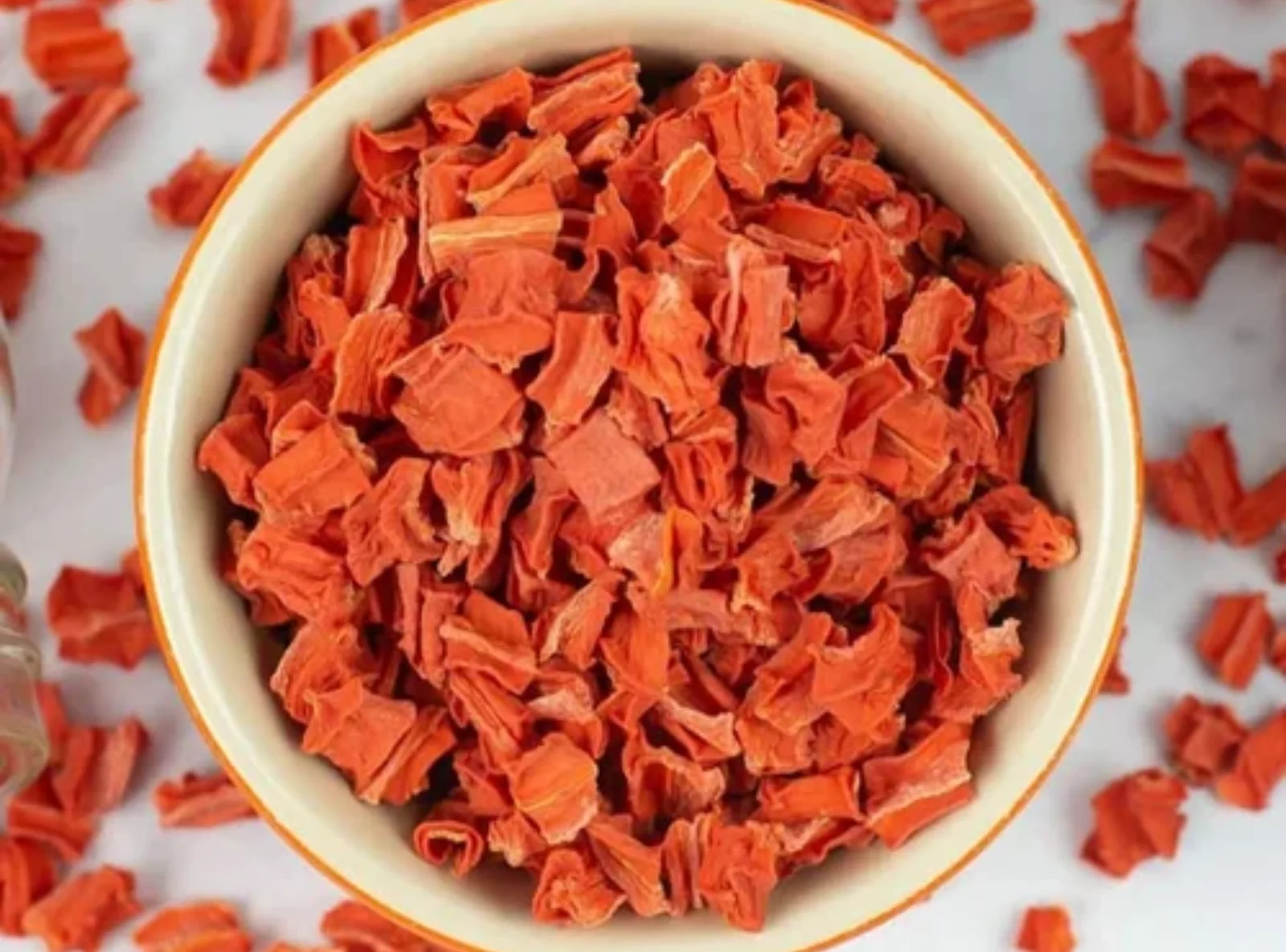
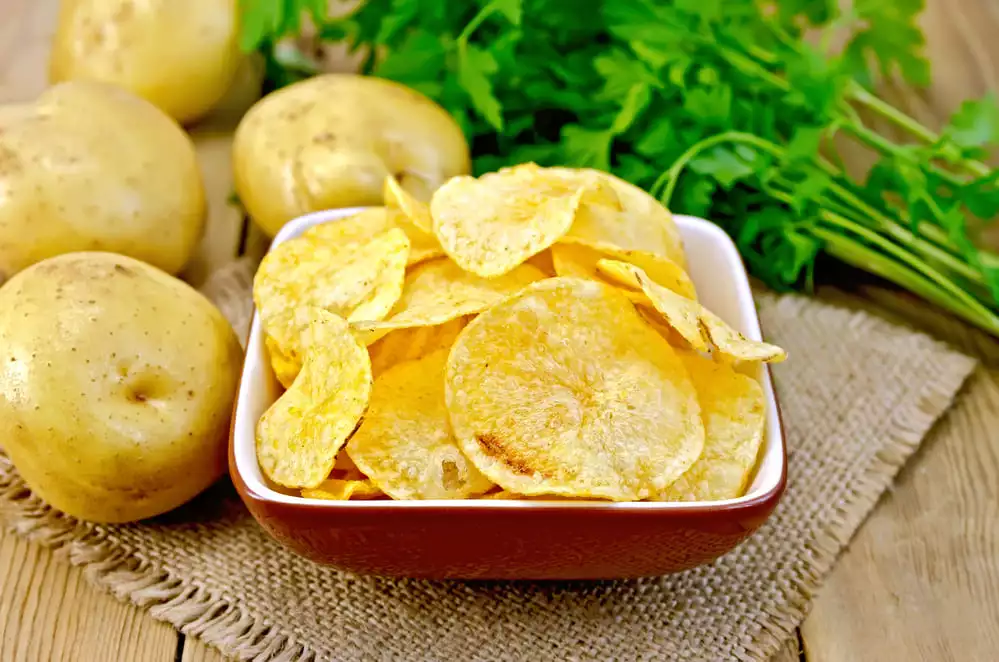
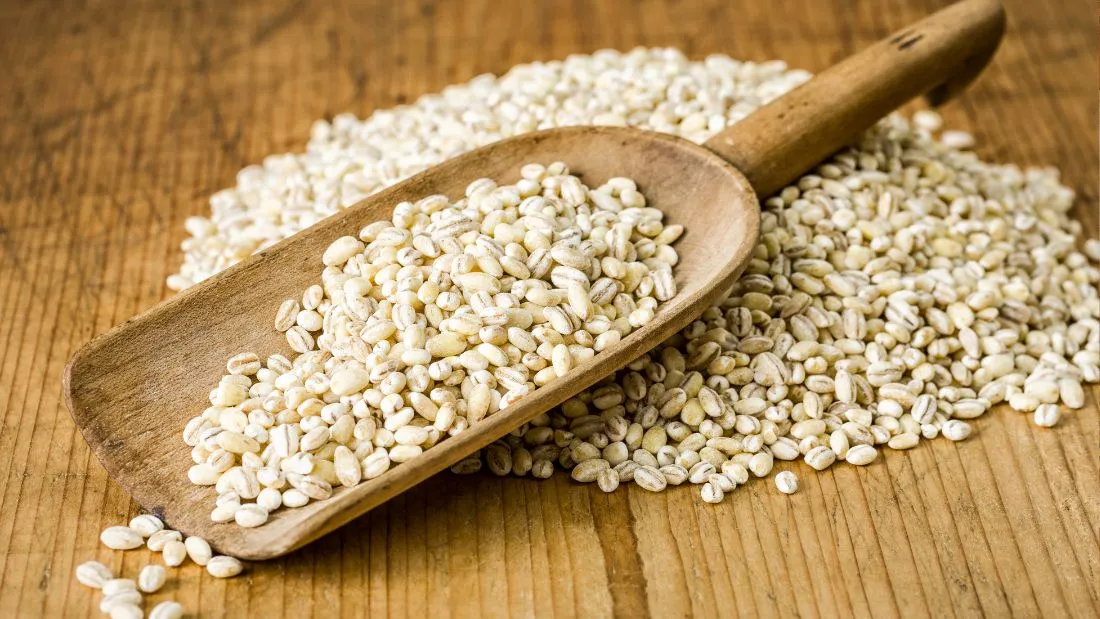
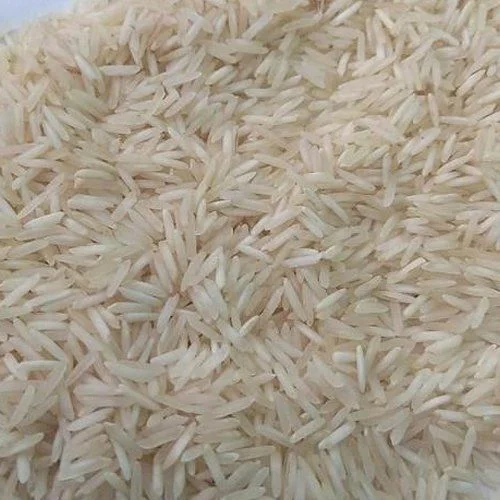
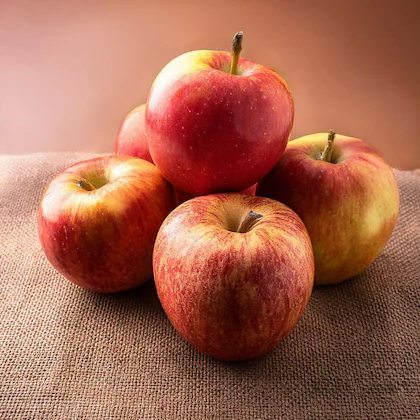
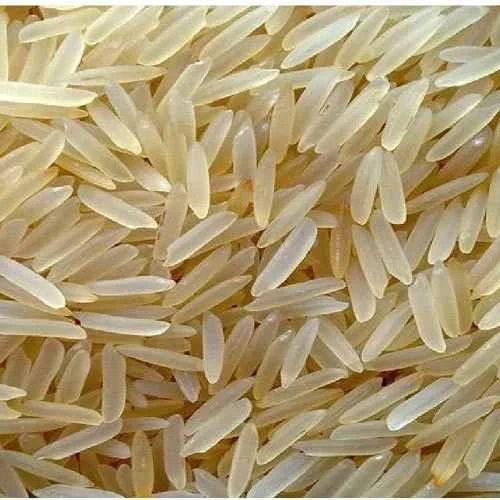
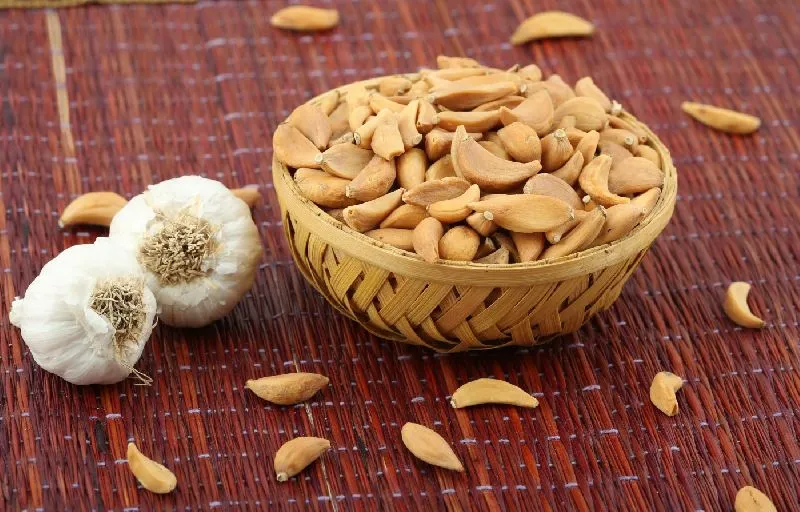
The catalogue lists items such as Red Masoor Dal, Arhar Dal, Wheat Seeds, Non‑Basmati Rice, Basmati Rice (HS 1006.30, Organic Long Grain Rice), Barley Seeds (HS 1003.10, Barley Seeds), Turmeric Powder, Red Chili Powder, Green Chili Powder, Ginger Powder, Garlic Powder, Dried Red Chilli, Current Leaves Powder, Coriander Powder, Carrot Powder, Beetroot Powder, White Onion Powder, Cumin Seeds, Pomegranate, Papaya, Mango, Black Cumin, Clove, Coriander, Guava, Banana (HS 0803.90, Fresh Cavendish), Apple (HS 0808.10, Fresh Whole), Tomato Sauce, Carrot and Potato.
In Indian export markets, pulses are graded by size, colour and impurity limits, with ICAR standards commonly referenced. Basmati rice is usually classified as Grade 1 or 2 based on kernel length (≥7 mm) and aroma, and exported in 25 kg jute bags. Barley for malt or feed follows moisture limits of 12‑14 % and is shipped in bulk or 1 ton bags. Spice powders are evaluated for colour, pungency (Scoville units for chilli), moisture (<12 %) and foreign matter, often complying with ISO 22000 or HACCP. Fresh fruits such as bananas and apples require phytosanitary certificates, pesticide residue testing under Codex MRL, and are packed in ventilated cartons for sea freight.
Trade and Export Information - Sln Events And Promotion
India is a major exporter of pulses, rice, barley and spice powders to the Middle East, Europe, North America and Southeast Asia. HS chapter 10 (e.g., 1006 for rice, 1003 for barley) and chapter 09 (e.g., 0909 for spice powders) are routinely inspected by customs and may require certificates of origin, FSSAI licence and, where applicable, organic certification. Buyers typically request a Certificate of Analysis, pesticide residue reports and compliance with Codex Alimentarius standards. Export shipments are commonly packed in 20‑ft or 40‑ft containers, using jute or polypropylene bags for grains and sealed cartons for powders and fresh fruit, with CIF or FOB terms negotiated per market.
Indian food exporters often obtain ISO 22000, HACCP and, for organic lines, USDA Organic or EU organic certificates. Importing countries may impose additional phytosanitary inspections for fresh produce and require labelling in the destination language. Logistics favour sea freight for bulk grains (up to 25 ton per container) and air freight for high‑value spices or perishable fruits, with temperature‑controlled containers for bananas and apples.
Sourcing from Sln Events And Promotion - Buyer Guidance
When sourcing from Sln Events And Promotion, request the latest FSSAI licence, a detailed Certificate of Analysis for each batch, and any available ISO 22000 or HACCP audit reports. Verify that spice powders meet declared moisture (<12 %) and colour index specifications, and that pulses conform to size and impurity limits stated in the product description. For fresh fruit, ask for a phytosanitary certificate, pesticide residue test results and the country‑of‑origin statement to satisfy import regulations.
Confirm packaging details - e.g., 25 kg jute bags for rice and barley, 20 kg cartons for powders, and ventilated 20 kg cartons for bananas and apples - and ensure the supplier can meet your required Incoterm (CIF, FOB). Clarify minimum order quantities, lead times (typically 30‑45 days for grains, 15‑20 days for spices, 7‑10 days for fresh fruit) and any pre‑shipment inspections you wish to arrange.
Frequently Asked Questions About Sln Events And Promotion
What HS codes are assigned to the rice and barley products in the catalogue?
Basmati rice is listed under HS code 1006.30 and barley seeds under HS code 1003.10, which are the standard customs classifications for organic long‑grain rice and barley seeds respectively.
Are organic certifications available for the Basmati rice?
The facts do not specify a certification, so buyers should request any organic certification documents directly from the supplier, such as USDA Organic or EU organic certificates, if required.
What quality parameters are typical for the turmeric and chilli powders?
Turmeric powder is usually graded by ICUMSA colour index (typically 45‑65) and moisture below 12 %. Red and green chilli powders are assessed by Scoville heat units, colour, and moisture content, also generally below 12 %.
Which documents are needed for importing fresh bananas and apples?
Importers normally require a phytosanitary certificate, a pesticide residue test report complying with Codex MRL, and a Certificate of Origin. Request these documents from the supplier before shipment.
What packaging formats are used for the pulse products?
Pulses such as Red Masoor Dal and Arhar Dal are commonly packed in 25 kg polypropylene or jute bags, suitable for bulk sea freight in 20‑ft or 40‑ft containers.
What are the typical lead times for grain versus spice shipments?
Grain shipments (rice, barley, pulses) generally have a lead time of 30‑45 days from order confirmation, while spice powders often ship within 15‑20 days, depending on batch size and certification checks.
Which certifications should a buyer verify before placing an order?
Buyers should request the supplier’s FSSAI licence, any ISO 22000 or HACCP audit reports, and product‑specific certificates such as organic or non‑GMO certifications if those attributes are required for the market.
How are the products typically shipped internationally?
Bulk grains and pulses are shipped in 20‑ft or 40‑ft containers using sealed bags, spice powders in cardboard cartons within containers, and fresh fruits in temperature‑controlled containers with ventilated cartons to preserve freshness.




 , India