Agriculture›
 Apparel and fashion accessories›
 Construction & real estate›💡Electronic & Electrical›🍎Food & Beverages›🛋️Home furnishing & supplies›⚗️Industrial goods & chemical›🪨Minerals & metals›📦Miscellaneous›Agriculture›Apparel and fashion accessories›Construction & real estate›💡Electronic & Electrical›🍎Food & Beverages›🛋️Home furnishing & supplies›⚗️Industrial goods & chemical›🪨Minerals & metals›📦Miscellaneous›
Skyfall International LLC
⚓ Harbor , United StatesNew supplier / no reviews yet
Skyfall International LLC Product Catalog
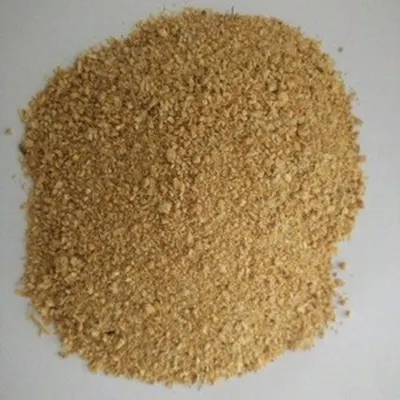
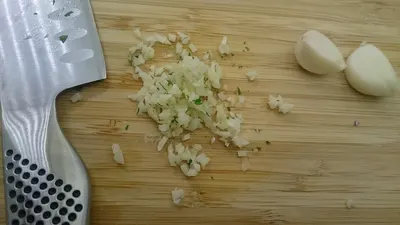
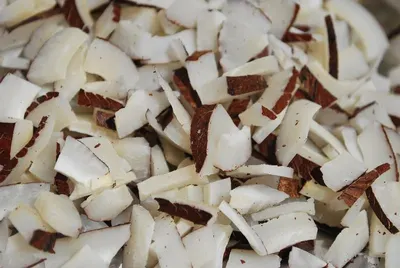
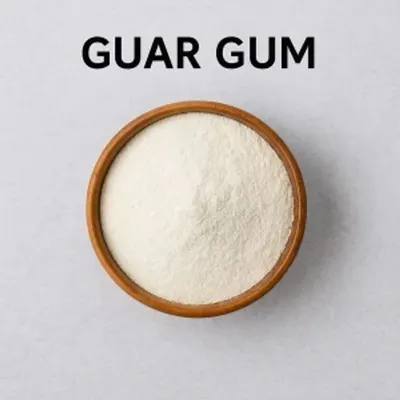
About Skyfall International LLC - Food Raw Material Supplier in United States
Skyfall International LLC is based in the United States and lists eight active products in its catalogue. The supplier is classified as an imported tier with a harbor trust tier, indicating it operates through third‑party logistics rather than direct manufacturing. Its catalogue spans three top categories: Dehydrated Vegetables, Food Raw Material and Food Chemicals. Each product is recorded under the generic HS chapter headings that correspond to dried plant material (Chapter 20) and food additives (Chapter 38).
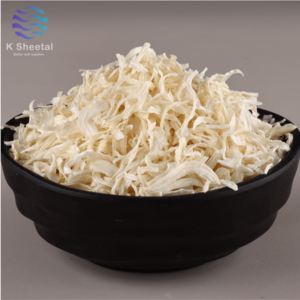
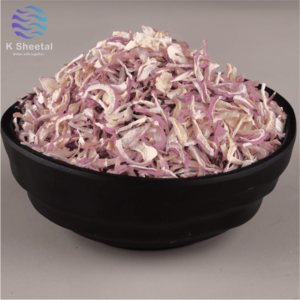
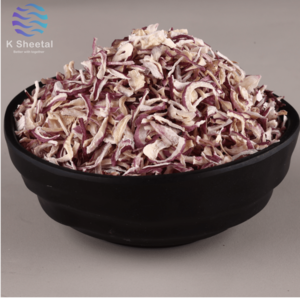
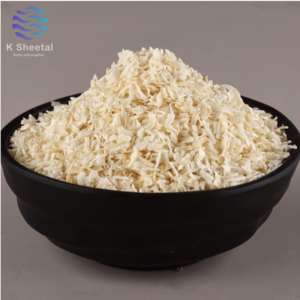
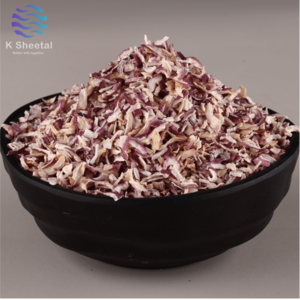
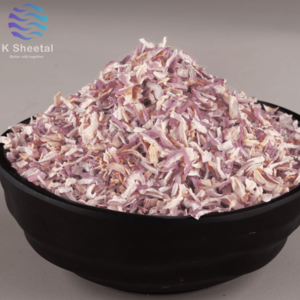
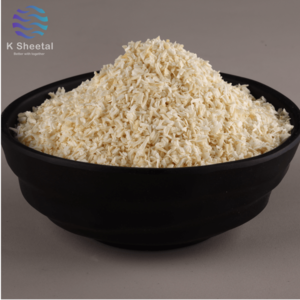
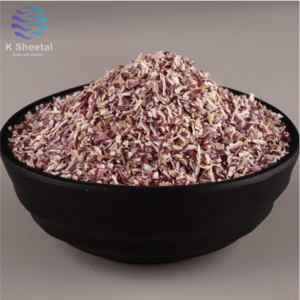
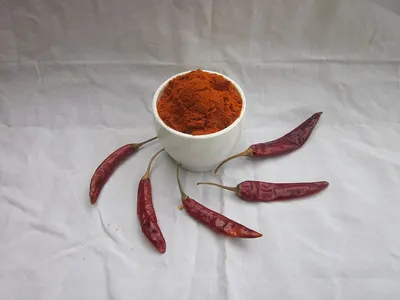
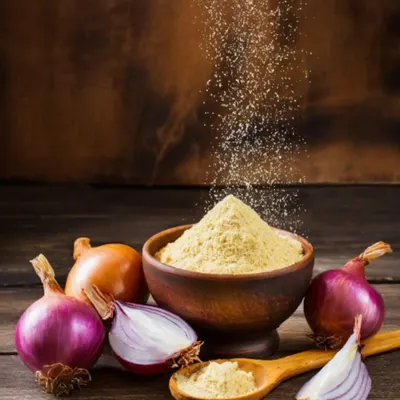
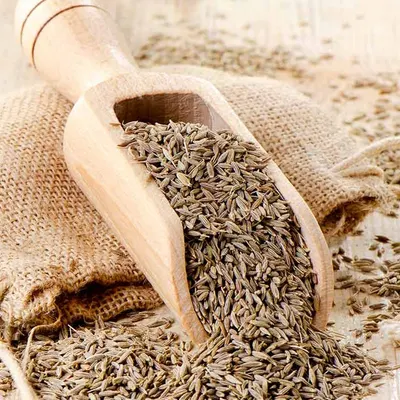
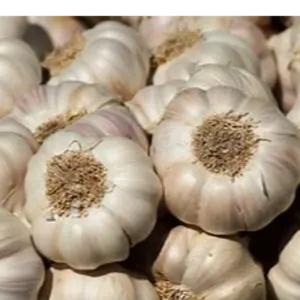
The product list includes garlic, cumin seed, guar gum, several forms of onion (flakes, minced, granules, powder) and red chili. These items fall under standard HS sub‑headings for dried spices and vegetable preparations, which are commonly used by processors in the food manufacturing sector. The supplier’s focus on both raw spice ingredients and functional food chemicals reflects a typical US export profile for specialty food ingredients.
Product Range and Specialties of Skyfall International LLC
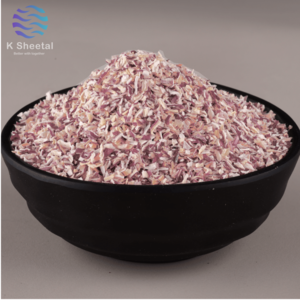
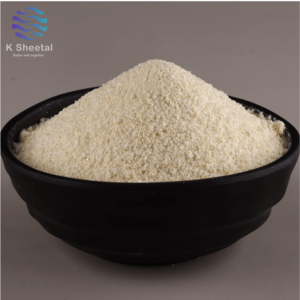
The catalogue offers garlic (dried), cumin seed (whole), red chili (dried), and multiple processed onion forms such as flakes, minced, granules and powder, together with guar gum as a hydrocolloid. In the dehydrated vegetable market, onion powders are often graded by moisture content (typically ≤7 %), particle size (e.g., 200 mesh for fine powder) and colour index. Cumin seed is usually supplied at a minimum of 95 % seed purity, while red chili is graded by Scoville heat units and colour retention. Guar gum is commonly sold as food‑grade powder with a viscosity of 100 - 150 cPs at 1 % solution and a moisture level below 10 %.
Industry standards for these categories include ISO 22000 food safety management, HACCP plans for spice handling, and, for US exporters, compliance with FDA food additive regulations. Buyers often request certificates of analysis (CoA) that detail microbial limits (e.g., total plate count < 10,000 CFU/g), aflatoxin levels (≤ 10 µg/kg for spices) and pesticide residues in accordance with EU maximum residue limits.
Frequently Asked Questions About Skyfall International LLC
What product forms of onion does Skyfall International LLC offer?
The catalogue lists onion flakes (or kibbled), minced (or chopped), granules and powder, each supplied as dried vegetable preparations.
Does the supplier provide specifications for moisture content?
Typical specifications for dehydrated onion products are moisture ≤ 7 % and water activity below 0.6; buyers should request the exact values from the supplier’s CoA.
Which certifications should a buyer request for the guar gum?
Buyers should ask for the FDA Food Additive registration, a Certificate of Analysis showing viscosity (100 - 150 cPs at 1 % solution) and any ISO 22000 or HACCP documentation the supplier can provide.
What HS code families cover the listed products?
Dried spices and vegetables fall under HS Chapter 20, while guar gum is classified under HS Chapter 38 for food additives.
What are typical packaging sizes for these ingredients?
Export shipments are commonly packed in food‑grade polyethylene bags of 25 kg or bulk 1‑ton containers, which are then loaded into 20‑ft or 40‑ft sea containers.
United StatesRelated Suppliers & Products
Explore similar suppliers, related products and trending categories