Sino Textile Machinery — Supplier
About Sino Textile Machinery - Sewing Machinery & Equipments Supplier in China
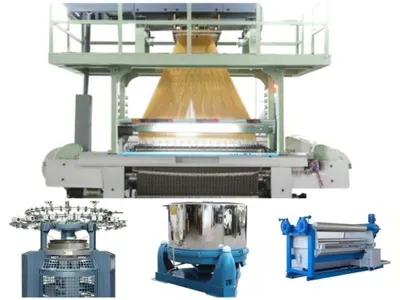
China hosts the supplier Sino Textile Machinery, which lists seven active products in its catalogue. The company is classified under the "harbor" trust tier and focuses on Sewing Machinery & Equipments as well as Textile Machine Spare Parts. Its product portfolio is limited to textile weaving and related looms, reflecting a narrow but defined manufacturing scope. The catalogue includes models identified by codes such as QJH910, QJH810, GA736, GA788, GA738‑I, GA738‑II and GA798‑I, each representing a specific type of rapier or electronic loom.
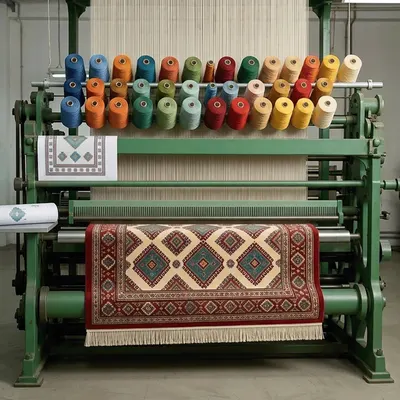
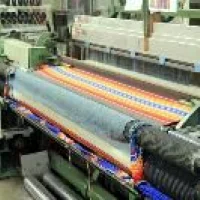
The listed items are all variations of flexible rapier weaving equipment, with two models designated as QJH series looms, two GA series weaving looms, a Dobby Terry Towel loom (GA738‑I), an electronic towel loom (GA738‑II) and an electronic Jute Bag rapier loom (GA798‑I). No additional product families or accessory lines appear in the supplied data, and the catalogue does not provide HS codes or certification details for these machines.
Product Range and Specialties of Sino Textile Machinery
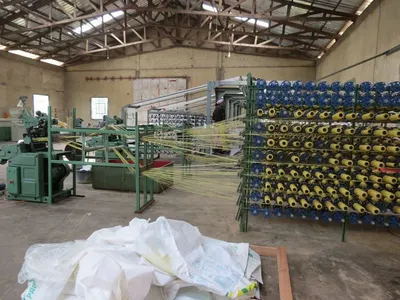
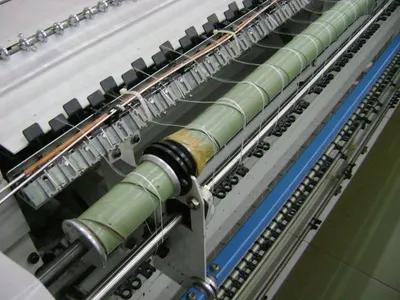
The catalogue centres on flexible rapier weaving looms, a machine class commonly used for cotton, polyester and blended fabrics where high warp tension control is required. Typical industry specifications for such looms include warp widths from 1.5 m to 3.0 m, picking rates between 250 and 500 picks per minute, rapier diameters of 8‑12 mm and power ratings of 7‑15 kW. Dobby Terry towel looms and electronic towel looms add programmable shedding for towel patterns and often feature automatic tension regulation and quick‑change heddle frames. Jute‑bag rapier looms are built for coarse yarns, with wider take‑up zones and reinforced rapier guides to handle heavier fabrics. Buyers generally compare these parameters against their production needs to select the appropriate model.
Trade and Export Information - Sino Textile Machinery
China remains a leading exporter of textile machinery, with the majority of shipments routed to Bangladesh, Vietnam, Pakistan, Turkey and various EU member states. Products such as flexible rapier looms fall under HS chapter 84 (machinery), commonly recorded under sub‑heading 84.71.90 for other textile machinery. International buyers typically require compliance documentation such as CE marking for EU markets, ISO 9001 quality‑management certification, and test reports confirming electrical safety (IEC 60204) and performance metrics. Shipping is usually arranged in 20‑ft or 40‑ft containers, with machines crated on wooden pallets; common Incoterms are FOB Shanghai or CIF destination port. Chinese export policy for textile equipment emphasizes after‑sales service contracts and provision of spare‑part kits to facilitate installation overseas.
Sourcing from Sino Textile Machinery - Buyer Guidance
When sourcing from Sino Textile Machinery, request the full technical data sheet for each loom model, which should detail warp width, picks per minute, power consumption, rapier type and control system (PLC or analog). Ask for any available CE or ISO‑9001 certificates, as well as third‑party test reports for electrical safety and mechanical performance; these documents verify that the machine meets typical import requirements. Verify the supplier’s spare‑part availability schedule and warranty terms before confirming an order, and confirm lead time estimates, which for Chinese loom manufacturers usually range from 30 to 60 days after order receipt.
Frequently Asked Questions About Sino Textile Machinery
What types of weaving looms are listed in the catalogue?
The catalogue lists flexible rapier weaving looms (QJH910, QJH810, GA736, GA788), a Dobby Terry towel loom (GA738‑I), an electronic towel loom (GA738‑II) and an electronic Jute‑bag rapier loom (GA798‑I). Each model is designed for specific fabric types and production speeds.
Are HS codes provided for the listed machines?
The supplied data does not include HS codes for the individual loom models. Generally, textile weaving machinery is classified under HS 84.71.90, but buyers should confirm the exact code with the supplier.
Which certifications should a buyer request for these looms?
Buyers should request CE conformity for EU shipments, ISO 9001 quality‑management certification, and any applicable electrical safety test reports such as IEC 60204. These are standard requirements for textile machinery imports.
What typical specifications define a flexible rapier loom?
Typical specifications include warp width between 1.5 m and 3.0 m, picking speed of 250‑500 picks per minute, rapier diameter of 8‑12 mm and power consumption of 7‑15 kW. Control systems may be PLC‑based for electronic models.
What is the usual lead time for an order from Sino Textile Machinery?
Lead times for Chinese loom manufacturers commonly range from 30 to 60 days after order confirmation, depending on model complexity and current production load.
How are the looms packaged for export?
Machines are typically crated on wooden pallets, secured with steel straps, and loaded into 20‑ft or 40‑ft containers. Protective padding and moisture‑resistant wrapping are standard to prevent damage during transit.
What are the common payment and shipping terms used?
Export transactions often use standard Incoterms such as FOB Shanghai or CIF destination port. Payment methods include T/T, L/C or other mutually agreed terms.
Are spare parts available after purchase?
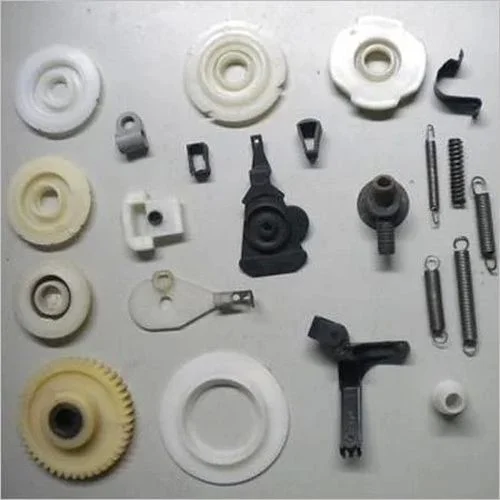
Suppliers of textile machinery usually provide a spare‑part catalogue and can ship critical components on demand. Buyers should verify the spare‑part lead time and warranty coverage before finalising the purchase.




 , China