Agriculture›
 Apparel and fashion accessories›
 Construction & real estate›💡Electronic & Electrical›🍎Food & Beverages›🛋️Home furnishing & supplies›⚗️Industrial goods & chemical›🪨Minerals & metals›📦Miscellaneous›Agriculture›Apparel and fashion accessories›Construction & real estate›💡Electronic & Electrical›🍎Food & Beverages›🛋️Home furnishing & supplies›⚗️Industrial goods & chemical›🪨Minerals & metals›📦Miscellaneous›
Shreeya International
⚓ Harbor , United Arab EmiratesNew supplier / no reviews yet
Shreeya International Product Catalog


About Shreeya International - Metal Scraps Supplier in United Arab Emirates
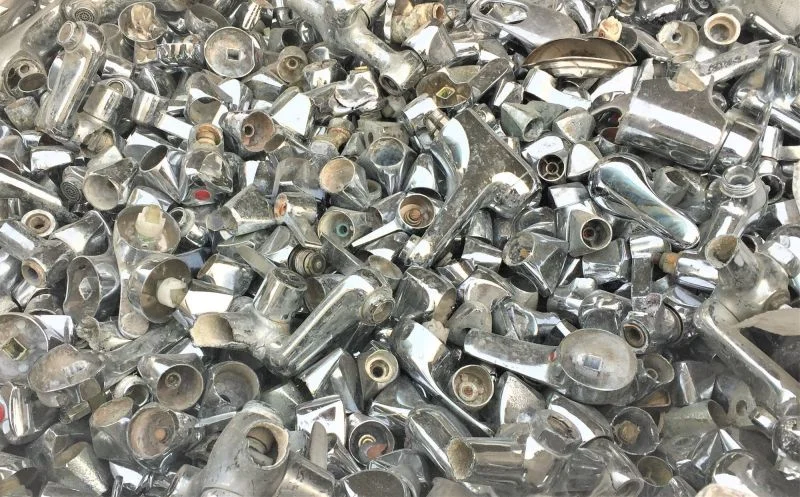
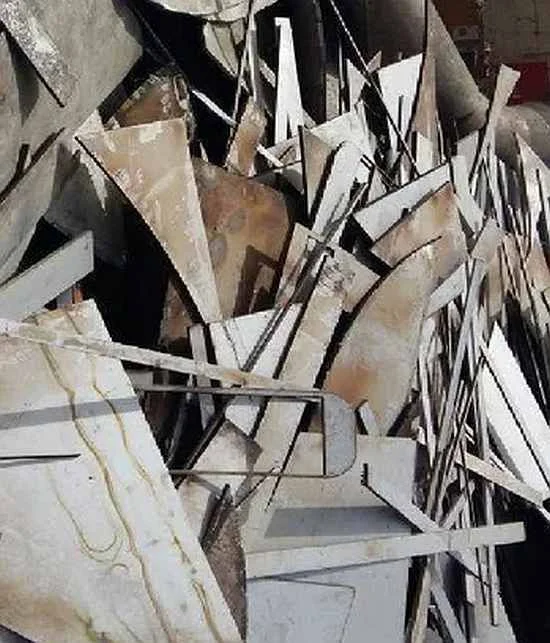
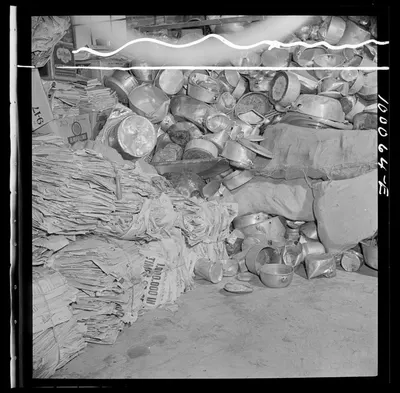
United Arab Emirates‑based Shreeya International lists 27 distinct products across petroleum by‑products, used oils and a broad spectrum of metal and electronic scrap. The catalogue groups items under HS‑code families such as 7404.00 for mixed non‑ferrous and ferrous scrap, 7204.29 for compressor scrap containing copper, 7802.00 for recycled lead, and 7204.21 for stainless‑steel 316 scrap, providing a clear customs classification for each metal stream.
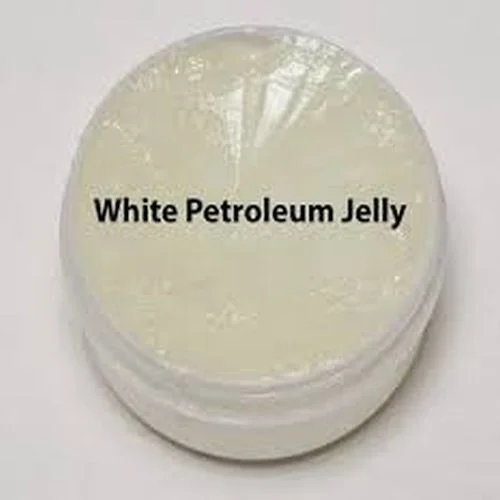
The supplier’s product list includes petroleum jelly, automotive grease, bitumen, rubber process oil, base oil and other refined oils, as well as metal scrap types like copper mill‑berry (minimum 99.9 % Cu), aluminium alloys scrap, zinc scrap, brass scrap and stainless‑steel 316. Each metal entry specifies material composition, and several oil products such as transformer oil, fuel oil (CST 180 or CST 380) and liquefied petroleum gas are presented without HS codes in the source data.
Product Range and Specialties of Shreeya International
The catalogue offers standard grades that are common in the global scrap market: stainless‑steel 316 (UNS S31600) typically supplied in 1‑ton bundles, copper mill‑berry meeting 99.9 % purity, aluminium alloys containing silicon, copper or magnesium, and zinc dross meeting 99 % Zn content. For petroleum derivatives, products such as base oil and transformer oil are usually classified by ISO V‑G viscosity grades, while bitumen is supplied in 45 °C penetration grades (e.g., 60/70). Industry practice also includes providing material test reports that detail composition percentages, moisture content and physical dimensions for each scrap batch.
Buyers of metal scrap generally request certification to ISO 9001 or ISO 14001 and conformity to REACH or RoHS where applicable. Oil products are often required to meet API specifications (e.g., API CG‑4 for base oil) and to be accompanied by a Certificate of Analysis showing flash point, sulfur content and water content. These standards complement the supplier’s listed HS codes and material descriptions.
Frequently Asked Questions About Shreeya International
What metal scrap grades does Shreeya International list?
The catalogue includes stainless‑steel 316 (UNS S31600), copper mill‑berry (minimum 99.9 % Cu), aluminium alloys scrap, zinc scrap (score and dross), brass alloy scrap and mixed non‑ferrous/ferrous scrap under HS 7404.00.
Are HS codes provided for each scrap product?
HS codes are supplied for most metal items: 7404.00 for mixed scrap, 7204.29 for compressor scrap, 7802.00 for lead scrap, 7204.21 for stainless‑steel scrap, 7902.00 for zinc scrap and 7602.00 for aluminium scrap.
What certifications should a buyer verify for metal scrap?
Typical certifications include ISO 9001 quality management, ISO 14001 environmental management and REACH compliance. Buyers often request a third‑party inspection certificate as well.
Which documents are standard for oil products?
Buyers usually ask for a Certificate of Analysis showing API grade, flash point, sulfur and water content, together with an MSDS and, where applicable, an ISO 9001 certificate.
What are common packaging methods for these products?
Metal scrap is packed in steel‑lined containers, bulk bags or locked containers; petroleum oils are shipped in ISO‑standard drums, intermediate bulk containers or pressurised LPG tanks.
United Arab EmiratesRelated Suppliers & Products
Explore similar suppliers, related products and trending categories