Shop Channel - 2 — Verified Supplier

About Shop Channel - 2 - Textile, Food and Paper Supplier in Indonesia

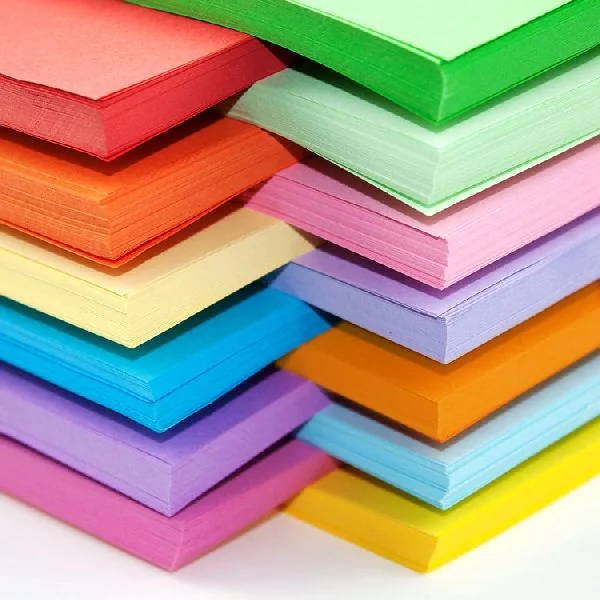
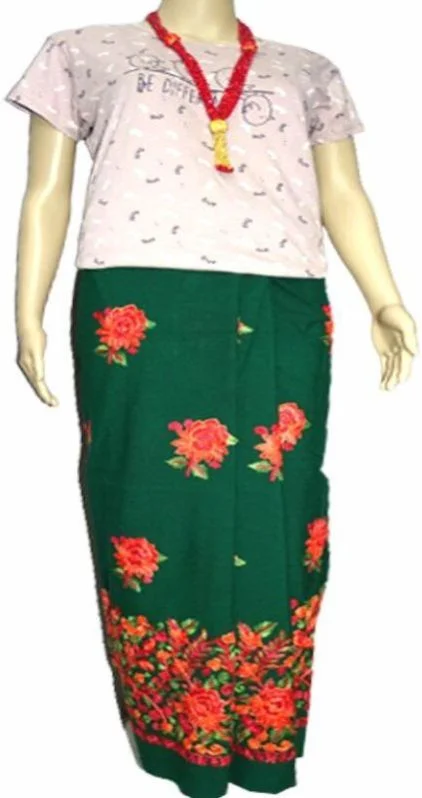
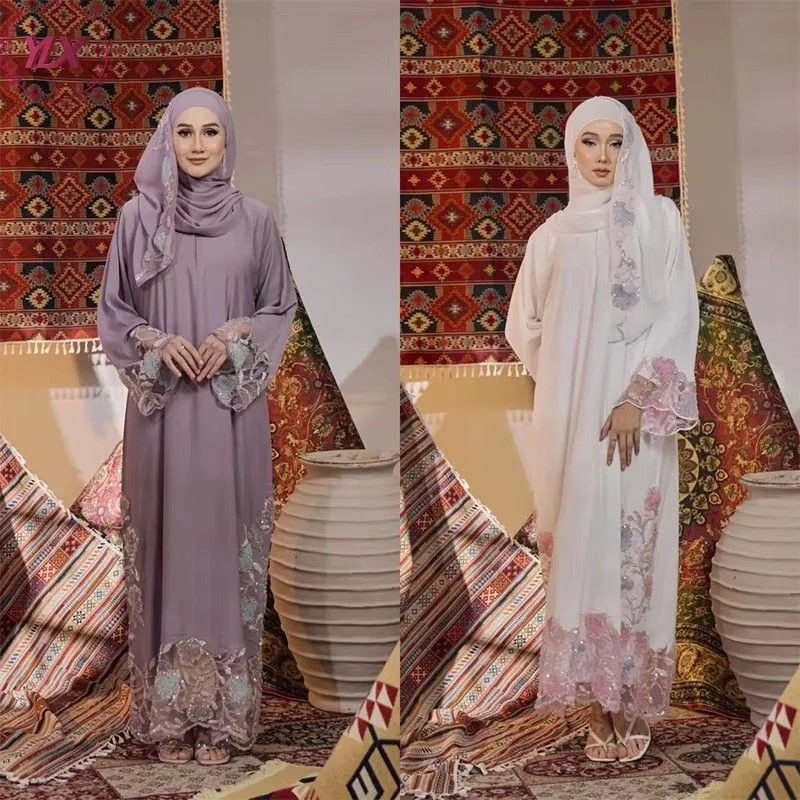
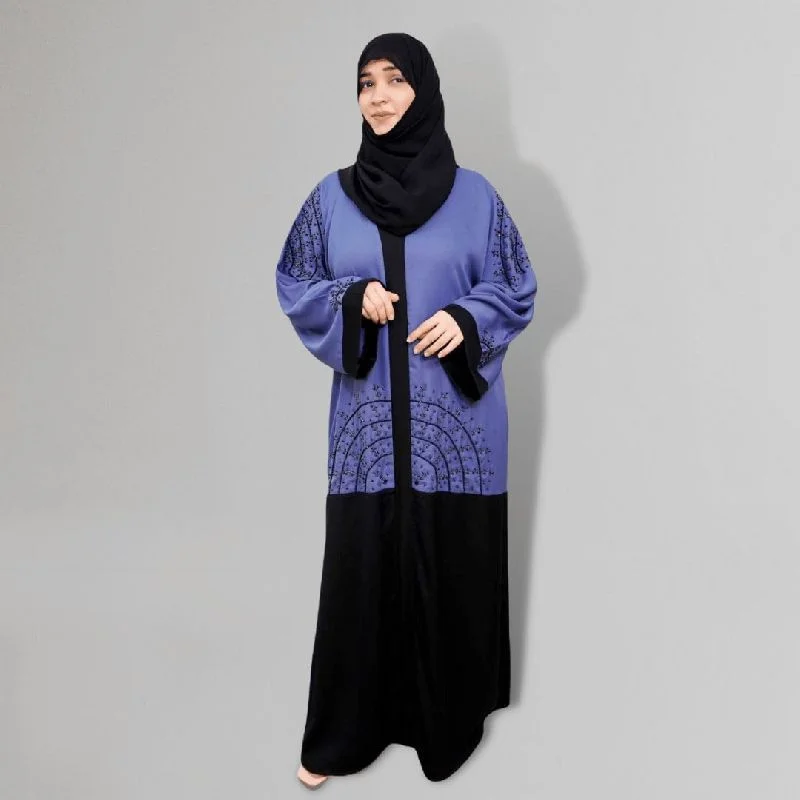
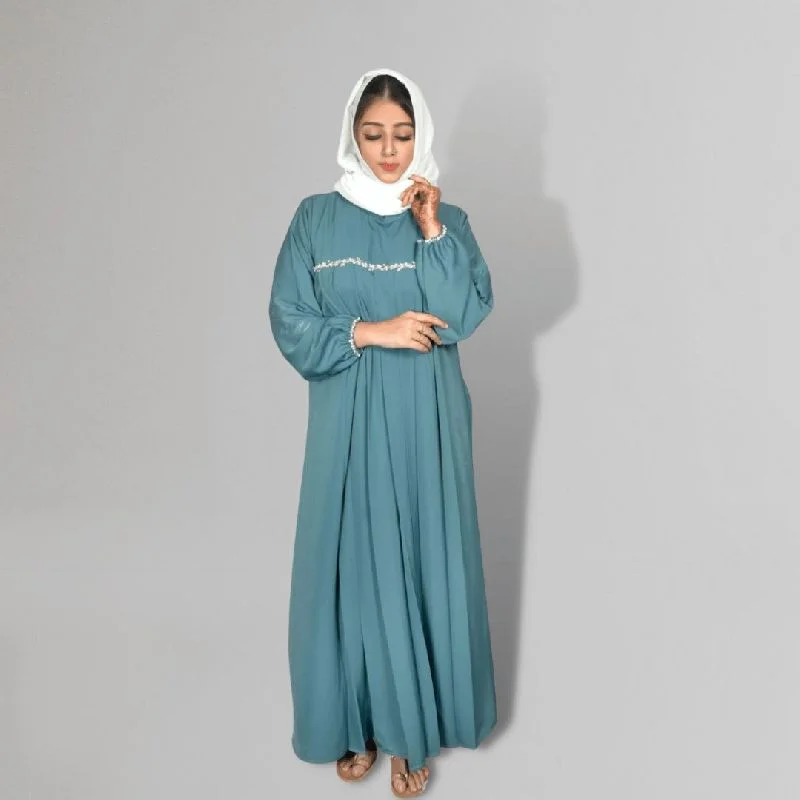
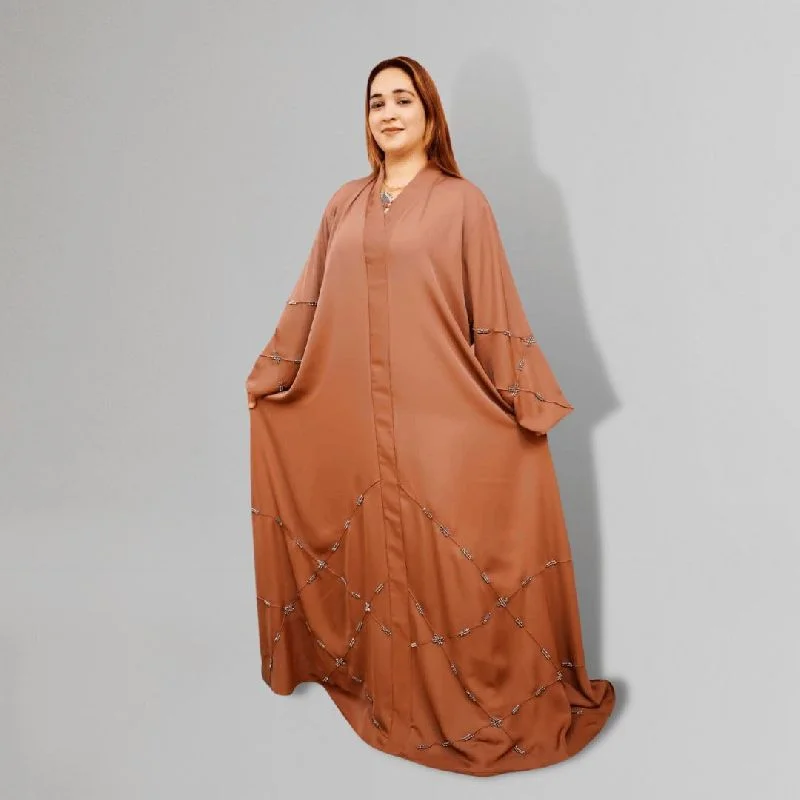
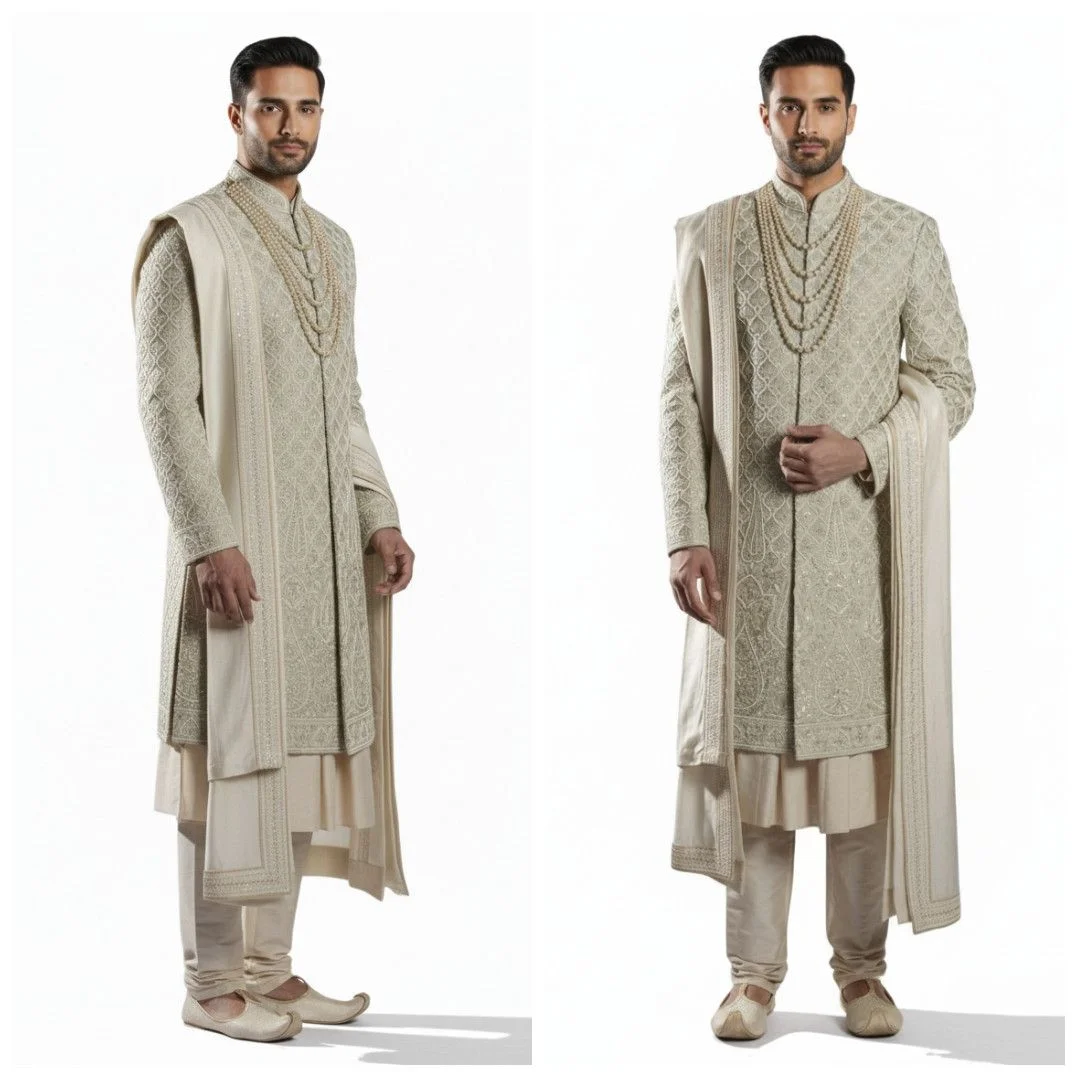
Indonesia is the origin country for Shop Channel - 2, which currently lists 33 active products spanning textiles, edible oils, coffee, spices, vanilla and printing paper. The catalogue includes garments such as Abaya and various woven sarongs/lingi, several grades of palm and coconut cooking oil, Arabica and Robusta coffee beans, black and white pepper, cloves, vanilla beans (both Planifolia and Tahitian), and A4 copy paper in 70 gsm and 80 gsm formats. Each product entry follows the HS‑code families relevant to its commodity, for example the listed Abaya items carry HS codes 6211.90, 6204.19 and 6202.19, while the paper items fall under the HS 4802 chapter for printed paper. The supplier’s product list also specifies material details such as a shimmer silk blend for the standard Abaya, a polyester‑blend “Crincle Airflow” fabric for the Noena Abaya, and customizable polyester blends for the Outer Aulia Abaya.

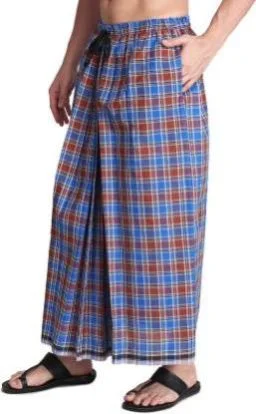
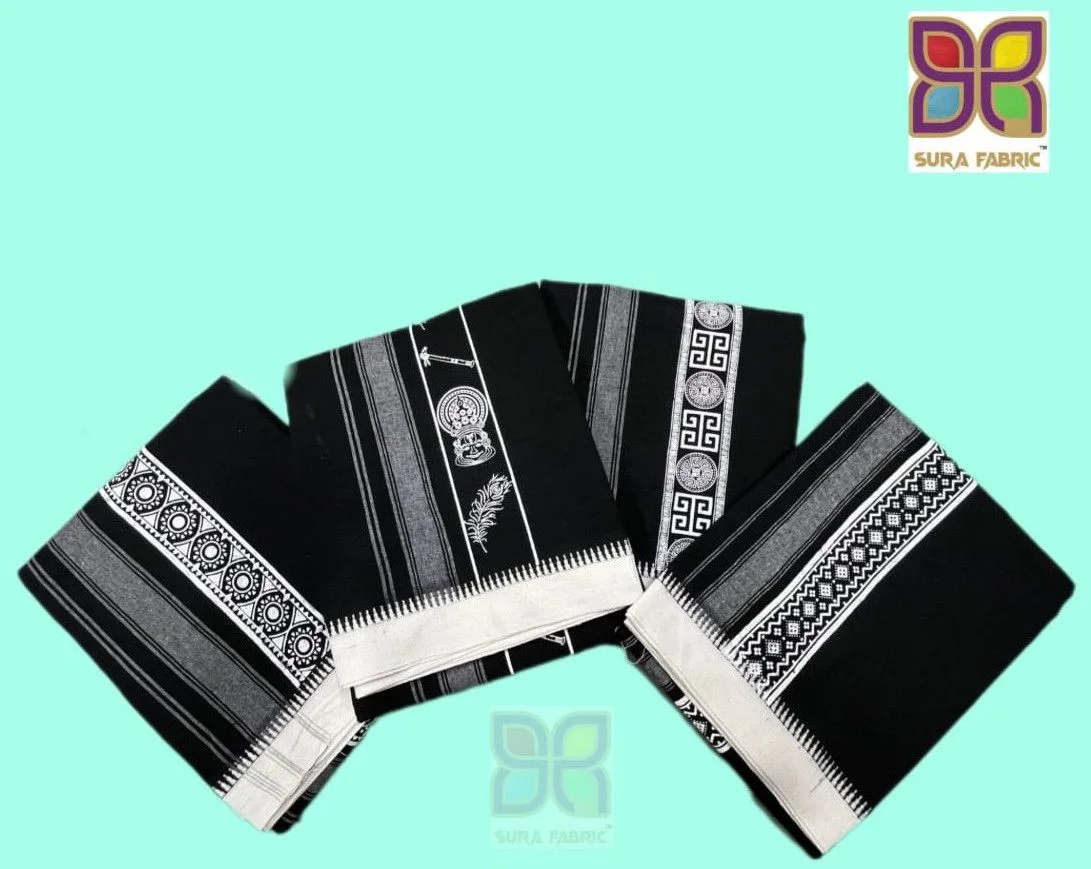
The textile entries include traditional Indonesian sarongs and lungi made from woven goyor fabrics, while the food portfolio comprises refined palm cooking oils (Bimoli, Filma, Sunco), coconut oil (BARCO), and specialty spices like cloves and both black and white pepper. Coffee offerings cover green Arabica beans, Robusta beans and green Robusta beans, each typically sourced from Indonesian high‑altitude farms. Vanilla products list both Planifolia beans and Tahitian beans, reflecting the two main cultivation regions. The paper range is limited to A4 size copy paper with grammage of 70 gsm and 80 gsm, a standard specification for office printing in many markets.

Product Range and Specialties of Shop Channel - 2

Shop Channel - 2’s catalogue groups its items into three broad sectors: textiles, food commodities and paper. In the textile section the supplier offers Abaya garments (HS 6211.90, 6204.19, 6202.19) made from silk‑blend or polyester‑blend fabrics, and a variety of woven goyor sarongs and lungi that are typical Indonesian casual wear. In the food sector the supplier lists several refined palm cooking oils (commonly meeting Indonesian National Standard for free fatty acid ≤ 0.1 % and iodine value ≈ 55 g I₂/100 g), coconut oil, green and roasted Arabica and Robusta coffee beans (generally graded by size ≥ 17 mm, moisture ≤ 12 % and defect rate < 5 %), black and white pepper (often classified by particle size 0.5‑1 mm and moisture ≤ 13 %), cloves and vanilla beans (Planifolia grades 1‑3, Tahitian grade A, moisture ≤ 10 %). The paper line comprises A4 copy paper in 70 gsm and 80 gsm, standard weights for office printing and compatible with ISO 216 dimensions.

Industry standards for these categories include ISO 22000 or HACCP for edible oils and spices, and the Coffee Quality Institute (CQI) cupping scores for coffee beans. Palm oil exporters typically provide a Certificate of Analysis showing peroxide value < 10 meq O₂/kg and moisture < 0.1 %. Pepper shipments are usually accompanied by a phytosanitary certificate and a moisture test. Vanilla beans are often graded by length (≥ 9 cm for Planifolia) and moisture content. For the textile items, buyers look for fabric weight (e.g., 150‑200 g/m² for Abaya) and seam construction details, while A4 paper is expected to meet ISO 216 size tolerance and a brightness of ≥ 90 %.

Trade and Export Information - Shop Channel - 2

Indonesia is a major exporter of palm and coconut oils, coffee, pepper, cloves and vanilla, with key markets in the Middle East, Europe, the United States and East Asia. The HS‑code families represented in Shop Channel - 2’s list (e.g., 1511 for palm oil, 1512 for coconut oil, 0901 for coffee beans, 0902 for pepper, 0905 for vanilla, 6201‑6212 for apparel, 4802 for paper) are routinely inspected under the ASEAN‑China Free Trade Area and under EU import health regulations. Buyers typically require a phytosanitary certificate for spices, a Certificate of Origin for preferential tariff treatment, and laboratory analysis reports confirming purity, moisture and contaminant limits. Export packaging follows standard bulk practices: refined oils are packed in 200 L steel drums or 25 kg jerrycans, coffee beans in 60 kg polypropylene sacks, pepper and cloves in 25 kg paper bags, vanilla beans in insulated cartons, and paper sheets in 500‑sheet ream boxes. Shipping is commonly arranged on 20 ft or 40 ft containers under FOB or CIF terms, with temperature‑controlled containers used for oil and coffee to preserve quality.

Indonesia’s export infrastructure supports efficient sea freight from ports such as Jakarta and Surabaya, and many exporters adhere to the Indonesian National Standard (SNI) and international standards like ISO 9001 for quality management. Buyers should verify that the supplier can provide the necessary export documentation, including MSDS for oils, fumigation certificates for spices, and compliance with the EU’s pesticide residue limits where applicable.

Sourcing from Shop Channel - 2 - Buyer Guidance

When sourcing from Shop Channel - 2, buyers should request the specific HS codes for each product to ensure correct tariff classification, and obtain a recent Certificate of Analysis for edible oils and spices that details free fatty acid content, peroxide value and moisture levels. For coffee, a cupping report or CQI score sheet confirming bean size, moisture and defect count helps validate quality. Pepper and cloves should be accompanied by a phytosanitary certificate and moisture test results, while vanilla beans require a certificate confirming grade, length and moisture. Textile items should be sampled for fabric weight (gsm), seam strength and colourfastness, and the supplier should provide a fabric composition certificate confirming the listed polyester or silk blends.

Buyers are advised to confirm the packaging type (e.g., 200 L drums for oil, 60 kg sacks for coffee) and to verify that containers meet ISO 9001 or HACCP documentation if the buyer’s market requires it. Minimum order quantities are typically set per product line - for example, oil orders often start at one 20 ft container (≈ 10 tons), coffee at 5 tons, and paper at a full pallet of 2,500 sheets. Lead times for Indonesian exporters range from 15‑30 days after order confirmation, depending on product seasonality and packaging availability.

Frequently Asked Questions About Shop Channel - 2

What HS codes are used for the Abaya garments listed by Shop Channel - 2?

The Abaya items are classified under HS 6211.90 for the standard silk‑blend version, HS 6204.19 for the Noena polyester‑blend version, and HS 6202.19 for the Outer Aulia customizable polyester blend.

Which certifications should a buyer request for the palm cooking oils?

Buyers should ask for a Certificate of Analysis showing free fatty acid ≤ 0.1 % and peroxide value < 10 meq O₂/kg, as well as an ISO 22000 or HACCP compliance statement and a phytosanitary certificate for export.

What quality parameters are typical for the coffee beans offered?

Arabica and Robusta beans are usually graded by bean size (≥ 17 mm), moisture content (≤ 12 %), and defect rate (≤ 5 %). A cupping score or CQI report is commonly requested.

How are the pepper products packaged for shipment?

Black and white pepper are generally packed in 25 kg paper bags or 50 kg jute sacks, sealed and accompanied by a moisture test (≤ 13 %) and a phytosanitary certificate.

What documentation is needed for importing vanilla beans?

Importers typically require a Certificate of Origin, a phytosanitary certificate, and a laboratory report confirming bean grade, length (≥ 9 cm for Planifolia) and moisture ≤ 10 %.

What are the standard specifications for the A4 copy paper?

The paper is supplied in 70 gsm and 80 gsm weights, conforms to ISO 216 size (210 mm × 297 mm), and meets a brightness of at least 90 % with a opacity of ≥ 92 %.

What are typical incoterms used by Indonesian exporters like Shop Channel - 2?

FOB (Free on Board) from Jakarta or Surabaya ports and CIF (Cost, Insurance, Freight) to major destination ports are the most common terms used for these product categories.

Are there minimum order quantities for the textile products?

Textile items such as Abaya and sarongs usually have an MOQ of one full container (≈ 20 ft) or a set number of pieces, often around 500‑1,000 garments, depending on the buyer’s specifications.


Featured Products from this Supplier

Other Suppliers in Primary Category

Top Trusted Suppliers

Related Products

Trending in Parent Category

More Suppliers in Category

Related Products

Other Suppliers

EximNext
58.5K+ live requirements
Register Free🎁 Reach verified global buyers
Post Requirement
🌍 Trusted by 224.6K+ businesses in 200+ countries|
58.5K+ active requirements right now
✉️ [email protected]
|
Sell on EximNextPost Requirement
EximNext
AgricultureApparelConstructionElectronicFoodHomeIndustrialMineralsMiscellaneous
🔥 Deals|✨ AI Match|🏭 Suppliers|📋 Buy Leads|💰 Trade Finance
58.5K+ live RFQs·194.6K+ suppliers
🎁 Reach global buyers →
EximNext
EximNext
Register Free
🎁 Reach verified global buyers
Sign In
📋Post Requirement💬Get QuotesAI Match📋RFQ Marketplace
All Categories
Services & Tools
🏭Supplier Directory🔥Today's Deals💰Trade Finance
Sell on EximNext
AboutContactBlogHelp
🏭

Shop Channel - 2

Harbor
Country flag , Indonesia
🛡️
77/100
Trust Score

Shop Channel - 2 Product Catalog

Showing 12 of 33 products
View all products →
Bar Bara Ja Woven Goyor Sarong
Harbor
Bar Bara Ja Woven Goyor Sarong
Contact
MOQ: 1 Unit
A4 70 Gsm Copy Paper
Harbor
A4 70 Gsm Copy Paper
Contact
MOQ: 1 Unit
A4 80 Gsm Copy Paper
Harbor
A4 80 Gsm Copy Paper
Contact
MOQ: 1 Unit
Woven Goyor Sarong Lungi
Harbor
Woven Goyor Sarong Lungi
Contact
MOQ: 1 Unit
Abaya
Harbor
Abaya
Contact
MOQ: 1 Unit
Woven Goyor Sarung Lungi Jabal Barbarah
Harbor
Woven Goyor Sarung Lungi Jabal Barbarah
Contact
MOQ: 1 Unit
Woven Goyor Sarong Lungi Joharah Bar Bar
Harbor
Woven Goyor Sarong Lungi Joharah Bar Bar
Contact
MOQ: 1 Unit
Sarongs Goyor, Lungi
Harbor
Sarongs Goyor, Lungi
Contact
MOQ: 1 Unit
Abaya Noena
Harbor
Abaya Noena
Contact
MOQ: 1 Unit
Abaya Outer Aulia
Harbor
Abaya Outer Aulia
Contact
MOQ: 1 Unit
Abaya Khadijah
Harbor
Abaya Khadijah
Contact
MOQ: 1 Unit
Abaya Khumaira
Harbor
Abaya Khumaira
Contact
MOQ: 1 Unit

About Shop Channel - 2 - Textile, Food and Paper Supplier in Indonesia

Indonesia is the origin country for Shop Channel - 2, which currently lists 33 active products spanning textiles, edible oils, coffee, spices, vanilla and printing paper. The catalogue includes garments such as Abaya and various woven sarongs/lingi, several grades of palm and coconut cooking oil, Arabica and Robusta coffee beans, black and white pepper, cloves, vanilla beans (both Planifolia and Tahitian), and A4 copy paper in 70 gsm and 80 gsm formats. Each product entry follows the HS‑code families relevant to its commodity, for example the listed Abaya items carry HS codes 6211.90, 6204.19 and 6202.19, while the paper items fall under the HS 4802 chapter for printed paper. The supplier’s product list also specifies material details such as a shimmer silk blend for the standard Abaya, a polyester‑blend “Crincle Airflow” fabric for the Noena Abaya, and customizable polyester blends for the Outer Aulia Abaya.

The textile entries include traditional Indonesian sarongs and lungi made from woven goyor fabrics, while the food portfolio comprises refined palm cooking oils (Bimoli, Filma, Sunco), coconut oil (BARCO), and specialty spices like cloves and both black and white pepper. Coffee offerings cover green Arabica beans, Robusta beans and green Robusta beans, each typically sourced from Indonesian high‑altitude farms. Vanilla products list both Planifolia beans and Tahitian beans, reflecting the two main cultivation regions. The paper range is limited to A4 size copy paper with grammage of 70 gsm and 80 gsm, a standard specification for office printing in many markets.

Product Range and Specialties of Shop Channel - 2

Shop Channel - 2’s catalogue groups its items into three broad sectors: textiles, food commodities and paper. In the textile section the supplier offers Abaya garments (HS 6211.90, 6204.19, 6202.19) made from silk‑blend or polyester‑blend fabrics, and a variety of woven goyor sarongs and lungi that are typical Indonesian casual wear. In the food sector the supplier lists several refined palm cooking oils (commonly meeting Indonesian National Standard for free fatty acid ≤ 0.1 % and iodine value ≈ 55 g I₂/100 g), coconut oil, green and roasted Arabica and Robusta coffee beans (generally graded by size ≥ 17 mm, moisture ≤ 12 % and defect rate < 5 %), black and white pepper (often classified by particle size 0.5‑1 mm and moisture ≤ 13 %), cloves and vanilla beans (Planifolia grades 1‑3, Tahitian grade A, moisture ≤ 10 %). The paper line comprises A4 copy paper in 70 gsm and 80 gsm, standard weights for office printing and compatible with ISO 216 dimensions.

Industry standards for these categories include ISO 22000 or HACCP for edible oils and spices, and the Coffee Quality Institute (CQI) cupping scores for coffee beans. Palm oil exporters typically provide a Certificate of Analysis showing peroxide value < 10 meq O₂/kg and moisture < 0.1 %. Pepper shipments are usually accompanied by a phytosanitary certificate and a moisture test. Vanilla beans are often graded by length (≥ 9 cm for Planifolia) and moisture content. For the textile items, buyers look for fabric weight (e.g., 150‑200 g/m² for Abaya) and seam construction details, while A4 paper is expected to meet ISO 216 size tolerance and a brightness of ≥ 90 %.

Trade and Export Information - Shop Channel - 2

Indonesia is a major exporter of palm and coconut oils, coffee, pepper, cloves and vanilla, with key markets in the Middle East, Europe, the United States and East Asia. The HS‑code families represented in Shop Channel - 2’s list (e.g., 1511 for palm oil, 1512 for coconut oil, 0901 for coffee beans, 0902 for pepper, 0905 for vanilla, 6201‑6212 for apparel, 4802 for paper) are routinely inspected under the ASEAN‑China Free Trade Area and under EU import health regulations. Buyers typically require a phytosanitary certificate for spices, a Certificate of Origin for preferential tariff treatment, and laboratory analysis reports confirming purity, moisture and contaminant limits. Export packaging follows standard bulk practices: refined oils are packed in 200 L steel drums or 25 kg jerrycans, coffee beans in 60 kg polypropylene sacks, pepper and cloves in 25 kg paper bags, vanilla beans in insulated cartons, and paper sheets in 500‑sheet ream boxes. Shipping is commonly arranged on 20 ft or 40 ft containers under FOB or CIF terms, with temperature‑controlled containers used for oil and coffee to preserve quality.

Indonesia’s export infrastructure supports efficient sea freight from ports such as Jakarta and Surabaya, and many exporters adhere to the Indonesian National Standard (SNI) and international standards like ISO 9001 for quality management. Buyers should verify that the supplier can provide the necessary export documentation, including MSDS for oils, fumigation certificates for spices, and compliance with the EU’s pesticide residue limits where applicable.

Sourcing from Shop Channel - 2 - Buyer Guidance

When sourcing from Shop Channel - 2, buyers should request the specific HS codes for each product to ensure correct tariff classification, and obtain a recent Certificate of Analysis for edible oils and spices that details free fatty acid content, peroxide value and moisture levels. For coffee, a cupping report or CQI score sheet confirming bean size, moisture and defect count helps validate quality. Pepper and cloves should be accompanied by a phytosanitary certificate and moisture test results, while vanilla beans require a certificate confirming grade, length and moisture. Textile items should be sampled for fabric weight (gsm), seam strength and colourfastness, and the supplier should provide a fabric composition certificate confirming the listed polyester or silk blends.

Buyers are advised to confirm the packaging type (e.g., 200 L drums for oil, 60 kg sacks for coffee) and to verify that containers meet ISO 9001 or HACCP documentation if the buyer’s market requires it. Minimum order quantities are typically set per product line - for example, oil orders often start at one 20 ft container (≈ 10 tons), coffee at 5 tons, and paper at a full pallet of 2,500 sheets. Lead times for Indonesian exporters range from 15‑30 days after order confirmation, depending on product seasonality and packaging availability.

Frequently Asked Questions About Shop Channel - 2

What HS codes are used for the Abaya garments listed by Shop Channel - 2?

The Abaya items are classified under HS 6211.90 for the standard silk‑blend version, HS 6204.19 for the Noena polyester‑blend version, and HS 6202.19 for the Outer Aulia customizable polyester blend.

Which certifications should a buyer request for the palm cooking oils?

Buyers should ask for a Certificate of Analysis showing free fatty acid ≤ 0.1 % and peroxide value < 10 meq O₂/kg, as well as an ISO 22000 or HACCP compliance statement and a phytosanitary certificate for export.

What quality parameters are typical for the coffee beans offered?

Arabica and Robusta beans are usually graded by bean size (≥ 17 mm), moisture content (≤ 12 %), and defect rate (≤ 5 %). A cupping score or CQI report is commonly requested.

How are the pepper products packaged for shipment?

Black and white pepper are generally packed in 25 kg paper bags or 50 kg jute sacks, sealed and accompanied by a moisture test (≤ 13 %) and a phytosanitary certificate.

What documentation is needed for importing vanilla beans?

Importers typically require a Certificate of Origin, a phytosanitary certificate, and a laboratory report confirming bean grade, length (≥ 9 cm for Planifolia) and moisture ≤ 10 %.

What are the standard specifications for the A4 copy paper?

The paper is supplied in 70 gsm and 80 gsm weights, conforms to ISO 216 size (210 mm × 297 mm), and meets a brightness of at least 90 % with a opacity of ≥ 92 %.

What are typical incoterms used by Indonesian exporters like Shop Channel - 2?

FOB (Free on Board) from Jakarta or Surabaya ports and CIF (Cost, Insurance, Freight) to major destination ports are the most common terms used for these product categories.

Are there minimum order quantities for the textile products?

Textile items such as Abaya and sarongs usually have an MOQ of one full container (≈ 20 ft) or a set number of pieces, often around 500‑1,000 garments, depending on the buyer’s specifications.

About Shop Channel - 2 - Textile, Food and Paper Supplier in Indonesia

Indonesia is the origin country for Shop Channel - 2, which currently lists 33 active products spanning textiles, edible oils, coffee, spices, vanilla and printing paper. The catalogue includes garments such as Abaya and various woven sarongs/lingi, several grades of palm and coconut cooking oil, Arabica and Robusta coffee beans, black and white pepper, cloves, vanilla beans (both Planifolia and Tahitian), and A4 copy paper in 70 gsm and 80 gsm formats. Each product entry follows the HS‑code families relevant to its commodity, for example the listed Abaya items carry HS codes 6211.90, 6204.19 and 6202.19, while the paper items fall under the HS 4802 chapter for printed paper. The supplier’s product list also specifies material details such as a shimmer silk blend for the standard Abaya, a polyester‑blend “Crincle Airflow” fabric for the Noena Abaya, and customizable polyester blends for the Outer Aulia Abaya.

The textile entries include traditional Indonesian sarongs and lungi made from woven goyor fabrics, while the food portfolio comprises refined palm cooking oils (Bimoli, Filma, Sunco), coconut oil (BARCO), and specialty spices like cloves and both black and white pepper. Coffee offerings cover green Arabica beans, Robusta beans and green Robusta beans, each typically sourced from Indonesian high‑altitude farms. Vanilla products list both Planifolia beans and Tahitian beans, reflecting the two main cultivation regions. The paper range is limited to A4 size copy paper with grammage of 70 gsm and 80 gsm, a standard specification for office printing in many markets.

Product Range and Specialties of Shop Channel - 2

Shop Channel - 2’s catalogue groups its items into three broad sectors: textiles, food commodities and paper. In the textile section the supplier offers Abaya garments (HS 6211.90, 6204.19, 6202.19) made from silk‑blend or polyester‑blend fabrics, and a variety of woven goyor sarongs and lungi that are typical Indonesian casual wear. In the food sector the supplier lists several refined palm cooking oils (commonly meeting Indonesian National Standard for free fatty acid ≤ 0.1 % and iodine value ≈ 55 g I₂/100 g), coconut oil, green and roasted Arabica and Robusta coffee beans (generally graded by size ≥ 17 mm, moisture ≤ 12 % and defect rate < 5 %), black and white pepper (often classified by particle size 0.5‑1 mm and moisture ≤ 13 %), cloves and vanilla beans (Planifolia grades 1‑3, Tahitian grade A, moisture ≤ 10 %). The paper line comprises A4 copy paper in 70 gsm and 80 gsm, standard weights for office printing and compatible with ISO 216 dimensions.

Industry standards for these categories include ISO 22000 or HACCP for edible oils and spices, and the Coffee Quality Institute (CQI) cupping scores for coffee beans. Palm oil exporters typically provide a Certificate of Analysis showing peroxide value < 10 meq O₂/kg and moisture < 0.1 %. Pepper shipments are usually accompanied by a phytosanitary certificate and a moisture test. Vanilla beans are often graded by length (≥ 9 cm for Planifolia) and moisture content. For the textile items, buyers look for fabric weight (e.g., 150‑200 g/m² for Abaya) and seam construction details, while A4 paper is expected to meet ISO 216 size tolerance and a brightness of ≥ 90 %.

Trade and Export Information - Shop Channel - 2

Indonesia is a major exporter of palm and coconut oils, coffee, pepper, cloves and vanilla, with key markets in the Middle East, Europe, the United States and East Asia. The HS‑code families represented in Shop Channel - 2’s list (e.g., 1511 for palm oil, 1512 for coconut oil, 0901 for coffee beans, 0902 for pepper, 0905 for vanilla, 6201‑6212 for apparel, 4802 for paper) are routinely inspected under the ASEAN‑China Free Trade Area and under EU import health regulations. Buyers typically require a phytosanitary certificate for spices, a Certificate of Origin for preferential tariff treatment, and laboratory analysis reports confirming purity, moisture and contaminant limits. Export packaging follows standard bulk practices: refined oils are packed in 200 L steel drums or 25 kg jerrycans, coffee beans in 60 kg polypropylene sacks, pepper and cloves in 25 kg paper bags, vanilla beans in insulated cartons, and paper sheets in 500‑sheet ream boxes. Shipping is commonly arranged on 20 ft or 40 ft containers under FOB or CIF terms, with temperature‑controlled containers used for oil and coffee to preserve quality.

Indonesia’s export infrastructure supports efficient sea freight from ports such as Jakarta and Surabaya, and many exporters adhere to the Indonesian National Standard (SNI) and international standards like ISO 9001 for quality management. Buyers should verify that the supplier can provide the necessary export documentation, including MSDS for oils, fumigation certificates for spices, and compliance with the EU’s pesticide residue limits where applicable.

Sourcing from Shop Channel - 2 - Buyer Guidance

When sourcing from Shop Channel - 2, buyers should request the specific HS codes for each product to ensure correct tariff classification, and obtain a recent Certificate of Analysis for edible oils and spices that details free fatty acid content, peroxide value and moisture levels. For coffee, a cupping report or CQI score sheet confirming bean size, moisture and defect count helps validate quality. Pepper and cloves should be accompanied by a phytosanitary certificate and moisture test results, while vanilla beans require a certificate confirming grade, length and moisture. Textile items should be sampled for fabric weight (gsm), seam strength and colourfastness, and the supplier should provide a fabric composition certificate confirming the listed polyester or silk blends.

Buyers are advised to confirm the packaging type (e.g., 200 L drums for oil, 60 kg sacks for coffee) and to verify that containers meet ISO 9001 or HACCP documentation if the buyer’s market requires it. Minimum order quantities are typically set per product line - for example, oil orders often start at one 20 ft container (≈ 10 tons), coffee at 5 tons, and paper at a full pallet of 2,500 sheets. Lead times for Indonesian exporters range from 15‑30 days after order confirmation, depending on product seasonality and packaging availability.

Frequently Asked Questions About Shop Channel - 2
What HS codes are used for the Abaya garments listed by Shop Channel - 2?
The Abaya items are classified under HS 6211.90 for the standard silk‑blend version, HS 6204.19 for the Noena polyester‑blend version, and HS 6202.19 for the Outer Aulia customizable polyester blend.
Which certifications should a buyer request for the palm cooking oils?
Buyers should ask for a Certificate of Analysis showing free fatty acid ≤ 0.1 % and peroxide value < 10 meq O₂/kg, as well as an ISO 22000 or HACCP compliance statement and a phytosanitary certificate for export.
What quality parameters are typical for the coffee beans offered?
Arabica and Robusta beans are usually graded by bean size (≥ 17 mm), moisture content (≤ 12 %), and defect rate (≤ 5 %). A cupping score or CQI report is commonly requested.
How are the pepper products packaged for shipment?
Black and white pepper are generally packed in 25 kg paper bags or 50 kg jute sacks, sealed and accompanied by a moisture test (≤ 13 %) and a phytosanitary certificate.
What documentation is needed for importing vanilla beans?
Importers typically require a Certificate of Origin, a phytosanitary certificate, and a laboratory report confirming bean grade, length (≥ 9 cm for Planifolia) and moisture ≤ 10 %.
What are the standard specifications for the A4 copy paper?
The paper is supplied in 70 gsm and 80 gsm weights, conforms to ISO 216 size (210 mm × 297 mm), and meets a brightness of at least 90 % with a opacity of ≥ 92 %.
What are typical incoterms used by Indonesian exporters like Shop Channel - 2?
FOB (Free on Board) from Jakarta or Surabaya ports and CIF (Cost, Insurance, Freight) to major destination ports are the most common terms used for these product categories.
Are there minimum order quantities for the textile products?
Textile items such as Abaya and sarongs usually have an MOQ of one full container (≈ 20 ft) or a set number of pieces, often around 500‑1,000 garments, depending on the buyer’s specifications.

🏭
Shop Channel - 2
Country flag , Indonesia
Harbor
77/100
Trust Score
📦
33
Products
Free to contact — no commission
Escrow payment available
Verified business identity
Compare more suppliers
Post a requirement — get 10 quotes free
Let verified suppliers compete for your business. Free, fast, no commitment.
EximNext Verified Supplier
Business identity verified
Physical address confirmed
Financial history checked
Certifications authenticated
Trade references validated
Due Diligence
Verify this supplier's real shipping history.
Every shipment, every buyer, every port. Trade data that can't be faked.
Run due diligence →
Discover More

Related Suppliers & Products

Explore similar suppliers, related products and trending categories

Featured Products from this Supplier

Other Suppliers in Primary Category

Top Trusted Suppliers

Related Products

Trending in Parent Category

More Suppliers in Category

Stay ahead in global trade
Weekly market insights & new supplier alerts.
EximNext
Exim Next is a leading global B2B marketplace, connecting over 205,000 verified suppliers and buyers across 200+ countries. As a trusted import export marketplace, it serves as the essential B2B portal for businesses worldwide, empowering them to expand their international reach. With Exim Next, businesses can trade smarter and grow faster.
SECURE PAYMENTS
VISAMastercardPayPalSWIFTL/CEscrow
Follow us
© 2026 EximNext