Shenyang Youda Insulation Materials Co., Ltd. — Verified Manufacturer & Wholesale Supplier
About Shenyang Youda Insulation Materials Co., Ltd. - Insulation Materials Supplier in China
Shenyang Youda Insulation Materials Co., Ltd. is located in Shenyang, a heavy‑industry base in Northeast China. The company currently lists five distinct insulating material products in its catalogue. Its offerings include FR‑4 fiberglass‑reinforced epoxy sheets (HS 7019.90), SMC epoxy‑glass sheets (HS 3921.90), G10 epoxy‑glass boards (HS 3921.90), 3240 epoxy sheets used for high‑voltage applications (HS 8534.00), and Bakelite phenolic sheets (HS 3920.99). Each product is described by its composite material, such as fiberglass combined with epoxy resin or paper with epoxy resin. The catalogue groups the items under broader categories like industrial sheets, fiberglass products, and plastic laminates.
The FR‑4 and G10 products are classified under the same HS chapter for polymer laminates, while the SMC sheet shares the HS code for other plastics. The 3240 epoxy sheet falls under the electrical apparatus HS chapter, reflecting its use in transformer and motor insulation. The Bakelite sheet is recorded under the HS code for other polymerised sheets. The supplier’s catalogue does not list additional specifications such as thickness or dielectric strength, focusing instead on material composition and HS classification.
Product Range and Specialties of Shenyang Youda Insulation Materials Co., Ltd.
The FR‑4 fiberglass sheet is a standard PCB substrate with a typical glass transition temperature (Tg) of 130 °C, dielectric constant around 4.5, and moisture absorption below 0.1 %. Industry grades range from 0.5 mm to 3 mm thickness, and fire‑retardant (FR‑4) versions meet IEC 60050. SMC (Sheet Molding Compound) sheets are glass‑fiber reinforced epoxy composites used for structural and electrical insulation, commonly supplied in 1 mm to 6 mm thicknesses with tensile strength above 30 MPa.
G10 boards are similar to FR‑4 but with higher mechanical strength, often specified at tensile strength 40 - 60 MPa and dielectric strength 30 kV/mm. The 3240 epoxy sheet is a high‑voltage insulation material that typically complies with IEC 60216 thermal endurance class 130 °C and is used in transformer windings. Bakelite phenolic sheets are flame‑resistant, with dielectric strength around 25 kV/mm and are frequently employed in switchgear and motor housings. These grades represent the typical specifications buyers encounter for each material type.
Trade and Export Information - Shenyang Youda Insulation Materials Co., Ltd.
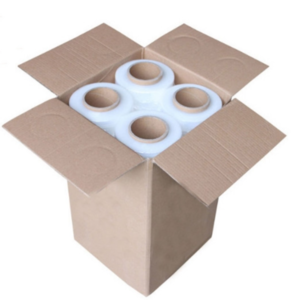
China is a leading exporter of polymer‑based insulating laminates, supplying Europe, North America, and Southeast Asia with FR‑4, G10, and phenolic sheets. HS 7019.90 and HS 3921.90 are commonly inspected for compliance with IEC 60216 thermal endurance and IEC 61710 dielectric breakdown standards, while HS 8534.00 items often require UL or IEC 60335 certifications for high‑voltage equipment. Export shipments are typically packed in cardboard or wooden crates, with moisture‑sealed bags for sensitive sheets, and shipped in 20‑ft or 40‑ft containers under CIF or FOB terms.
Buyers importing these materials usually request RoHS and REACH compliance documentation, as well as material safety data sheets (MSDS). Chinese manufacturers often provide test reports from accredited labs for dielectric strength, moisture absorption, and fire‑rating (e.g., IEC 60332). Logistical considerations include weight limits of 1 t per pallet for FR‑4 sheets and the need for temperature‑controlled storage for epoxy‑based products during transit.
Sourcing from Shenyang Youda Insulation Materials Co., Ltd. - Buyer Guidance
When sourcing insulating sheets from Shenyang Youda, buyers should ask for the latest IEC 60216 thermal endurance report, IEC 61710 dielectric breakdown test results, and an MSDS for each material. Verification of RoHS and REACH compliance is essential for shipments to Europe and North America. Requesting a physical sample of the FR‑4 or G10 sheet allows confirmation of thickness, Tg, and moisture content before committing to larger volumes.
Buyers should also confirm the packaging format - whether the sheets are shipped in sealed moisture‑proof bags or bulk rolls - and the agreed Incoterm. Typical lead times for epoxy‑glass laminates from Chinese factories range from 30 to 45 days after order confirmation, and any custom thickness or surface finish may extend the schedule. Clear communication of required certifications and test reports reduces the risk of customs delays.
Frequently Asked Questions About Shenyang Youda Insulation Materials Co., Ltd.
What insulating material products are listed in the supplier’s catalogue?
The catalogue lists five products: FR‑4 fiberglass‑epoxy sheet (HS 7019.90), SMC epoxy‑glass sheet (HS 3921.90), G10 epoxy‑glass board (HS 3921.90), 3240 epoxy sheet for high‑voltage use (HS 8534.00), and Bakelite phenolic sheet (HS 3920.99). Each item is described by its composite material, such as fiberglass with epoxy resin or paper with epoxy resin.
Which HS codes apply to the listed products?
FR‑4 falls under HS 7019.90, both SMC and G10 are classified under HS 3921.90, the 3240 epoxy sheet uses HS 8534.00, and the Bakelite sheet is recorded under HS 3920.99. These codes are used for customs classification and duty assessment.
What standard certifications are typically required for these insulation sheets?
Buyers usually request IEC 60216 thermal endurance certificates, IEC 61710 dielectric strength test reports, and RoHS/REACH compliance statements. For high‑voltage applications, UL or IEC 60335 fire‑rating documentation may also be required.
What typical specifications should a buyer verify for FR‑4 sheets?
Verify the glass transition temperature (around 130 °C), dielectric constant (≈4.5), moisture absorption (<0.1 %), and thickness (commonly 0.5 mm to 3 mm). Test reports confirming IEC 60216 and IEC 61710 performance are standard.
How are the sheets usually packaged for export?
Export packs often consist of moisture‑sealed polyethylene bags placed inside double‑wall cardboard boxes or wooden crates, with pallets conforming to a 1 ton weight limit per pallet. Larger volumes are loaded into 20‑ft or 40‑ft containers under FOB or CIF terms.
What are common lead times and order quantities for these products?
Typical lead times for epoxy‑glass laminates from Chinese suppliers range from 30 to 45 days after order confirmation. While the supplier does not publish a minimum order quantity, buyers often start with a sample batch of 500 pcs or a single pallet to evaluate quality.
Which regions import these types of insulating materials most frequently?
Europe, North America, and Southeast Asia are the main import markets for FR‑4, G10, and phenolic sheets, driven by demand in electronics, automotive, and power‑equipment sectors. Trade flows are supported by established logistics routes from ports such as Shanghai and Tianjin.





 , China