Shaoxing Lixin Printing & Dyeing Co., Ltd. — Supplier
About Shaoxing Lixin Printing & Dyeing Co., Ltd. - Fleece Fabric Supplier in China
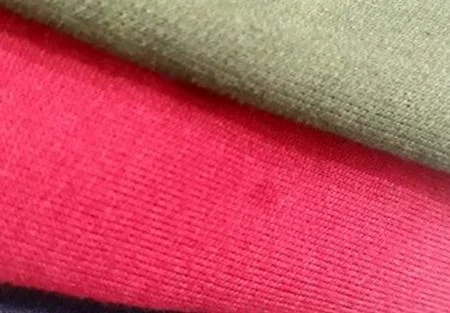
Shaoxing Lixin Printing & Dyeing Co., Ltd. operates in Shaoxing, Zhejiang Province, China and currently lists 18 active textile products. The catalogue spans several top categories including fleece fabric, printed fabric, filament yarn, cotton, jersey and polyester, reflecting a focus on knit and woven textile materials. Each product entry is identified by its specific type such as Polar Fleeces, Coral Fleeces, French Terry CVC, and various printed or embossed fleece fabrics. The supplier’s product set therefore covers both plain and printed fleece constructions as well as stretch jersey blends and filament yarns used for fleece production.
The listed items are grouped under HS code families commonly applied to textile fabrics, for example HS 5903 for knitted or crocheted fabrics and HS 5407 for woven fabrics. While the catalogue does not disclose individual HS numbers, all entries fall within the broader textile and apparel material classification used for customs and trade reporting. The product mix indicates capability to supply both heavyweight fleece (often 200‑300 gsm) and lighter jersey or CVC fabrics (typically 150‑260 gsm).
Product Range and Specialties of Shaoxing Lixin Printing & Dyeing Co., Ltd.
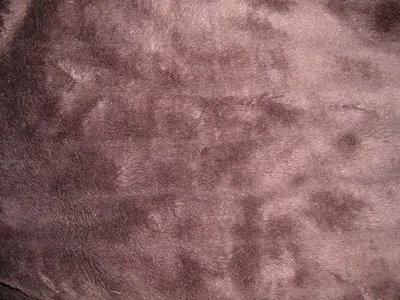
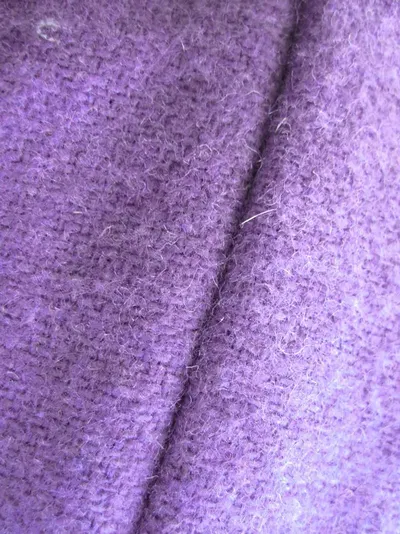
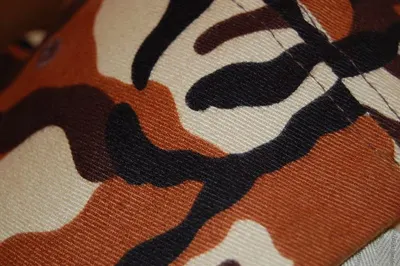
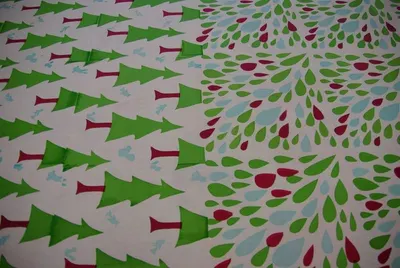
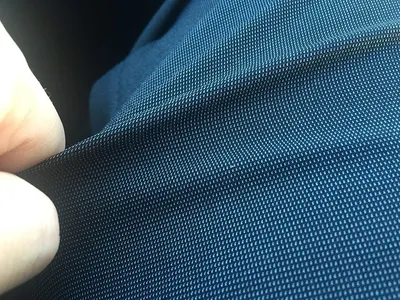
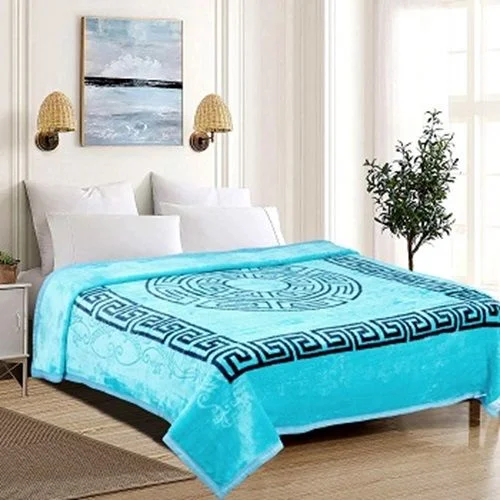
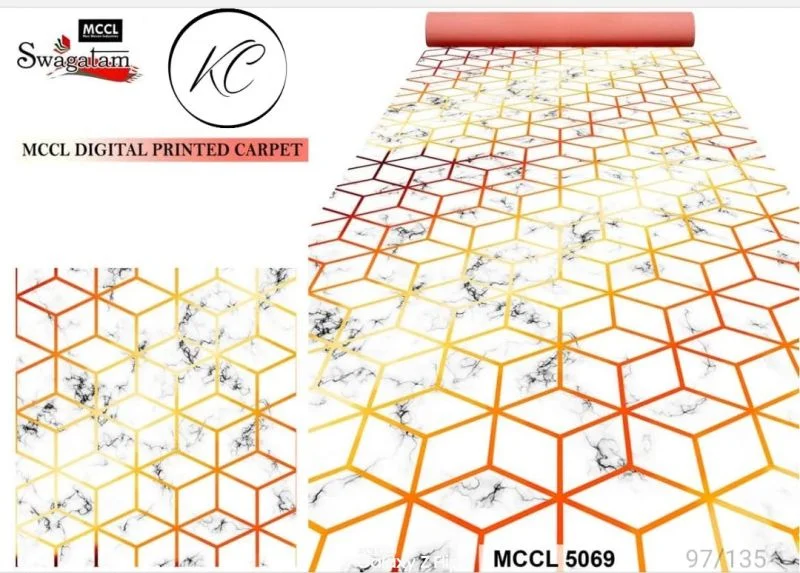
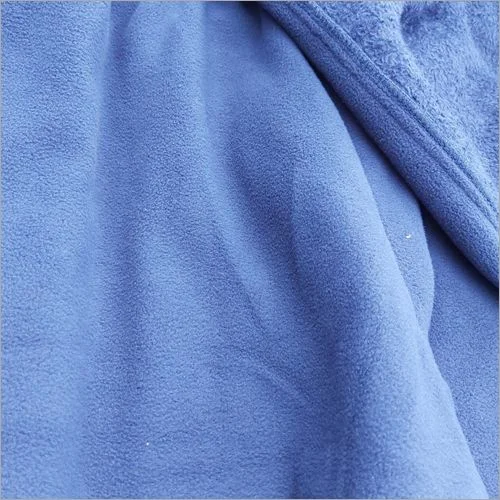
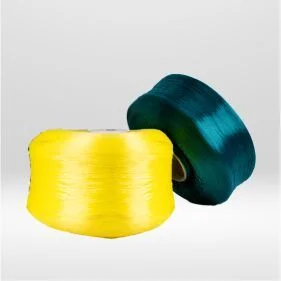
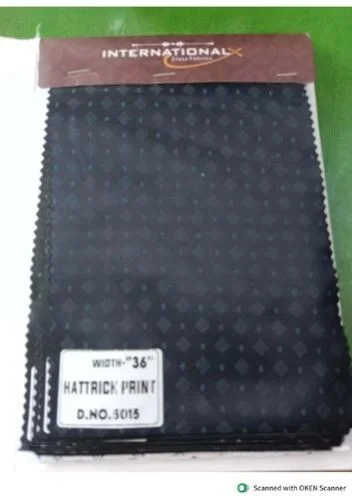
The catalogue includes several fleece variants: Polar Fleeces, Coral Fleeces, brushed polyester fleece (both single‑sided and double‑sided), short‑plush Velboa fabric and embossed polar fleece. In the textile industry fleece is usually specified by weight (gsm), fiber blend (commonly 100 % polyester or polyester/spandex mixes) and finish (brushed, napped or embossed). Printed fleece items such as French Terry CVC 260 g camo printed fabric and Coral Print Fabric for fuzzy blankets add color‑fastness and pattern considerations, with typical printing methods including screen and digital textile printing. Beyond fleece, the supplier offers filament yarn (FDY) suitable for knitting fleece, a 92 % polyester / 8 % spandex stretch jersey and a spun polyester‑spandex blend. Standard industry specifications for these yarns include tensile strength in the range of 30‑50 MPa and elongation at break above 20 %. Jersey fabrics are often measured by GSM (150‑260 g/m²) and composition certificates to verify stretch performance.
Trade and Export Information - Shaoxing Lixin Printing & Dyeing Co., Ltd.
China remains the world’s largest exporter of knitted and woven textile fabrics, with the majority of shipments destined for the United States, the European Union, and Southeast Asian garment manufacturers. Exporters of fleece and printed fabrics typically comply with REACH chemical restrictions, Oeko‑Tex Standard 100 for harmful substance limits, and ISO 9001 quality management systems. Shipping is usually arranged in 20‑ft or 40‑ft containers, with fabrics wound on rolls or folded in cartons, and Incoterms such as FOB Shanghai or CIF Europe are common. Buyers of Chinese fleece fabrics often request third‑party inspection reports (e.g., SGS, Bureau Veritas) to confirm compliance with weight, thickness and finish specifications. The regional logistics infrastructure in Zhejiang provides access to major ports like Ningbo‑Zhoushan, facilitating efficient sea freight to global markets.
Sourcing from Shaoxing Lixin Printing & Dyeing Co., Ltd. - Buyer Guidance
When sourcing fleece or jersey fabrics from this supplier, buyers should request a material composition certificate and, where relevant, an Oeko‑Tex Standard 100 test report to verify absence of restricted substances. Color‑fastness to washing and light, pilling resistance (ASTM D3512) and flammability (if required for apparel) are standard tests that buyers typically ask for before finalizing a purchase. Typical minimum order quantities for printed fleece run in the range of 500 m to 1 000 m per color, with lead times of 30‑45 days after sample approval. Buyers should confirm packaging details - whether fabrics will be shipped on rolls (width up to 1.5 m) or folded sheets - and request a pre‑shipment inspection report to mitigate quality risk.
Frequently Asked Questions About Shaoxing Lixin Printing & Dyeing Co., Ltd.
What types of fleece fabrics does Shaoxing Lixin list in its catalogue?
The catalogue includes Polar Fleeces, Coral Fleeces, brushed polyester fleece (both single‑sided and double‑sided), short‑plush Velboa fabric, embossed polar fleece and printed fleece variants such as French Terry CVC camo printed fabric.
Are the fabrics listed as 100 % polyester or blended?
Both options appear: some items are described as 100 % polyester polar fleece, while others are polyester blends such as 92 % polyester / 8 % spandex jersey and polyester‑spandex spun blends.
Which HS code families cover these products?
Fleece and knitted fabrics generally fall under HS 5903, while woven printed fabrics are classified under HS 5407. The supplier’s items are grouped within these textile code families.
What certifications are typically required for Chinese fleece exports?
Buyers usually request Oeko‑Tex Standard 100 for harmful substance limits, REACH compliance for chemical safety, and ISO 9001 for quality management. Inspection certificates from SGS or Bureau Veritas are also common.
What is a typical minimum order quantity for printed fleece?
Printed fleece orders often start at 500 meters per color, though exact MOQ depends on pattern complexity and packaging requirements.
How long is the lead time from order to shipment?
Lead times reported by similar Chinese textile exporters range from 30 to 45 days after sample approval and final order confirmation.
What packaging formats are used for these fabrics?
Fleece fabrics are usually shipped on rolls up to 1.5 meters wide, while printed or cut‑to‑size fabrics may be folded in cardboard cartons; both are loaded into 20‑ft or 40‑ft containers.
Which markets commonly import these types of fabrics?
The primary import markets for Chinese fleece and printed fabrics are the United States, the European Union, and Southeast Asian garment producers, reflecting demand for outerwear, blankets and sports apparel.




 , China