Shangqiu Fuda Food Machinery Co., Ltd. — Verified Supplier
About Shangqiu Fuda Food Machinery Co., Ltd. - Food Processing Machinery Supplier in China
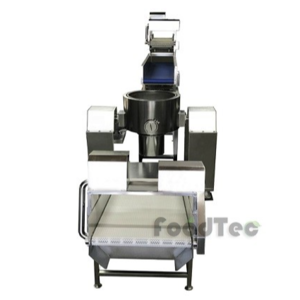
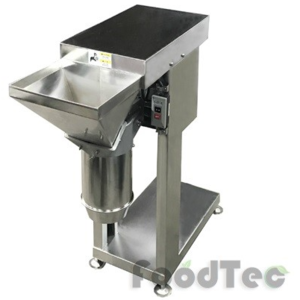
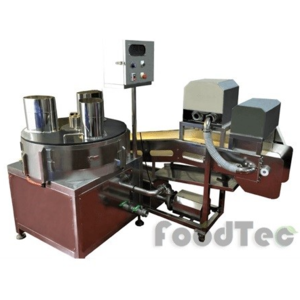
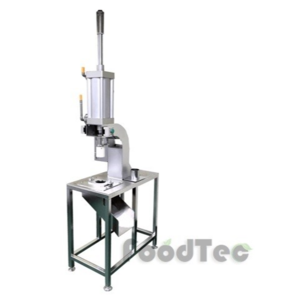
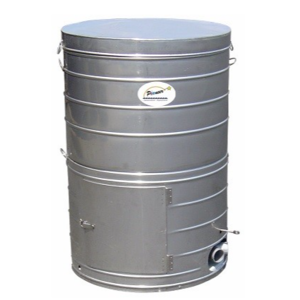
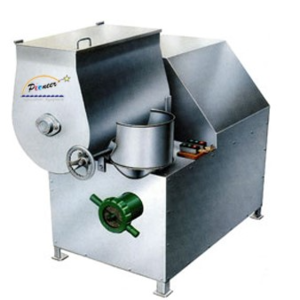
China hosts a catalogue of six food‑processing machines offered by Shangqiu Fuda Food Machinery Co., Ltd. The listed items cover fully automatic and semi‑automatic equipment for snack production, including two variants of green bean cake machines, a fried dough twist machine, a namak pare making machine, a polvoron making machine, and a roti making machine. All products fall under the Food Processing Machinery category and are presented without additional HS‑code detail in the supplied data. The supplier’s portfolio targets manufacturers of traditional Asian and Western snack items. Each machine is described by its functional name, indicating the type of dough or confection it processes, and the catalogue distinguishes between fully automatic and manually assisted configurations where applicable. No further quantitative specifications such as capacity, power rating or dimensions are provided in the source facts.
Product Range and Specialties of Shangqiu Fuda Food Machinery Co., Ltd.
The six machines listed are specialised for batch or continuous production of snack doughs. In the broader industry, green bean cake machines are typically built with food‑grade 304 stainless steel, have power ratings between 0.75 kW and 2.2 kW, and can output 30 - 80 kg of product per hour depending on automation level. Fried dough twist and namak pare machines commonly feature adjustable dough feeding rollers, temperature‑controlled oil baths, and output speeds measured in twists per minute. Polvoron and roti machines usually include dough sheeting, cutting, and baking modules, with standard baking chambers sized for 20 - 40 kg batches per cycle. Buyers generally expect certifications such as ISO 9001 for quality management, CE marking for EU market entry, and HACCP compliance for food safety. Material specifications often require stainless‑steel contact surfaces, food‑grade lubricants, and electrical components meeting IEC standards. These industry norms complement the product titles supplied by the company.
Trade and Export Information - Shangqiu Fuda Food Machinery Co., Ltd.
China is a major exporter of food‑processing equipment, and machines of the type listed are regularly shipped to Southeast Asia, the Middle East, Africa and parts of Europe. The HS‑code chapter 84, heading 8422 (machinery for food processing) is the typical tariff classification for such equipment, and customs authorities in importing countries frequently request CE certificates, test reports on electrical safety (e.g., IEC 60335) and, where applicable, FDA registration for the United States market. Export shipments are usually packed in wooden crates on standard Euro pallets, with container loads ranging from a single 20‑ft container for smaller units to a 40‑ft container when multiple machines are ordered. Common Incoterms used by Chinese suppliers include FOB Shanghai or CIF destination port, allowing buyers to arrange inland freight and customs clearance. Export documentation often includes a commercial invoice, packing list, certificate of origin and any requested compliance certificates.
Sourcing from Shangqiu Fuda Food Machinery Co., Ltd. - Buyer Guidance
When evaluating Shangqiu Fuda’s machines, buyers should request detailed technical sheets that list power voltage (220 V/380 V), frequency (50 Hz), motor horsepower, production capacity per hour, and material grades of all food‑contact parts. Samples or on‑site demonstrations are advisable for the fully automatic green bean cake machine to verify cycle timing and product consistency. Buyers should also ask for copies of CE declaration, ISO 9001 certification, and HACCP audit reports to confirm compliance with international food‑safety standards. Verification of warranty terms, spare‑parts availability and after‑sales technical support helps mitigate risk before finalising a purchase order.
Frequently Asked Questions About Shangqiu Fuda Food Machinery Co., Ltd.
What snack‑making machines are listed in the supplier’s catalogue?
The catalogue includes a Full Automatic Green Bean Cake Machine, a Green Bean Cake Making Machine, a Fried Dough Twist Machine, a Namak Pare Making Machine, a Polvoron Making Machine and a Roti Making Machine.
Are the machines fully automatic or semi‑automatic?
One of the green bean cake machines is described as fully automatic; the other green bean cake machine and the remaining four machines are listed without an automation qualifier, which in the industry usually indicates semi‑automatic or manually assisted operation.
Which material standards are typical for these food‑processing machines?
Industry practice calls for food‑grade 304 stainless steel for all contact surfaces, food‑grade lubricants, and electrical components that meet IEC safety standards.
What certifications should a buyer request for these machines?
Buyers normally request CE declaration for EU markets, ISO 9001 for quality management, and HACCP documentation for food‑safety compliance. Additional certifications such as FDA registration may be needed for U.S. imports.
What are common capacity ranges for the listed snack machines?
Typical capacity for green bean cake and roti machines is 30 - 80 kg per hour, while fried dough twist and namak pare machines often process 20 - 50 kg per hour, depending on the level of automation.
How are the machines usually packaged for export?
Export packaging generally consists of reinforced wooden crates on Euro pallets, with protective padding to prevent damage during sea freight. A single machine may be shipped in a 20‑ft container; multiple units can fill a 40‑ft container.
What documentation is needed for customs clearance?
Customs clearance normally requires a commercial invoice, packing list, certificate of origin, CE declaration and any requested safety or food‑safety test reports.
What Incoterms are commonly used by Chinese food‑processing equipment exporters?
FOB (Free On Board) from a major Chinese port such as Shanghai and CIF (Cost, Insurance, Freight) to the buyer’s destination port are the most frequently applied Incoterms.




 , China