Shadian Licorice — Verified Supplier
About Shadian Licorice - Seed Supplier in Afghanistan
Shadian Licorice operates from Afghanistan and lists five active products in its catalogue. The product set includes Black seed, Flax Seed, Cumin, Coriander Dried and Sesame seeds, covering the seed categories of sesame, flax, cumin and coriander as indicated in the top categories. Each item is presented under its standard commodity description without additional processing claims. The supplier’s catalogue groups the seeds by common culinary and industrial uses, matching the typical HS‑chapter 12 classification for oil seeds and spices.
The five listed items reflect Afghanistan’s role as a regional source of oil‑rich and aromatic seeds. The catalogue does not provide specific grades, but the products fall within the usual commodity groups that are traded globally. Buyers can expect the seed types to be handled in bulk bags or 25 kg packaging, which aligns with standard export practice for these commodities.
Product Range and Specialties of Shadian Licorice
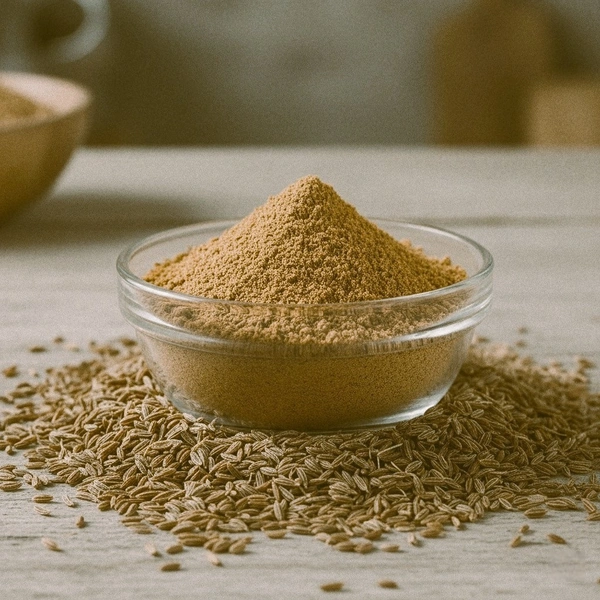
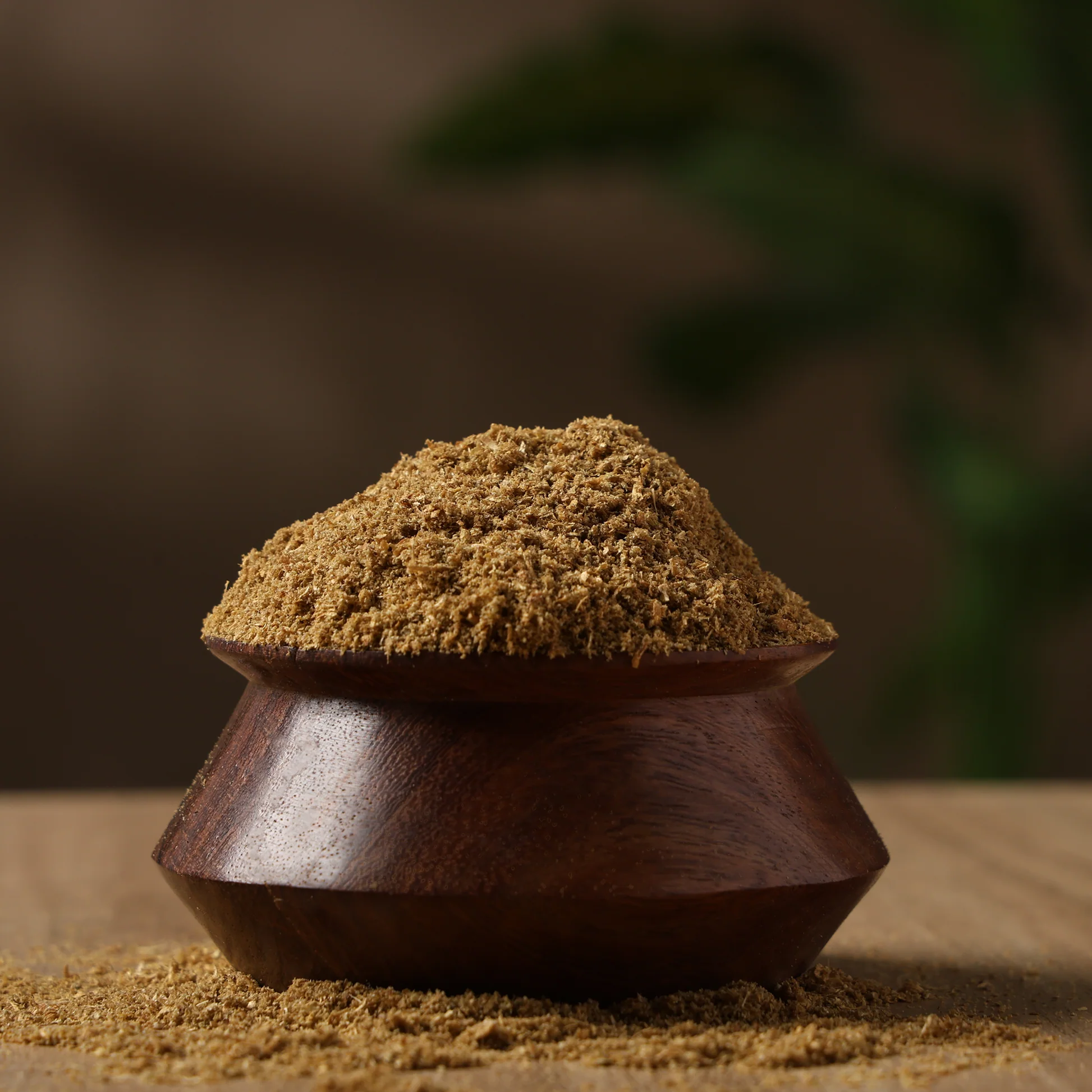
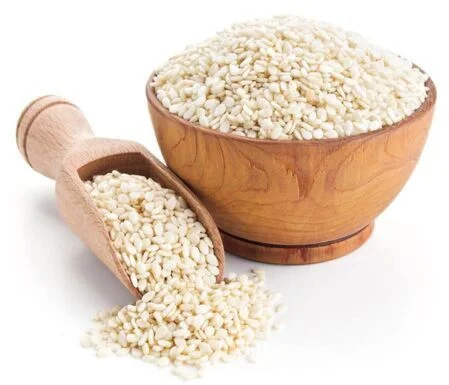
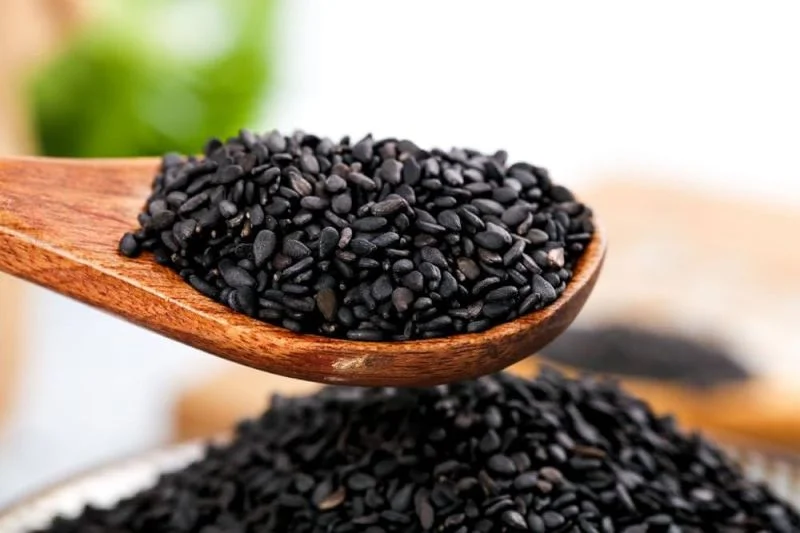
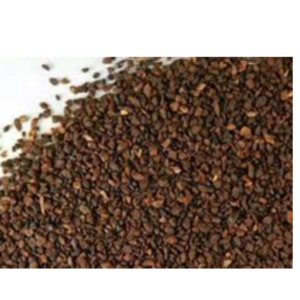
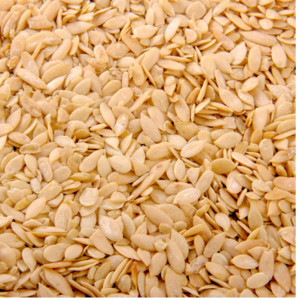
The catalogue offers Black seed (Nigella sativa), Flax Seed (Linum usitatissimum), Cumin (Cuminum cyminum), Dried Coriander (Coriandrum sativum) and Sesame seeds (Sesamum indicum). In international trade these seeds are commonly graded by oil content, moisture level and impurity count. For example, sesame seeds are often supplied in AA grade with oil content above 50 % and moisture below 6 %, while flax seed grades typically require oil content above 40 % and moisture under 7 %. Cumin and coriander are usually classified by particle size (e.g., 0‑2 mm) and volatile oil content, and black seed is evaluated on purity and seed coat integrity.
Typical specifications for these commodities include a maximum foreign matter of 1‑2 % for sesame, a mycotoxin limit of 10 µg/kg for aflatoxin in flax, and a cuminaldehyde content of 2‑4 % for cumin. Buyers often request certificates of analysis confirming these parameters, as well as phytosanitary certificates meeting the importing country’s plant health regulations.
Trade and Export Information - Shadian Licorice
Afghanistan exports oil seeds and spices primarily to markets in the Middle East, South Asia and the European Union. Shipping is usually arranged in 20 ft or 40 ft containers, with bulk bags or paper sacks as standard packaging. The HS‑chapter 12 family (e.g., 1208 for sesame, 1207 for cumin and coriander, 1209 for flax) is the common customs classification, and importers typically require a phytosanitary certificate, a certificate of origin and, where applicable, a declaration of pesticide residues under the EU Maximum Residue Limits.
Exporters from Afghanistan often work with freight forwarders familiar with the land‑locked logistics chain, using air freight for smaller orders and sea freight via ports in Pakistan or Iran for larger containers. Buyers should verify that the supplier can provide the necessary documentation for customs clearance, including any required fumigation certificates for seed imports into the EU or Gulf Cooperation Council states.
Sourcing from Shadian Licorice - Buyer Guidance
When sourcing seeds from Shadian Licorice, request a recent Certificate of Analysis that details oil content, moisture, foreign matter and any mycotoxin testing. Verify that a phytosanitary certificate is available for each shipment, as many importing countries require official plant health clearance.
Confirm the packaging format (e.g., 25 kg polypropylene bags or bulk 1 ton sacks) and ensure the supplier can meet the typical minimum order quantity of one container load for cost‑effective freight. Ask for a sample batch with accompanying test results before confirming the full order, and clarify the Incoterm (CIF or FOB) that will be used for shipping.
Frequently Asked Questions About Shadian Licorice
What are the common quality grades for the seeds listed by Shadian Licorice?
Seeds are usually graded by oil content, moisture and impurity levels; for example, sesame AA grade exceeds 50 % oil and below 6 % moisture, while flax seed often requires at least 40 % oil and under 7 % moisture.
Which certifications should a buyer request for these seed products?
Buyers should request a Certificate of Analysis, a phytosanitary certificate, and, where applicable, a pesticide residue report that complies with the destination country’s limits.
What is the typical minimum order quantity for a container shipment?
A full 20 ft container usually holds 20‑22 metric tons of bulk seeds, which is a common minimum for sea freight; smaller quantities can be shipped by air in 25 kg bags.
What packaging formats are used for the listed seeds?
The seeds are commonly packed in 25 kg polypropylene bags, bulk 1 ton paper sacks, or in bulk pallets for container loading, depending on buyer preference.
Which HS‑chapter codes apply to these commodities?
Oil seeds and spices fall under HS chapter 12, with sub‑headings such as 1208 for sesame, 1207 for cumin and coriander, and 1209 for flax seed.
What lead times are typical for orders from Afghanistan?
Lead times usually range from 30 to 45 days for sea freight after order confirmation and sample approval, with faster air freight options available for smaller volumes.
How can a buyer verify the origin of the seeds?
A Certificate of Origin issued by Afghan authorities, together with the phytosanitary certificate, confirms the product’s origin and complies with most importing country requirements.
Are there any special handling requirements for black seed?
Black seed should be kept in dry, temperature‑controlled conditions to preserve volatile oil content; shipments are often loaded in moisture‑proof bags to prevent spoilage.




 , Afghanistan