Sega World Private Limited — Verified Supplier

About Sega World Private Limited - Basmati Rice Supplier in India

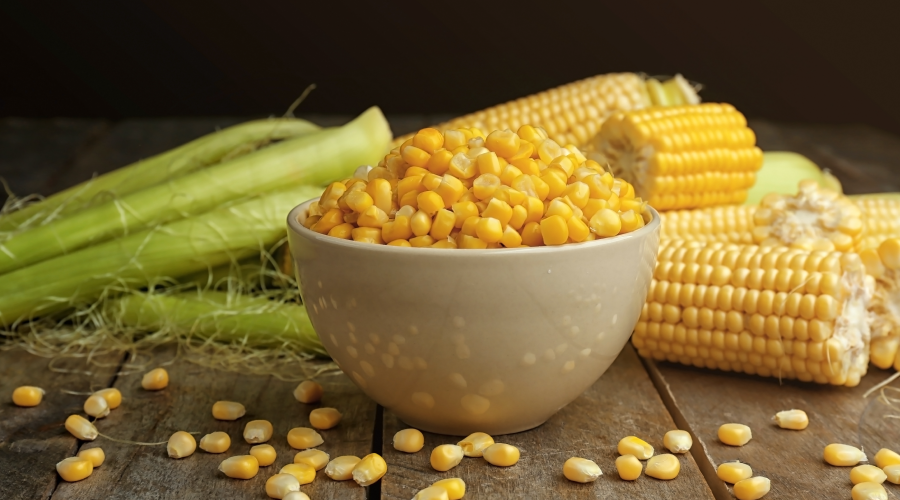
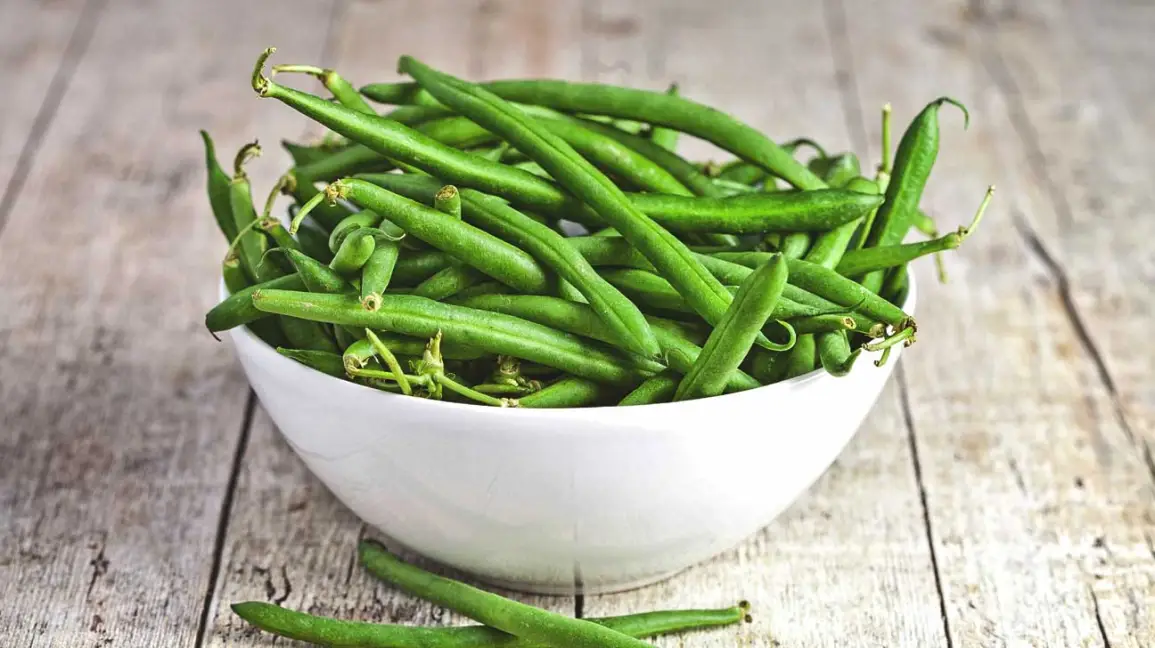
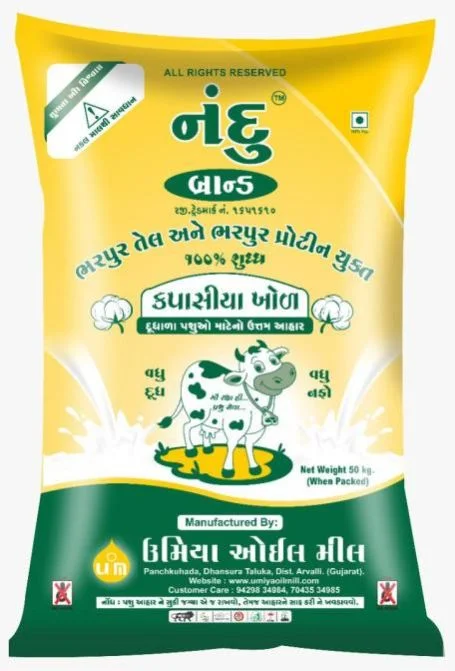
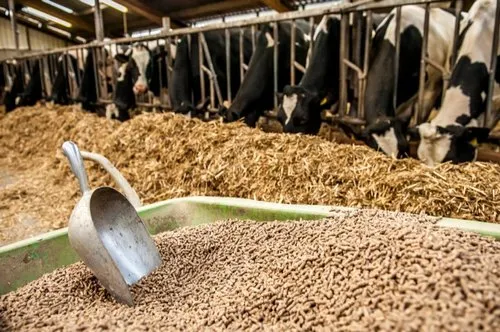
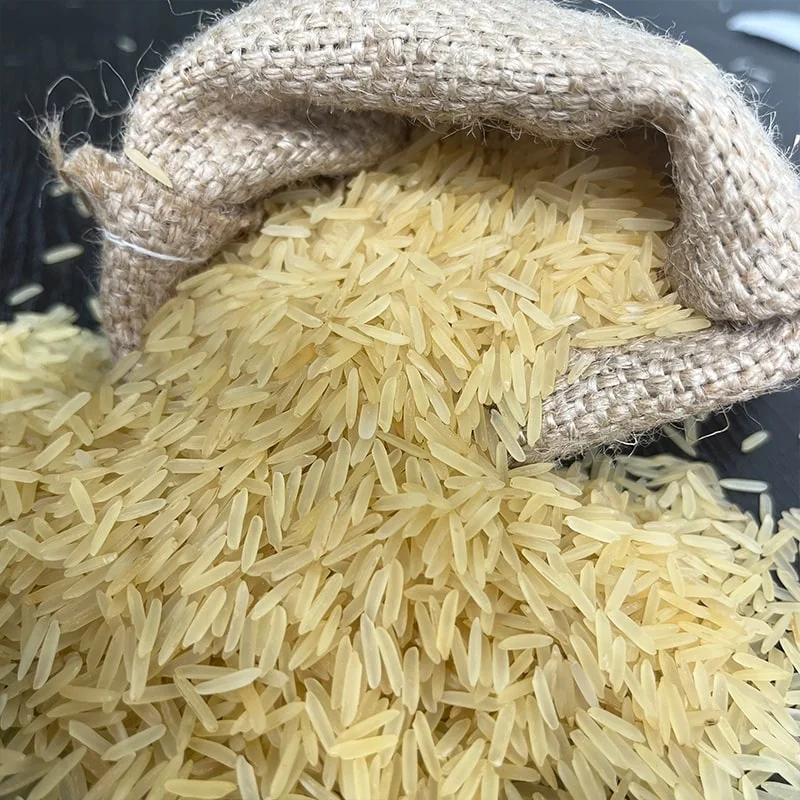
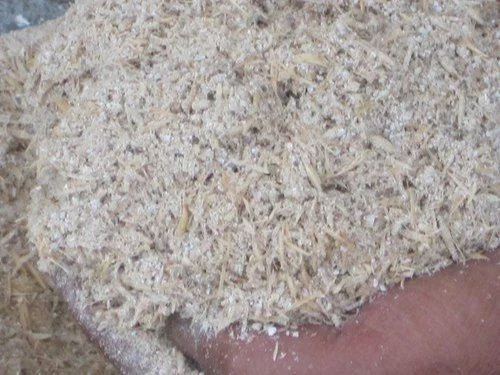
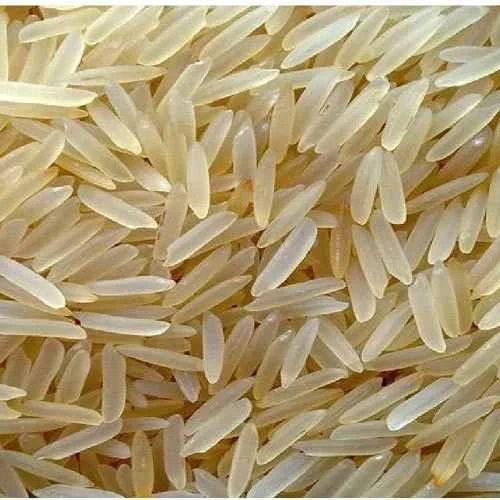
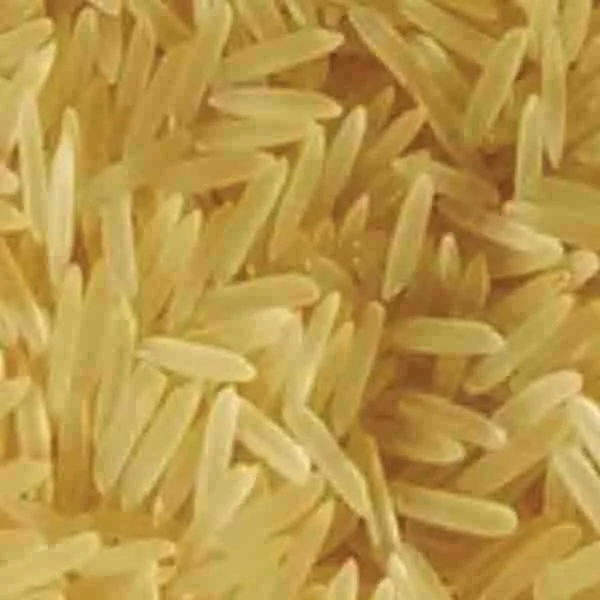
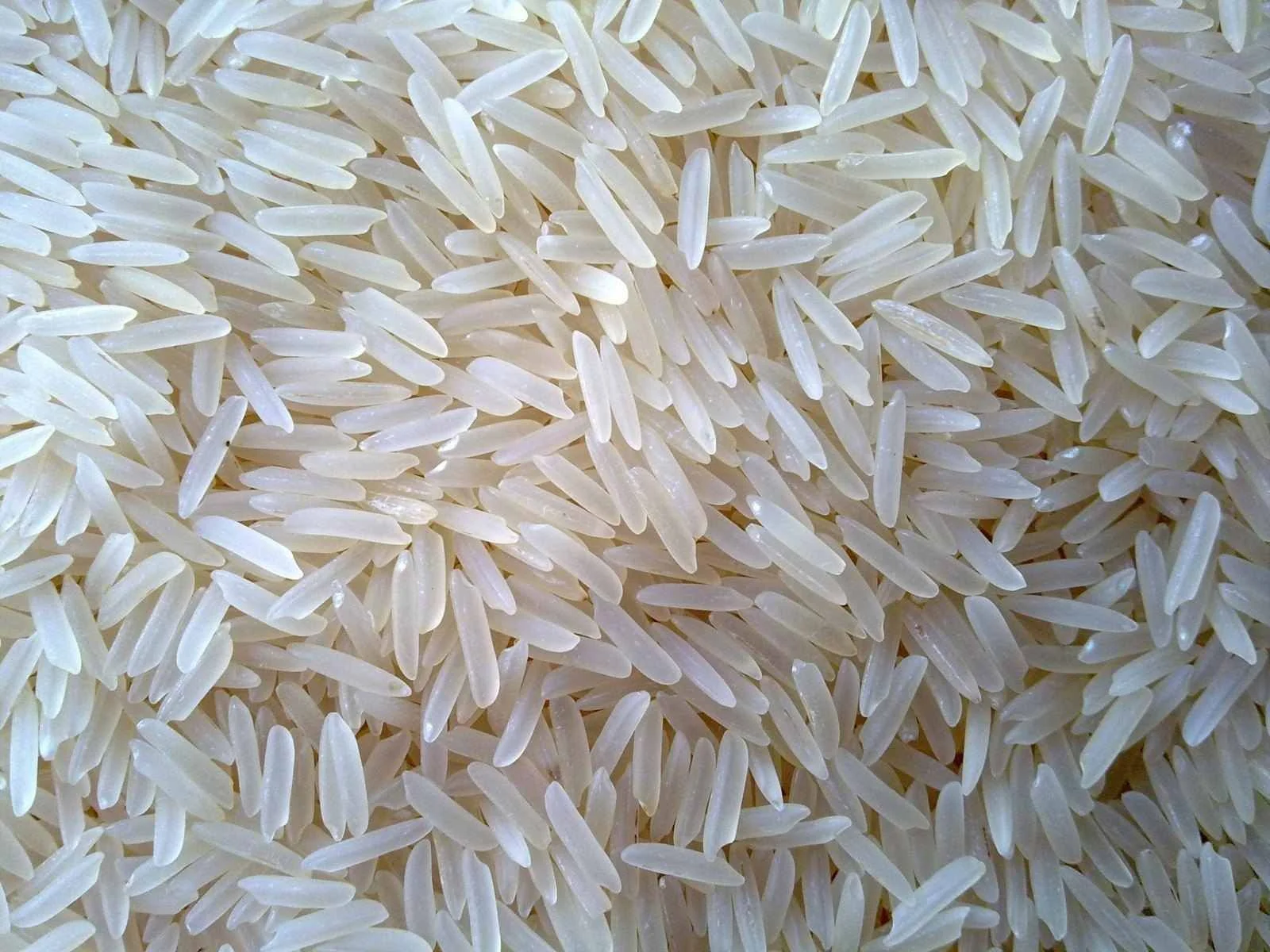
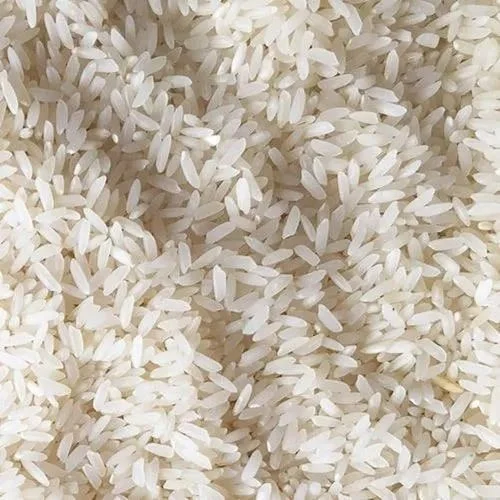
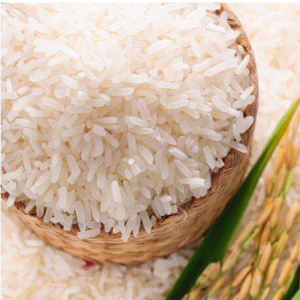
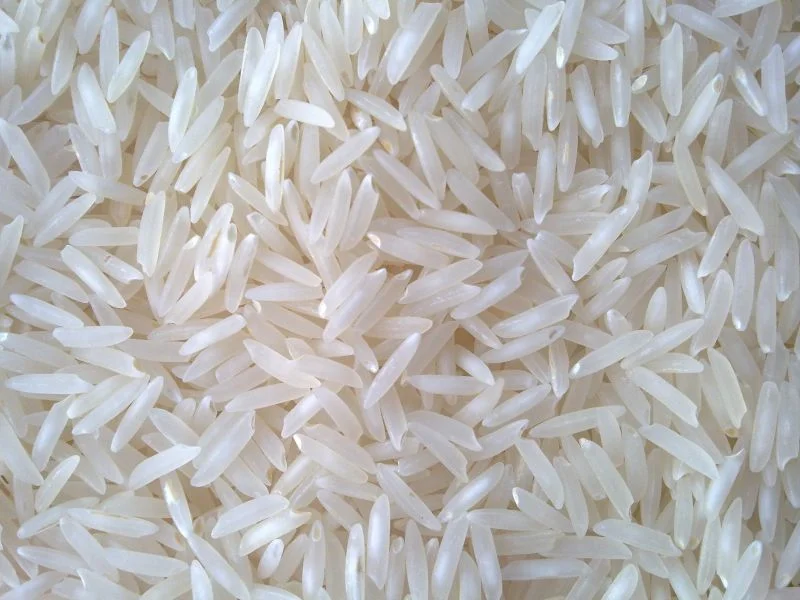
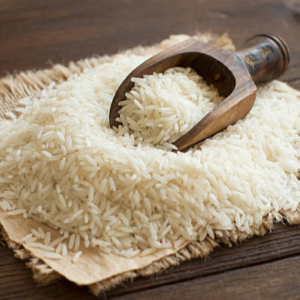
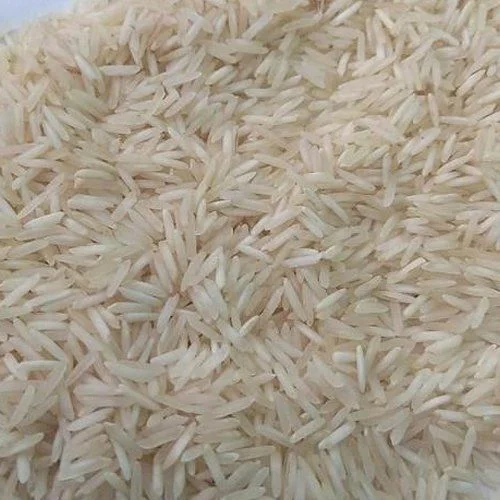
India, with a catalogue of 43 active products, supplies a variety of agricultural and timber items. Sega World Private Limited lists Basmati rice varieties such as Pusa Basmati, Sarbati Sella Basmati and 1509 Sella Basmati under HS code 1006.30, along with other rice types like Swarna White Rice. The company also offers pulses including split moong dal, split chickpeas, split black lentils, black gram, masoor dal, green peas, Indian Kabuli and Desi chickpeas, and beans such as Black Eyed Beans (HS 0713.39) and Green Mung Beans (HS 0713.90). Additional categories comprise yellow corn for food and animal feed, rapeseed de‑oil cake, rapeseel meal, rice DDGS, and two grades of plywood (Ez Form and Standard Form).

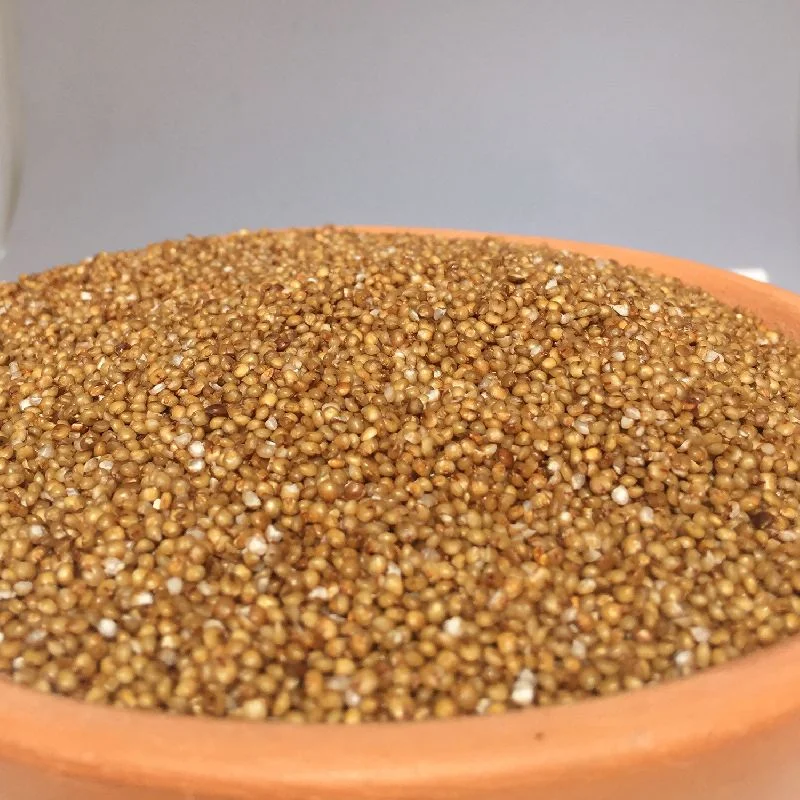
The catalogue further includes millet products such as finger millet, red sorghum and white sorghum (jowar), as well as specialty rice like GR 11, PR 11, Parimal/IR 64, Sona Masoori, and traditional Basmati. All rice items fall under the HS chapter 10 family (1006), pulses under HS chapter 7 (0713), corn under HS 1005, and plywood under HS 44 (4407). The product list reflects the typical Indian export mix of long‑grain basmati rice, high‑protein pulses, and engineered wood panels.

Product Range and Specialties of Sega World Private Limited

Sega World Private Limited’s product list contains three basmati rice lines (Pusa, Sarbati Sella, 1509 Sella) that are commonly graded by kernel length (>6.5 mm for grade 1), broken grain percentage (<5 % for premium grade), moisture content (12‑14 %), and aroma intensity measured by sensory panels. Non‑basmati rice such as Swarna White Rice is usually classified by head‑rice recovery and milled degree. The pulse portfolio - split moong, split chickpeas, split black lentils, black gram, masoor dal, green peas, Kabuli and Desi chickpeas - generally meets Indian export standards of moisture ≤12 %, protein 20‑25 % for moong and 18‑22 % for chickpeas, and uniform size grading. Plywood products (Ez Form and Standard Form) are typically supplied in grades MR or BWR, thicknesses from 6 mm to 25 mm, veneer face grades of A‑C, and conform to IS 1318 specifications for glue line strength and formaldehyde emission.

Millet and sorghum varieties (finger millet, red sorghum, white sorghum) are usually evaluated by grain length (5‑7 mm), moisture ≤13 % and test weight ≥70 kg/hl. Corn marketed for food and animal feed follows standard Indian specifications of 85‑90 % kernel purity, moisture 13‑14 %, and aflatoxin limits of 20 µg/kg. Rapeseed de‑oil cake and rapeseed meal are assessed for crude protein (35‑45 %) and residual oil content (<2 %).

Trade and Export Information - Sega World Private Limited

India ranks among the world’s largest exporters of basmati rice, pulses and plywood. Major import regions for Indian basmati rice include the Middle East, Gulf Cooperation Council (GCC) countries, the United Kingdom, and the United States, while pulses are frequently shipped to Africa, the Middle East and Southeast Asia. Plywood from India is commonly destined for the Middle East, North Africa and East Africa, where the HS code 4407 is used for soft‑wood panels. Buyers typically require a phytosanitary certificate, a certificate of origin, and a laboratory analysis report confirming moisture, broken grain and pesticide residues for rice and pulses. For plywood, ISO 9001, IS 1318 compliance certificates and a kiln‑drying certificate are standard documentation. Export logistics usually involve 20‑ft or 40‑ft containers for rice and pulses, bulk bags for corn and feed, and palletised stacks for plywood, with FOB or CIF Incoterms prevailing in Indian trade practice.

Regulatory requirements for the listed HS families include compliance with the Indian Food Safety and Standards Authority (FSSAI) for edible grains, and the Bureau of Indian Standards (BIS) for timber products. Importing countries often request a free‑sale certificate and, for animal‑feed ingredients, a feed‑grade analysis covering crude protein, fiber and mycotoxin levels.

Sourcing from Sega World Private Limited - Buyer Guidance

When sourcing rice or pulses from Sega World Private Limited, buyers should request a recent laboratory analysis covering moisture, broken percentage, ash and pesticide residues, and compare the results with the typical basmati grade specifications (e.g., moisture ≤ 14 %). For pulses, verify protein content, size uniformity and the absence of foreign matter. For plywood, ask for a grade certificate, thickness tolerance sheet and a formaldehyde emission test report. Buyers are advised to obtain the supplier’s FSSAI registration number for food items and the BIS timber certification for plywood before confirming orders. Sample requests should be followed by a written test report and, where required, a third‑party inspection certificate to confirm compliance with the buyer’s target market regulations.

Typical minimum order quantities (MOQs) range from 5 MT for bulk rice shipments to 500 kg for specialty rice varieties, and from 1 MT for pulses to 10 MT for corn feedstock. Lead times reported by Indian exporters for processed rice and pulses are generally 30‑45 days after receipt of a pro‑forma invoice, while plywood orders may require 25‑35 days for production and kiln‑drying. Packaging commonly includes 20 kg polypropylene bags for rice and pulses, bulk bags (1 tonne) for corn and feed, and sealed palletised bundles for plywood, all suitable for sea freight.

Frequently Asked Questions About Sega World Private Limited

What basmati rice varieties does Sega World Private Limited offer and under which HS code?

The catalogue lists Pusa Basmati Rice, Sarbati Sella Basmati Rice, 1509 Sella Basmati Rice and Traditional Basmati Rice, all classified under HS code 1006.30.

Are there HS codes provided for the pulse products?

The supplied facts include HS codes only for Black Eyed Beans (0713.39) and Green Mung Beans (0713.90); other pulses are listed without specific HS codes but fall under HS chapter 7 for dried legumes.

What documentation should a buyer request for rice shipments?

Buyers should ask for a phytosanitary certificate, a certificate of origin, an FSSAI registration copy and a recent laboratory analysis report showing moisture, broken grain percentage and pesticide residue levels.

Which certifications are commonly required for Indian plywood exports?

Typical requirements include an ISO 9001 quality management certificate, compliance with IS 1318 timber standards and a kiln‑drying or formaldehyde emission test report.

What are the usual packaging formats for the listed corn and feed products?

Corn and animal‑feed items are generally packed in 1‑tonne bulk bags or 20‑kg polypropylene bags for smaller volumes, with the bags sealed for sea freight.

What are typical minimum order quantities and lead times for the listed products?

MOQs range from 5 metric tonnes for bulk basmati rice to 500 kg for specialty rice; pulses start at 1 tonne. Lead times are typically 30‑45 days for rice and pulses and 25‑35 days for plywood after payment confirmation.

How can a buyer obtain samples of the pulse range?

Buyers can request a sample of up to 5 kg per pulse type, which should be accompanied by a test report covering moisture, protein content and foreign matter limits.

Which markets commonly import the types of products Sega World Private Limited supplies?

Indian basmati rice is frequently exported to the Middle East, GCC states, the UK and the US; pulses are shipped to Africa, Southeast Asia and the Middle East; and plywood is often destined for the Middle East, North Africa and East Africa.


Featured Products from this Supplier

Other Suppliers in Primary Category

Top Trusted Suppliers

Related Products

Trending in Parent Category

More Suppliers in Category

Related Products

Other Suppliers

EximNext
58.5K+ live requirements
Register Free🎁 Reach verified global buyers
Post Requirement
🌍 Trusted by 224.6K+ businesses in 200+ countries|
58.5K+ active requirements right now
✉️ [email protected]
|
Sell on EximNextPost Requirement
EximNext
AgricultureApparelConstructionElectronicFoodHomeIndustrialMineralsMiscellaneous
🔥 Deals|✨ AI Match|🏭 Suppliers|📋 Buy Leads|💰 Trade Finance
58.5K+ live RFQs·194.6K+ suppliers
🎁 Reach global buyers →
EximNext
EximNext
Register Free
🎁 Reach verified global buyers
Sign In
📋Post Requirement💬Get QuotesAI Match📋RFQ Marketplace
All Categories
Services & Tools
🏭Supplier Directory🔥Today's Deals💰Trade Finance
Sell on EximNext
AboutContactBlogHelp
🏭

Sega World Private Limited

Harbor
Country flag , India
🛡️
77/100
Trust Score

Sega World Private Limited Product Catalog

Showing 12 of 43 products
View all products →
Corn Greet
Harbor
Corn Greet
Contact
MOQ: 1 Unit
Green Mung Beans
Harbor
Green Mung Beans
Contact
MOQ: 1 Unit
Finger Millet
Harbor
Finger Millet
Contact
MOQ: 1 Unit
Red Sorghum
Harbor
Red Sorghum
Contact
MOQ: 1 Unit
White Sorghum (Jowar)
Harbor
White Sorghum (Jowar)
Contact
MOQ: 1 Unit
Rapeseed De-Oil Cake
Harbor
Rapeseed De-Oil Cake
Contact
MOQ: 1 Unit
Rapeseed meal (Animal Feed)
Harbor
Rapeseed meal (Animal Feed)
Contact
MOQ: 1 Unit
Rice DDGS
Harbor
Rice DDGS
Contact
MOQ: 1 Unit
Yellow Corn (Animal Feed)
Harbor
Yellow Corn (Animal Feed)
Contact
MOQ: 1 Unit
Soybean Meal
Harbor
Soybean Meal
Contact
MOQ: 1 Unit
Soybean De-Oil Cake
Harbor
Soybean De-Oil Cake
Contact
MOQ: 1 Unit
Black Eyed Beans
Harbor
Black Eyed Beans
Contact
MOQ: 1 Unit

About Sega World Private Limited - Basmati Rice Supplier in India

India, with a catalogue of 43 active products, supplies a variety of agricultural and timber items. Sega World Private Limited lists Basmati rice varieties such as Pusa Basmati, Sarbati Sella Basmati and 1509 Sella Basmati under HS code 1006.30, along with other rice types like Swarna White Rice. The company also offers pulses including split moong dal, split chickpeas, split black lentils, black gram, masoor dal, green peas, Indian Kabuli and Desi chickpeas, and beans such as Black Eyed Beans (HS 0713.39) and Green Mung Beans (HS 0713.90). Additional categories comprise yellow corn for food and animal feed, rapeseed de‑oil cake, rapeseel meal, rice DDGS, and two grades of plywood (Ez Form and Standard Form).

The catalogue further includes millet products such as finger millet, red sorghum and white sorghum (jowar), as well as specialty rice like GR 11, PR 11, Parimal/IR 64, Sona Masoori, and traditional Basmati. All rice items fall under the HS chapter 10 family (1006), pulses under HS chapter 7 (0713), corn under HS 1005, and plywood under HS 44 (4407). The product list reflects the typical Indian export mix of long‑grain basmati rice, high‑protein pulses, and engineered wood panels.

Product Range and Specialties of Sega World Private Limited

Sega World Private Limited’s product list contains three basmati rice lines (Pusa, Sarbati Sella, 1509 Sella) that are commonly graded by kernel length (>6.5 mm for grade 1), broken grain percentage (<5 % for premium grade), moisture content (12‑14 %), and aroma intensity measured by sensory panels. Non‑basmati rice such as Swarna White Rice is usually classified by head‑rice recovery and milled degree. The pulse portfolio - split moong, split chickpeas, split black lentils, black gram, masoor dal, green peas, Kabuli and Desi chickpeas - generally meets Indian export standards of moisture ≤12 %, protein 20‑25 % for moong and 18‑22 % for chickpeas, and uniform size grading. Plywood products (Ez Form and Standard Form) are typically supplied in grades MR or BWR, thicknesses from 6 mm to 25 mm, veneer face grades of A‑C, and conform to IS 1318 specifications for glue line strength and formaldehyde emission.

Millet and sorghum varieties (finger millet, red sorghum, white sorghum) are usually evaluated by grain length (5‑7 mm), moisture ≤13 % and test weight ≥70 kg/hl. Corn marketed for food and animal feed follows standard Indian specifications of 85‑90 % kernel purity, moisture 13‑14 %, and aflatoxin limits of 20 µg/kg. Rapeseed de‑oil cake and rapeseed meal are assessed for crude protein (35‑45 %) and residual oil content (<2 %).

Trade and Export Information - Sega World Private Limited

India ranks among the world’s largest exporters of basmati rice, pulses and plywood. Major import regions for Indian basmati rice include the Middle East, Gulf Cooperation Council (GCC) countries, the United Kingdom, and the United States, while pulses are frequently shipped to Africa, the Middle East and Southeast Asia. Plywood from India is commonly destined for the Middle East, North Africa and East Africa, where the HS code 4407 is used for soft‑wood panels. Buyers typically require a phytosanitary certificate, a certificate of origin, and a laboratory analysis report confirming moisture, broken grain and pesticide residues for rice and pulses. For plywood, ISO 9001, IS 1318 compliance certificates and a kiln‑drying certificate are standard documentation. Export logistics usually involve 20‑ft or 40‑ft containers for rice and pulses, bulk bags for corn and feed, and palletised stacks for plywood, with FOB or CIF Incoterms prevailing in Indian trade practice.

Regulatory requirements for the listed HS families include compliance with the Indian Food Safety and Standards Authority (FSSAI) for edible grains, and the Bureau of Indian Standards (BIS) for timber products. Importing countries often request a free‑sale certificate and, for animal‑feed ingredients, a feed‑grade analysis covering crude protein, fiber and mycotoxin levels.

Sourcing from Sega World Private Limited - Buyer Guidance

When sourcing rice or pulses from Sega World Private Limited, buyers should request a recent laboratory analysis covering moisture, broken percentage, ash and pesticide residues, and compare the results with the typical basmati grade specifications (e.g., moisture ≤ 14 %). For pulses, verify protein content, size uniformity and the absence of foreign matter. For plywood, ask for a grade certificate, thickness tolerance sheet and a formaldehyde emission test report. Buyers are advised to obtain the supplier’s FSSAI registration number for food items and the BIS timber certification for plywood before confirming orders. Sample requests should be followed by a written test report and, where required, a third‑party inspection certificate to confirm compliance with the buyer’s target market regulations.

Typical minimum order quantities (MOQs) range from 5 MT for bulk rice shipments to 500 kg for specialty rice varieties, and from 1 MT for pulses to 10 MT for corn feedstock. Lead times reported by Indian exporters for processed rice and pulses are generally 30‑45 days after receipt of a pro‑forma invoice, while plywood orders may require 25‑35 days for production and kiln‑drying. Packaging commonly includes 20 kg polypropylene bags for rice and pulses, bulk bags (1 tonne) for corn and feed, and sealed palletised bundles for plywood, all suitable for sea freight.

Frequently Asked Questions About Sega World Private Limited

What basmati rice varieties does Sega World Private Limited offer and under which HS code?

The catalogue lists Pusa Basmati Rice, Sarbati Sella Basmati Rice, 1509 Sella Basmati Rice and Traditional Basmati Rice, all classified under HS code 1006.30.

Are there HS codes provided for the pulse products?

The supplied facts include HS codes only for Black Eyed Beans (0713.39) and Green Mung Beans (0713.90); other pulses are listed without specific HS codes but fall under HS chapter 7 for dried legumes.

What documentation should a buyer request for rice shipments?

Buyers should ask for a phytosanitary certificate, a certificate of origin, an FSSAI registration copy and a recent laboratory analysis report showing moisture, broken grain percentage and pesticide residue levels.

Which certifications are commonly required for Indian plywood exports?

Typical requirements include an ISO 9001 quality management certificate, compliance with IS 1318 timber standards and a kiln‑drying or formaldehyde emission test report.

What are the usual packaging formats for the listed corn and feed products?

Corn and animal‑feed items are generally packed in 1‑tonne bulk bags or 20‑kg polypropylene bags for smaller volumes, with the bags sealed for sea freight.

What are typical minimum order quantities and lead times for the listed products?

MOQs range from 5 metric tonnes for bulk basmati rice to 500 kg for specialty rice; pulses start at 1 tonne. Lead times are typically 30‑45 days for rice and pulses and 25‑35 days for plywood after payment confirmation.

How can a buyer obtain samples of the pulse range?

Buyers can request a sample of up to 5 kg per pulse type, which should be accompanied by a test report covering moisture, protein content and foreign matter limits.

Which markets commonly import the types of products Sega World Private Limited supplies?

Indian basmati rice is frequently exported to the Middle East, GCC states, the UK and the US; pulses are shipped to Africa, Southeast Asia and the Middle East; and plywood is often destined for the Middle East, North Africa and East Africa.

About Sega World Private Limited - Basmati Rice Supplier in India

India, with a catalogue of 43 active products, supplies a variety of agricultural and timber items. Sega World Private Limited lists Basmati rice varieties such as Pusa Basmati, Sarbati Sella Basmati and 1509 Sella Basmati under HS code 1006.30, along with other rice types like Swarna White Rice. The company also offers pulses including split moong dal, split chickpeas, split black lentils, black gram, masoor dal, green peas, Indian Kabuli and Desi chickpeas, and beans such as Black Eyed Beans (HS 0713.39) and Green Mung Beans (HS 0713.90). Additional categories comprise yellow corn for food and animal feed, rapeseed de‑oil cake, rapeseel meal, rice DDGS, and two grades of plywood (Ez Form and Standard Form).

The catalogue further includes millet products such as finger millet, red sorghum and white sorghum (jowar), as well as specialty rice like GR 11, PR 11, Parimal/IR 64, Sona Masoori, and traditional Basmati. All rice items fall under the HS chapter 10 family (1006), pulses under HS chapter 7 (0713), corn under HS 1005, and plywood under HS 44 (4407). The product list reflects the typical Indian export mix of long‑grain basmati rice, high‑protein pulses, and engineered wood panels.

Product Range and Specialties of Sega World Private Limited

Sega World Private Limited’s product list contains three basmati rice lines (Pusa, Sarbati Sella, 1509 Sella) that are commonly graded by kernel length (>6.5 mm for grade 1), broken grain percentage (<5 % for premium grade), moisture content (12‑14 %), and aroma intensity measured by sensory panels. Non‑basmati rice such as Swarna White Rice is usually classified by head‑rice recovery and milled degree. The pulse portfolio - split moong, split chickpeas, split black lentils, black gram, masoor dal, green peas, Kabuli and Desi chickpeas - generally meets Indian export standards of moisture ≤12 %, protein 20‑25 % for moong and 18‑22 % for chickpeas, and uniform size grading. Plywood products (Ez Form and Standard Form) are typically supplied in grades MR or BWR, thicknesses from 6 mm to 25 mm, veneer face grades of A‑C, and conform to IS 1318 specifications for glue line strength and formaldehyde emission.

Millet and sorghum varieties (finger millet, red sorghum, white sorghum) are usually evaluated by grain length (5‑7 mm), moisture ≤13 % and test weight ≥70 kg/hl. Corn marketed for food and animal feed follows standard Indian specifications of 85‑90 % kernel purity, moisture 13‑14 %, and aflatoxin limits of 20 µg/kg. Rapeseed de‑oil cake and rapeseed meal are assessed for crude protein (35‑45 %) and residual oil content (<2 %).

Trade and Export Information - Sega World Private Limited

India ranks among the world’s largest exporters of basmati rice, pulses and plywood. Major import regions for Indian basmati rice include the Middle East, Gulf Cooperation Council (GCC) countries, the United Kingdom, and the United States, while pulses are frequently shipped to Africa, the Middle East and Southeast Asia. Plywood from India is commonly destined for the Middle East, North Africa and East Africa, where the HS code 4407 is used for soft‑wood panels. Buyers typically require a phytosanitary certificate, a certificate of origin, and a laboratory analysis report confirming moisture, broken grain and pesticide residues for rice and pulses. For plywood, ISO 9001, IS 1318 compliance certificates and a kiln‑drying certificate are standard documentation. Export logistics usually involve 20‑ft or 40‑ft containers for rice and pulses, bulk bags for corn and feed, and palletised stacks for plywood, with FOB or CIF Incoterms prevailing in Indian trade practice.

Regulatory requirements for the listed HS families include compliance with the Indian Food Safety and Standards Authority (FSSAI) for edible grains, and the Bureau of Indian Standards (BIS) for timber products. Importing countries often request a free‑sale certificate and, for animal‑feed ingredients, a feed‑grade analysis covering crude protein, fiber and mycotoxin levels.

Sourcing from Sega World Private Limited - Buyer Guidance

When sourcing rice or pulses from Sega World Private Limited, buyers should request a recent laboratory analysis covering moisture, broken percentage, ash and pesticide residues, and compare the results with the typical basmati grade specifications (e.g., moisture ≤ 14 %). For pulses, verify protein content, size uniformity and the absence of foreign matter. For plywood, ask for a grade certificate, thickness tolerance sheet and a formaldehyde emission test report. Buyers are advised to obtain the supplier’s FSSAI registration number for food items and the BIS timber certification for plywood before confirming orders. Sample requests should be followed by a written test report and, where required, a third‑party inspection certificate to confirm compliance with the buyer’s target market regulations.

Typical minimum order quantities (MOQs) range from 5 MT for bulk rice shipments to 500 kg for specialty rice varieties, and from 1 MT for pulses to 10 MT for corn feedstock. Lead times reported by Indian exporters for processed rice and pulses are generally 30‑45 days after receipt of a pro‑forma invoice, while plywood orders may require 25‑35 days for production and kiln‑drying. Packaging commonly includes 20 kg polypropylene bags for rice and pulses, bulk bags (1 tonne) for corn and feed, and sealed palletised bundles for plywood, all suitable for sea freight.

Frequently Asked Questions About Sega World Private Limited
What basmati rice varieties does Sega World Private Limited offer and under which HS code?
The catalogue lists Pusa Basmati Rice, Sarbati Sella Basmati Rice, 1509 Sella Basmati Rice and Traditional Basmati Rice, all classified under HS code 1006.30.
Are there HS codes provided for the pulse products?
The supplied facts include HS codes only for Black Eyed Beans (0713.39) and Green Mung Beans (0713.90); other pulses are listed without specific HS codes but fall under HS chapter 7 for dried legumes.
What documentation should a buyer request for rice shipments?
Buyers should ask for a phytosanitary certificate, a certificate of origin, an FSSAI registration copy and a recent laboratory analysis report showing moisture, broken grain percentage and pesticide residue levels.
Which certifications are commonly required for Indian plywood exports?
Typical requirements include an ISO 9001 quality management certificate, compliance with IS 1318 timber standards and a kiln‑drying or formaldehyde emission test report.
What are the usual packaging formats for the listed corn and feed products?
Corn and animal‑feed items are generally packed in 1‑tonne bulk bags or 20‑kg polypropylene bags for smaller volumes, with the bags sealed for sea freight.
What are typical minimum order quantities and lead times for the listed products?
MOQs range from 5 metric tonnes for bulk basmati rice to 500 kg for specialty rice; pulses start at 1 tonne. Lead times are typically 30‑45 days for rice and pulses and 25‑35 days for plywood after payment confirmation.
How can a buyer obtain samples of the pulse range?
Buyers can request a sample of up to 5 kg per pulse type, which should be accompanied by a test report covering moisture, protein content and foreign matter limits.
Which markets commonly import the types of products Sega World Private Limited supplies?
Indian basmati rice is frequently exported to the Middle East, GCC states, the UK and the US; pulses are shipped to Africa, Southeast Asia and the Middle East; and plywood is often destined for the Middle East, North Africa and East Africa.

🏭
Sega World Private Limited
Country flag , India
Harbor
77/100
Trust Score
📦
43
Products
Free to contact — no commission
Escrow payment available
Verified business identity
Compare more suppliers
Post a requirement — get 10 quotes free
Let verified suppliers compete for your business. Free, fast, no commitment.
EximNext Verified Supplier
Business identity verified
Physical address confirmed
Financial history checked
Certifications authenticated
Trade references validated
Due Diligence
Verify this supplier's real shipping history.
Every shipment, every buyer, every port. Trade data that can't be faked.
Run due diligence →
Discover More

Related Suppliers & Products

Explore similar suppliers, related products and trending categories

Featured Products from this Supplier

Other Suppliers in Primary Category

Top Trusted Suppliers

Related Products

Trending in Parent Category

More Suppliers in Category

Stay ahead in global trade
Weekly market insights & new supplier alerts.
EximNext
Exim Next is a leading global B2B marketplace, connecting over 205,000 verified suppliers and buyers across 200+ countries. As a trusted import export marketplace, it serves as the essential B2B portal for businesses worldwide, empowering them to expand their international reach. With Exim Next, businesses can trade smarter and grow faster.
SECURE PAYMENTS
VISAMastercardPayPalSWIFTL/CEscrow
Follow us
© 2026 EximNext