Sea & Sage — Verified Supplier
About Sea & Sage - Spices Supplier in India
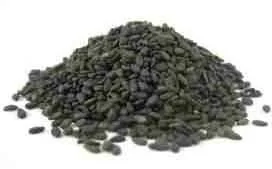
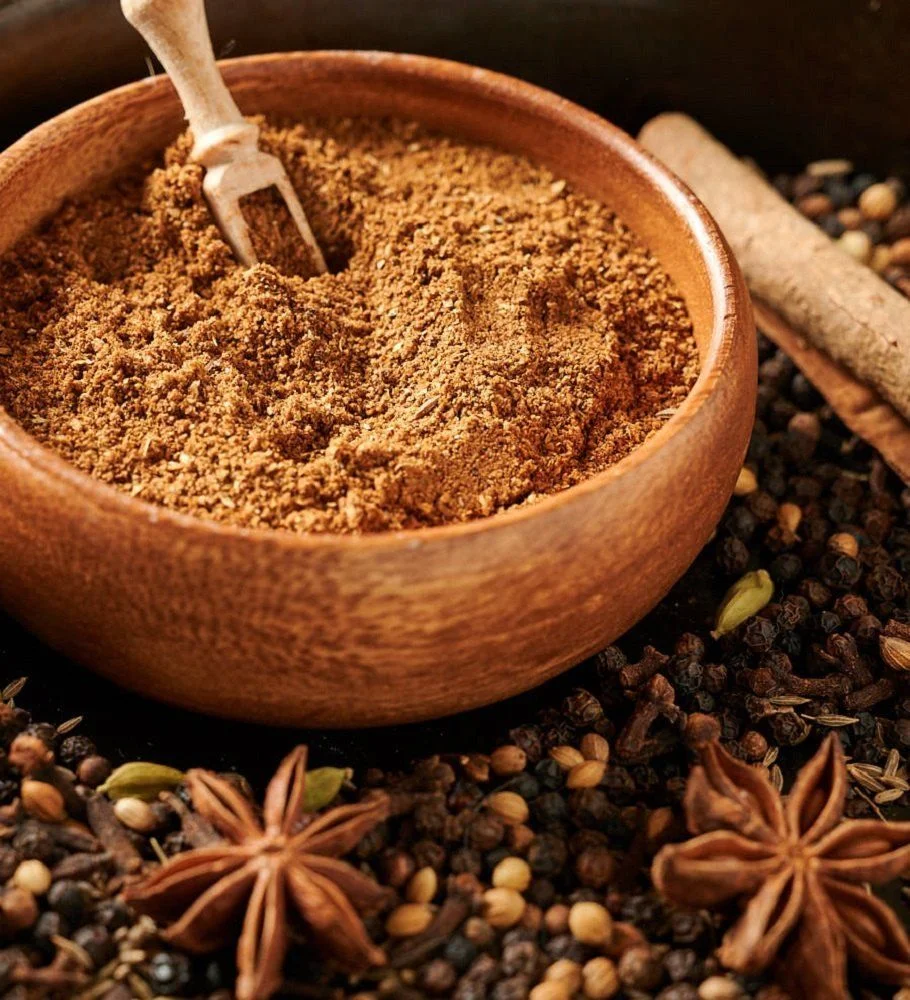
India hosts Sea & Sage, a cataloguer with nine active products listed for international trade. The catalogue includes Fennel Seeds, Sesame Seeds, Turmeric, Dry Chilli, Ground Spices, Blend Spices / Spices Mix, Pulses, Gram Flour and Papad. Each item is presented under the broader categories of Spices, Pulses and Snacks, matching the supplier’s declared top categories. The listing does not specify certifications or production volumes, but it covers the core commodity groups that Indian exporters commonly supply. The supplier is classified in the “harbor” trust tier, indicating a mid‑level verification level within the platform.
The product set reflects typical Indian export lines: whole seeds such as fennel and sesame, powdered spices including turmeric and blended mixes, dried chilli, leguminous pulses, gram flour (besan) and ready‑to‑cook papad. In global trade, these goods are usually shipped in bulk bags, 20 ft or 40 ft containers, with moisture limits of less than 12 % for seeds and less than 14 % for ground spices. Quality grading often follows standards such as ICUMSA for turmeric colour, and size grading for seeds (e.g., 2‑3 mm for fennel). Buyers typically request certificates of analysis, origin declarations and compliance with food‑safety regulations.
Product Range and Specialties of Sea & Sage
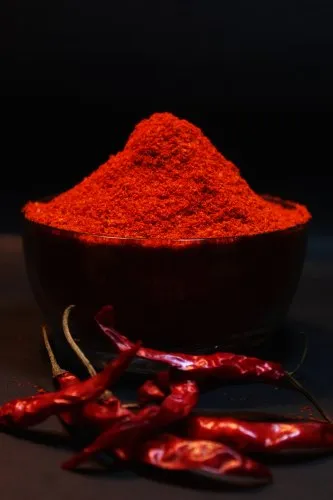
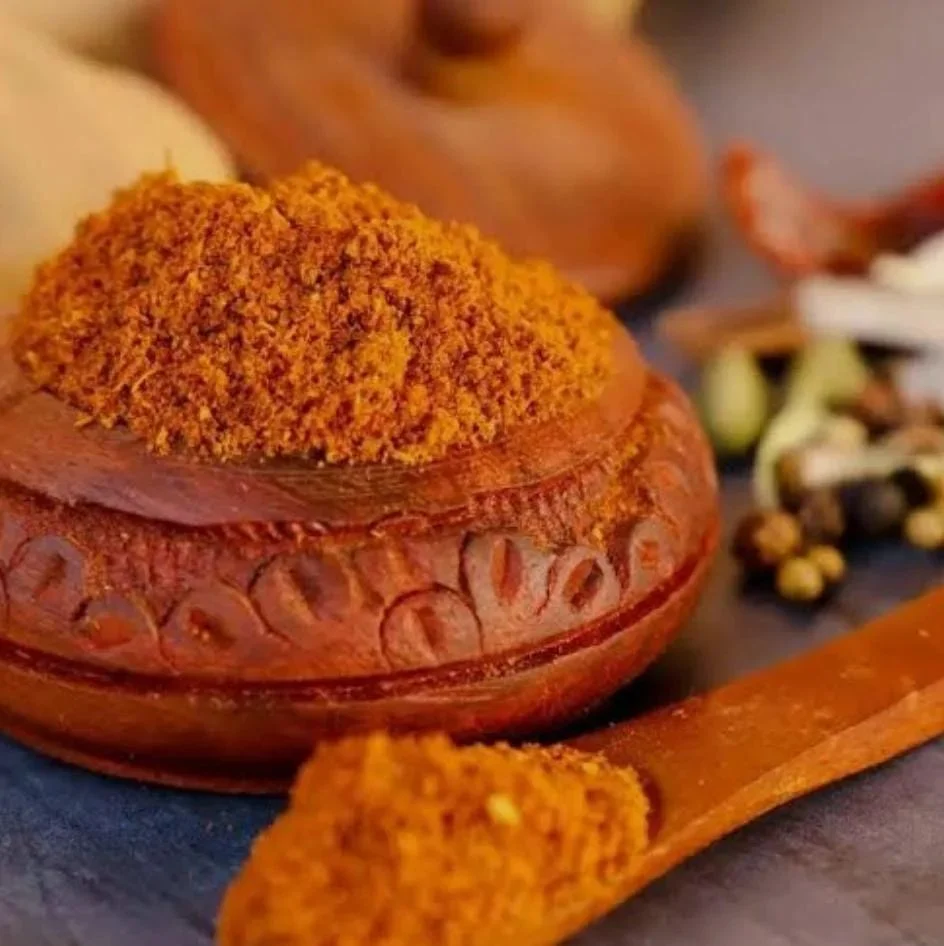
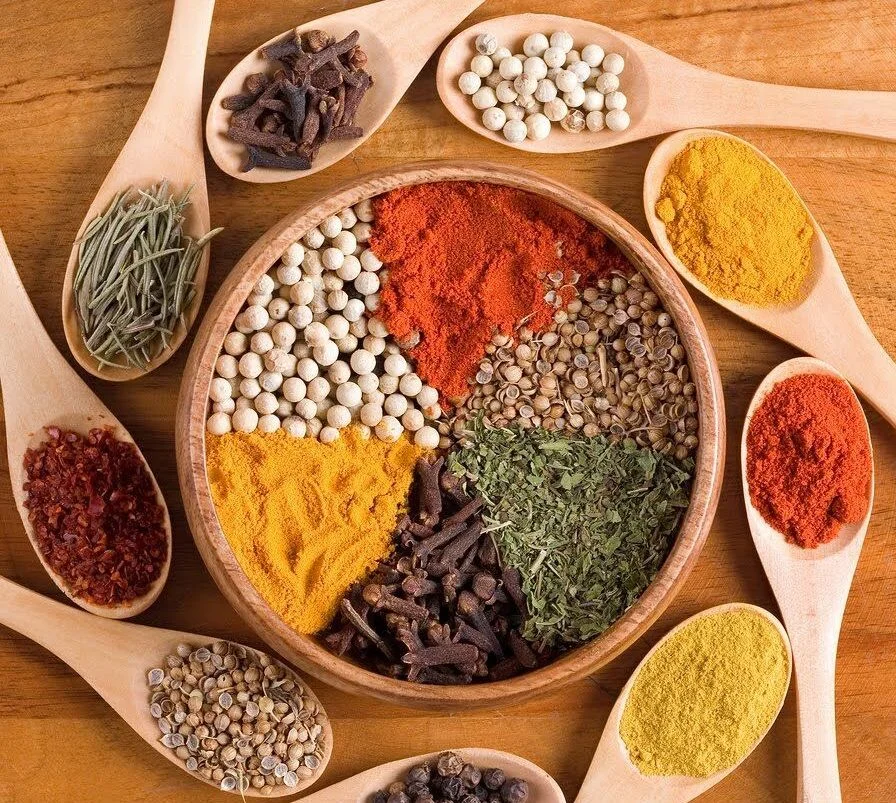
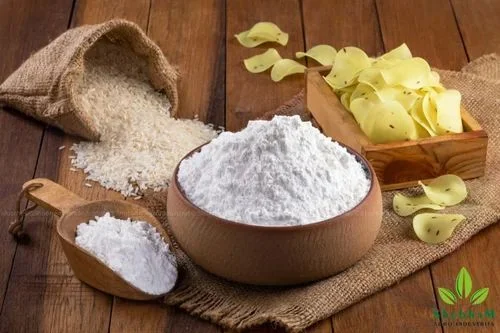
Sea & Sage’s catalogue lists nine distinct items across seed, spice, pulse and snack formats. Whole seeds (fennel, sesame) are offered in standard bulk quantities, while turmeric and dry chilli are available both as whole and ground forms. The blend spice mixes combine multiple ground spices in proportions that suit Indian cuisine, and the pulses cover common varieties such as split chickpeas and lentils. Gram flour is supplied as fine besan suitable for bakery and snack production, and papad is listed as a ready‑to‑fry snack sheet.
In the spice sector, buyers commonly look for colour grades (e.g., turmeric ICUMSA 45‑50), pungency levels for chilli (Scoville 30 000‑50 000), and moisture content below 12 %. Seed grades are often defined by size and purity, with fennel seeds classified as “large” (>2 mm) and sesame seeds as “clean” with hull‑free percentages above 90 %. Pulses are evaluated by size uniformity and moisture below 13 %. Gram flour specifications include particle size (≤250 µm) and protein content around 22‑24 %. These industry benchmarks help buyers compare the supplier’s offerings with market standards.
Trade and Export Information - Sea & Sage
Indian exporters of spices, seeds and pulses typically serve markets in the Middle East, Europe, North America and Southeast Asia. The commodities fall under HS chapter 09 for spices and seeds, chapter 07 for pulses, and chapter 11 for flours and snack sheets. Buyers often require compliance with ISO 22000, HACCP and local food‑safety standards such as the EU’s food‑contact material regulations or the US FDA Food Safety Modernization Act. Shipping is usually organised on FOB or CIF terms, with bulk cargo packed in polypropylene‑lined bags (25 kg or 50 kg) for seeds and spices, and in cartons for papad and gram flour. Indian export logistics benefit from major ports on the west (Mumbai) and east (Kolkata) coasts, facilitating container loading onto vessels bound for the target regions.
Sourcing from Sea & Sage - Buyer Guidance
When sourcing from Sea & Sage, buyers should request a recent Certificate of Analysis for each spice or seed batch, confirming moisture, ash and microbial limits. For turmeric, a colour index (ICUMSA) and curcumin percentage should be verified; for chilli, a Scoville rating or capsaicin content is typical. Samples are usually supplied in 1 kg quantities, packaged in sealed, moisture‑proof bags. Buyers should also ask for the supplier’s ISO 22000 or HACCP certification, as well as an origin declaration and any organic or non‑GMO attestations if required. Verifying packaging integrity, labelling compliance and the presence of phytosanitary certificates before shipment reduces the risk of customs delays.
Frequently Asked Questions About Sea & Sage
What is the minimum order quantity for whole seeds such as fennel or sesame?
The usual minimum order is one 20 ft container, which holds approximately 20 tons of seeds. Buyers can negotiate smaller volumes, but container‑load shipments are the standard practice for cost efficiency.
Can I receive a laboratory sample before placing a full order?
Sea & Sage can provide a 1 kg sample of any listed product, sealed in a moisture‑proof bag. The sample will be accompanied by a Certificate of Analysis reflecting the current batch.
Which food‑safety certifications does Sea & Sage hold?
The supplier’s facts do not list specific certifications, so buyers should request copies of ISO 22000, HACCP or FSSAI registration documents before confirming a purchase.
What packaging formats are used for ground spices and pulse products?
Ground spices and pulse flakes are typically packed in 25 kg or 50 kg polypropylene‑lined bags, sealed to protect against moisture. Larger shipments are palletised for container loading.
What quality parameters are standard for turmeric supplied from India?
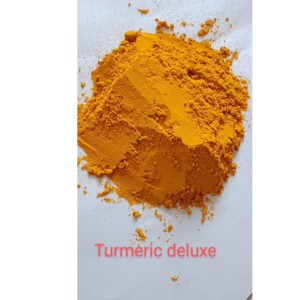
Turmeric is commonly graded by ICUMSA colour index (45‑50) and curcumin content of 3‑6 %. Moisture should not exceed 12 % and ash content is usually around 7‑9 %.
Which HS chapters cover the products listed by Sea & Sage?
Spice seeds and powders fall under HS chapter 09, pulses under chapter 07, and gram flour and papad under chapter 11. These chapter designations guide customs classification for most importing countries.
What lead time should I expect for a full container order?
Lead times for Indian spice exporters range from 30 to 45 days from order confirmation, depending on product availability and required certifications.
Which Incoterms are commonly used for shipments from India?
Buyers typically see FOB (port of loading) or CIF (destination port) terms, allowing flexibility in arranging freight and insurance.




 , India